Глава 1
From Garden to Plate: The Vegetarian Revolution
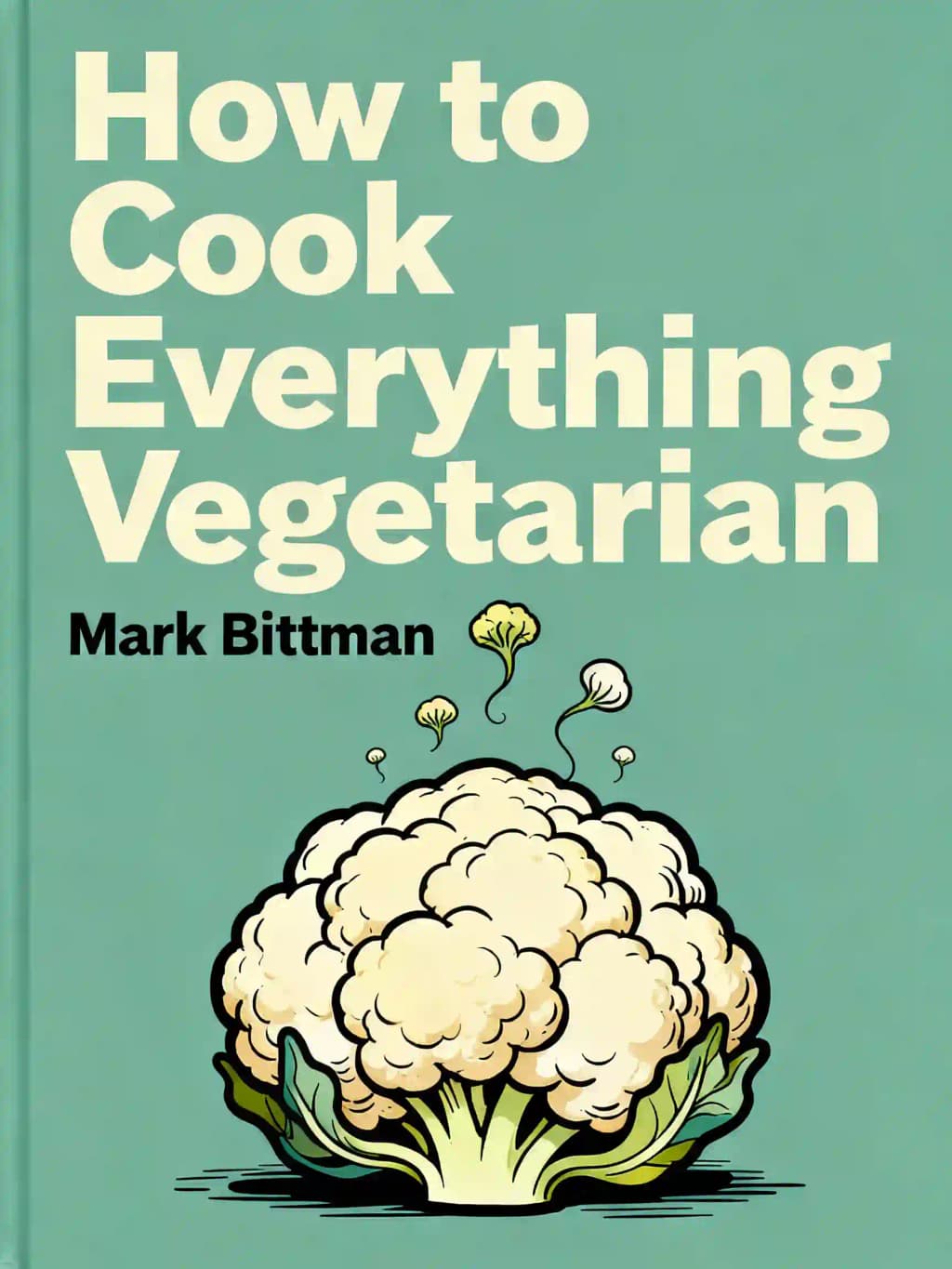
Mark Bittman's "How to Cook Everything Vegetarian" arrives at a pivotal moment in our culinary history. As Oprah Winfrey declared it one of her "favorite things" and celebrity chefs like Jamie Oliver praise its accessible approach, this comprehensive guide has become the definitive resource for plant-based cooking in America. The book reflects a seismic shift in our food culture-while Americans still consume vast quantities of meat, vegetarian cooking has evolved from a fringe practice to a mainstream movement embraced by millions seeking healthier, more sustainable diets.
Bittman doesn't preach vegetarianism as the only path forward but presents it as an increasingly necessary direction for our collective well-being and that of our planet. What makes this book revolutionary is how it transforms the perception of vegetarian cooking from restrictive to expansive-revealing a world of flavor that meat-eaters and vegetarians alike can celebrate. With over 2,000 recipes and variations, Bittman demonstrates that plant-based cooking isn't about limitation but about discovering the extraordinary versatility of vegetables, grains, and legumes.
Глава 2
The Vegetable Renaissance: From Austere to Abundant
For decades, vegetarian cooking suffered from an image problem-perceived as bland, austere, and nutritionally obsessive rather than pleasurable. Bittman shatters this misconception by placing vegetables at the center of the plate not as a compromise but as the star. "Vegetables have tremendous flavor," he writes, "and when properly prepared they're delicious-as delicious as food gets."
The book's approach to vegetables is revolutionary in its simplicity: treat them with the same respect traditionally reserved for meat. This means understanding their unique properties and cooking them accordingly. Take eggplant, which Bittman transforms from a potentially bitter, spongy disappointment into a creamy delight through proper salting and roasting techniques. Or consider Brussels sprouts, once the most reviled vegetable in America, which become caramelized nuggets of sweetness when roasted at high heat with a touch of olive oil.
What sets Bittman's vegetable preparations apart is their adaptability. His roasted winter squash recipe, for instance, works beautifully with butternut, acorn, kabocha, or delicata varieties. The technique-cutting the squash into chunks, tossing with olive oil and salt, then roasting at high heat until caramelized-creates a versatile foundation that can be dressed up countless ways: with maple syrup and cayenne for a sweet-hot combination, with soy sauce and ginger for an Asian twist, or with sage and brown butter for an Italian-inspired dish.
This flexibility extends throughout the book. Bittman's approach to stir-frying vegetables emphasizes proper technique (high heat, constant movement) while encouraging experimentation with whatever is fresh and available. His vegetable stock recipes range from a 40-minute quick version to a deeply flavored roasted vegetable stock that forms the foundation for exceptional soups and sauces.
Perhaps most importantly, Bittman understands that vegetables require different handling than meat. Where meat often benefits from long cooking times, many vegetables shine with minimal intervention. His raw vegetable salads-like the Brussels sprout salad where the leaves are "bruised" with salt to soften them before dressing with olive oil and lemon juice-demonstrate that sometimes the best approach is the lightest touch.
Глава 3
Beyond Substitution: Reimagining Plant-Based Proteins
Rather than attempting to replicate meat, Bittman celebrates plant proteins for their unique qualities. His approach to tofu exemplifies this philosophy. Instead of apologizing for tofu's subtle flavor, he presents it as a virtue-a versatile canvas that absorbs other flavors beautifully.
The book offers multiple preparation methods that transform tofu from bland to brilliant. Freezing tofu creates a spongy texture perfect for absorbing marinades. Pressing removes excess moisture, allowing for better browning and crisping. Baking gives tofu a firm, crisp-crusted exterior with a custardy interior that's almost egg-like. Each technique serves a different purpose, allowing tofu to shine in diverse culinary contexts.
Bittman extends this thoughtful approach to other plant proteins. His tempeh recipes acknowledge its naturally nutty, fermented flavor rather than trying to disguise it. The "Crunchy Crumbled Tempeh" recipe creates delicious crispy bits that can be scattered through salads, grain bowls, or tacos, providing both protein and texture. Similarly, his seitan recipes embrace its chewy, meat-like texture while infusing it with flavor through aromatic simmering liquids.
The veggie burger recipes exemplify Bittman's rejection of imitation in favor of celebration. Rather than attempting to "bleed" like meat, his bean-based burgers highlight the natural creaminess of black beans complemented by the texture of oats and the depth of chili powder. His "Bulgur Beet Burgers with Ginger" combine earthy beets with chewy bulgur and sweet dates for a patty that's nothing like meat but delicious in its own right.
This philosophy extends to dairy alternatives as well. Instead of relying on highly processed commercial substitutes, Bittman provides recipes for homemade plant milks, cheeses, and creams. His cashew cream transforms into everything from a rich pasta sauce to a convincing sour cream alternative, while his homemade almond milk offers a fresher, more flavorful option than shelf-stable versions.
Глава 4
The Global Pantry: Drawing Inspiration from World Cuisines
One of the book's greatest strengths is its global perspective. Bittman recognizes that many cultures have developed sophisticated vegetarian cuisines over centuries, offering a treasure trove of techniques and flavor combinations that make plant-based eating exciting and satisfying.
From Indian cuisine, Bittman borrows techniques like tempering spices in hot oil to release their flavors before adding other ingredients. His dal recipes range from the simplest red lentil preparation to complex mixed whole-bean versions with walnuts. He explores the versatility of paneer-a fresh cheese that holds its shape when cooked-in dishes like Paneer Pakora and Curried Cheese.
East Asian cuisines provide inspiration for numerous dishes, from Japanese-style summertime pasta salad with its sweet, brothy dressing to Chinese-inspired hot and sour soup. Bittman's approach to tofu draws heavily from these traditions, with recipes like Braised Tofu with Eggplant and Shiitakes showcasing traditional Sichuan flavors.
Middle Eastern and Mediterranean influences appear throughout the book as well. Bittman offers multiple variations on hummus and falafel, explores the versatility of flatbreads like chapati and naan, and presents mezze-style appetizers perfect for casual entertaining. His "White Beans, Tuscan Style" captures the essence of simple Italian cooking-beans simmered with sage until tender, then finished with garlic and olive oil.
Latin American cuisines contribute vibrant flavors through dishes like tortilla soup, baked Brazilian black beans, and various salsas and moles. Bittman's approach to Mexican cooking is particularly strong, with recipes for everything from authentic corn tortillas to complex enchilada sauces.
What makes these global explorations successful is Bittman's balance between authenticity and accessibility. He respects traditional techniques and flavor profiles while adapting them for modern American kitchens and ingredients. His recipe for aloo paratha, for instance, maintains the traditional stuffed flatbread concept while offering substitutions for hard-to-find ingredients like ajwain seeds.
Глава 5
The Art of Flavor Building: Sauces, Spices, and Seasonings
Perhaps the most valuable aspect of Bittman's approach is his emphasis on building flavor in vegetarian cooking. Without animal fats to provide richness and umami, plant-based dishes require thoughtful seasoning and layering of flavors-a skill Bittman teaches throughout the book.
The comprehensive chapter on sauces and condiments serves as a flavor toolkit for transforming simple ingredients. From basic vinaigrettes to complex moles, these recipes provide the finishing touches that elevate vegetarian cooking. Particularly valuable are the Asian-inspired sauces like ponzu, ginger-scallion sauce, and various chile pastes that add depth and complexity to simple vegetables or tofu.
Bittman's approach to spices is equally thorough. Rather than treating them as an afterthought, he provides detailed information on selecting, storing, and using spices to maximum effect. His spice blend recipes-from Indian garam masala to Japanese seven-spice mix-offer balanced combinations that can transform everyday ingredients. The section on toasting and grinding whole spices is particularly valuable, explaining how these simple steps dramatically enhance flavor.
Umami-that elusive fifth taste associated with savory depth-receives special attention. Without meat's natural umami, vegetarian cooking benefits from ingredients like dried mushrooms, soy sauce, miso, and tomato paste. Bittman incorporates these flavor boosters throughout his recipes, teaching readers how to build satisfying depth in plant-based dishes.
His miso recipes exemplify this approach. Rather than using miso simply as a soup base, Bittman incorporates it into dressings, glazes, and marinades. His Sweet Miso Glaze transforms roasted vegetables with a complex sweet-savory coating, while his Nutty Miso Sauce combines the fermented paste with walnuts for a creamy, protein-rich dressing.
Even simple seasonings receive thoughtful treatment. Bittman's approach to salt goes beyond mere quantity to consider timing-adding salt at different stages of cooking affects both flavor development and texture, particularly in beans and vegetables. His herb lexicon provides not just usage suggestions but storage advice and flavor affinities that help readers develop intuitive cooking skills.
Глава 6
The Joy of Grains and Beans: Staples Reimagined
Grains and beans form the backbone of vegetarian cooking, providing protein, fiber, and satisfying substance. Rather than treating them as mere substitutes for meat, Bittman celebrates their inherent qualities and versatility.
His approach to rice exemplifies this philosophy. Beyond basic preparation methods, he explores the distinct personalities of different varieties-from short-grain sticky rice perfect for sushi to fragrant basmati ideal for pilafs. Recipes like Coconut Rice, Yellow Rice, and Biryani demonstrate how simple aromatics and spices transform plain rice into spectacular dishes.
The section on "other grains" introduces readers to lesser-known options like farro, quinoa, millet, and teff. Rather than presenting these as exotic novelties, Bittman provides practical cooking methods and flavor affinities that make them accessible everyday options. His Autumn Millet Bake, combining the grain with butternut squash and cranberries, showcases how these ingredients can create satisfying main dishes.
Beans receive similarly thoughtful treatment. Bittman dispels common misconceptions about cooking dried beans (soaking is optional; salt doesn't toughen them) while providing techniques for achieving different textures-from creamy to intact. His bean recipes range from simple preparations like "White Beans, Tuscan Style" to more complex dishes like "Tempeh Chili with Black Beans" that layer multiple flavors and textures.
Particularly valuable are the recipes that transform beans into unexpected forms. Bean croquettes, fritters, and cakes provide textural variety while incorporating global flavors. His Chickpea Fries (panelle) transform humble chickpea flour into crisp, nutty sticks perfect for dipping, while his Lentil Samosas wrap spiced lentils in flaky pastry for an impressive appetizer.
Глава 7
The Sweet Side: Desserts Without Compromise
Desserts often present challenges for vegetarians concerned about ingredients like gelatin, eggs, and dairy products. Bittman addresses these issues head-on, providing plant-based alternatives without compromising flavor or texture, demonstrating that dietary restrictions need not limit dessert options.
His approach to baking emphasizes quality ingredients and proper technique rather than complicated substitutions. The cookie and cake recipes work beautifully with standard ingredients, though he offers vegan variations throughout. His signature Chocolate Cake, for instance, comes with a vegan option using Dutch-process cocoa powder, neutral vegetable oil, and plant milk that produces equally impressive results. The key, he notes, lies in proper mixing techniques and temperature control rather than exotic ingredients.
For those avoiding gluten, Bittman provides naturally gluten-free options like the Orange-Almond Cake (made with whole oranges and ground almonds) and Sweet Rice and Coconut Cake (using rice flour and coconut milk). These recipes celebrate their ingredients rather than attempting to mimic conventional wheat-based desserts. The Orange-Almond Cake, in particular, develops a complex flavor profile through the slow cooking of whole oranges, creating a moist, dense cake with intense citrus notes.
Fruit-based desserts receive particular attention, from simple preparations like Broiled Peaches with Brown Sugar and Vanilla to more complex offerings like Classic Blueberry Pie with a flaky olive oil crust. Bittman's fruit compotes and sauces provide versatile components that can transform simple desserts into special occasions. His Maple-Roasted Pear Sauce and Quick Berry Compote offer year-round solutions for elevating basic desserts like vanilla ice cream or pound cake.
Perhaps most innovative are his plant-based alternatives to traditionally animal-derived desserts. Agar-based gelees replace gelatin-set desserts, while coconut milk and cashew creams stand in for dairy in puddings and frozen treats. His Mexican Chocolate Tofu Pudding uses silken tofu to create a remarkably creamy dessert with no cooking required, incorporating cinnamon and chile for authentic Mexican chocolate flavors. The Coconut Panna Cotta, set with agar instead of gelatin, demonstrates how traditional desserts can be successfully adapted for plant-based diets without losing their essential character.
Bittman also includes a selection of naturally vegan traditional desserts from various cultures, such as Indian Carrot Halwa and Middle Eastern Date-Stuffed Cookies, showing how many cultures have long traditions of delicious plant-based sweets. His detailed instructions for working with alternative sweeteners like maple syrup, date paste, and coconut sugar provide options for those seeking to reduce refined sugar consumption.
Глава 8
The Practical Revolution: Making Vegetarian Cooking Accessible
What ultimately makes Bittman's approach revolutionary is its practicality. He understands that most people cook within constraints of time, skill, and ingredient availability. Rather than demanding culinary perfection or exotic ingredients, he provides flexible techniques that work within these real-world limitations. Whether cooking for a busy weeknight dinner or planning meals for the week ahead, his methods accommodate varying schedules and cooking experience levels.
His pantry recommendations focus on versatile staples rather than specialty items. Essential ingredients like olive oil, different varieties of rice, dried beans, aromatics (onions, garlic, ginger), and basic spices form the foundation of countless dishes. The basic techniques-from proper knife skills for efficient vegetable prep to various cooking methods like sauteing, roasting, and steaming-are explained clearly without assuming prior knowledge. His step-by-step instructions for fundamental skills, such as how to properly dice an onion or julienne carrots, make complex techniques approachable for novice cooks.
Throughout the book, he offers practical time-saving options that acknowledge modern lifestyles. Using canned beans instead of dried, pre-cut vegetables when needed, and making components ahead for quicker assembly later are all presented as valid choices. His make-ahead strategies, like preparing big batches of grains or roasted vegetables on weekends, help readers develop sustainable cooking habits that fit their schedules.
Most importantly, Bittman's recipes are designed for adaptation and experimentation. Nearly every recipe includes three to four variations and numerous substitution suggestions, encouraging readers to work with what they have rather than making special shopping trips. His "master recipes" for dishes like bean salad, stir-fried vegetables, and grain bowls provide templates that can be customized endlessly based on season and preference. For example, a basic grain bowl template can transform from a Mediterranean-style quinoa bowl with chickpeas and roasted vegetables to an Asian-inspired rice bowl with edamame and quick-pickled vegetables.
This flexibility extends thoughtfully to dietary restrictions and preferences. Vegan options are highlighted throughout, with clear substitutions for dairy and eggs. Many recipes include gluten-free variations, using alternatives like tamari instead of soy sauce or suggesting grain alternatives. Rather than creating separate "special diet" sections, these adaptations are integrated seamlessly into the main recipes, emphasizing the inclusive nature of plant-based cooking. This approach helps readers understand that vegetarian cooking can accommodate various dietary needs without sacrificing flavor or requiring completely different recipes.
The practical revolution also extends to equipment recommendations, where Bittman advocates for a minimalist but effective kitchen setup. Instead of requiring specialized gadgets, he shows how to accomplish most tasks with basic tools like a good chef's knife, a few sturdy pots and pans, and simple cutting boards. This practical approach makes vegetarian cooking more accessible and less intimidating for those transitioning to more plant-based meals.
Глава 9
A New Way Forward: The Lasting Impact of Bittman's Approach
"How to Cook Everything Vegetarian" represents more than just a collection of recipes-it's a comprehensive philosophy of cooking that places plants at the center of our culinary universe. By treating vegetables, grains, and legumes as worthy of the same care and attention traditionally reserved for meat, Bittman elevates vegetarian cooking from a dietary restriction to a celebration of abundance.
The book's lasting impact lies in its ability to change how we think about food. Rather than categorizing meals as "vegetarian" or "not," it encourages a more fluid approach where plant-based dishes can satisfy everyone at the table. This inclusive philosophy has helped normalize vegetarian cooking in American culture, making it accessible to those who might never consider themselves vegetarians but are open to eating more plants.
In the decade since the book's original publication, many of Bittman's once-revolutionary ideas have become mainstream. Farmers' markets have proliferated, making fresh produce more accessible. Ingredients like quinoa, tempeh, and miso have moved from health food stores to supermarket shelves. Restaurant menus increasingly feature vegetable-forward dishes not as alternatives but as highlights.
Yet the core message remains as relevant as ever: our future depends on eating more plants and fewer animals. Through his comprehensive, practical approach to vegetarian cooking, Bittman provides not just recipes but a roadmap for a more sustainable and delicious food future-one where plants take their rightful place at the center of our plates.
Глава 10
The Kitchen as Laboratory: Techniques That Transform
At the heart of Bittman's approach is a deep understanding of cooking techniques that transform humble ingredients into extraordinary dishes. Unlike many cookbooks that focus primarily on recipes, "How to Cook Everything Vegetarian" teaches fundamental methods that readers can apply across countless variations.
Consider his approach to roasting vegetables-a technique that concentrates flavors through caramelization. Bittman explains that the key lies not just in high heat but in proper spacing (overcrowding causes steaming instead of browning) and timing (different vegetables require different cooking times). Armed with these principles, readers can confidently roast everything from asparagus to zucchini without rigid recipes.
Similarly, his explanation of braising and glazing vegetables reveals how this traditionally meat-focused technique works beautifully with plant foods. The process-sauteing vegetables in fat, adding a small amount of liquid, then cooking covered until tender before uncovering to reduce the liquid to a glaze-creates vegetables that are both tender and intensely flavored. This single technique transforms everything from carrots to cabbage.
Bittman's bean-cooking methods demystify what many find intimidating. He explains how salt affects texture (adding it at the beginning helps beans maintain their shape rather than toughening them as commonly believed) and how cooking liquid can be reduced to create saucy beans or left abundant for soupy preparations. These principles apply whether cooking black beans for a Mexican-inspired dish or cannellini beans for an Italian one.
Even simple techniques receive thoughtful explanation. His approach to sauteing explains how to recognize when oil is properly heated (it shimmers and appears thinner than at room temperature) and why crowding the pan prevents proper browning. These seemingly small details make the difference between mediocre and exceptional results.
By focusing on techniques rather than rigid formulas, Bittman empowers readers to cook intuitively. Once you understand how to properly roast vegetables, braise beans, or stir-fry tofu, you can apply these skills to whatever ingredients you have on hand-a truly revolutionary approach to everyday cooking.
Глава 11
Community at the Table: The Social Dimension of Vegetarian Cooking
Beyond its culinary contributions, Bittman's work addresses the social aspects of vegetarian cooking. He recognizes that food is fundamentally about connection-to tradition, to culture, and to each other. His approach ensures that vegetarian cooking enhances rather than disrupts these connections, acknowledging that shared meals are central to human relationships and cultural identity.
This is particularly evident in his treatment of global cuisines. Rather than appropriating dishes superficially, Bittman provides context for traditional vegetarian preparations from cultures around the world. His recipes for Indian dals include regional variations and traditional serving suggestions, while his Japanese noodle bowls explore the subtle differences between udon, soba, and ramen preparations. Middle Eastern mezze platters are presented with historical context and traditional serving customs. Each recipe comes with notes about its cultural significance and authentic ingredients, helping cooks understand not just the how, but the why of each dish.
The book also addresses the practical challenges of cooking for mixed groups of vegetarians and omnivores. Rather than creating separate meals, Bittman's approach centers on dishes that satisfy everyone at the table. His bean-based chilis incorporate multiple textures and umami-rich ingredients that appeal to meat-eaters, while hearty grain salads featuring quinoa, farro, or bulgur provide protein and substance. Vegetable-forward pastas, like his roasted butternut squash lasagna or mushroom bolognese, are so satisfying that no one misses the meat. He also includes strategies for adapting dishes to accommodate various dietary preferences without compromising flavor or authenticity.
Perhaps most importantly, Bittman's work helps vegetarians navigate social situations that can otherwise be awkward. His portable dishes for potlucks include make-ahead options like marinated vegetable terrines and sturdy grain-based salads that travel well. For holiday meals, he offers impressive centerpieces such as whole roasted cauliflower with tahini sauce or mushroom wellington that hold their own against traditional meat dishes. His selection of crowd-pleasing appetizers ranges from simple (spiced nuts and roasted chickpeas) to sophisticated (vegetable pates and homemade crackers), ensuring that vegetarians can contribute memorably to any gathering.
The book addresses specific social scenarios, from casual dinner parties to formal celebrations, providing guidance on menu planning, timing, and presentation. Bittman includes tips for hosting mixed-diet gatherings, suggesting ways to label dishes clearly and create balanced menus that naturally accommodate everyone's preferences. He also offers advice on communicating dietary needs gracefully and handling potentially challenging social situations with confidence.
By addressing these social dimensions, "How to Cook Everything Vegetarian" does more than teach cooking-it provides a roadmap for integrating plant-based eating into our social fabric, making vegetarian cooking not just acceptable but celebrated. Through careful attention to both culinary technique and social context, Bittman shows how vegetarian cooking can strengthen rather than strain our communal bonds.