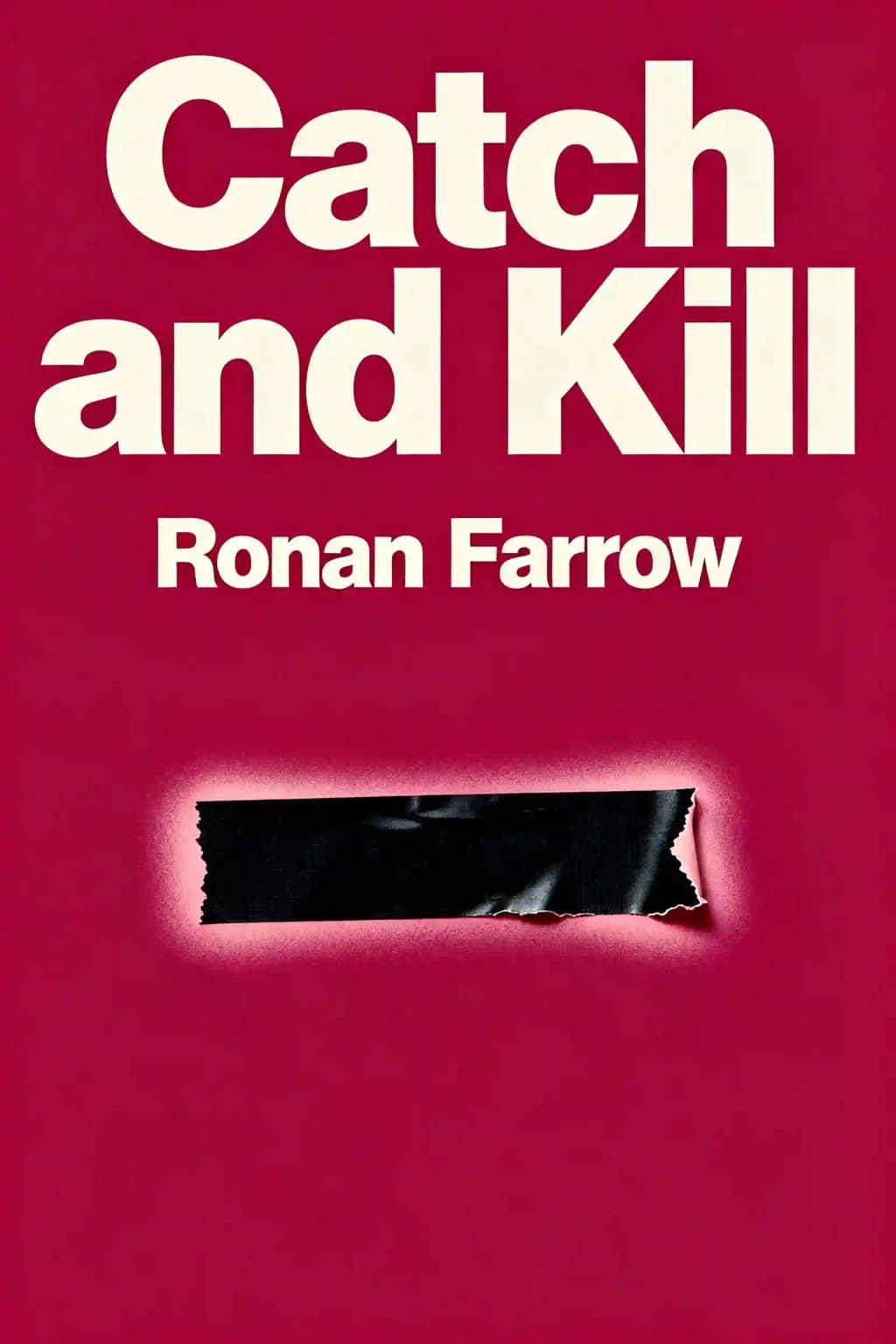
Catch and Kill
Lies, Spies, and a Conspiracy to Protect Predators
Overview of Catch and Kill
Ronan Farrow's explosive expose reveals how powerful predators silence victims through intimidation, espionage, and corporate complicity. The Pulitzer Prize-winning journalist uncovered the dark machinery protecting Harvey Weinstein and Matt Lauer, sparking global #MeToo conversations and proving that truth can ultimately outmaneuver even the most sophisticated cover-ups.

Key Themes in Catch and Kill
- investigative journalism
- institutional silencing
- sexual misconduct
- corporate surveillance
- media corruption
Quotes from Catch and Kill
Hollywood's most powerful man was untouchable until he wasn't.
Meryl Streep once jokingly called him "God."
"Everybody knew."
AMI operated at the edge of legality.
This was ongoing predatorial behavior towards women-whether they consented or not.
Characters in Catch and Kill
- Ronan FarrowInvestigative journalist and author of the book
- Harvey WeinsteinHollywood producer and subject of the investigation
- David PeckerCEO of AMI who utilized 'catch and kill' tactics
- Dylan HowardNational Enquirer editor who suppressed stories
- Karen McDougalFormer model whose story was silenced by AMI
About the Author
About the Author of Catch and Kill
Ronan Farrow, Pulitzer Prize-winning investigative journalist and bestselling author of Catch and Kill: Lies, Spies, and a Conspiracy to Protect Predators, is renowned for exposing systemic abuses of power.
The book, a gripping work of investigative nonfiction, delves into themes of sexual misconduct, media corruption, and institutional cover-ups, informed by Farrow’s firsthand experience as a New Yorker reporter and former U.S. State Department adviser.
A graduate of Yale Law School and Oxford University (where he earned a PhD as a Rhodes Scholar), Farrow has also authored War on Peace: The End of Diplomacy and the Decline of American Influence, a critical examination of U.S. foreign policy.
His groundbreaking reporting on Harvey Weinstein’s abuses, which sparked the #MeToo movement, earned him a Pulitzer Prize for Public Service and a National Magazine Award. Farrow’s work extends to HBO documentaries, including the Peabody-nominated Catch and Kill: The Podcast Tapes, adapted from his Pulitzer-winning investigation.
Translated into over 20 languages, Catch and Kill has been hailed as a “modern masterpiece of investigative journalism” by The New York Times.
Download Summary of Catch and Kill
Get the Catch and Kill summary as a free PDF or EPUB. Print it or read offline anytime.
FAQs About This Book
Catch and Kill chronicles Ronan Farrow’s Pulitzer Prize-winning investigation into Harvey Weinstein’s decades of sexual abuse, exposing how the Hollywood producer used legal threats, spies, and media collusion to silence survivors. The book reveals systemic failures at NBC News, Weinstein’s intimidation tactics, and the whistleblowers who risked their careers to share their stories. It blends investigative journalism with a spy thriller, detailing Farrow’s clashes with powerful institutions.
This book is essential for readers interested in investigative journalism, #MeToo-era accountability, or media ethics. It appeals to true crime enthusiasts, advocates for sexual assault survivors, and those studying institutional corruption. Farrow’s meticulous reporting and narrative style make it accessible for both casual readers and academics analyzing power dynamics in Hollywood and corporate America.
Yes—Catch and Kill offers a gripping, firsthand account of journalistic perseverance against corporate censorship. Its revelations about surveillance tactics, survivor testimonies, and high-stakes legal battles provide critical insights into systemic abuses of power. The book’s impact on public discourse about sexual harassment and media integrity makes it a landmark work in modern nonfiction.
Farrow documents how Weinstein exploited NDAs, paid settlements, and alliances with media figures and private investigators to suppress allegations. The book highlights complicity across industries, from Hollywood studios to news networks like NBC, which allegedly prioritized protecting Matt Lauer over pursuing Weinstein’s crimes. These systems shielded predators by discrediting victims and burying evidence.
Farrow grapples with balancing journalistic rigor against survivors’ safety, navigating legal threats from Weinstein’s team, and confronting institutional pressure from NBC to abandon the story. His ethical commitment to transparency contrasts with networks prioritizing reputation over truth, illustrating challenges faced by whistleblowers in high-stakes investigations.
Survivors describe internalized blame for not resisting Weinstein’s assaults sooner, despite recognizing his manipulation. Farrow contextualizes this guilt as a tool of oppression, showing how predators weaponize shame to silence victims. The book underscores the emotional toll on survivors fighting institutional indifference.
Weinstein hired ex-Mossad agents to surveil victims and journalists, using hidden cameras, fake identities, and leaked personal data. Farrow reveals how this “black ops” network stalked sources, intercepted communications, and planted false narratives to discredit accusers—a blueprint for silencing dissent.
The book catalyzed #MeToo by exposing Weinstein’s crimes and illustrating how systemic enablement allows abuse to thrive. Farrow’s work amplified survivor voices, inspiring broader accountability across industries and underscoring the importance of investigative journalism in social movements.
NBC disputed Farrow’s claims that executives killed his story to protect Matt Lauer, calling the reporting unverified. Critics argue Farrow oversimplifies internal editorial decisions, though the book provides emails and testimonies suggesting network conflicts of interest.
Both books detail exposing Weinstein but differ in focus:
- Catch and Kill emphasizes espionage and media corruption,
- She Said centers survivor advocacy and legal strategies.
Farrow’s narrative is more personal, while Kantor/Twohey highlight collaborative reporting—complementary perspectives on the same scandal.
The book remains a cautionary tale about unchecked power, media accountability, and resilience in whistleblowing. Its themes resonate amid ongoing debates about corporate transparency, survivor support systems, and ethical journalism in the digital age.
“The conspiracy to catch and kill journalism about Harvey Weinstein did not start with me.” —Farrow underscores systemic secrecy. “Guilt is the price of survival” —a survivor’s reflection on trauma. These lines encapsulate institutional betrayal and emotional resilience.





