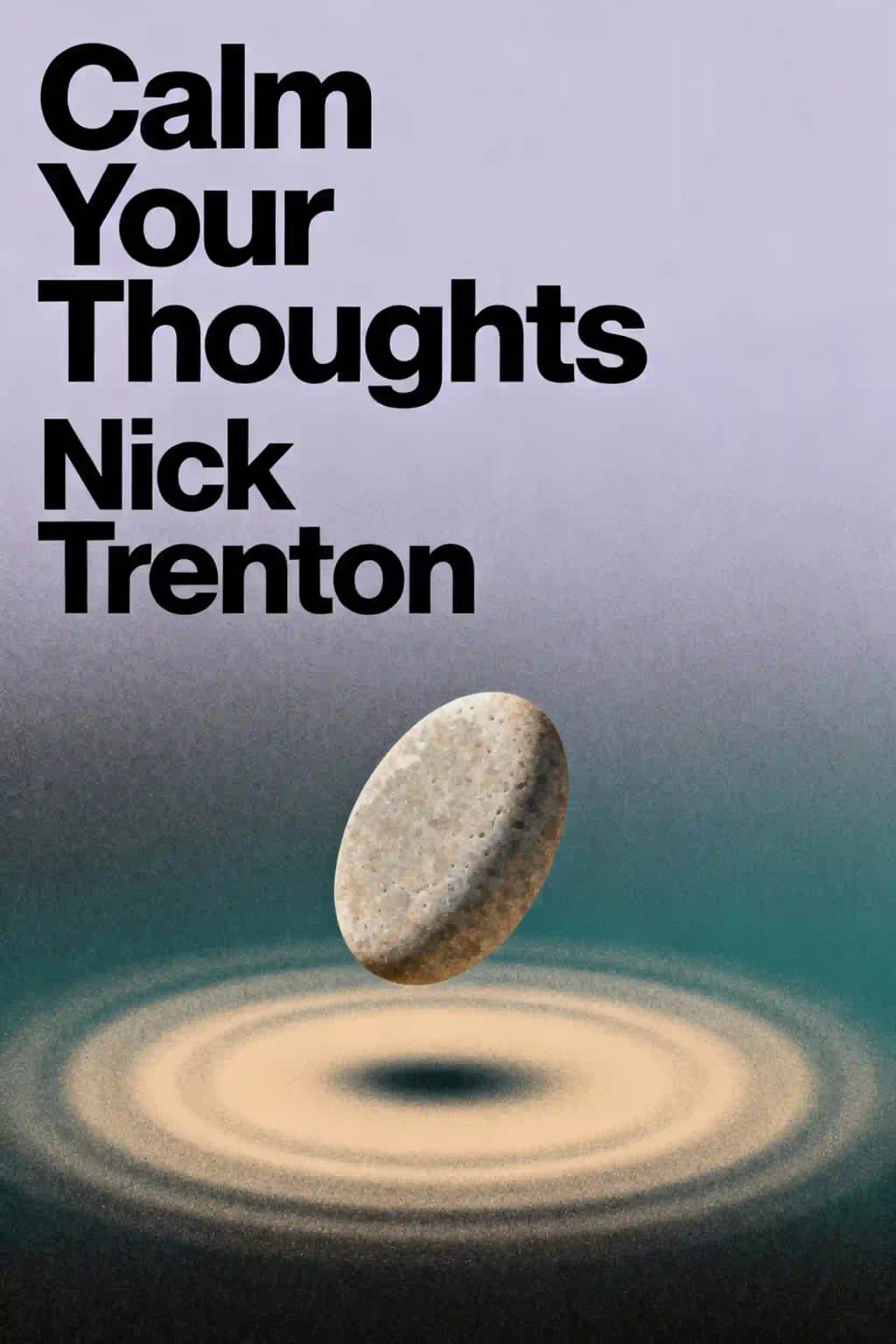
Silence your mental chaos with "Calm Your Thoughts" - the science-backed guide from behavioral psychologist Nick Trenton that transforms overthinking into clarity. Discover why top psychologists consider mental noise our greatest barrier to happiness, and learn practical CBT techniques that elite performers use daily.
Почувствуйте книгу через голос автора
Превратите знания в увлекательные, богатые примерами идеи
Захватите ключевые идеи мгновенно для быстрого обучения
Наслаждайтесь книгой в весёлой и увлекательной форме
True emotional resilience comes not from eliminating uncertainty but developing the capacity to face it without becoming overwhelmed - a skill that can be cultivated through consistent practice and professional support when needed.
Разбейте ключевые идеи Calm Your Thoughts на понятные тезисы, чтобы понять, как инновационные команды создают, сотрудничают и растут.
Выделите из Calm Your Thoughts быстрые подсказки для запоминания, подчёркивающие ключевые принципы открытости, командной работы и творческой устойчивости.

Погрузитесь в Calm Your Thoughts через яркие истории, превращающие уроки инноваций в запоминающиеся и применимые моменты.
Задавайте любые вопросы, выбирайте голос и совместно создавайте идеи, которые действительно находят у вас отклик.

Создано выпускниками Колумбийского университета в Сан-Франциско
"Instead of endless scrolling, I just hit play on BeFreed. It saves me so much time."
"I never knew where to start with nonfiction—BeFreed’s book lists turned into podcasts gave me a clear path."
"Perfect balance between learning and entertainment. Finished ‘Thinking, Fast and Slow’ on my commute this week."
"Crazy how much I learned while walking the dog. BeFreed = small habits → big gains."
"Reading used to feel like a chore. Now it’s just part of my lifestyle."
"Feels effortless compared to reading. I’ve finished 6 books this month already."
"BeFreed turned my guilty doomscrolling into something that feels productive and inspiring."
"BeFreed turned my commute into learning time. 20-min podcasts are perfect for finishing books I never had time for."
"BeFreed replaced my podcast queue. Imagine Spotify for books — that’s it. 🙌"
"It is great for me to learn something from the book without reading it."
"The themed book list podcasts help me connect ideas across authors—like a guided audio journey."
"Makes me feel smarter every time before going to work"
Создано выпускниками Колумбийского университета в Сан-Франциско

Получите резюме книги «Calm Your Thoughts» в формате PDF или EPUB бесплатно. Распечатайте или читайте офлайн в любое время.
Imagine waking up each morning to find your thoughts already racing-planning, worrying, analyzing-before your feet even touch the floor. This isn't a character flaw; it's your ancient brain doing exactly what it evolved to do. Our minds developed a powerful negativity bias that once helped our ancestors survive in hostile environments by spotting threats before they became fatal. Research shows our brains literally react more strongly to negative stimuli than positive ones-an electrical surge that's measurably more powerful when viewing threatening images versus pleasant ones. This evolutionary adaptation explains why we fixate on that one negative comment among dozens of compliments, or lie awake replaying embarrassing moments from years ago while forgetting countless positive experiences. Our threat detection system doesn't distinguish between a predator and a critical email-both trigger the same urgent response. Studies consistently show we need approximately five positive experiences to counterbalance a single negative one just to maintain emotional equilibrium. When faced with uncertainty-whether about relationships, health concerns, or work situations-our brains enter an analytical mode designed to resolve discomfort. We believe if we just think hard enough, we'll discover a solution that eliminates uncertainty. But this approach creates an endless loop where each "solution" spawns new uncertainties to analyze, leading to what psychologists call "analysis paralysis."