Глава 1
The Creative Entrepreneur's Manifesto: Your Path to Freedom and Success
In a world where 40% of the workforce will be self-employed by 2020, "Being Boss" stands as a guiding light for creative entrepreneurs navigating uncharted waters. This isn't your typical business book filled with get-rich-quick schemes or rigid formulas. Instead, authors Kathleen Shannon and Emily Thompson offer something far more valuable-a roadmap for building a fulfilling creative business while designing a life you love. The book has become a cult favorite among creative entrepreneurs, with its podcast counterpart consistently ranking in iTunes' top business shows. Even Brene Brown, renowned researcher and author, credits the Being Boss methodology with helping creative professionals "own their power" in business. What began as candid conversations between two business besties has evolved into a movement that's reshaping how creatives approach entrepreneurship-balancing structure with freedom, hustle with self-care, and ambition with authenticity.
Глава 2
From Corporate Conformity to Creative Freedom
Kathleen's journey from rule-following art director to entrepreneurial nonconformist began with an unlikely obsession-Mount Everest. While working at an advertising agency, she developed a fascination with the world's highest peak that eventually led her to make a life-changing decision. Rather than accepting her limited vacation time, she quit her job to trek to Everest Base Camp, a bold move that terrified her but ultimately changed everything.
Meanwhile, she had been unknowingly building her personal brand through blogging about her life and design work. Upon returning from her Himalayan adventure, she leveraged this audience to grow her wedding invitation design business. Starting with $300 projects, she quickly doubled her rates and replaced her corporate salary within a year.
What clients valued wasn't just her design skills but her strategic approach-a realization that eventually led her to launch Braid Creative with her sister. The studio specialized in weaving together clients' personality, voice, style, and expertise into cohesive brands that truly represented who they were.
Emily's path to entrepreneurship began much earlier-at eighteen, she purchased a tanning salon while still in college. Though Hurricane Katrina eventually impacted the business, forcing her to sell, the experience taught her valuable lessons about paperwork, contracts, customer education, and most importantly, the thrill of being her own boss.
After graduating with a geography degree, Emily faced the prospect of becoming what her professor called a "GIS weenie"-spending years in a cubicle converting paper maps to digital ones. Instead, she launched a handmade jewelry business on Etsy, which led to her discovering a passion for web design when building her own site. This evolved into her third business-creating websites for creative entrepreneurs-allowing her to support her family while her partner pursued graduate studies.
The authors connected online, reading each other's blogs and eventually having monthly Skype conversations where they shared business insights, systems, and even income details. Their candid discussions about creative entrepreneurship eventually evolved into the Being Boss podcast, which topped iTunes charts within weeks of launching. What appeared to be overnight success was actually the culmination of countless hours of hard work and authentic sharing.
Глава 3
Embracing Your Inner Boss
Being boss means "owning who you are, knowing what you want, and actually making it happen." It's about embracing your authentic self, developing your talents, and sharing them with the world without apology. A true boss takes ownership, stands up for their beliefs, takes risks, and creates meaningful impact even when the journey isn't easy.
The foundation of being boss consists of six interconnected themes: Mindset (confidence, motivation, tackling fear); Boundaries (rules that prevent overwhelm); Habits and Routines (how you get work done); Your Wolf Pack (supportive relationships); Your Work (dedication to craft); and Your Life (prioritizing connections and curiosity beyond work).
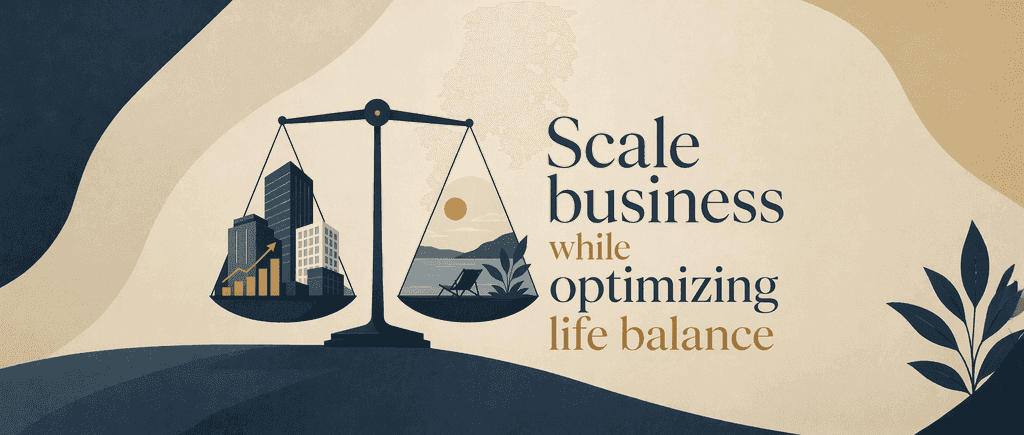
Contrary to popular belief, being boss isn't about working yourself to death. The authors reject the notion that success means sacrificing personal life for career advancement. Instead, they promote a self-defined balance between work and life that allows for thriving in both domains. Their ideal boss embraces the "work hard, play hard" philosophy, focusing on being a whole, curious person with purpose beyond earning money.
The core mantra "Do the work; be boss" encapsulates their fundamental principle of success. They define "doing the work" as everything between wanting and having-not glamorous achievements but the daily grind of consistent effort. This approach separates dreamers from doers, hobbyists from professionals, and ultimately leads to fulfillment even when results don't match initial plans.
Success requires both enjoying the process and trusting it will lead somewhere worthwhile, though the outcome may differ from your expectations. The authors offer no guarantees but only guidance that requires your commitment-a refreshing honesty in a world of empty promises.
Глава 4
Building Your Boss Mindset
The boss mindset begins with identifying your core values-the guiding principles that direct your life choices and help prioritize what's important. Values serve as a personal GPS system for navigating decisions, helping to identify what's out of alignment when tension arises.
Life coach Tammy Faulds distinguishes between strengths (natural talents in your DNA) and values (chosen principles that steer your life). She describes values as the steering wheel, strengths as the engine, and vision as the destination on life's journey. Living in accordance with your values creates flow and meaning, while straying from them can create discomfort.
To identify your personal values, the authors provide a seven-step process: First, create sacred time in a quiet space to connect mind and body. Second, circle values from a provided list that resonate deeply. Third, recall a moment when everything felt right and identify which values were present. Fourth, group similar values and determine which resonate more deeply. Fifth, narrow down to 5-10 core values. Sixth, test these values by asking if they'd matter without money concerns or if you'd fight to defend them. Finally, observe how these values appear in daily life before finalizing your list.
Even the most successful entrepreneurs experience "fraudy feelings"-that queasy sensation when someone asks what you do and you can't confidently claim your creative identity. Your inner critic disguises itself with seemingly helpful questions: "Do you have what it takes?" "Why can't you be more like her?" "What will everybody think?" Recognizing these thoughts as fear rather than truth is crucial to moving forward.
True confidence isn't about making others happy or having the last word-it's standing in your truth and claiming space even when circumstances feel shaky. It's owning who you are without apology, taking responsibility for victories and mistakes alike, and trusting yourself to figure out what's next. Like a muscle, confidence strengthens with practice as you learn to trust your strengths and work around weaknesses.
When insecurity creeps in, try imagining a conversation with someone you admire. Kathleen shares how she mentally invites Beyonce over for dinner, serving her whiskey and cheese while sharing her deepest concerns. By channeling her personal hero, she cultivates the confidence to show up as her full self, asking "What would Beyonce do?" then doing exactly that.
Being who you are means waking up daily and expressing your truth through your words, style, and actions. It means taking responsibility for your circumstances, having pride in your style, saying what you mean, sharing your stories, making your own rules, and being enthusiastic about what you like-regardless of whether others love or hate you for it.
Глава 5
Creating Boundaries That Protect What Matters
Most creatives struggle with not having enough time, energy, or money. The difference between those who succeed and those who spin their wheels comes down to healthy boundaries. Think of your boundaries as a fence around your garden-they help you focus your efforts in a concentrated area while keeping out unwanted pests.
To create effective boundaries, return to your core values and put them to work. Values alone are just ideas, but when used to guard your boundaries, they shape your life and define how you spend your time, energy, and money. Identify both your energy boosts (like sunshine, water, and fertilizer for your garden) and your energy drains (the pests you need to protect against).
Leave some white space in your garden for unexpected opportunities to grow wild. Emily blocks off one day each week-typically Thursday-as untouchable white space with no meetings, no deadlines, nothing scheduled. This boundary creates reliable space for her brain to wander freely and be playful, which has become essential for her happiness and creative process.
Your boundaries define how you make decisions and take action. When something aligns with your boundaries, it's an easy "yes." If not, it's a "no." Even tasks you dislike (like bookkeeping) become more tolerable when you see how they support your values and higher goals.
Physical boundaries are just as important as mental ones, especially when working from home. Establish a defined office or work area and create rituals that signal transitions-like lighting a candle when you begin work and blowing it out when you finish, closing your laptop and shutting your office door at day's end, or turning off phone notifications on weekends.
When creatives quit their day jobs, they often make one of two mistakes: either maintaining their old work boundaries or abandoning all boundaries entirely. The first leads to feeling constrained by arbitrary rules that no longer serve them-clocking in at set times, working through lunch, avoiding what feels enjoyable because it doesn't seem like "real work." The second results in oversleeping, indecision, and mounting bills with dissipating creativity.
At every milestone in your journey, you must reassess your boundaries to support your evolving goals. Setting appropriate boundaries is the first active step in embracing being your own boss.
Email management exemplifies the importance of boundaries-constantly checking your inbox sets you up to react to others' needs rather than being proactive with your own priorities. Though it might feel impossible at first, limiting email checks to once daily can dramatically increase productivity. Those who email you will eventually respect your boundaries and adjust their expectations.
Business coach Jenny Shih advocates defining "success on your terms"-declaring what you want professionally while identifying what you're not willing to sacrifice to achieve it. Success metrics can include professional accolades, income targets, or impact measurements, but YOU must define them. Your "terms" are the non-negotiable aspects of life you refuse to compromise, whether that's sleep, health, family time, or personal freedom.
Глава 6
Building Habits and Routines That Support Success
Being boss is a daily practice that shapes your entire life-from the moment you wake up until you call it a night. Your mindset and actions constantly work together to move you toward your goals. Habits and routines are the behaviors that lead you to success, and when practiced until automatic, they help you work more efficiently without overthinking every step.
How you start your morning sets the tone for your entire day. An effective morning routine provides the structure creative entrepreneurs crave to avoid feeling lazy or uncertain, marrying artistic lifestyle with entrepreneurial discipline. Most creatives desire mornings fueled by creativity-waking naturally in pleasant surroundings, enjoying coffee mindfully, moving their bodies through yoga or walking, preparing a nourishing breakfast, and finding time for inspiration through reading or writing.
Your body, mind, and soul are your business's most important assets. What we often call "self-care" is actually basic health care-eating nutritious meals, getting adequate sleep, and moving your body daily aren't luxuries but necessities for optimal performance. When you don't feel well, you won't work well.
Health coach Amy Kuretsky distinguishes between health care (what keeps you alive) and self-care (what allows you to truly live). When you consume quality inputs-nutritious food, positive support, inspiring ideas-you create better outputs and attract dream clients. Her non-negotiables: never sacrifice sleep for work, and move your body daily to keep creativity flowing.
Despite the creative world's glorification of sleep sacrifice, experts recommend eight hours nightly to function at your peak. Create better sleep habits by setting a bedtime alarm, limiting screen time an hour before bed, avoiding business reading before sleep, waking at consistent times (even weekends), and establishing a calming nighttime routine.
When you're self-employed, you alone hold yourself accountable. The most successful bosses regularly set goals that define success and create their desired reality. Effective goals must be specific (precisely defined), measurable (quantifiable progress), actionable (breakable into steps), rewarding (enjoyable process), and timed (with deadlines to create urgency).
Kathleen developed the Chalkboard Method when she launched Braid Creative and had zero clients. Following her coach's advice to "create space," she drew ten empty lines on her office chalkboard to fill with client names, plus a mantra: "I am attracting dream customers with cash." Within two weeks, all spots were filled. While seemingly magical, the method works by organizing the mind toward action and creating accountability.
Setting intentions is another powerful boss habit-purposefully bringing conscious attention to how you want to move through life. Whether it's approaching a busy day with an intention of "efficiency" or adopting monthly intentions like "discipline" during busy periods, intentions shape your reality.
Rituals are routines elevated to a meaningful level-they return your full attention to what you're doing, grounding you in the present moment beyond your to-do lists. Unlike habits done without thinking, rituals demand presence. Many creatives ritualize morning writing with specific elements (same cup, chair, pen) to make the experience sacred. You can ritualize any part of your process to give it more energy and focus.
Глава 7
Doing the Work That Makes You Money
Making money doing what you love is possible-and it starts with a simple business plan. Write down how much money you want to net this year (after expenses and taxes), list your revenue streams, define your job title and duties, identify where you need help, write your mission to guide decision-making, and list how you want to feel along the way.
Successful creative entrepreneurs balance two mindsets: being a farmer and being a hunter. Farmers wake up early, get their hands dirty, and plant seeds, protecting and nurturing their land for months before harvesting. This means building your brand, being a student of your craft, nurturing relationships, and sharing expertise. Hunters actively pursue opportunities: making phone calls, sending emails, and explicitly telling people how to hire you-approaching this pursuit not with desperation but with confidence.
Your personal brand is far more than just logos and colors-it's how you communicate who you are before explaining what you do. It sets expectations, makes promises, and helps potential clients understand your value. Even if you resist the idea of personal branding, all brands are ultimately personal. Your values will inevitably shape how you run your business, regardless of whether you use your name or face in your marketing.
Content creation is essential "farming" for your business-planting seeds today that will harvest months or years later. Whether through blogs, newsletters, books, podcasts, videos, or social media, consistently sharing valuable content establishes your expertise and attracts dream clients. Kathleen discovered that sharing knowledge openly-even when it felt risky-actually attracted more clients and higher rates.
You find your voice by using it consistently, even when it feels uncomfortable. Everyone cringes at their early work, but you won't improve without practice. Try writing "What I really want to tell you is..." to break through blocks, create content for just one specific person, read your writing aloud to ensure authenticity, and incorporate honest personal stories.
Consistently showing up with the same brand elements, voice, and delivery schedule builds trust with potential customers. When people repeatedly hear you using the same language and see cohesive visuals across platforms, they begin to view you as legitimate and trustworthy.
Your skills are tools, not necessarily products to sell. Just because you can do something doesn't mean you need to monetize it. Instead, focus on the expertise you want to be known for and how your various skills support your larger purpose.
Reaching goals and finding success come down to simple math. Essential numbers to know include: how many hours you want to work versus actually work, how much money you make, how much you need to survive and thrive, your production costs, and your capacity given your desired work hours.
Even seasoned entrepreneurs face money anxiety, so adopting helpful mantras can help you master your bottom line. Think of money as energy-a social construct that measures value exchange. By reframing your money beliefs, you can collect and spend without negative emotions attached.
Глава 8
Cultivating Partnerships and Protecting Your Work
At some point, you'll become someone's boss-either as an employer or as a leader in your field. Lead by glorious example: be punctual, never consider yourself above any task, practice what you preach, clearly communicate expectations, pay fair wages, check in regularly with employees, and express gratitude for others' efforts.
Partnership isn't for everyone-many creatives thrive building solo dreams. Consider collaboration when you want to create something bigger than yourself. A good partnership allows you to tend to half your garden while knowing the other half receives equal care, enabling you to grow something much larger with more focused attention.
Rather than creating complex non-compete clauses, Kathleen and Emily included a "Be a Good Person" clause in their operating agreement: "Each member promises to be a good person. 'Good person' means: if something feels funny we have a conversation about it, if we mess up we won't sue each other but we could apologize. We won't say no if Oprah calls, we'll be happy for each other. (But we'll try to get each other on the Oprah show too.)"
Legal protection is essential for creative entrepreneurs. Contracts are the most important legal protection for creative businesses, with five key elements: detailed service/product descriptions, itemized costs with payment deadlines, clear refund policies, termination terms, and intellectual property ownership rights.
Regular communication about values, intentions, and boundaries prevents resentment and keeps everyone aligned toward shared goals. Before entering any partnership, discuss roles, expectations, conflict resolution, money division, intellectual property rights, communication styles, and contingency plans. If these conversations feel too awkward or become heated, reconsider the partnership-you might be friends but not good business partners.
A business bestie isn't necessarily a partner but someone with matching work ethic and drive who provides mutual support. Your business bestie is someone you can openly discuss money goals (breaking the taboo of talking numbers), share monthly intentions and insights, exchange business strategies, and confide in about both struggles and victories.
Глава 9
Living a Life Beyond Your Business
Being a workaholic isn't admirable, even when you're passionate about your work. The goal isn't just making a paycheck doing what you love-it's creating a life worth living. Apply the same tenacity to life outside work as you do to your creative endeavors.
Your body physically regenerates every seven years-your skeleton every decade, skin every few weeks, and some cells daily. This physical renewal mirrors the opportunity to consciously choose who you want to become. Consider who you want to be in the next seven years-what you want to learn, achieve, and how you'll handle challenges. That transformation begins today with daily choices.
Life hustle encompasses everything you work for-from vacations and dream homes to Saturday morning grocery shopping and children's activities. Living fully requires as much focus, dedication, boundaries and routines as work does, but for fulfillment rather than money.
Whether planning an epic vacation or maternity leave, you can keep your business running smoothly in your absence. Create and schedule content in advance, set up auto-responders for your email, wrap up projects before you leave, budget for the income pause, notify clients of your hiatus, and consider staffing up so someone can hold down the fort while you're away.
Growing a business and growing a family aren't mutually exclusive. Both require adaptability when plans change, dealing with feelings of inadequacy, recognizing that multitasking is ineffective, and accepting that neither is always fun despite curated social media suggesting otherwise. The key is making childcare decisions based on your unique situation and resources, not guilt or others' expectations.
Self-care isn't just trendy-it's essential for maintaining your most valuable asset: yourself. Reject the glorification of overwork and schedule regular self-care appointments, treating them like important meetings. Options range from free activities like hugging loved ones and walking barefoot in grass to splurges like massages, first-class upgrades, and subscription boxes.
Since we're influenced by the five people we spend the most time with, it's crucial to surround yourself with those who challenge and support your best self. Finding new friends as an adult takes effort-join professional associations, take classes, invite admired acquaintances for coffee, leave your home office occasionally, and engage meaningfully online.
The most successful entrepreneurs share a common trait beyond work ethic and routines-an insatiable appetite for growth and learning. Being a student of life means approaching each day with curiosity, remaining open to lessons from books, conversations, and experiences.
Being boss is a lifelong commitment that requires actually implementing the mindset, habits, boundaries and tactics in this book. Confidence builds with practice as you collect evidence that you can succeed. The entrepreneurial path never ends-even for the authors, who still have big dreams while focusing on doing the daily work and making time for rest. Do the work. Be boss.