Глава 1
The Invisible Bonds That Shape Our Lives
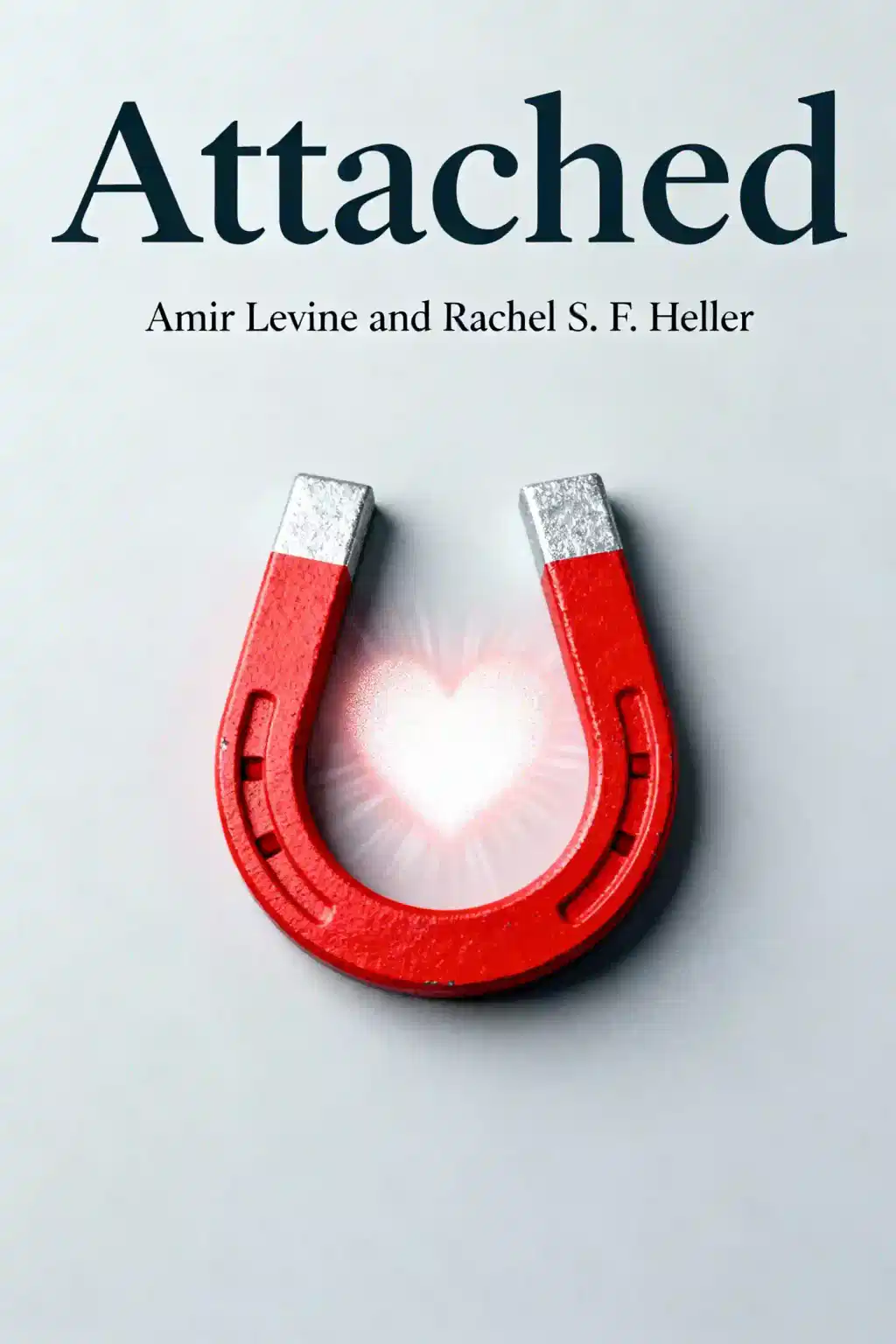
Imagine discovering that your earliest relationship-the one with your mother-has silently orchestrated much of your adult life. This revelation lies at the heart of attachment theory, one of psychology's most profound and validated frameworks. When Oprah Winfrey featured attachment theory on her show in the 1990s, viewers flooded therapists' offices nationwide, suddenly recognizing patterns in their relationships that had remained invisible for decades. The theory has influenced everything from hospital policies to custody decisions, yet many still don't understand its revolutionary implications. Robert Karen's "Becoming Attached" offers a compelling journey through this science of love, tracing how our first bonds create templates that echo through our entire lives. As developmental researcher Alan Sroufe noted, "If there's one thing I've learned from 30 years studying children, it's that what happens in the first two years matters for a very long time."
Глава 2
The Devastating Reality of Maternal Deprivation
In the early 20th century, the medical establishment considered children's emotional needs largely irrelevant. Despite observations dating back to 1760 that institutionalized children often "died from sadness," physicians dismissed such concerns as sentimental. Antisepsis concerns led to sterile emotional conditions with minimal handling of babies, while hospital policies frequently separated children from parents during illness, sometimes for over a year.
The consequences were devastating. Institutions prioritizing antiseptic conditions over human contact reported infant mortality rates of 31-75% by the second year. Even in improved facilities, 10% of infants died from "hospitalism" or "failure to thrive," conditions accompanied by depression-like symptoms. In 1942, pediatrician Harry Bakwin questioned why hospitalized infants failed to gain weight, slept poorly, rarely smiled, and suffered persistent infections despite excellent medical care.
Children who survived institutional care showed alarming developmental patterns. Psychologist Bill Goldfarb found that institutionalized three-year-olds had a mean IQ of 68 (mildly retarded), while matched children in foster care averaged 96. These children weren't brain damaged but victims of emotional deprivation. When Harold Skeels placed thirteen severely deprived institutionalized toddlers with older "feeble-minded" girls who gave them affection, their average IQs rose from 64 to 92 over nineteen months-proving that even limited but loving care could reverse intellectual deterioration.
Rene Spitz's 1947 silent film "Grief: A Peril in Infancy" finally made this suffering visible. It documented babies in a Mexican foundling home who received excellent physical care but minimal emotional attention. The film showed Jane, a happy baby, transformed within a week of maternal separation into a depressed, searching, inconsolable child. Other babies appeared emaciated with bizarre movements, some looking like concentration camp victims. The contrast with thriving babies in a prison nursery, who had regular access to their mothers, was stark. The film's emotional impact was "catastrophic" for viewers, with one prominent analyst approaching Spitz with tears asking, "How could you do this to us?"
These early studies revealed that children deprived of maternal care showed remarkably consistent patterns: superficial relationships, emotional poverty, inaccessibility, deceitfulness, theft, and inability to concentrate. The evidence was clear-children needed not just physical care but emotional connection to develop normally.
Глава 3
John Bowlby: Revolutionizing Our Understanding of Love
Born in 1907 to a prominent surgeon and raised in the emotionally distant British upper-class tradition, John Bowlby seemed an unlikely revolutionary. His parents remained utterly apart from their children, delegating care to nannies. The children ate separately until age twelve, when they were permitted to join parents for dessert. At eight, Bowlby was sent to boarding school-an experience he later told his wife he "wouldn't send a dog to."
Despite this conventional upbringing-or perhaps because of it-Bowlby became fascinated with the emotional lives of troubled children. After working at progressive schools and training as a psychoanalyst, he began studying young thieves at the London Child Guidance Clinic. There he made a striking discovery: of forty-four juvenile thieves, fourteen were classified as "affectionless," and twelve of these had suffered prolonged, early separations from their mothers.
These "affectionless thieves" stole compulsively but often pointlessly. Albert stole a bicycle despite having one; Charles took baking powder and his father's razors; Roy stole toys and rabbits which he killed. None could explain why they stole or recognize the harm done. Bowlby argued that children separated from their mothers craved not only love but symbols of love, typically stealing milk, food, or money to buy food-things associated with maternal gratification.
This research led Bowlby to challenge fundamental psychoanalytic beliefs. While Freud and his followers believed children loved their mothers simply because they provided food (the "cupboard-love" theory), Bowlby argued that attachment was a primary biological need, not secondary to feeding. Drawing on ethology-the study of animal behavior-he found compelling evidence in Konrad Lorenz's work on imprinting, where ducklings attach to the first moving object they see after hatching regardless of feeding.
In 1951, Bowlby produced his landmark World Health Organization report, "Maternal Care and Mental Health," arguing that the mother-infant relationship was not merely a pleasant amenity but an absolute necessity. Using medical metaphors, he compared maternal deprivation to "consumption of tubercular-infected milk"-something no one would intentionally expose a child to. The report had enormous impact on public policy worldwide, particularly in adoption, social work, and hospital practices. The paperback abridgment, "Child Care and the Growth of Love," became an international bestseller with half a million sales.
Bowlby's revolutionary insight was that humans, like other mammals, are born with innate behaviors designed to maintain proximity to caregivers. Sucking, clinging, following, crying, and smiling are all part of the child's instinctual repertoire designed to keep the mother close by. This biological foundation of attachment would transform our understanding of human relationships.
Глава 4
The Strange Situation: Revealing the Patterns of Attachment
While Bowlby provided the theoretical framework, it was Mary Ainsworth who developed the empirical methods to study attachment. After conducting pioneering research in Uganda observing mother-infant interactions in natural settings, Ainsworth moved to Baltimore where she created the "Strange Situation"-a twenty-minute laboratory procedure that would become the most widely used assessment in developmental psychology history.
The Strange Situation involved a series of episodes: mother and baby together in an unfamiliar room with toys, introduction of a stranger, mother's departure, baby alone, stranger's return, and finally mother's reunion. Through this procedure, Ainsworth identified three distinct attachment patterns:
Securely attached babies (about 65% of middle-class American infants) explored freely with mother present, showed wariness when the stranger arrived, became distressed during separation, and greeted their mothers warmly upon reunion, seeking and receiving comfort.
Anxiously attached babies fell into two categories. "Ambivalent" or "resistant" babies (10-15%) became extremely distressed during separation but showed conflicting behaviors upon reunion-desperately seeking contact while simultaneously resisting comfort through kicking, arching away, and inconsolable crying.
Most surprising were "avoidant" babies (20-25%) who appeared untroubled by separation and, upon reunion, subtly avoided eye contact and physical connection with their mothers while maintaining a superficial calm. Though they seemed like "psychologist's dream babies"-competent and unperturbed-their apparent indifference masked deep distress. Physiological measurements showed their heart rates spiked dramatically during separations, revealing they were experiencing significant stress while appearing calm.
Ainsworth's genius was connecting these attachment patterns to specific maternal behaviors observed during seventy-two hours of home visits. Mothers of securely attached children were significantly more responsive to their infants' signals-quicker to pick them up when crying, holding them longer with more pleasure, and rating higher in sensitivity, acceptance, cooperation, and emotional accessibility.
Mothers of avoidant children were substantially more rejecting, showing less emotional expression, less affection when holding their babies, and more physical roughness. Many seemed to have an aversion to physical warmth, resulting in babies who didn't cuddle or cling.
Mothers of ambivalent children were inconsistently responsive-sometimes attentive but often out of sync with their babies' needs, creating a sense of unpredictability that led to clingy, anxious behavior.
Contrary to prevailing advice that warned against picking up crying babies, Ainsworth found that mothers who responded quickly and warmly to their babies' cries had infants who cried less by age one, using gestures and vocalizations instead. Her research conclusively disproved the notion that parents shouldn't "reinforce" crying by responding to it.
Глава 5
The Long Shadow: How Early Attachment Shapes Development
Alan Sroufe's landmark Minnesota studies, spanning multiple decades, meticulously tracked children from infancy through adolescence, providing compelling evidence of how early attachment patterns fundamentally shape personality development and social relationships. By age two, securely attached children demonstrated remarkable advantages across multiple domains: they exhibited sophisticated emotional regulation, showed greater resilience in facing challenges, maintained sustained attention during difficult tasks, and engaged in more complex symbolic play that demonstrated advanced cognitive development.
The comprehensive preschool study, which closely observed forty children in a specially designed campus nursery school environment over fifteen to twenty weeks, revealed striking differences across various contexts - from structured learning activities to free play periods and conflict situations. Children with secure attachment histories consistently demonstrated superior outcomes in multiple areas: they showed greater ego resiliency when facing challenges, maintained healthier self-esteem even after setbacks, and displayed age-appropriate independence while still seeking help when needed. Their social competence was particularly noteworthy - they not only formed more numerous friendships but maintained more stable and reciprocal relationships. These children demonstrated sophisticated conflict resolution skills, often serving as mediators in peer disputes.
The longitudinal data through preadolescence revealed even more profound differences. While 76% of secure children developed stable friendships, only 45% of anxiously attached peers achieved similar success. Moreover, the quality of these friendships differed significantly - secure children formed deeper, more trusting relationships characterized by mutual support and emotional sharing. Social groups demonstrated a remarkable self-sorting effect, with secure children naturally gravitating toward other secure peers, creating stable and supportive social networks.
Gender differences in attachment manifestation became increasingly apparent: avoidant boys frequently exhibited externalizing behaviors - from subtle classroom disruption to overt bullying and chronic lying. Ambivalent boys, conversely, showed marked social withdrawal, often becoming invisible in social settings. Avoidant girls typically internalized their distress, developing symptoms of depression, social anxiety, and chronic shame, rather than acting out behaviorally.
The study revealed disturbing patterns of victimization among anxiously attached children. In all five documented cases where avoidant children interacted regularly with other anxiously attached peers, consistent victimization emerged. Secure children demonstrated remarkable resilience in these situations - either successfully transforming potentially toxic relationships through positive modeling or wisely disengaging when improvement seemed unlikely. Most concerning were the self-defeating behaviors of anxious children who became victims, often unconsciously recreating familiar patterns of rejection and emotional unavailability learned from their primary caregivers.
Perhaps the study's most significant finding concerned the unconscious responses different attachment patterns elicited from teachers. Educators consistently showed warmth and appropriate boundaries with secure children, became overly indulgent with clingy ambivalent children, and displayed controlling or punitive responses to avoidant children - despite both anxious groups having similar underlying needs. This pattern suggested that early attachment experiences create interpersonal templates that elicit specific responses from others, perpetuating cycles that can persist across different social contexts and relationships throughout development.
Глава 6
Internal Working Models: The Mental Maps of Attachment
To explain why attachment patterns persist over time, Bowlby introduced the concept of "internal working models"-mental representations of ourselves and others that guide our expectations and behaviors in relationships. These models develop through the child's active exploration of relationships-through sucking, clinging, following, smiling, crying, and seeking comfort. Like an internal GPS system, these models help children navigate their social world by creating expectations about how others will respond to their needs and how worthy they are of care and attention.
Unlike purely cognitive schemas, attachment models become distorted when emotions like love, hate, anguish and shame enter the picture, especially when memories are repressed and defenses develop. For example, a child who experiences repeated rejection may develop a working model that views others as unreliable and themselves as unworthy of love. These distortions can be particularly pronounced in anxious children, whose models become rigid and difficult to update, often functioning as self-fulfilling prophecies. A child expecting rejection might behave defensively or desperately, inadvertently pushing others away and confirming their negative expectations.
Mary Main, one of Ainsworth's most creative students, revolutionized the field by extending this concept to adults through her Adult Attachment Interview (AAI). This sophisticated interview protocol revealed that adults' attachment patterns directly paralleled Ainsworth's childhood categories and strongly predicted their children's attachment security, demonstrating the powerful intergenerational impact of these working models.
"Secure-autonomous" adults presented believable pictures of their parents with fresh, vivid language, could be objective about both positive and negative qualities, and communicated clearly about attachment themes. They could discuss difficult childhood experiences while maintaining perspective and emotional balance. Their children were typically securely attached, benefiting from their parents' coherent understanding of relationships.
"Dismissing of attachment" adults answered guardedly with notably poor childhood recall, described parents in idealized terms that contradicted negative memories they reluctantly revealed, and systematically played down early hurts. They often claimed perfect childhoods while struggling to provide specific positive memories. Their children were typically avoidantly attached, learning to suppress their own attachment needs.
"Preoccupied with early attachments" adults seemed flooded by unresolved childhood feelings, expressing anger and hurt as if still freshly wounded, and lacking coherence or perspective on their relationship difficulties. Their narratives often wandered into long, emotionally charged tangents about past injuries. Their children were typically ambivalently attached, developing hyperactivated attachment systems.
Main also identified a fourth group who had suffered profound early loss or trauma they couldn't integrate; their AAI narratives showed marked lapses in reasoning or discourse when discussing traumatic experiences. Their children showed the most distressed, disorganized attachments, lacking consistent strategies for managing stress and seeking comfort.
Large-scale studies across multiple countries have confirmed that parents' attachment patterns strongly predict their infants' Strange Situation classifications, with about 75% accuracy even before birth. This remarkable intergenerational transmission occurs not because of genetic inheritance but because parents' internal working models shape how they respond to their children's attachment needs. A parent's own unresolved attachment issues can lead to inconsistent or frightening behavior that shapes their child's developing attachment system.
Глава 7
Nature vs. Nurture: The Temperament Debate
In the 1950s, psychologist Stella Chess challenged the assumption that children's problems stemmed solely from mothers. She observed that children bring innate qualities that interact with care and environment to produce personality characteristics.
Chess and her husband Alexander Thomas began the New York Longitudinal Study to determine how infant temperament might contribute to later clinical problems. They identified nine temperamental variables and created four broad categories: "difficult babies" (10%), "slow to warm up" (15%), "easy babies" (40%), and mixed temperament (35%).
The "difficult" children slept irregularly, were hard to train regardless of techniques used, reacted to frustration with violent tantrums, and were slow to adapt to new situations. Chess found that these children were more likely to push their parents' emotional buttons, requiring exceptional patience and consistency that few parents could maintain across all situations.
The surge in genetic research during the 1970s and 1980s seemed to offer a stunning refutation of many attachment theory assumptions. Studies of identical twins separated at birth revealed remarkable similarities despite different upbringings. Thomas Bouchard's University of Minnesota research examining over 120 pairs of separated identical twins found that qualities like imagination, leadership, curiosity, and vulnerability to stress all appeared strongly heritable.
Jerome Kagan, once an environmentalist who strongly supported maternal influence theories, became a leading proponent of genetic determinism. In 1978, he began studying children representing 15-20 percent of the population who displayed fretfulness, anxiety, and inhibition. As early as two months, these infants were easily hyperaroused, cried in the presence of novel stimulation, and were difficult to soothe. In longitudinal studies, Kagan found these shy, timid children remained reluctant to interact with others as toddlers and retained their anxious profile into adolescence.
The temperament-attachment debates focused particularly on avoidant babies. Kagan insisted many children classified as avoidant appeared indifferent to their mothers not because of relationship problems but because they were constitutionally less fearful. Sroufe countered that these children only looked calm in the Strange Situation; at home they were as clingy and tantrum-prone as those classified ambivalent.
Dymphna van den Boom's groundbreaking study resolved much of this debate by focusing on 100 highly irritable babies from low-income families. She divided them into two groups-one where mothers received brief intervention to enhance sensitivity, and a control group. The results were striking: 68% of irritable babies whose mothers received intervention developed secure attachments, compared to just 28% in the control group. This definitively showed that quality of care significantly influenced attachment outcomes, even with temperamentally difficult babies.
Глава 8
Attachment in Adulthood: Love, Work, and Relationships
Attachment patterns established in infancy continue to shape our relationships throughout life, influencing everything from romantic partnerships to workplace dynamics. In 1970, Bowlby articulated that humans of all ages thrive when confident that trusted persons will come to their aid should difficulties arise. This "secure base" function gradually shifts from parents to other figures, eventually resting fully on one's mate, though it may also extend to close friends and mentors who provide emotional support during challenging times.
Studies showed that self-reliance and healthy dependence are inextricably linked-even highly self-reliant individuals like astronauts, mountain climbers, and emergency responders were "comfortable when dependence on others is required." This finding challenges the common misconception that independence and dependence are opposing traits. Emotionally healthy young people who were both self-reliant and able to rely on others typically had loving parents who provided complete security while encouraging autonomy. These parents struck a delicate balance between being available when needed and allowing their children to develop independence.
Roger Kobak's extensive research using the Adult Attachment Interview with teenagers revealed compelling patterns. Secure teens-those who spoke coherently and openly about their experiences with parents-handled conflicts better with both mother and father. They demonstrated sophisticated conflict resolution skills, including being more assertive without becoming aggressive, maintaining active listening skills during disagreements, and showing less dysfunctional anger. These teens made notably easier transitions to college life, with peers consistently rating them as more "ego resilient"-better able to cope with stress, maintain effective study habits, and balance academic responsibilities with social activities.
In contrast, dismissing freshmen who downplayed attachment were seen by peers as "more hostile, condescending, distant," often struggling to form meaningful connections. Preoccupied students appeared "anxious, introspective, ruminative," frequently overwhelming potential friendships with their intense emotional needs and constant need for reassurance.
Hazan and Shaver's groundbreaking 1985 "love quiz" revolutionized our understanding of adult attachment styles. Their research revealed secure adults (roughly 55% of the population) were significantly happier in relationships, viewed their partners as trusted friends, and maintained longer-lasting relationships. Avoidant types (approximately 25%) consistently feared emotional intimacy and experienced dramatic emotional volatility, while ambivalent types (20%) reported intense roller-coaster romances characterized by obsessive involvement and chronic uncertainty about their partner's feelings.
Anxious attachment in adults manifests in two distinct patterns with specific behavioral indicators. The avoidant type becomes addicted to work, power, or achievement, often rising to high professional positions while maintaining emotional distance in personal relationships. The ambivalent type becomes addicted to people, developing codependent relationships and experiencing intense separation anxiety. Both patterns mask profound loneliness that often emerges in surprising ways, as when seemingly successful individuals sabotage themselves through destructive passionate attachments or serial relationships.
Despite conscious desires for different relationships, many adults find themselves repeatedly drawn into situations that mirror their early attachment experiences. This "repetition compulsion" represents our unconscious preference for the familiar, no matter how painful or dysfunctional. Many find romantic excitement specifically in partners who display qualities of rejecting or inconsistent parents, unable to process childhood losses and becoming fixated on recreating these painful dynamics in hopes of achieving a different outcome. This pattern often persists until addressed through therapy or conscious intervention.
Глава 9
Breaking the Cycle: Healing Insecure Attachment
The key quality of secure-autonomous adults isn't that they had secure attachments with parents, but that they developed an open, coherent way of reflecting on their attachments. They've worked through wounds rather than remaining cut off from feelings or embroiled in hurt and blame.
Some transcended difficult childhoods through alternative relationships-kind relatives, friends' parents, or interested teachers who provided different models of care. One father recalled his grandfather bringing him an extra blanket on a cold night: "Nobody had ever done anything like that for me before, and, at that moment, I realized that not everybody was alike."
For many children without alternative models, the path is more difficult. Some subjects attributed their change to psychotherapy, which can provide a new model of closeness, teach reflection on feelings and patterns, compensate for missing nurturing experiences, and create a safe haven where shame no longer prevents self-exploration.
Close relationships with spouses can also facilitate transformation. The preoccupied wife who expects abandonment may gradually build trust through her husband's steadfastness, allowing her to reflect on past relationships without panic.
Peter Fonagy found that the most important quality distinguishing secure from anxious adults is their capacity to understand what motivates themselves and others. This reflective ability isn't related to education, intelligence, socioeconomic status, or ethnicity. Secure adults recognize their own inner conflicts and understand their parents' behaviors, while anxious adults offer explanations that are platitudinous, self-deceptive, or self-serving.
Insecurely attached children often alienate potential helpers through their difficult behaviors-whether aggressive or cloying, puffed up or easily deflated-eliciting reactions that confirm their distorted worldview. Teachers can be trained to break through these defenses, as with "Eddie," a hostile four-year-old showing signs of incipient sociopathy. When teachers remained patiently available despite provocations, prevented hostile behavior, stayed with him during necessary separations from other children, and explicitly disconfirmed his feelings of low self-worth, Eddie formed a strong attachment to a teacher and made remarkable progress.
The tragedy is that anxious attachment generates behaviors that not only disappoint parents but "push their buttons," activating disturbed aspects of their own psychology. Parents often misinterpret these behaviors as rejection, when in fact, virtually all children-even abused ones-love their parents deeply. This love may become increasingly difficult to access but remains "hidden like a burning sun."





![[attached-by-amir-levine:c0000] Attached p1-1](/_next/image?url=https%3A%2F%2Fd1y2du6z1jfm9e.cloudfront.net%2Fassets%2Fpodcast%2Fyellow.png&w=1024&q=50)
![[attached-by-amir-levine:c0001] Attached p1-1](/_next/image?url=https%3A%2F%2Fd1y2du6z1jfm9e.cloudfront.net%2Fassets%2Fpodcast%2Fblue.png&w=1024&q=50)
![[attached-by-amir-levine:c0003] Attached p1-1](/_next/image?url=https%3A%2F%2Fd1y2du6z1jfm9e.cloudfront.net%2Fassets%2Fpodcast%2Fgreen.png&w=1024&q=50)