Winning Arguments: The Art of Persuasion and Rhetoric
Master the Art of Persuasion with Winning Arguments. Learn why logic alone fails and how to use Aristotle's Ethos, Pathos, and Logos to win any debate.
Melhor citação de Winning Arguments: The Art of Persuasion and Rhetoric
La logica, da sola, è l'aspetto più fragile di ogni dibattito: se vuoi davvero vincere un confronto verbale, devi smettere di pensare che avere ragione sia sufficiente.
Generated by Freedee_3516DC41
Come usare la logica e l'argomentazione per discutere in modo efficace e vincere un confronto verbale.






Perguntas frequentes
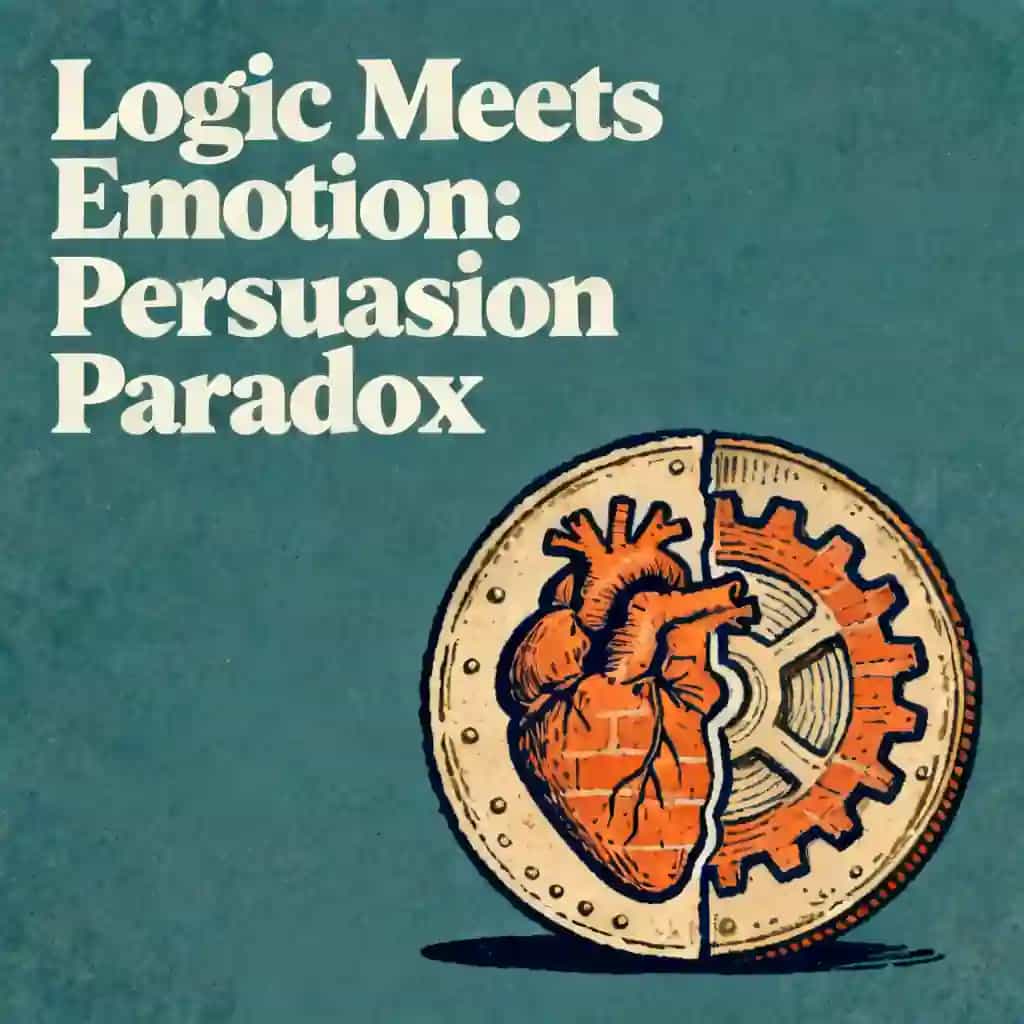
In the podcast Winning Arguments: The Art of Persuasion, it is explained that logic is often the most fragile part of a debate. Even with perfect data and ironclad reasoning, you can still lose to opponents who use populist jokes or disorganized arguments. This is because humans are not mere calculating machines; we are deeply influenced by emotional and reputational factors rather than just pure logical facts.
The Art of Persuasion and Rhetoric relies on three fundamental elements defined by Aristotle: Ethos, Pathos, and Logos. Ethos refers to your reputation and credibility, Pathos connects to the audience's emotions, and Logos represents the logical reasoning of your argument. To be successful in a debate, you must balance these three pillars rather than relying solely on logical evidence to convince your listeners.
Ethos is the foundation of your credibility and reputation during a confrontation. As discussed in Winning Arguments, if your Ethos is compromised—for example, by appearing in a way that alienates your audience—people will refuse to listen to your logic regardless of how sound it is. Establishing a strong Ethos is a necessary step to ensure your message is heard and respected by your interlocutors.
The 'pigeon' analogy warns against debating intellectually dishonest people who refuse to follow the rules of logic. Just as a pigeon might knock over chess pieces and act as if it won, some opponents use fallacies to derail discussions. Winning Arguments teaches that you must level the playing field and establish your credibility before moving your first logical piece to avoid becoming a victim of these tactics.
Criado por ex-alunos da Universidade de Columbia em San Francisco
"Instead of endless scrolling, I just hit play on BeFreed. It saves me so much time."


"I never knew where to start with nonfiction—BeFreed’s book lists turned into podcasts gave me a clear path."


"Perfect balance between learning and entertainment. Finished ‘Thinking, Fast and Slow’ on my commute this week."
"Crazy how much I learned while walking the dog. BeFreed = small habits → big gains."
"Reading used to feel like a chore. Now it’s just part of my lifestyle."

"Feels effortless compared to reading. I’ve finished 6 books this month already."
"BeFreed turned my guilty doomscrolling into something that feels productive and inspiring."

"BeFreed turned my commute into learning time. 20-min podcasts are perfect for finishing books I never had time for."
"BeFreed replaced my podcast queue. Imagine Spotify for books — that’s it. 🙌"

"It is great for me to learn something from the book without reading it."
"The themed book list podcasts help me connect ideas across authors—like a guided audio journey."
"Makes me feel smarter every time before going to work"
Criado por ex-alunos da Universidade de Columbia em San Francisco
"Instead of endless scrolling, I just hit play on BeFreed. It saves me so much time."
"I never knew where to start with nonfiction—BeFreed’s book lists turned into podcasts gave me a clear path."
"Perfect balance between learning and entertainment. Finished ‘Thinking, Fast and Slow’ on my commute this week."
"Crazy how much I learned while walking the dog. BeFreed = small habits → big gains."
"Reading used to feel like a chore. Now it’s just part of my lifestyle."
"Feels effortless compared to reading. I’ve finished 6 books this month already."
"BeFreed turned my guilty doomscrolling into something that feels productive and inspiring."
"BeFreed turned my commute into learning time. 20-min podcasts are perfect for finishing books I never had time for."
"BeFreed replaced my podcast queue. Imagine Spotify for books — that’s it. 🙌"
"It is great for me to learn something from the book without reading it."
"The themed book list podcasts help me connect ideas across authors—like a guided audio journey."
"Makes me feel smarter every time before going to work"
"Instead of endless scrolling, I just hit play on BeFreed. It saves me so much time."
"I never knew where to start with nonfiction—BeFreed’s book lists turned into podcasts gave me a clear path."
"Perfect balance between learning and entertainment. Finished ‘Thinking, Fast and Slow’ on my commute this week."
"Crazy how much I learned while walking the dog. BeFreed = small habits → big gains."
"Reading used to feel like a chore. Now it’s just part of my lifestyle."
"Feels effortless compared to reading. I’ve finished 6 books this month already."
"BeFreed turned my guilty doomscrolling into something that feels productive and inspiring."
"BeFreed turned my commute into learning time. 20-min podcasts are perfect for finishing books I never had time for."
"BeFreed replaced my podcast queue. Imagine Spotify for books — that’s it. 🙌"
"It is great for me to learn something from the book without reading it."
"The themed book list podcasts help me connect ideas across authors—like a guided audio journey."
"Makes me feel smarter every time before going to work"
"Instead of endless scrolling, I just hit play on BeFreed. It saves me so much time."
"I never knew where to start with nonfiction—BeFreed’s book lists turned into podcasts gave me a clear path."
"Perfect balance between learning and entertainment. Finished ‘Thinking, Fast and Slow’ on my commute this week."
"Crazy how much I learned while walking the dog. BeFreed = small habits → big gains."
"Reading used to feel like a chore. Now it’s just part of my lifestyle."
"Feels effortless compared to reading. I’ve finished 6 books this month already."
"BeFreed turned my guilty doomscrolling into something that feels productive and inspiring."
"BeFreed turned my commute into learning time. 20-min podcasts are perfect for finishing books I never had time for."
"BeFreed replaced my podcast queue. Imagine Spotify for books — that’s it. 🙌"
"It is great for me to learn something from the book without reading it."
"The themed book list podcasts help me connect ideas across authors—like a guided audio journey."
"Makes me feel smarter every time before going to work"