Budgeting and Forecasting in Indian Corporations: Tools & Strategy
Explore how Indian corporations use financial budgeting and forecasting techniques to drive strategic planning and improve corporate decision-making processes.

Melhor citação de Budgeting and Forecasting in Indian Corporations: Tools & Strategy
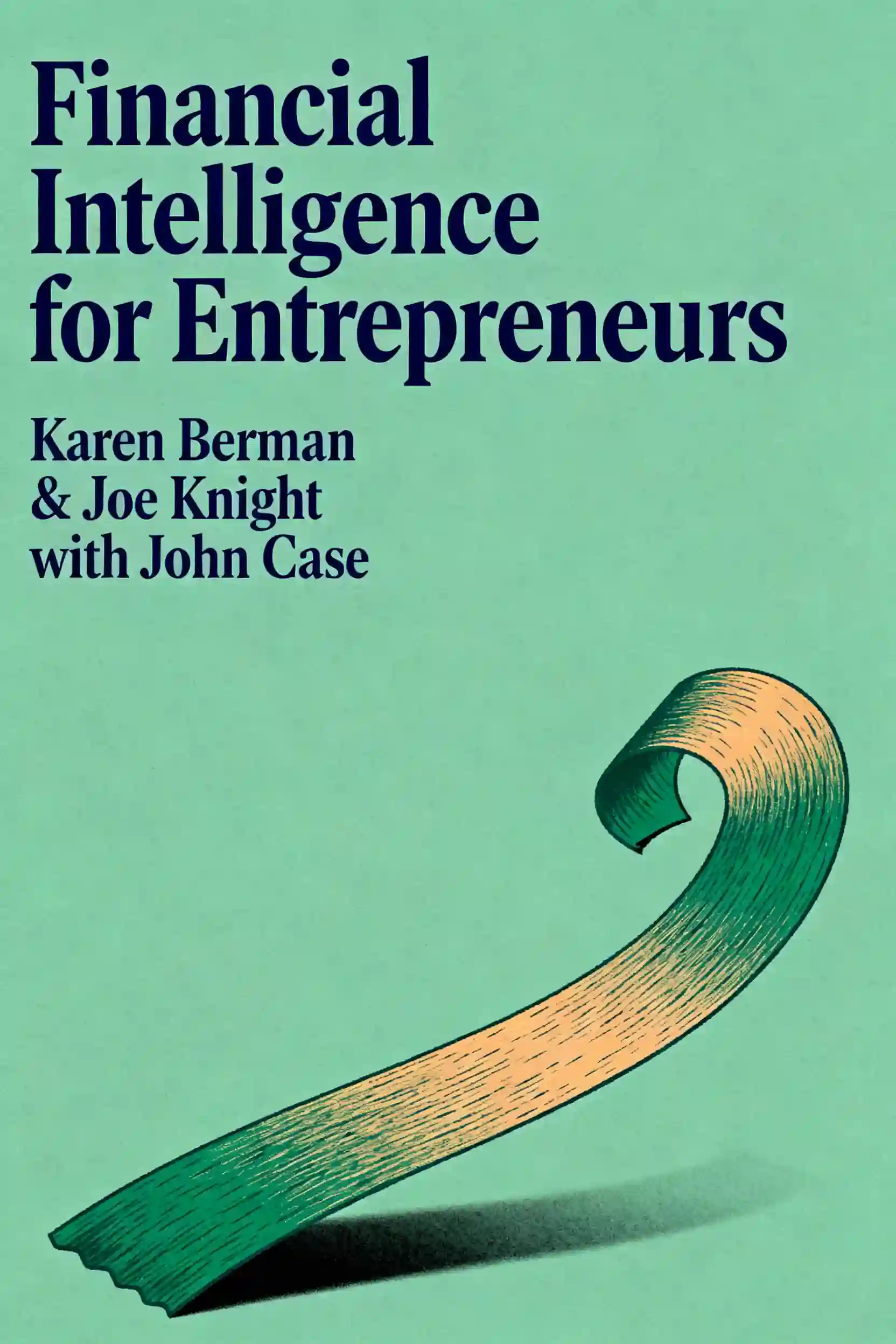
Profit is an opinion, but cash is a fact. You can have great sales and decent margins, but if you can't cover your payroll or your GST payment, you’re in trouble.
Generated by VIKASH KUMAR JAIN
This subtopic would discuss the importance of budgeting and forecasting in Indian corporations, including the techniques and tools used for preparing financial budgets and forecasts, and how these processes contribute to strategic planning and decision-making.



Perguntas frequentes
Budgeting and forecasting are critical components of corporate finance in India because they provide a roadmap for resource allocation and financial stability. By utilizing these processes, Indian corporations can anticipate market shifts, manage cash flows effectively, and ensure that operational activities align with long-term financial goals. This disciplined approach to financial budgeting helps organizations mitigate risks and maintain a competitive edge in a volatile economic landscape.
Indian corporations employ a variety of budgeting tools and forecasting techniques ranging from traditional zero-based budgeting to advanced predictive analytics software. These tools allow finance teams to create detailed projections based on historical data and market trends. By integrating modern technology with standard financial practices, companies can improve the accuracy of their financial budgets, making them more reliable for high-level strategic planning and day-to-day operational management.
Forecasting techniques play a pivotal role in strategic planning by providing the data-driven insights necessary for informed financial decision-making. When Indian corporations accurately predict future revenue and expenses, they can better identify growth opportunities and potential financial bottlenecks. This foresight allows leadership teams to adjust their strategies proactively, ensuring that the corporation remains agile and capable of achieving its long-term objectives despite changing market conditions.
Criado por ex-alunos da Universidade de Columbia em San Francisco
"Instead of endless scrolling, I just hit play on BeFreed. It saves me so much time."


"I never knew where to start with nonfiction—BeFreed’s book lists turned into podcasts gave me a clear path."


"Perfect balance between learning and entertainment. Finished ‘Thinking, Fast and Slow’ on my commute this week."
"Crazy how much I learned while walking the dog. BeFreed = small habits → big gains."
"Reading used to feel like a chore. Now it’s just part of my lifestyle."

"Feels effortless compared to reading. I’ve finished 6 books this month already."
"BeFreed turned my guilty doomscrolling into something that feels productive and inspiring."

"BeFreed turned my commute into learning time. 20-min podcasts are perfect for finishing books I never had time for."
"BeFreed replaced my podcast queue. Imagine Spotify for books — that’s it. 🙌"

"It is great for me to learn something from the book without reading it."
"The themed book list podcasts help me connect ideas across authors—like a guided audio journey."
"Makes me feel smarter every time before going to work"
Criado por ex-alunos da Universidade de Columbia em San Francisco
"Instead of endless scrolling, I just hit play on BeFreed. It saves me so much time."
"I never knew where to start with nonfiction—BeFreed’s book lists turned into podcasts gave me a clear path."
"Perfect balance between learning and entertainment. Finished ‘Thinking, Fast and Slow’ on my commute this week."
"Crazy how much I learned while walking the dog. BeFreed = small habits → big gains."
"Reading used to feel like a chore. Now it’s just part of my lifestyle."
"Feels effortless compared to reading. I’ve finished 6 books this month already."
"BeFreed turned my guilty doomscrolling into something that feels productive and inspiring."
"BeFreed turned my commute into learning time. 20-min podcasts are perfect for finishing books I never had time for."
"BeFreed replaced my podcast queue. Imagine Spotify for books — that’s it. 🙌"
"It is great for me to learn something from the book without reading it."
"The themed book list podcasts help me connect ideas across authors—like a guided audio journey."
"Makes me feel smarter every time before going to work"
"Instead of endless scrolling, I just hit play on BeFreed. It saves me so much time."
"I never knew where to start with nonfiction—BeFreed’s book lists turned into podcasts gave me a clear path."
"Perfect balance between learning and entertainment. Finished ‘Thinking, Fast and Slow’ on my commute this week."
"Crazy how much I learned while walking the dog. BeFreed = small habits → big gains."
"Reading used to feel like a chore. Now it’s just part of my lifestyle."
"Feels effortless compared to reading. I’ve finished 6 books this month already."
"BeFreed turned my guilty doomscrolling into something that feels productive and inspiring."
"BeFreed turned my commute into learning time. 20-min podcasts are perfect for finishing books I never had time for."
"BeFreed replaced my podcast queue. Imagine Spotify for books — that’s it. 🙌"
"It is great for me to learn something from the book without reading it."
"The themed book list podcasts help me connect ideas across authors—like a guided audio journey."
"Makes me feel smarter every time before going to work"
"Instead of endless scrolling, I just hit play on BeFreed. It saves me so much time."
"I never knew where to start with nonfiction—BeFreed’s book lists turned into podcasts gave me a clear path."
"Perfect balance between learning and entertainment. Finished ‘Thinking, Fast and Slow’ on my commute this week."
"Crazy how much I learned while walking the dog. BeFreed = small habits → big gains."
"Reading used to feel like a chore. Now it’s just part of my lifestyle."
"Feels effortless compared to reading. I’ve finished 6 books this month already."
"BeFreed turned my guilty doomscrolling into something that feels productive and inspiring."
"BeFreed turned my commute into learning time. 20-min podcasts are perfect for finishing books I never had time for."
"BeFreed replaced my podcast queue. Imagine Spotify for books — that’s it. 🙌"
"It is great for me to learn something from the book without reading it."
"The themed book list podcasts help me connect ideas across authors—like a guided audio journey."
"Makes me feel smarter every time before going to work"