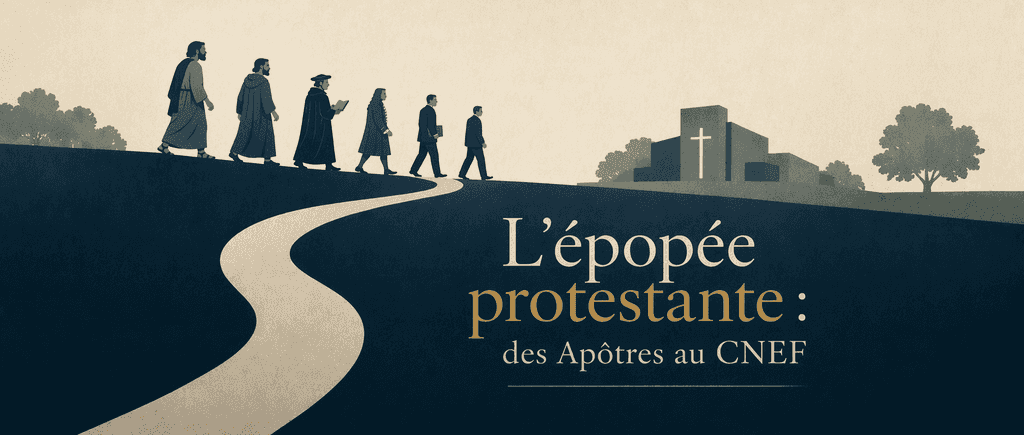
Why Coptic and Orthodox Easter Dates Differ from Catholic Easter
Discover why Coptic and Orthodox Easter dates differ from Catholic traditions. Learn about the Julian vs. Gregorian calendar misalignment and Eastern Church rites.

Melhor citação de Why Coptic and Orthodox Easter Dates Differ from Catholic Easter
The Julian calendar is not just a way of counting days; it’s a symbol of identity and a way of preserving continuity with the early Church, showing that tradition is a living memory rather than just a set of rules.
Generated by Maged
Why Coptic easter is on a different date this year than easter in Europe and does all eastern Orthodox celebrate easter on same day as Coptic this year .. want to understand why there's misalignment between Orthodox and Catholic in Christmas and easter sometimes and if it's only for Coptic Orthodox or all orthodox in general .. and which other orthodox exist anyway

Perguntas frequentes
The date misalignment occurs because the Coptic Orthodox Church and most Eastern Orthodox Churches use the Julian calendar to calculate feast days, whereas the Catholic Church uses the Gregorian calendar. Additionally, Orthodox tradition adheres strictly to the Nicene formula, ensuring Easter falls after the Jewish Passover. These different astronomical calculations and calendar systems often result in Easter being celebrated one or more weeks apart between the East and West.
Yes, almost all Eastern Orthodox Churches, including the Coptic, Greek, Russian, and Serbian Orthodox Churches, celebrate Easter on the same day. While some Orthodox branches have adopted the Revised Julian calendar for fixed holidays like Christmas, they nearly all revert to the traditional Julian calendar for the calculation of Pascha (Easter). This ensures a unified celebration across the various Eastern jurisdictions, even when it differs from the Western date.
The Gregorian calendar is a reform introduced in 1582 to more accurately reflect the solar year, and it is currently used by the Catholic Church and most of the world. The Julian calendar is older and currently runs 13 days behind the Gregorian. This discrepancy is why Orthodox Christmas often falls on January 7th instead of December 25th, and why Easter dates frequently diverge between the two Christian traditions.
Beyond the Coptic Orthodox Church, which is part of the Oriental Orthodox family, there are many other Eastern Orthodox Churches. These include the Greek Orthodox, Russian Orthodox, Romanian Orthodox, Antiochian Orthodox, and Serbian Orthodox Churches, among others. While they may have different cultural traditions and leadership, they share a common liturgical calendar for determining the date of Easter, distinguishing them from Western Catholic and Protestant denominations.
Criado por ex-alunos da Universidade de Columbia em San Francisco
"Instead of endless scrolling, I just hit play on BeFreed. It saves me so much time."


"I never knew where to start with nonfiction—BeFreed’s book lists turned into podcasts gave me a clear path."


"Perfect balance between learning and entertainment. Finished ‘Thinking, Fast and Slow’ on my commute this week."
"Crazy how much I learned while walking the dog. BeFreed = small habits → big gains."
"Reading used to feel like a chore. Now it’s just part of my lifestyle."

"Feels effortless compared to reading. I’ve finished 6 books this month already."
"BeFreed turned my guilty doomscrolling into something that feels productive and inspiring."

"BeFreed turned my commute into learning time. 20-min podcasts are perfect for finishing books I never had time for."
"BeFreed replaced my podcast queue. Imagine Spotify for books — that’s it. 🙌"

"It is great for me to learn something from the book without reading it."
"The themed book list podcasts help me connect ideas across authors—like a guided audio journey."
"Makes me feel smarter every time before going to work"
Criado por ex-alunos da Universidade de Columbia em San Francisco
"Instead of endless scrolling, I just hit play on BeFreed. It saves me so much time."
"I never knew where to start with nonfiction—BeFreed’s book lists turned into podcasts gave me a clear path."
"Perfect balance between learning and entertainment. Finished ‘Thinking, Fast and Slow’ on my commute this week."
"Crazy how much I learned while walking the dog. BeFreed = small habits → big gains."
"Reading used to feel like a chore. Now it’s just part of my lifestyle."
"Feels effortless compared to reading. I’ve finished 6 books this month already."
"BeFreed turned my guilty doomscrolling into something that feels productive and inspiring."
"BeFreed turned my commute into learning time. 20-min podcasts are perfect for finishing books I never had time for."
"BeFreed replaced my podcast queue. Imagine Spotify for books — that’s it. 🙌"
"It is great for me to learn something from the book without reading it."
"The themed book list podcasts help me connect ideas across authors—like a guided audio journey."
"Makes me feel smarter every time before going to work"
"Instead of endless scrolling, I just hit play on BeFreed. It saves me so much time."
"I never knew where to start with nonfiction—BeFreed’s book lists turned into podcasts gave me a clear path."
"Perfect balance between learning and entertainment. Finished ‘Thinking, Fast and Slow’ on my commute this week."
"Crazy how much I learned while walking the dog. BeFreed = small habits → big gains."
"Reading used to feel like a chore. Now it’s just part of my lifestyle."
"Feels effortless compared to reading. I’ve finished 6 books this month already."
"BeFreed turned my guilty doomscrolling into something that feels productive and inspiring."
"BeFreed turned my commute into learning time. 20-min podcasts are perfect for finishing books I never had time for."
"BeFreed replaced my podcast queue. Imagine Spotify for books — that’s it. 🙌"
"It is great for me to learn something from the book without reading it."
"The themed book list podcasts help me connect ideas across authors—like a guided audio journey."
"Makes me feel smarter every time before going to work"
"Instead of endless scrolling, I just hit play on BeFreed. It saves me so much time."
"I never knew where to start with nonfiction—BeFreed’s book lists turned into podcasts gave me a clear path."
"Perfect balance between learning and entertainment. Finished ‘Thinking, Fast and Slow’ on my commute this week."
"Crazy how much I learned while walking the dog. BeFreed = small habits → big gains."
"Reading used to feel like a chore. Now it’s just part of my lifestyle."
"Feels effortless compared to reading. I’ve finished 6 books this month already."
"BeFreed turned my guilty doomscrolling into something that feels productive and inspiring."
"BeFreed turned my commute into learning time. 20-min podcasts are perfect for finishing books I never had time for."
"BeFreed replaced my podcast queue. Imagine Spotify for books — that’s it. 🙌"
"It is great for me to learn something from the book without reading it."
"The themed book list podcasts help me connect ideas across authors—like a guided audio journey."
"Makes me feel smarter every time before going to work"