When Words Wound: The Truth About Name-Calling
Explore why verbal aggression is a predictor of relationship failure and learn how to transition from toxic conflict to emotional safety.

Melhor citação de When Words Wound: The Truth About Name-Calling
It’s hard to call it love when the primary feeling is one of being unsafe or worthless. If your partner’s communication style is constantly activating your danger sensors, the foundation of that love is cracked.
Generated by Martyna
Can people argue and call eachother names and still call it love?

Perguntas frequentes
While many people dismiss name-calling as a common way to blow off steam, research identifies it as a form of verbal aggression and a significant predictor of relationship failure. It is often a sign of contempt, which is deeply destructive to a partnership. Rather than being a harmless release of anger, name-calling shifts the focus from solving a problem to attacking a partner's character, which erodes the foundation of the relationship.
This dynamic occurs when one partner, the pursuer, uses high-intensity emotion or aggression to try to force a resolution, while the other partner, the withdrawer, retreats or goes silent to protect themselves. Both individuals are actually "emotionally dysregulated" in these moments, meaning their brains are in survival mode rather than a state of clear thinking. This pattern is often driven by attachment styles, where silence feels like abandonment to one person and intensity feels like suffocation to the other.
High-conflict relationship patterns can have measurable biological consequences, including slower physical wound healing and higher levels of inflammation markers like interleukin-6. Chronic inflammation is linked to serious health issues such as heart disease, weakened immune systems, and depression. Essentially, a hostile relationship environment acts as a persistent stressor that can physically take years off a person's life.
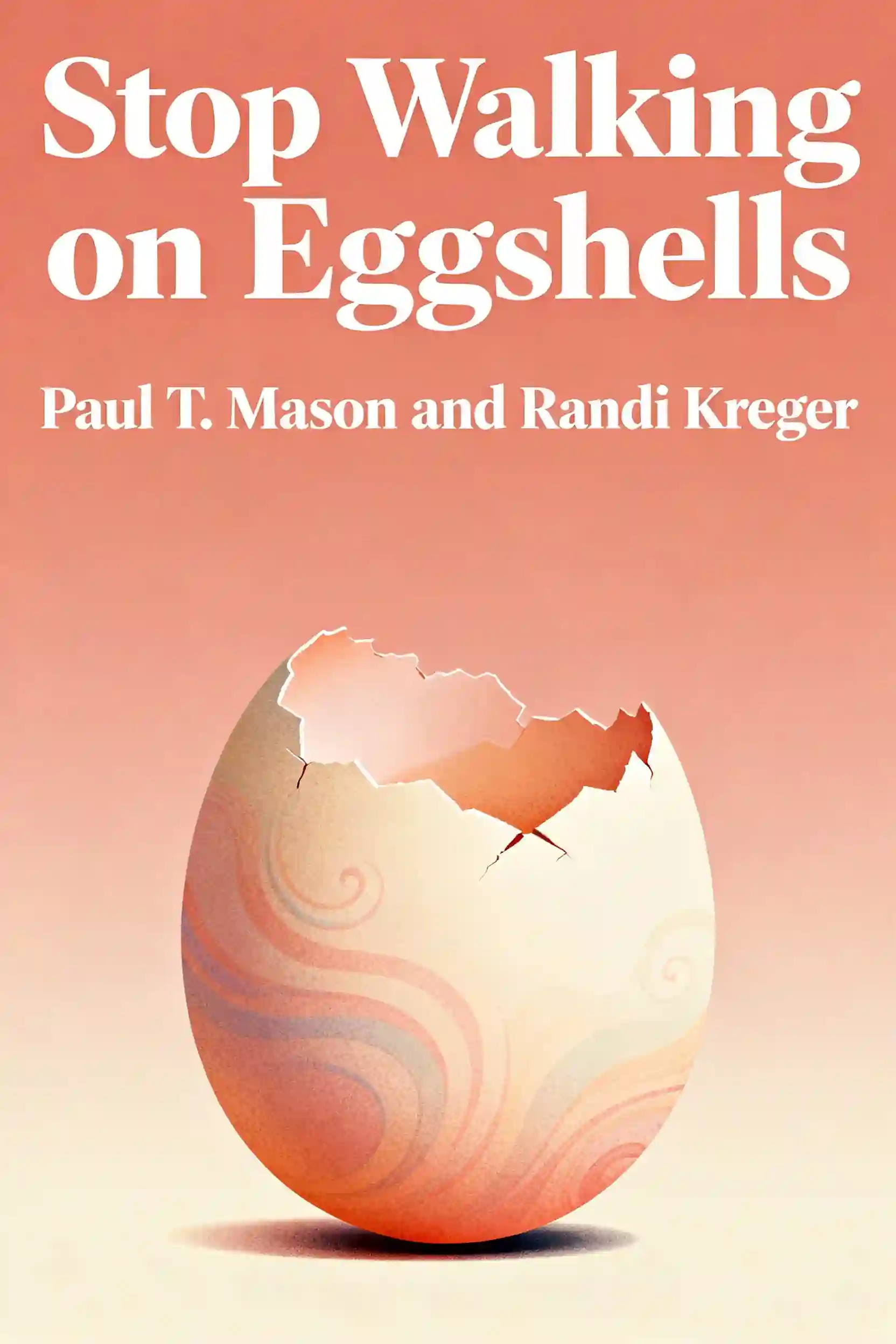
Unhealthy conflict is often cyclical and frustrating, but the primary intent is usually not to cause harm. In contrast, emotional abuse is a deliberate and systematic pattern used to exert power and control over a partner. This includes tactics like isolation, threats, and gaslighting—making a partner doubt their own perceptions of reality. If a person feels they must constantly "walk on eggshells" to avoid an explosion, the relationship has moved from mere conflict into an abusive dynamic.
The first step is "calling out the cycle" by identifying the negative pattern as a mutual enemy rather than blaming the partner. Experts suggest implementing a "pause plan" where partners take a break to cool down but agree on a specific time to return and finish the conversation to avoid triggering fears of abandonment. Finally, a true "repair" involves more than just an apology; it requires acknowledging the emotional wound caused and meeting the partner’s need for safety and reconnection.
Criado por ex-alunos da Universidade de Columbia em San Francisco
"Instead of endless scrolling, I just hit play on BeFreed. It saves me so much time."


"I never knew where to start with nonfiction—BeFreed’s book lists turned into podcasts gave me a clear path."


"Perfect balance between learning and entertainment. Finished ‘Thinking, Fast and Slow’ on my commute this week."
"Crazy how much I learned while walking the dog. BeFreed = small habits → big gains."
"Reading used to feel like a chore. Now it’s just part of my lifestyle."

"Feels effortless compared to reading. I’ve finished 6 books this month already."
"BeFreed turned my guilty doomscrolling into something that feels productive and inspiring."

"BeFreed turned my commute into learning time. 20-min podcasts are perfect for finishing books I never had time for."
"BeFreed replaced my podcast queue. Imagine Spotify for books — that’s it. 🙌"

"It is great for me to learn something from the book without reading it."
"The themed book list podcasts help me connect ideas across authors—like a guided audio journey."
"Makes me feel smarter every time before going to work"
 Ask ChatGPT
 Ask Claude
Criado por ex-alunos da Universidade de Columbia em San Francisco
"Instead of endless scrolling, I just hit play on BeFreed. It saves me so much time."
"I never knew where to start with nonfiction—BeFreed’s book lists turned into podcasts gave me a clear path."
"Perfect balance between learning and entertainment. Finished ‘Thinking, Fast and Slow’ on my commute this week."
"Crazy how much I learned while walking the dog. BeFreed = small habits → big gains."
"Reading used to feel like a chore. Now it’s just part of my lifestyle."
"Feels effortless compared to reading. I’ve finished 6 books this month already."
"BeFreed turned my guilty doomscrolling into something that feels productive and inspiring."
"BeFreed turned my commute into learning time. 20-min podcasts are perfect for finishing books I never had time for."
"BeFreed replaced my podcast queue. Imagine Spotify for books — that’s it. 🙌"
"It is great for me to learn something from the book without reading it."
"The themed book list podcasts help me connect ideas across authors—like a guided audio journey."
"Makes me feel smarter every time before going to work"
"Instead of endless scrolling, I just hit play on BeFreed. It saves me so much time."
"I never knew where to start with nonfiction—BeFreed’s book lists turned into podcasts gave me a clear path."
"Perfect balance between learning and entertainment. Finished ‘Thinking, Fast and Slow’ on my commute this week."
"Crazy how much I learned while walking the dog. BeFreed = small habits → big gains."
"Reading used to feel like a chore. Now it’s just part of my lifestyle."
"Feels effortless compared to reading. I’ve finished 6 books this month already."
"BeFreed turned my guilty doomscrolling into something that feels productive and inspiring."
"BeFreed turned my commute into learning time. 20-min podcasts are perfect for finishing books I never had time for."
"BeFreed replaced my podcast queue. Imagine Spotify for books — that’s it. 🙌"
"It is great for me to learn something from the book without reading it."
"The themed book list podcasts help me connect ideas across authors—like a guided audio journey."
"Makes me feel smarter every time before going to work"
"Instead of endless scrolling, I just hit play on BeFreed. It saves me so much time."
"I never knew where to start with nonfiction—BeFreed’s book lists turned into podcasts gave me a clear path."
"Perfect balance between learning and entertainment. Finished ‘Thinking, Fast and Slow’ on my commute this week."
"Crazy how much I learned while walking the dog. BeFreed = small habits → big gains."
"Reading used to feel like a chore. Now it’s just part of my lifestyle."
"Feels effortless compared to reading. I’ve finished 6 books this month already."
"BeFreed turned my guilty doomscrolling into something that feels productive and inspiring."
"BeFreed turned my commute into learning time. 20-min podcasts are perfect for finishing books I never had time for."
"BeFreed replaced my podcast queue. Imagine Spotify for books — that’s it. 🙌"
"It is great for me to learn something from the book without reading it."
"The themed book list podcasts help me connect ideas across authors—like a guided audio journey."
"Makes me feel smarter every time before going to work"