When Lovers Become Roommates
Life’s logistics can turn deep connection into a silent drift. Learn how to move past the roommate phase and rediscover desire in your relationship.
Melhor citação de When Lovers Become Roommates
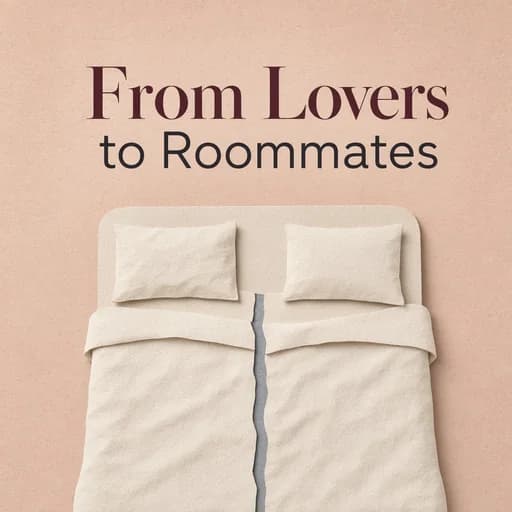
The roommate phase is a slow, silent drift where the operational load of life starts to crowd out actual connection. It’s not that the love is gone, it’s just that it’s lost its oxygen.
Generated with BeFreed
When Lovers Become Roommates






Perguntas frequentes
This "roommate syndrome" often occurs when the operational load of life—such as paying bills, raising children, and maintaining a household—crowds out emotional connection. It is a slow, silent drift where couples become excellent co-managers but stop being playmates. Research indicates this is quite common, with relationship satisfaction often hitting a low point around the ten-year mark or when individuals are in their 40s.
In the beginning of a relationship, novelty triggers dopamine pathways in the brain, creating an electric feeling. Over time, the brain habituates to the partner, and the relationship shifts from passionate love to companionate love. While this transition provides stability, people who are highly conscientious or organized may inadvertently turn the relationship into a functional project, causing the "oxygen" of the romance to thin out.
A bid for connection is any attempt at reaching for attention, such as a sigh, a text, or a simple observation. How a partner responds to these bids is a major predictor of relationship health. Happily connected couples "turn toward" these bids about 86% of the time, whereas those in roommate-style dynamics often miss them due to fatigue or distraction. Rebuilding connection starts with noticing and responding to these tiny, everyday moments.
Standard date nights often fail if they involve the same routine and the same topics of conversation, like household logistics or kids' schedules. To effectively combat roommate syndrome, couples need "novel and arousing" activities that trigger the dopamine system. Trying something new or challenging together forces you to see your partner in a different light and breaks the predictable routine of long-term life.
The first step is naming the situation without using blame, shifting from accusations to vulnerability by expressing that you miss the connection. From there, you can implement small "rituals of connection," such as a six-second kiss or a ten-minute daily check-in. These micro-moments help rebuild "Love Maps," which is the internal database of your partner’s current dreams, fears, and evolving inner world.
Criado por ex-alunos da Universidade de Columbia em San Francisco
"Instead of endless scrolling, I just hit play on BeFreed. It saves me so much time."


"I never knew where to start with nonfiction—BeFreed’s book lists turned into podcasts gave me a clear path."


"Perfect balance between learning and entertainment. Finished ‘Thinking, Fast and Slow’ on my commute this week."
"Crazy how much I learned while walking the dog. BeFreed = small habits → big gains."
"Reading used to feel like a chore. Now it’s just part of my lifestyle."

"Feels effortless compared to reading. I’ve finished 6 books this month already."
"BeFreed turned my guilty doomscrolling into something that feels productive and inspiring."

"BeFreed turned my commute into learning time. 20-min podcasts are perfect for finishing books I never had time for."
"BeFreed replaced my podcast queue. Imagine Spotify for books — that’s it. 🙌"

"It is great for me to learn something from the book without reading it."
"The themed book list podcasts help me connect ideas across authors—like a guided audio journey."
"Makes me feel smarter every time before going to work"
Criado por ex-alunos da Universidade de Columbia em San Francisco
"Instead of endless scrolling, I just hit play on BeFreed. It saves me so much time."
"I never knew where to start with nonfiction—BeFreed’s book lists turned into podcasts gave me a clear path."
"Perfect balance between learning and entertainment. Finished ‘Thinking, Fast and Slow’ on my commute this week."
"Crazy how much I learned while walking the dog. BeFreed = small habits → big gains."
"Reading used to feel like a chore. Now it’s just part of my lifestyle."
"Feels effortless compared to reading. I’ve finished 6 books this month already."
"BeFreed turned my guilty doomscrolling into something that feels productive and inspiring."
"BeFreed turned my commute into learning time. 20-min podcasts are perfect for finishing books I never had time for."
"BeFreed replaced my podcast queue. Imagine Spotify for books — that’s it. 🙌"
"It is great for me to learn something from the book without reading it."
"The themed book list podcasts help me connect ideas across authors—like a guided audio journey."
"Makes me feel smarter every time before going to work"
"Instead of endless scrolling, I just hit play on BeFreed. It saves me so much time."
"I never knew where to start with nonfiction—BeFreed’s book lists turned into podcasts gave me a clear path."
"Perfect balance between learning and entertainment. Finished ‘Thinking, Fast and Slow’ on my commute this week."
"Crazy how much I learned while walking the dog. BeFreed = small habits → big gains."
"Reading used to feel like a chore. Now it’s just part of my lifestyle."
"Feels effortless compared to reading. I’ve finished 6 books this month already."
"BeFreed turned my guilty doomscrolling into something that feels productive and inspiring."
"BeFreed turned my commute into learning time. 20-min podcasts are perfect for finishing books I never had time for."
"BeFreed replaced my podcast queue. Imagine Spotify for books — that’s it. 🙌"
"It is great for me to learn something from the book without reading it."
"The themed book list podcasts help me connect ideas across authors—like a guided audio journey."
"Makes me feel smarter every time before going to work"
"Instead of endless scrolling, I just hit play on BeFreed. It saves me so much time."
"I never knew where to start with nonfiction—BeFreed’s book lists turned into podcasts gave me a clear path."
"Perfect balance between learning and entertainment. Finished ‘Thinking, Fast and Slow’ on my commute this week."
"Crazy how much I learned while walking the dog. BeFreed = small habits → big gains."
"Reading used to feel like a chore. Now it’s just part of my lifestyle."
"Feels effortless compared to reading. I’ve finished 6 books this month already."
"BeFreed turned my guilty doomscrolling into something that feels productive and inspiring."
"BeFreed turned my commute into learning time. 20-min podcasts are perfect for finishing books I never had time for."
"BeFreed replaced my podcast queue. Imagine Spotify for books — that’s it. 🙌"
"It is great for me to learn something from the book without reading it."
"The themed book list podcasts help me connect ideas across authors—like a guided audio journey."
"Makes me feel smarter every time before going to work"