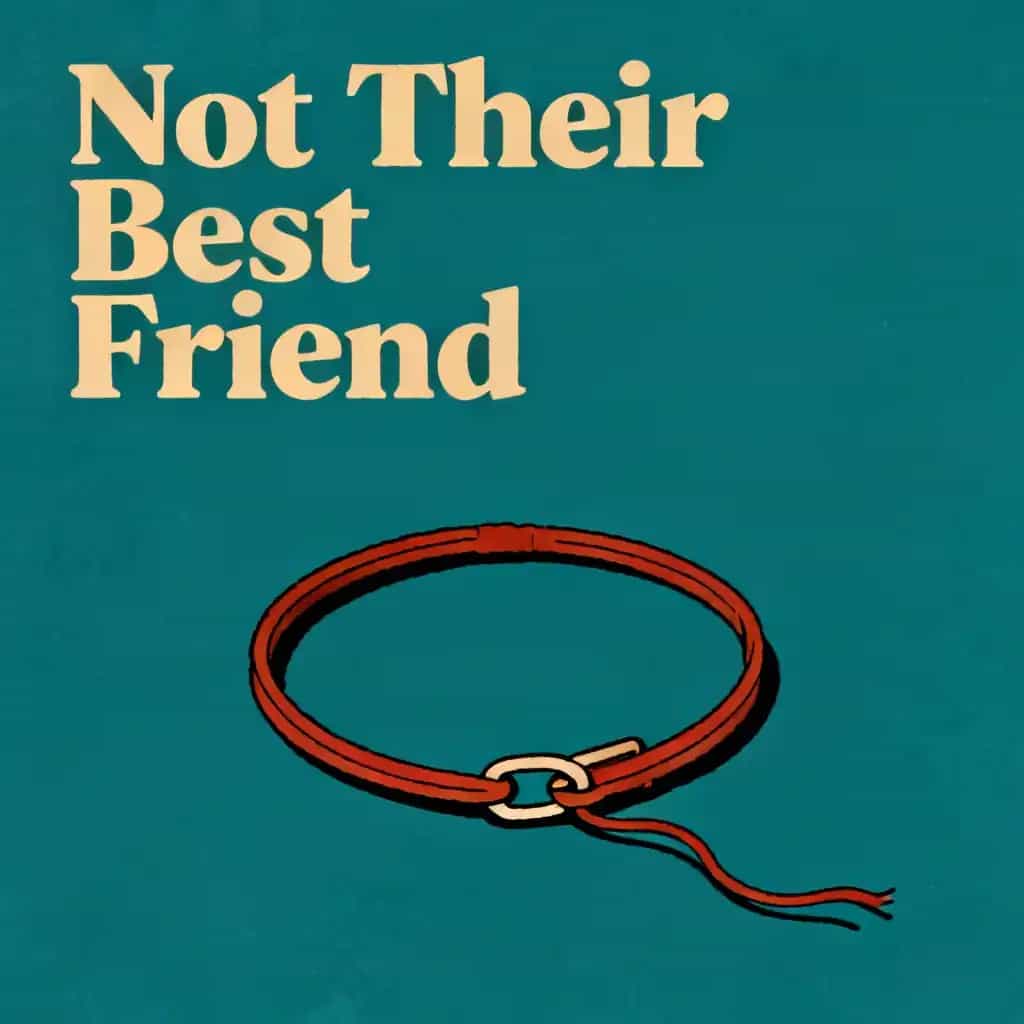
Exploring the painful reality of emotionally asymmetric friendships through attachment theory, moral psychology, and the hard question: can you fix fundamental incompatibility, or do you just accept that some people speak different languages of connection?
Melhor citação de When Friendship Feels Like Emotional Tourism
“
The real work is figuring out what's actually possible versus what we're hoping for, because you can't love someone into emotional maturity or provide enough patience to heal wounds that require their own internal work.
”
J
Generated by Jerry
Pergunta de entrada
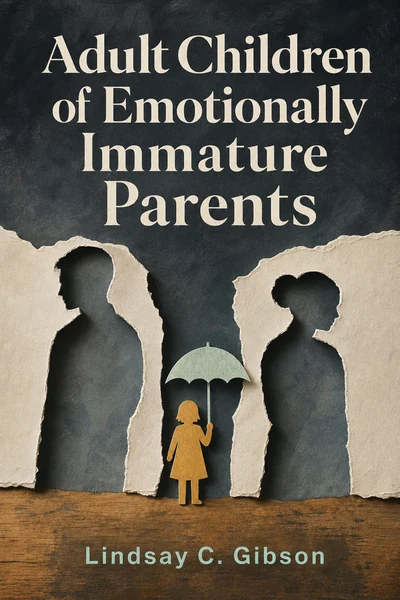
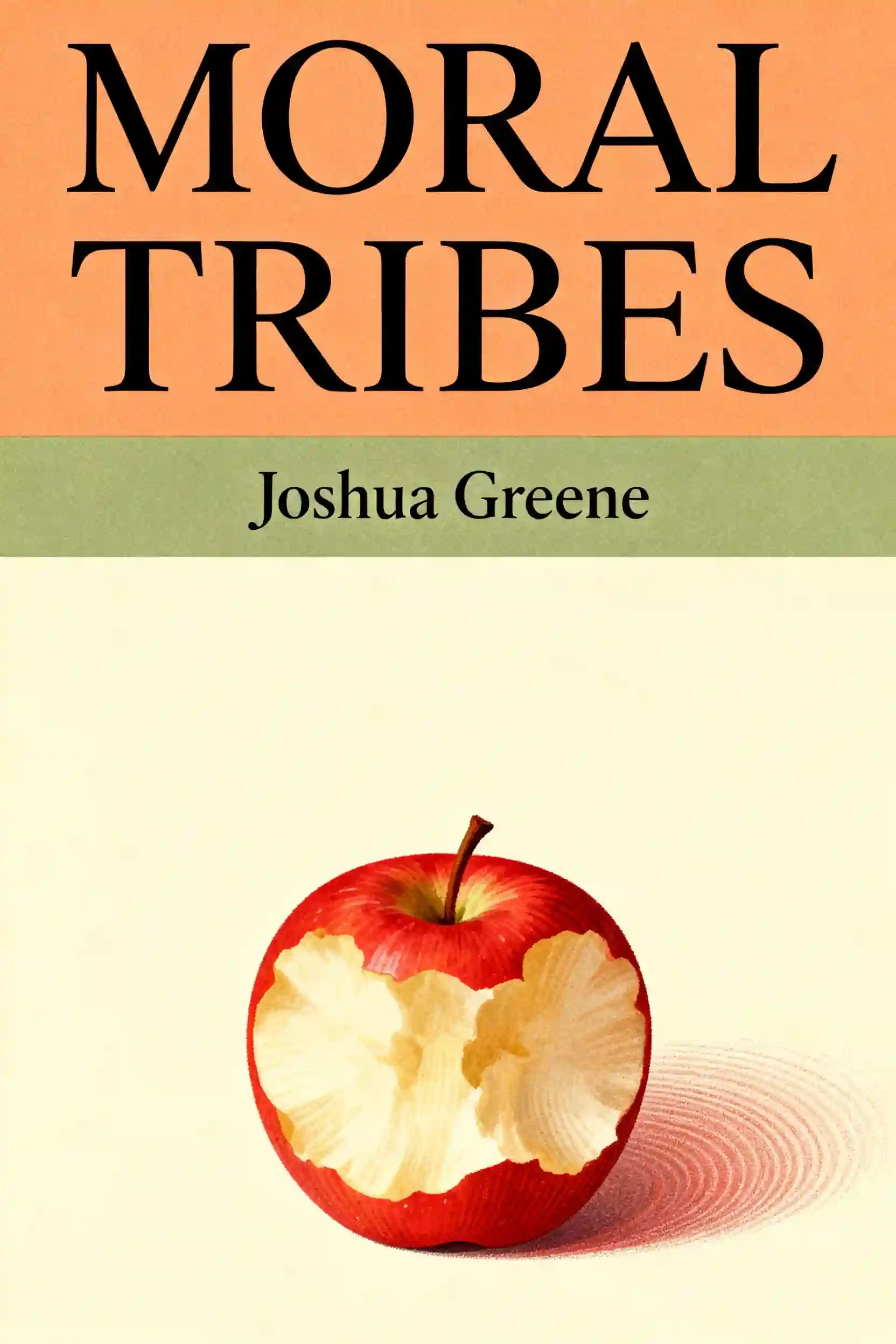
a platonic friendship where emotional asymmetry, regulation through logic, and divergent moral meaning-making gradually erode closeness. The episode will explore attachment patterns outside romance using Attached by Amir Levine and Rachel Heller, examining the anxious-avoidant dynamic and how explanations do not fix capacity. It will discuss emotional immaturity as a limitation using Adult Children of Emotionally Immature Parents by Lindsay Gibson, analyzing emotional presence versus emotional availability and the condition of being with someone but not emotionally met. The episode will draw from Games People Play by Eric Berne to explore invisible hierarchies and how intellectualization can act as a defensive maneuver. It will integrate The Righteous Mind by Jonathan Haidt to examine how divergent moral foundations lead to mutual incomprehension, and Hold Me Tight by Sue Johnson to explain why bids for connection trigger withdrawal. The episode will actively debate whether this friendship is a problem to fix or a reality to accept, exploring the tension between compassion and boundary-setting, patience and self-respect, and grieving the friendship you wanted versus honoring the one that actually exists. The closing will integrate these frameworks into grounded clarity, acknowledging that emotional asymmetry is a systemic condition, inviting compassionate recalibration by honoring what is real, releasing fantasies of transformation, and choosing connection with full awareness of its limits.
Criado por ex-alunos da Universidade de Columbia | em San Francisco
BeFreed Reúne Uma Comunidade Global De Mentes Curiosas
4.7
avaliação média
Mais de 7,84 mil avaliações do app
Comunidade BeFreed
Sério, eu ainda nem explorei o app por completo, mas só de usar nos últimos dias já fiquei impressionada… O BeFreed está em outro nível comparado a qualquer outro app de aprendizado que já usei. Ele prende demais a atenção e realmente melhora a concentração — ótimo para quem não larga o scroll!
@ladyInfinity
Comprei o BeFreed há exatamente 23 dias e uso todos os dias desde então. Ele se encaixou por completo na minha rotina de trabalho e nos meus hábitos de estudo.
@jayallen
A verdade é que o app superou todas as minhas expectativas. Posso pedir para gerar áudio sobre qualquer tema, seja qual for, e o resultado é impressionante. Minha área profissional é uma especialização em psicoterapia, bem multidisciplinar; mesmo assim, as respostas são muito precisas.
@Raguipa
O que eu mais valorizo é o quanto ele reduziu meu tempo de scroll: passo menos tempo procurando e mais tempo absorvendo informação. A combinação de audiolivros completos, podcasts e os planos de aprendizado é brilhante.
@colonyofcreatorsNGO
Sou instrutor de aprendizado acelerado PhotoReading há 24 anos… livros, leitura e aprendizado são a minha praia, e o BeFreed fez um ótimo trabalho ao trazer uma abordagem inovadora para entregar informação de um jeito fácil de consumir.
@BeFreed user
Não é só um app de resumo de livros: usei a opção de leitura divertida e é um resumo muito melhor, um jeito mais fácil de captar as ideias do que o tradicional. Só isso já vale o investimento.
@austinakon
Amo este app. Usei por vários dias e não consigo parar de ouvir. Um jeito ótimo de começar.
@jcrules328
Gosto muito do programa; já estou testando há cerca de um mês e sinto que é uma verdadeira joia. Funciona muito bem porque posso usar o BeFreed para criar meus próprios temas, e a voz é ótima, com opções ilimitadas de narração.
@DanielCZ
Sério, eu ainda nem explorei o app por completo, mas só de usar nos últimos dias já fiquei impressionada… O BeFreed está em outro nível comparado a qualquer outro app de aprendizado que já usei. Ele prende demais a atenção e realmente melhora a concentração — ótimo para quem não larga o scroll!
@ladyInfinity
Comprei o BeFreed há exatamente 23 dias e uso todos os dias desde então. Ele se encaixou por completo na minha rotina de trabalho e nos meus hábitos de estudo.
@jayallen
A verdade é que o app superou todas as minhas expectativas. Posso pedir para gerar áudio sobre qualquer tema, seja qual for, e o resultado é impressionante. Minha área profissional é uma especialização em psicoterapia, bem multidisciplinar; mesmo assim, as respostas são muito precisas.
@Raguipa
O que eu mais valorizo é o quanto ele reduziu meu tempo de scroll: passo menos tempo procurando e mais tempo absorvendo informação. A combinação de audiolivros completos, podcasts e os planos de aprendizado é brilhante.
@colonyofcreatorsNGO
Sou instrutor de aprendizado acelerado PhotoReading há 24 anos… livros, leitura e aprendizado são a minha praia, e o BeFreed fez um ótimo trabalho ao trazer uma abordagem inovadora para entregar informação de um jeito fácil de consumir.
@BeFreed user
Não é só um app de resumo de livros: usei a opção de leitura divertida e é um resumo muito melhor, um jeito mais fácil de captar as ideias do que o tradicional. Só isso já vale o investimento.
@austinakon
Amo este app. Usei por vários dias e não consigo parar de ouvir. Um jeito ótimo de começar.
@jcrules328
Gosto muito do programa; já estou testando há cerca de um mês e sinto que é uma verdadeira joia. Funciona muito bem porque posso usar o BeFreed para criar meus próprios temas, e a voz é ótima, com opções ilimitadas de narração.
@DanielCZ
Adoro poder receber informações e ideias úteis e condensadas em um áudio estilo podcast de 8 a 15 minutos. Não sou muito fã de podcasts por causa da enrolação, mas aqui vai direto ao ponto.
@BeFreed user
Estou terminando meu doutorado e preciso ler muito material desconhecido… Com o BeFreed, você só digita um prompt e o app encontra as fontes e gera um podcast em áudio. Acho o processo do BeFreed mais fluido que o do NotebookLM.
@Brad
Costumo procurar no YouTube algo para ouvir enquanto preparo o café da manhã, caminho ou me desloco, e o BeFreed oferece uma abordagem ainda mais certeira, sem anúncios e sem enrolação!
@BeFreed user
A melhor coisa desta plataforma é a versatilidade. Literalmente nenhum assunto fica de fora. Ela dá conta de tudo o que você mandar… É raro encontrar uma ferramenta de aprendizado sem limitações que realmente cumpre o que promete.
@jayallen
O BeFreed é fantástico. O design intuitivo faz com que eu passe menos tempo navegando e mais tempo aprendendo. A mistura de audiolivros, podcasts e planos de aprendizado é uma combinação genial que mudou completamente a minha rotina.
@BeFreed user
No começo, levei um tempo para entender como criar podcasts em italiano e… boom! É incrível! Posso pedir para explicar qualquer assunto e ele explica super bem, com muita inteligência!
@matteo77
O BeFreed virou meu app diário de audiolivros… O que eu mais gosto é que você coloca o seu texto e recebe um áudio para ouvir em qualquer lugar.
@kotanzu1
Adoro poder receber informações e ideias úteis e condensadas em um áudio estilo podcast de 8 a 15 minutos. Não sou muito fã de podcasts por causa da enrolação, mas aqui vai direto ao ponto.
@BeFreed user
Estou terminando meu doutorado e preciso ler muito material desconhecido… Com o BeFreed, você só digita um prompt e o app encontra as fontes e gera um podcast em áudio. Acho o processo do BeFreed mais fluido que o do NotebookLM.
@Brad
Costumo procurar no YouTube algo para ouvir enquanto preparo o café da manhã, caminho ou me desloco, e o BeFreed oferece uma abordagem ainda mais certeira, sem anúncios e sem enrolação!
@BeFreed user
A melhor coisa desta plataforma é a versatilidade. Literalmente nenhum assunto fica de fora. Ela dá conta de tudo o que você mandar… É raro encontrar uma ferramenta de aprendizado sem limitações que realmente cumpre o que promete.
@jayallen
O BeFreed é fantástico. O design intuitivo faz com que eu passe menos tempo navegando e mais tempo aprendendo. A mistura de audiolivros, podcasts e planos de aprendizado é uma combinação genial que mudou completamente a minha rotina.
@BeFreed user
No começo, levei um tempo para entender como criar podcasts em italiano e… boom! É incrível! Posso pedir para explicar qualquer assunto e ele explica super bem, com muita inteligência!
@matteo77
O BeFreed virou meu app diário de audiolivros… O que eu mais gosto é que você coloca o seu texto e recebe um áudio para ouvir em qualquer lugar.
Explore the unsettling territory of obsessive friendships, from recognizing warning signs to setting compassionate boundaries. Learn how to reclaim your peace while understanding the psychology behind unhealthy attachment.
A deep dive into toxic friendship patterns where one person uses sarcasm, dismissiveness, and "you're too sensitive" to avoid accountability. Explores why skills-based communication fails when someone treats emotional repair as a threat, and when boundaries become your primary tool.
Explore why you feel drained by friendships that no longer align with who you're becoming, and learn to trust your intuition about relationships without guilt.
Explore the hidden grief of friendship breakups and why losing a close friend can hurt as much as romantic rejection. Discover the science behind social pain and practical tools for healing.
Discover the hidden psychology behind adult friendship struggles and learn practical strategies to overcome social anxiety, build authentic self-worth, and create meaningful connections.
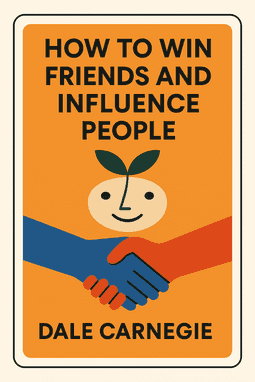
Discover why true friendship requires confronting our blindness and embracing vulnerability. Drawing from Carnegie, Lief, and Heffernan, explore how authentic connection demands courage over comfort in our similarity-seeking world.