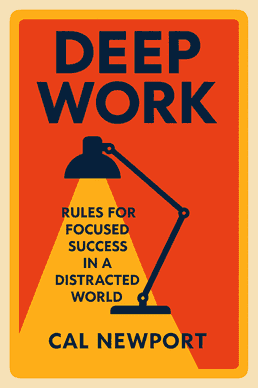
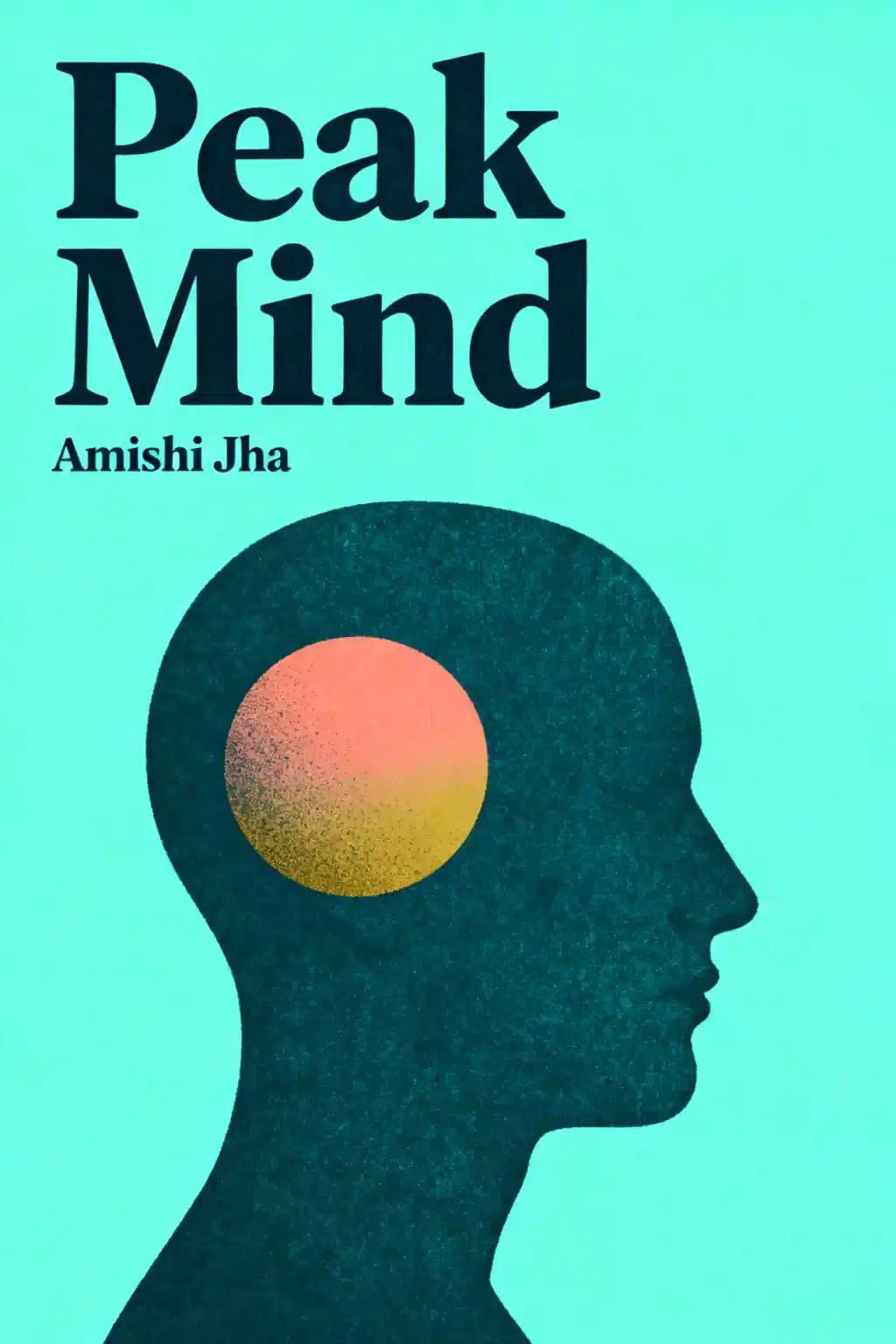
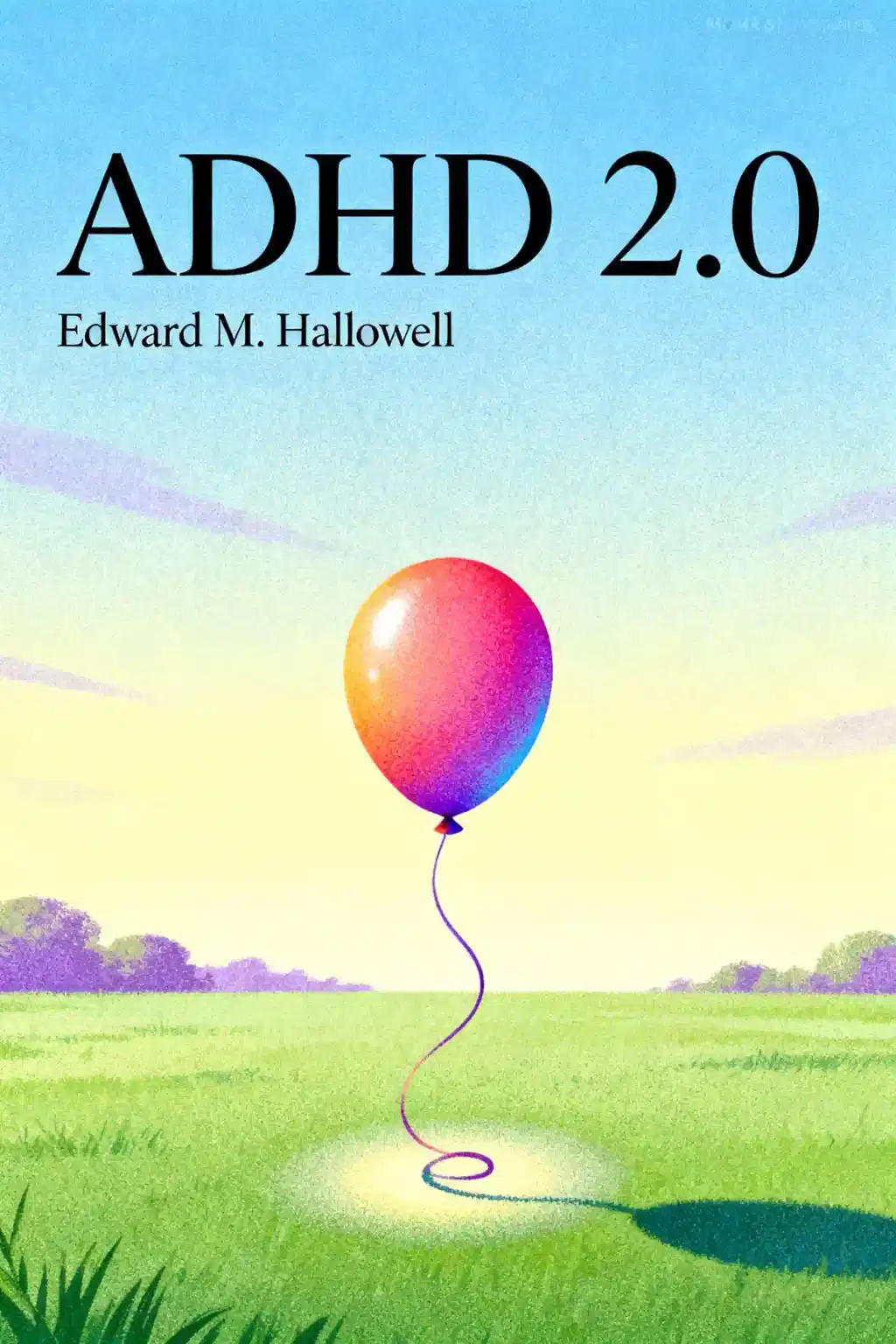
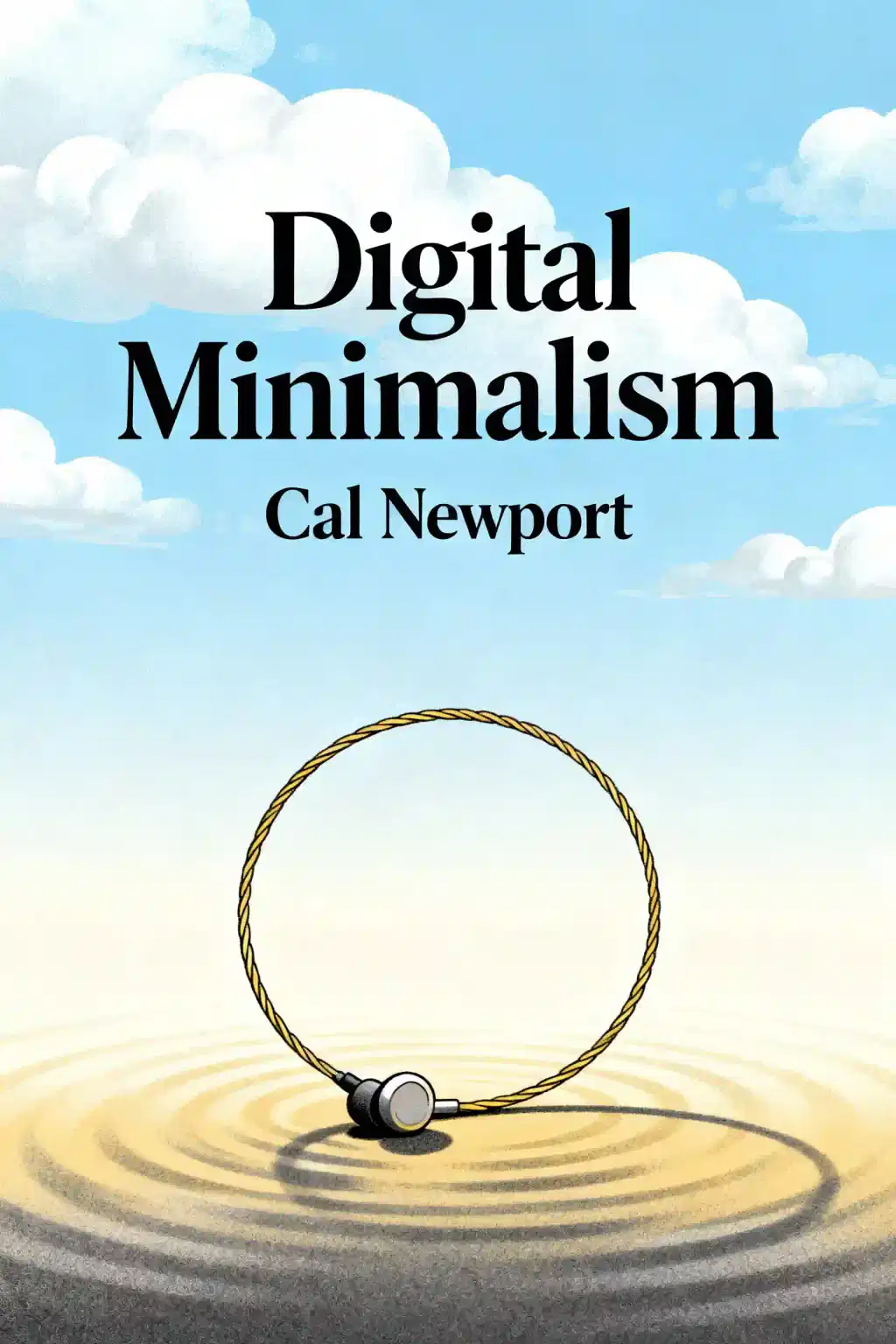
The Single-Tasking Toolkit: Reclaiming Your Focus
Stop paying the 'distraction tax' and learn why multitasking is a myth. This episode provides science-backed strategies to eliminate attention residue and master the art of deep work.

Melhor citação de The Single-Tasking Toolkit: Reclaiming Your Focus
The ability to focus is becoming the new superpower of the 21st century because it’s becoming so rare. While everyone else is drowning in notifications, the person who can sit down and solve a complex problem is the one who wins.
Generated by Hugo
How to stay focused on one task

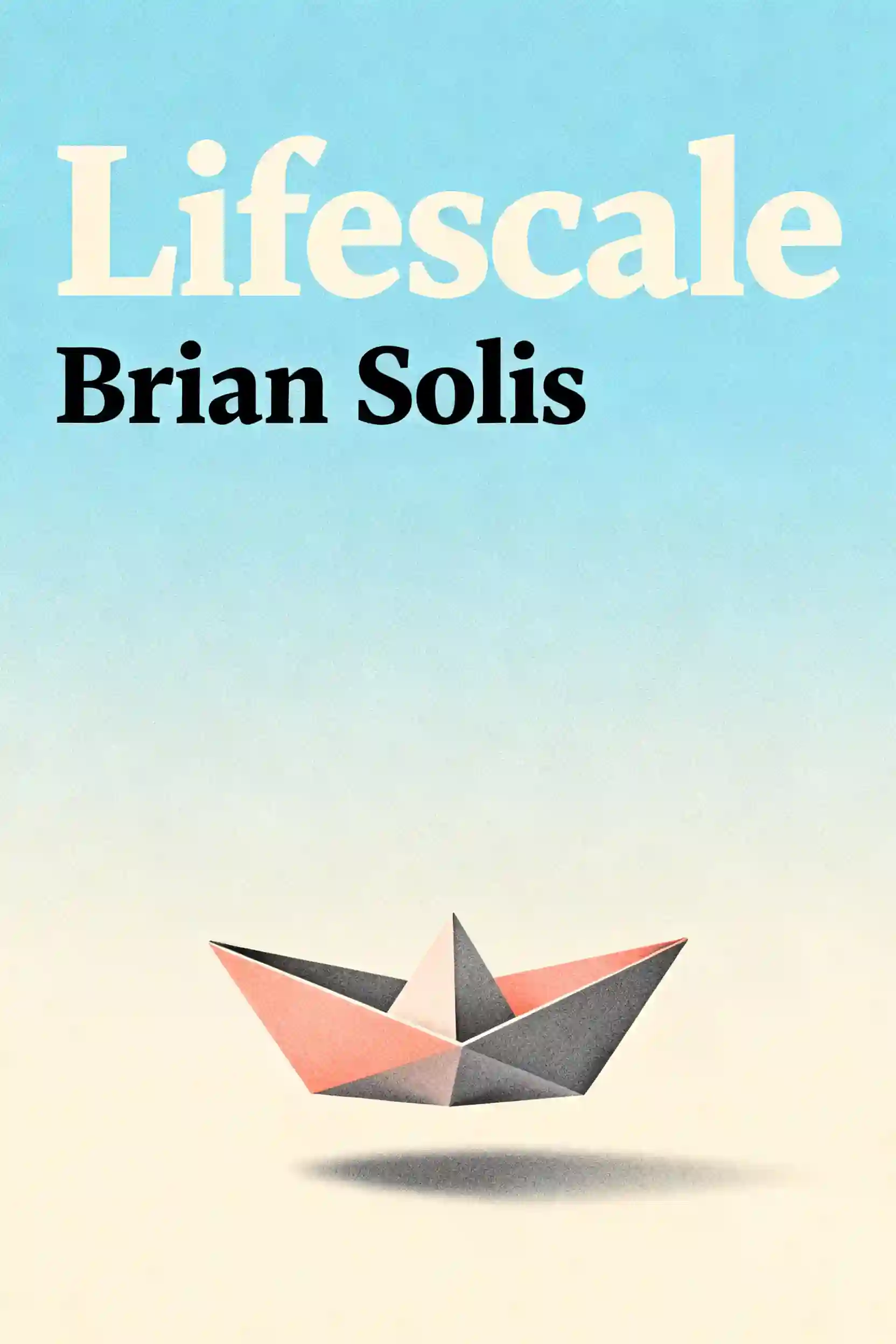
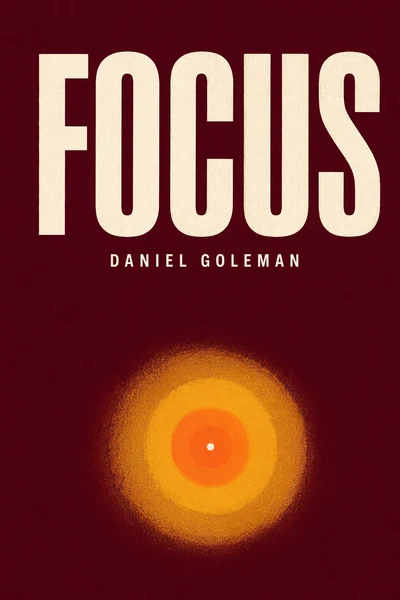
Perguntas frequentes
Attention residue is a cognitive phenomenon where your focus remains partially stuck on a previous task after you have switched to a new one. Research by Dr. Sophie Leroy suggests that even a "quick check" of an email or a message fragments your brain's processing power, as it can take up to 23 minutes to fully regain your momentum and reach 100% focus on the new task. This constant switching creates a "distraction tax" that can cost individuals up to 40% of their overall productivity.
Simply having a smartphone within sight—even if it is turned over or silenced—acts as a "cognitive vampire" that drains your mental battery. A study from the University of Texas found that the mere presence of a phone reduces working memory capacity because the brain must actively expend energy to ignore it. Participants scored approximately 26% higher on cognitive tests when their phones were located in an entirely different room compared to having them on the desk.
There are four primary philosophies for integrating deep work based on your lifestyle and professional needs. The Monastic approach involves eliminating all shallow work and going off the grid for long periods. The Bimodal approach divides time into distinct multi-day stretches of deep and shallow work. The Rhythmic philosophy, most common for office workers, relies on a consistent, non-negotiable daily time block. Finally, the Journalistic philosophy involves switching into deep work mode instantly whenever a gap appears in a schedule, though this requires high levels of advanced attention control.
A pseudo-break involves activities like checking social media or news, which introduces new information and creates further attention residue, leaving the brain frazzled. In contrast, true attention restoration follows "Attention Restoration Theory," which suggests that the focus muscle needs "soft fascination" to recover. Effective breaks include activities that do not require directed attention, such as taking a walk, practicing 4-7-8 breathing, or looking at nature, which can boost focus for the subsequent work session.
Boredom training is the practice of resisting the urge to seek instant digital stimulation during idle moments, such as waiting in line or walking. By constantly turning to a phone at the first hint of boredom, people "Pavlov" themselves to seek distraction, weakening their executive control. Practicing being bored strengthens the brain's ability to override impulsive urges, making it easier to sustain the intense concentration required for deep work sessions.
Criado por ex-alunos da Universidade de Columbia em San Francisco
"Instead of endless scrolling, I just hit play on BeFreed. It saves me so much time."


"I never knew where to start with nonfiction—BeFreed’s book lists turned into podcasts gave me a clear path."


"Perfect balance between learning and entertainment. Finished ‘Thinking, Fast and Slow’ on my commute this week."
"Crazy how much I learned while walking the dog. BeFreed = small habits → big gains."
"Reading used to feel like a chore. Now it’s just part of my lifestyle."

"Feels effortless compared to reading. I’ve finished 6 books this month already."
"BeFreed turned my guilty doomscrolling into something that feels productive and inspiring."

"BeFreed turned my commute into learning time. 20-min podcasts are perfect for finishing books I never had time for."
"BeFreed replaced my podcast queue. Imagine Spotify for books — that’s it. 🙌"

"It is great for me to learn something from the book without reading it."
"The themed book list podcasts help me connect ideas across authors—like a guided audio journey."
"Makes me feel smarter every time before going to work"
Criado por ex-alunos da Universidade de Columbia em San Francisco
"Instead of endless scrolling, I just hit play on BeFreed. It saves me so much time."
"I never knew where to start with nonfiction—BeFreed’s book lists turned into podcasts gave me a clear path."
"Perfect balance between learning and entertainment. Finished ‘Thinking, Fast and Slow’ on my commute this week."
"Crazy how much I learned while walking the dog. BeFreed = small habits → big gains."
"Reading used to feel like a chore. Now it’s just part of my lifestyle."
"Feels effortless compared to reading. I’ve finished 6 books this month already."
"BeFreed turned my guilty doomscrolling into something that feels productive and inspiring."
"BeFreed turned my commute into learning time. 20-min podcasts are perfect for finishing books I never had time for."
"BeFreed replaced my podcast queue. Imagine Spotify for books — that’s it. 🙌"
"It is great for me to learn something from the book without reading it."
"The themed book list podcasts help me connect ideas across authors—like a guided audio journey."
"Makes me feel smarter every time before going to work"
"Instead of endless scrolling, I just hit play on BeFreed. It saves me so much time."
"I never knew where to start with nonfiction—BeFreed’s book lists turned into podcasts gave me a clear path."
"Perfect balance between learning and entertainment. Finished ‘Thinking, Fast and Slow’ on my commute this week."
"Crazy how much I learned while walking the dog. BeFreed = small habits → big gains."
"Reading used to feel like a chore. Now it’s just part of my lifestyle."
"Feels effortless compared to reading. I’ve finished 6 books this month already."
"BeFreed turned my guilty doomscrolling into something that feels productive and inspiring."
"BeFreed turned my commute into learning time. 20-min podcasts are perfect for finishing books I never had time for."
"BeFreed replaced my podcast queue. Imagine Spotify for books — that’s it. 🙌"
"It is great for me to learn something from the book without reading it."
"The themed book list podcasts help me connect ideas across authors—like a guided audio journey."
"Makes me feel smarter every time before going to work"
"Instead of endless scrolling, I just hit play on BeFreed. It saves me so much time."
"I never knew where to start with nonfiction—BeFreed’s book lists turned into podcasts gave me a clear path."
"Perfect balance between learning and entertainment. Finished ‘Thinking, Fast and Slow’ on my commute this week."
"Crazy how much I learned while walking the dog. BeFreed = small habits → big gains."
"Reading used to feel like a chore. Now it’s just part of my lifestyle."
"Feels effortless compared to reading. I’ve finished 6 books this month already."
"BeFreed turned my guilty doomscrolling into something that feels productive and inspiring."
"BeFreed turned my commute into learning time. 20-min podcasts are perfect for finishing books I never had time for."
"BeFreed replaced my podcast queue. Imagine Spotify for books — that’s it. 🙌"
"It is great for me to learn something from the book without reading it."
"The themed book list podcasts help me connect ideas across authors—like a guided audio journey."
"Makes me feel smarter every time before going to work"