The Science of Soul-Nourishing Friendships
Discover how to overcome the modern loneliness epidemic by mastering the art of vulnerability, proximity, and intentional connection to build deep, lasting adult friendships.

Melhor citação de The Science of Soul-Nourishing Friendships
Adult friendship is a deliberate act of choosing each other again and again despite the chaos. It’s not about the carefree enthusiasm of childhood; it’s about the quiet reliability of someone who knows how busy you are and still shows up.
Generated by Freedee_BC4E9336
I wanna learn how to make meaningful friendships

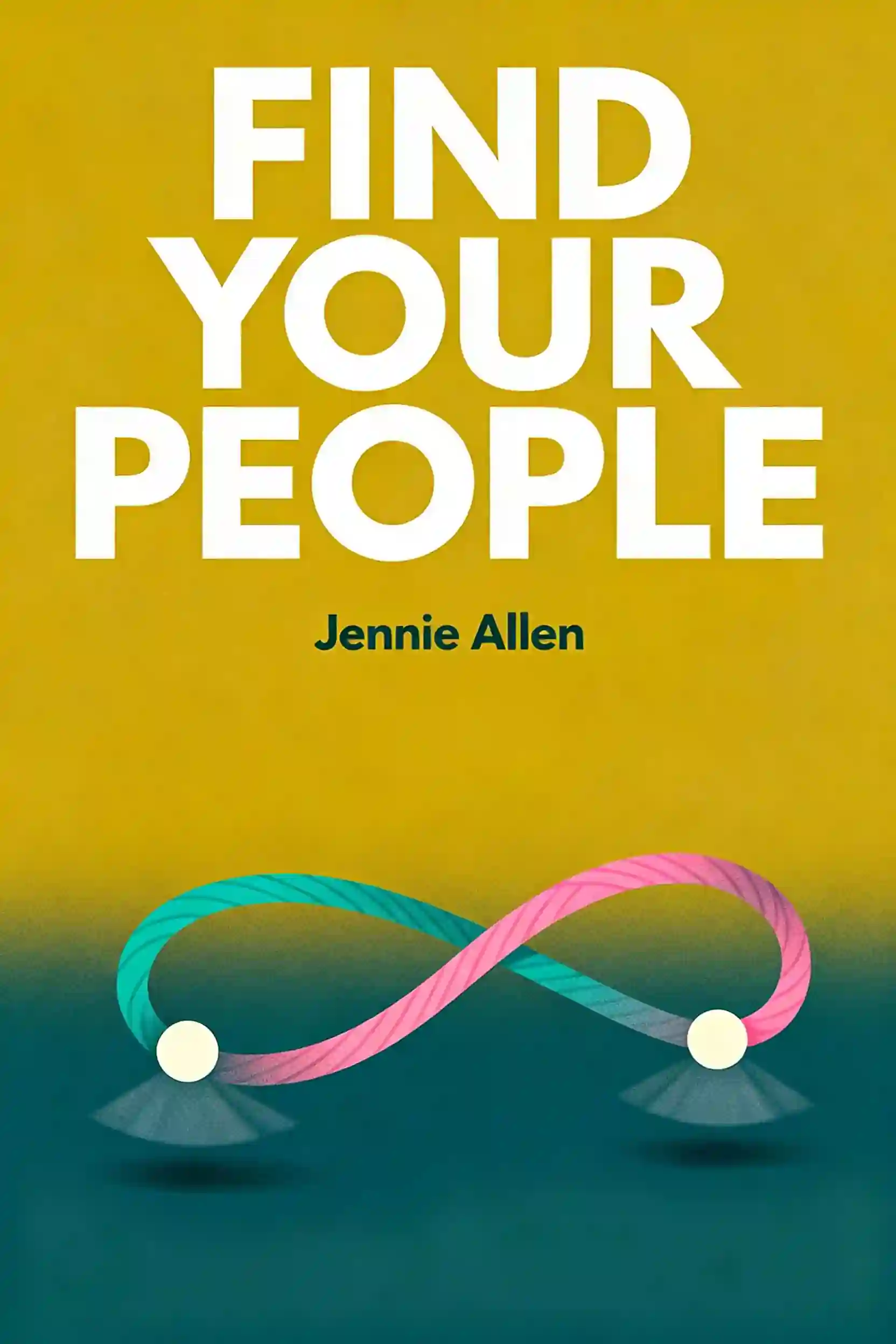
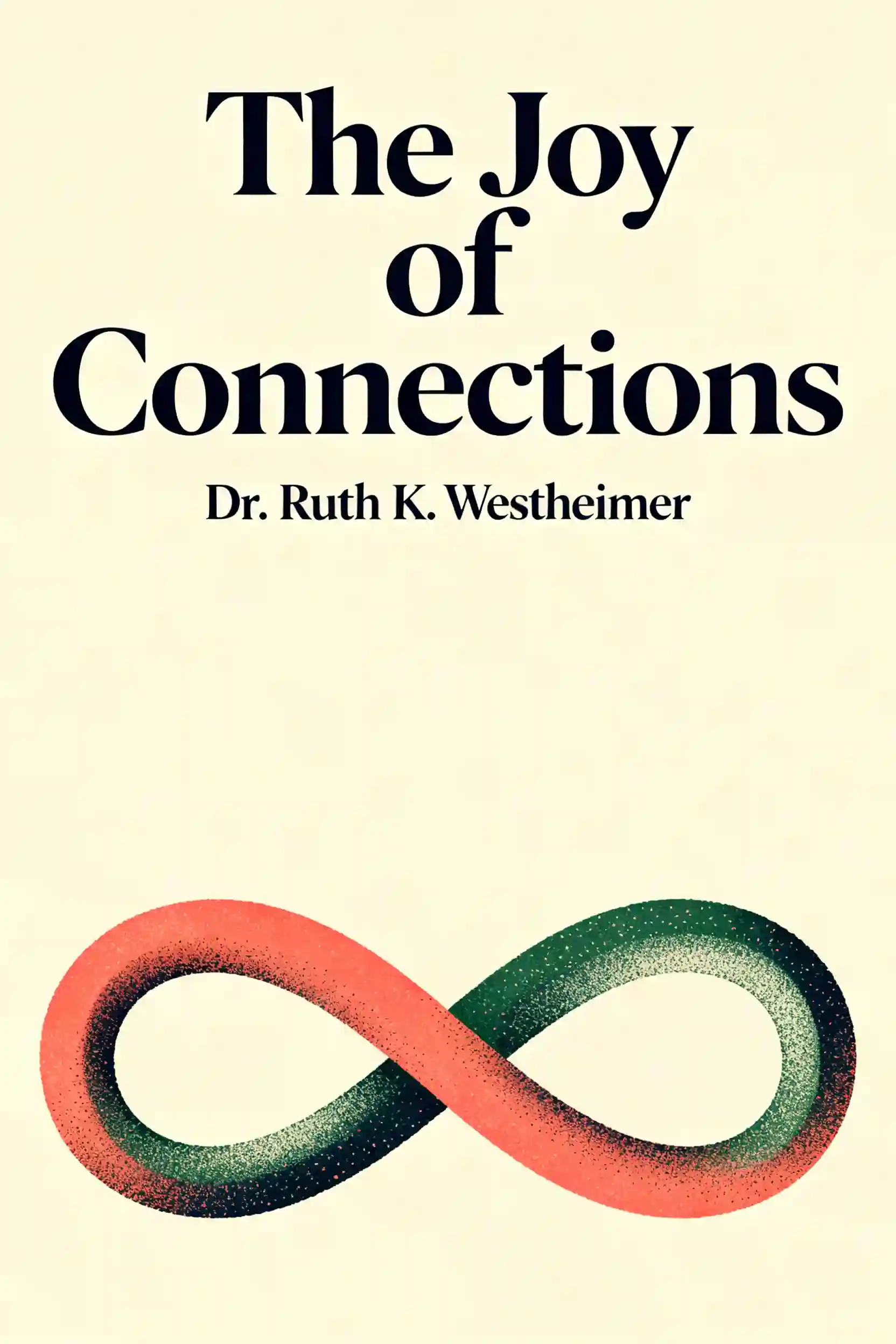
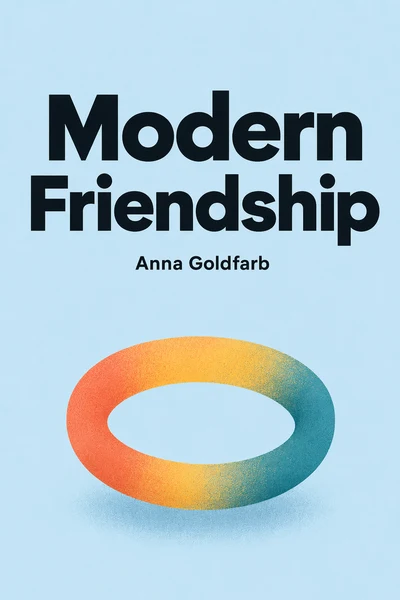
Perguntas frequentes
In childhood, school acts as a "friendship incubator" due to a concept called propinquity, which is the state of being physically close to others. Students experience the "mere exposure effect," where they naturally grow to like and trust others simply because they are in the same room on the same schedule for years. As adults, people move in separate "orbits" like different offices or home environments, meaning they no longer have that built-in proximity and must intentionally create "runways" for connection.
Building a significant bond requires a massive investment of time that chemistry alone cannot sustain. Research indicates it takes approximately fifty hours of time together to move from being a mere acquaintance to a casual friend. To reach "best friend" status, that investment jumps to over two hundred hours. Because of this long timeline, the script suggests using "social maintenance," such as scheduling standing dates, to ensure the relationship survives the busyness of adult life.
The "liking gap" is a psychological trap where, after a conversation, people consistently underestimate how much the other person actually liked them. Most people are so focused on their own perceived awkwardness or worrying if they said something "dumb" that they miss the fact that the other person is likely feeling the exact same way. Understanding this gap can provide the confidence to initiate a "first hello," knowing that the gesture is almost always more welcome than one might assume.
While diversity helps us grow, science points toward "homophily"—the tendency to bond with people who are similar to us—as the bedrock of closeness. Sharing just four major traits, such as values, life experiences, or career paths, can make two people twice as emotionally close as those who only share two. Similarity acts as a shortcut for trust because it reduces uncertainty and makes a person’s "code of conduct" more predictable and safe.
While digital platforms are great for low-stakes check-ins, they can be draining and often lack the body language and vocal cues necessary for deep connection. To grow a friendship, it is more effective to use "vocal" connections like phone calls or video chats rather than just texting. The script recommends using digital spaces to "initiate" or share "micro-moments" like memes, but moving the interaction "offline" to physical spaces as soon as possible to develop true intimacy.
Criado por ex-alunos da Universidade de Columbia em San Francisco
"Instead of endless scrolling, I just hit play on BeFreed. It saves me so much time."


"I never knew where to start with nonfiction—BeFreed’s book lists turned into podcasts gave me a clear path."


"Perfect balance between learning and entertainment. Finished ‘Thinking, Fast and Slow’ on my commute this week."
"Crazy how much I learned while walking the dog. BeFreed = small habits → big gains."
"Reading used to feel like a chore. Now it’s just part of my lifestyle."

"Feels effortless compared to reading. I’ve finished 6 books this month already."
"BeFreed turned my guilty doomscrolling into something that feels productive and inspiring."

"BeFreed turned my commute into learning time. 20-min podcasts are perfect for finishing books I never had time for."
"BeFreed replaced my podcast queue. Imagine Spotify for books — that’s it. 🙌"

"It is great for me to learn something from the book without reading it."
"The themed book list podcasts help me connect ideas across authors—like a guided audio journey."
"Makes me feel smarter every time before going to work"
Criado por ex-alunos da Universidade de Columbia em San Francisco
"Instead of endless scrolling, I just hit play on BeFreed. It saves me so much time."
"I never knew where to start with nonfiction—BeFreed’s book lists turned into podcasts gave me a clear path."
"Perfect balance between learning and entertainment. Finished ‘Thinking, Fast and Slow’ on my commute this week."
"Crazy how much I learned while walking the dog. BeFreed = small habits → big gains."
"Reading used to feel like a chore. Now it’s just part of my lifestyle."
"Feels effortless compared to reading. I’ve finished 6 books this month already."
"BeFreed turned my guilty doomscrolling into something that feels productive and inspiring."
"BeFreed turned my commute into learning time. 20-min podcasts are perfect for finishing books I never had time for."
"BeFreed replaced my podcast queue. Imagine Spotify for books — that’s it. 🙌"
"It is great for me to learn something from the book without reading it."
"The themed book list podcasts help me connect ideas across authors—like a guided audio journey."
"Makes me feel smarter every time before going to work"
"Instead of endless scrolling, I just hit play on BeFreed. It saves me so much time."
"I never knew where to start with nonfiction—BeFreed’s book lists turned into podcasts gave me a clear path."
"Perfect balance between learning and entertainment. Finished ‘Thinking, Fast and Slow’ on my commute this week."
"Crazy how much I learned while walking the dog. BeFreed = small habits → big gains."
"Reading used to feel like a chore. Now it’s just part of my lifestyle."
"Feels effortless compared to reading. I’ve finished 6 books this month already."
"BeFreed turned my guilty doomscrolling into something that feels productive and inspiring."
"BeFreed turned my commute into learning time. 20-min podcasts are perfect for finishing books I never had time for."
"BeFreed replaced my podcast queue. Imagine Spotify for books — that’s it. 🙌"
"It is great for me to learn something from the book without reading it."
"The themed book list podcasts help me connect ideas across authors—like a guided audio journey."
"Makes me feel smarter every time before going to work"
"Instead of endless scrolling, I just hit play on BeFreed. It saves me so much time."
"I never knew where to start with nonfiction—BeFreed’s book lists turned into podcasts gave me a clear path."
"Perfect balance between learning and entertainment. Finished ‘Thinking, Fast and Slow’ on my commute this week."
"Crazy how much I learned while walking the dog. BeFreed = small habits → big gains."
"Reading used to feel like a chore. Now it’s just part of my lifestyle."
"Feels effortless compared to reading. I’ve finished 6 books this month already."
"BeFreed turned my guilty doomscrolling into something that feels productive and inspiring."
"BeFreed turned my commute into learning time. 20-min podcasts are perfect for finishing books I never had time for."
"BeFreed replaced my podcast queue. Imagine Spotify for books — that’s it. 🙌"
"It is great for me to learn something from the book without reading it."
"The themed book list podcasts help me connect ideas across authors—like a guided audio journey."
"Makes me feel smarter every time before going to work"