The Power of Habit: Rewriting Your Brain’s Script
Struggling to change your routine? Discover the neurological habit loop and how shifting one keystone habit can transform your entire life.
Melhor citação de The Power of Habit: Rewriting Your Brain’s Script
You might think you’re making deliberate choices all day long, but you’re often just executing a pre-recorded script stored deep in your brain. Once you understand how a habit works, you gain the responsibility to change it.
Generated with BeFreed
An audio lesson about the book The Power of Habit, covering its key ideas and takeaways.


Perguntas frequentes
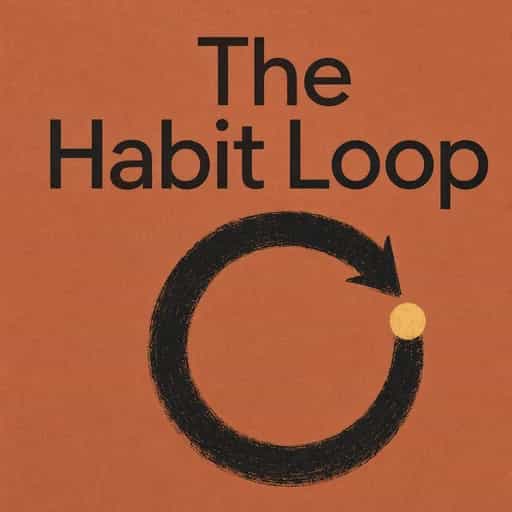
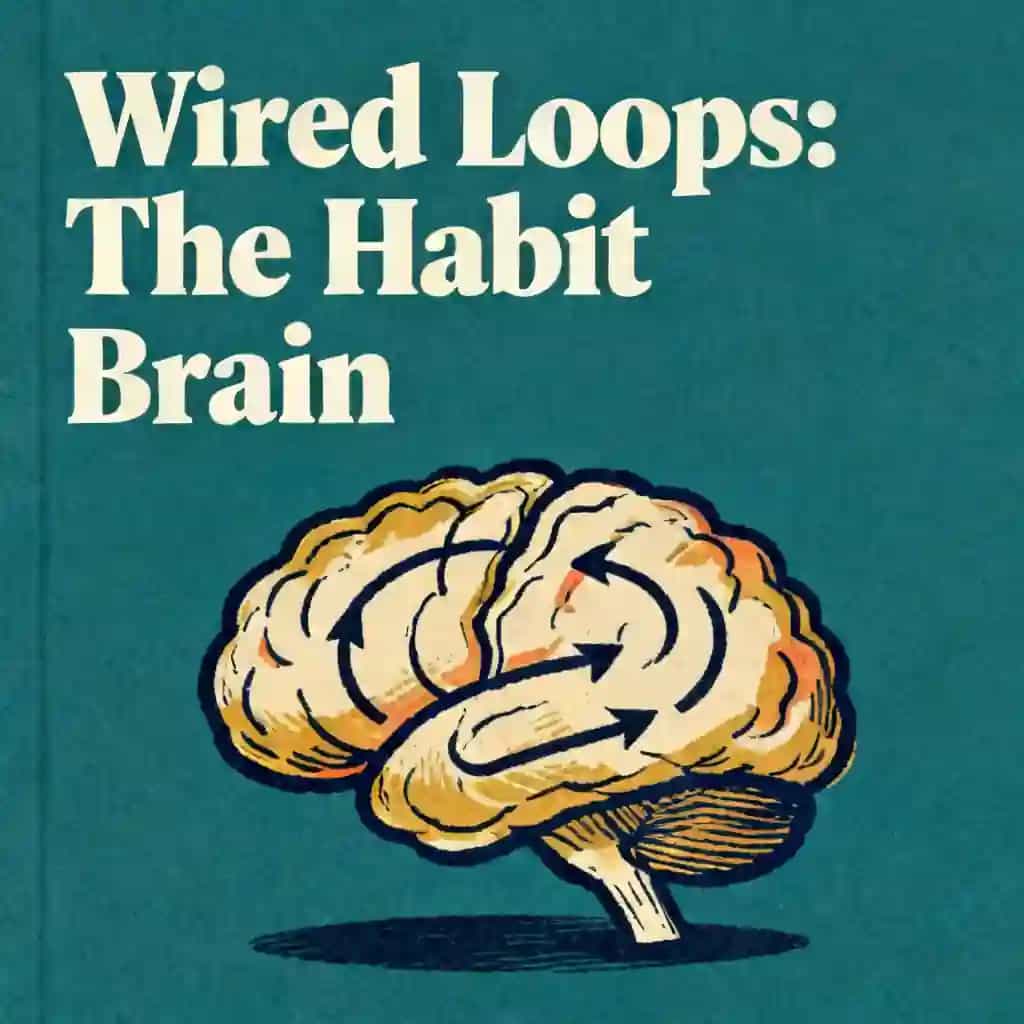
The habit loop is a three-step neurological pattern consisting of a cue, a routine, and a reward. The cue acts as a trigger that tells the brain to go into autopilot; the routine is the behavior itself; and the reward is the prize that helps the brain decide if the loop is worth remembering. These habits are stored in the basal ganglia, an ancient part of the brain that "chunks" complex actions into automatic scripts to conserve mental energy. This allows the prefrontal cortex, the thinking part of the brain, to focus on more complex tasks while the body carries out the routine.
Willpower is like a muscle that can be exhausted by stress and decision-making throughout the day. Furthermore, habits are driven by neurological cravings that emerge even before a routine begins. Once a habit loop is established, the brain anticipates the reward the moment it sees a cue. Because the basal ganglia cannot distinguish between good and bad habits, the loop will fire automatically when triggered. To successfully change a behavior, one must follow the "Golden Rule" of habit change: keep the original cue and the reward, but insert a new, healthier routine in between.
Keystone habits are specific routines that have the power to trigger a chain reaction of other positive changes. By focusing on a single keystone habit—such as exercise, worker safety, or daily planning—an individual or organization can create "small wins." These minor victories help shift a person's self-image and build a culture where further change becomes contagious. Instead of trying to fix every problem at once, identifying a keystone habit allows you to focus on the one lever that will naturally knock down other obstacles.
Habits are highly dependent on environmental cues; if a specific cue is missing or changed, the habit loop can become fragile. On a larger scale, social habits are driven by "weak ties," or casual acquaintances who exert social pressure and create a sense of obligation. Social movements and large organizations often succeed by tapping into these existing social habits and providing a shared reward. Being part of a community is also a vital component of permanent change, as the shared belief and support of a group help prevent habit loops from crumbling during times of high stress.
Criado por ex-alunos da Universidade de Columbia em San Francisco
"Instead of endless scrolling, I just hit play on BeFreed. It saves me so much time."


"I never knew where to start with nonfiction—BeFreed’s book lists turned into podcasts gave me a clear path."


"Perfect balance between learning and entertainment. Finished ‘Thinking, Fast and Slow’ on my commute this week."
"Crazy how much I learned while walking the dog. BeFreed = small habits → big gains."
"Reading used to feel like a chore. Now it’s just part of my lifestyle."

"Feels effortless compared to reading. I’ve finished 6 books this month already."
"BeFreed turned my guilty doomscrolling into something that feels productive and inspiring."

"BeFreed turned my commute into learning time. 20-min podcasts are perfect for finishing books I never had time for."
"BeFreed replaced my podcast queue. Imagine Spotify for books — that’s it. 🙌"

"It is great for me to learn something from the book without reading it."
"The themed book list podcasts help me connect ideas across authors—like a guided audio journey."
"Makes me feel smarter every time before going to work"
Criado por ex-alunos da Universidade de Columbia em San Francisco
"Instead of endless scrolling, I just hit play on BeFreed. It saves me so much time."
"I never knew where to start with nonfiction—BeFreed’s book lists turned into podcasts gave me a clear path."
"Perfect balance between learning and entertainment. Finished ‘Thinking, Fast and Slow’ on my commute this week."
"Crazy how much I learned while walking the dog. BeFreed = small habits → big gains."
"Reading used to feel like a chore. Now it’s just part of my lifestyle."
"Feels effortless compared to reading. I’ve finished 6 books this month already."
"BeFreed turned my guilty doomscrolling into something that feels productive and inspiring."
"BeFreed turned my commute into learning time. 20-min podcasts are perfect for finishing books I never had time for."
"BeFreed replaced my podcast queue. Imagine Spotify for books — that’s it. 🙌"
"It is great for me to learn something from the book without reading it."
"The themed book list podcasts help me connect ideas across authors—like a guided audio journey."
"Makes me feel smarter every time before going to work"
"Instead of endless scrolling, I just hit play on BeFreed. It saves me so much time."
"I never knew where to start with nonfiction—BeFreed’s book lists turned into podcasts gave me a clear path."
"Perfect balance between learning and entertainment. Finished ‘Thinking, Fast and Slow’ on my commute this week."
"Crazy how much I learned while walking the dog. BeFreed = small habits → big gains."
"Reading used to feel like a chore. Now it’s just part of my lifestyle."
"Feels effortless compared to reading. I’ve finished 6 books this month already."
"BeFreed turned my guilty doomscrolling into something that feels productive and inspiring."
"BeFreed turned my commute into learning time. 20-min podcasts are perfect for finishing books I never had time for."
"BeFreed replaced my podcast queue. Imagine Spotify for books — that’s it. 🙌"
"It is great for me to learn something from the book without reading it."
"The themed book list podcasts help me connect ideas across authors—like a guided audio journey."
"Makes me feel smarter every time before going to work"
"Instead of endless scrolling, I just hit play on BeFreed. It saves me so much time."
"I never knew where to start with nonfiction—BeFreed’s book lists turned into podcasts gave me a clear path."
"Perfect balance between learning and entertainment. Finished ‘Thinking, Fast and Slow’ on my commute this week."
"Crazy how much I learned while walking the dog. BeFreed = small habits → big gains."
"Reading used to feel like a chore. Now it’s just part of my lifestyle."
"Feels effortless compared to reading. I’ve finished 6 books this month already."
"BeFreed turned my guilty doomscrolling into something that feels productive and inspiring."
"BeFreed turned my commute into learning time. 20-min podcasts are perfect for finishing books I never had time for."
"BeFreed replaced my podcast queue. Imagine Spotify for books — that’s it. 🙌"
"It is great for me to learn something from the book without reading it."
"The themed book list podcasts help me connect ideas across authors—like a guided audio journey."
"Makes me feel smarter every time before going to work"