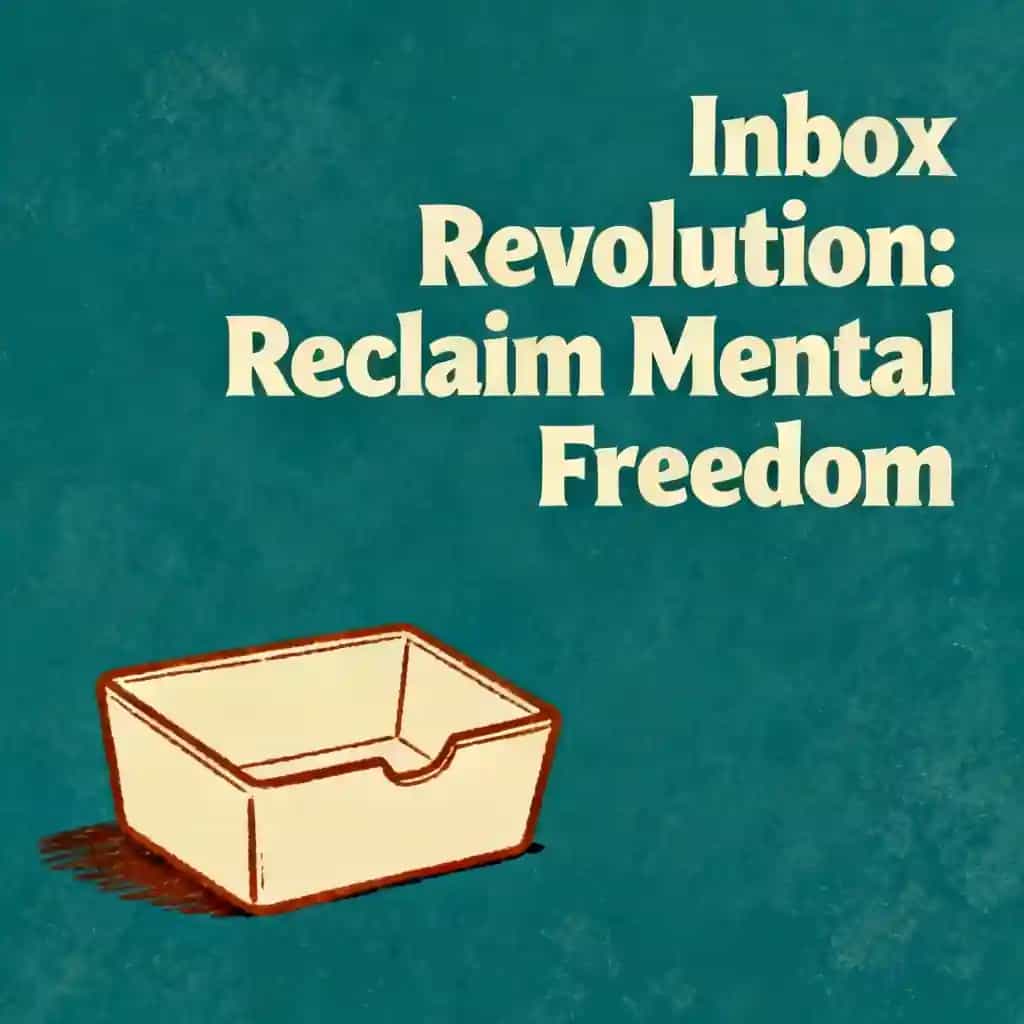
The Physician’s Inbox: Mastering High-Impact Medical Newsletters
Learn how to bypass inbox fatigue and build physician trust through scientific storytelling, data-driven subject lines, and efficient visual architecture.

Melhor citação de The Physician’s Inbox: Mastering High-Impact Medical Newsletters
Scientific storytelling isn't about making things up—it's about aligning with how the human brain naturally processes info. When we hear a narrative, our brains release dopamine for focus and oxytocin for empathy, making the information up to 22 times more memorable than just listing facts.

Esta aula em áudio foi criada por um membro da comunidade BeFreed
How write a medical newsletters physician readers will want to read

Perguntas frequentes
Physicians suffer from "inbox fatigue" due to extreme time constraints and a tendency to delete anything that looks like a waste of time. Research shows that only 28% regularly read cover-to-cover journals, and many skip emails with vague subject lines like "Important News." To capture their attention, titles must be specific and value-driven, such as "New Test Detects Pancreatic Cancer Before Symptoms Appear." This "what is in it for me" factor immediately tells a busy doctor how the information can help their patients the next day.
The Story Tree model is an architectural approach to content where the "trunk" is the primary clinical message, the "branches" are supporting sections, and the "leaves" are data visualizations like infographics. To make this structure compelling, the "ABT" (And, But, Therefore) framework is used to create a three-act narrative. "And" sets the clinical context, "But" introduces a conflict or gap in knowledge (such as patient non-adherence), and "Therefore" positions the clinical data as the hero or solution to that specific problem.
The messenger effect suggests that healthcare professionals trust their peers significantly more than corporate or brand accounts. According to the RealTime KOLs Study, 72% of physicians are more likely to consider information if it comes from a trusted Key Opinion Leader (KOL) rather than a generic marketing department. Featuring a respected clinical voice, such as a Chief Medical Officer or a researcher, transforms a promotional "sales pitch" into a credible "insider’s look" that 75% of physicians are willing to share with colleagues.
Busy doctors view long PDFs as "chores," whereas 63% of healthcare professionals actively seek out short-form, bite-sized content. Specifically, 57% of physicians prefer videos under five minutes. Utilizing this format can lead to a 60% increase in their intent to prescribe because it simplifies complex information and makes it more memorable. This shift from "promotional" to "educational" video content helps build a foundation of trust before a specific brand is even mentioned.
Since over 50% of emails are opened on mobile devices, newsletters must use a single-column format to avoid "pinching and zooming" on small screens. High-impact emails should place a "descriptive abstract" or a bulleted list of key takeaways at the very top, allowing a doctor to grasp the core message in ten seconds. Additionally, calls to action (CTAs) should use large, touch-friendly buttons, and content should be segmented by specialty to ensure relevance, as 61% of physicians find personalized educational content extremely important.
Descubra mais

Mastering Influence Through Strategic Storytelling
In an era of information overload, the ability to frame data within a compelling narrative is a critical leadership skill. This plan is designed for professionals and leaders who need to move beyond facts to inspire action and build lasting authority.

Excel as a Med Student & Future Doctor 💊🏥
In an increasingly data-driven healthcare landscape, traditional medical training often overlooks technical proficiency. This plan bridges that gap, empowering medical students and residents to master data analytics and automation for better clinical outcomes.

Build Mindset & Become a Great Doctor
This plan is essential for medical students and early-career physicians who want to balance clinical expertise with emotional intelligence and leadership. It provides a holistic roadmap for those seeking to transition from being technically proficient to becoming truly impactful healers.

Master Mind, Body, Habits & Wellness
In an era of burnout and information overload, this plan provides a science-based framework for sustainable personal transformation. It is ideal for high-achievers and busy professionals looking to optimize their mental clarity, physical health, and daily routines for long-term success.

Master engaging, concise market news delivery
In an era of information overload, the ability to distill complex market shifts into engaging narratives is a vital skill for financial professionals and journalists. This plan is ideal for aspiring market analysts and content creators looking to build authority and drive audience engagement through high-impact digital reporting.

Master medicine and achieve peak performance
This program is designed for medical professionals and students who aspire to go beyond basic clinical competence. It uniquely integrates rigorous medical science with high-performance psychology and leadership to develop the next generation of elite physicians.

Be a top doctor and lifelong learner
This learning plan is designed for medical professionals who aspire to transcend standard clinical practice and achieve true excellence. It is ideal for residents and attending physicians seeking to balance high-level clinical mastery with sustainable leadership and a growth mindset.

Mastering Science, Tech, Health & Growth
In an era of rapid technological change and health misinformation, this plan provides a multidisciplinary roadmap for modern excellence. It is designed for lifelong learners and professionals seeking to integrate scientific reasoning, AI literacy, and peak physical performance into their daily lives.
Criado por ex-alunos da Universidade de Columbia em San Francisco
"Instead of endless scrolling, I just hit play on BeFreed. It saves me so much time."


"I never knew where to start with nonfiction—BeFreed’s book lists turned into podcasts gave me a clear path."


"Perfect balance between learning and entertainment. Finished ‘Thinking, Fast and Slow’ on my commute this week."
"Crazy how much I learned while walking the dog. BeFreed = small habits → big gains."
"Reading used to feel like a chore. Now it’s just part of my lifestyle."

"Feels effortless compared to reading. I’ve finished 6 books this month already."
"BeFreed turned my guilty doomscrolling into something that feels productive and inspiring."

"BeFreed turned my commute into learning time. 20-min podcasts are perfect for finishing books I never had time for."
"BeFreed replaced my podcast queue. Imagine Spotify for books — that’s it. 🙌"

"It is great for me to learn something from the book without reading it."
"The themed book list podcasts help me connect ideas across authors—like a guided audio journey."
"Makes me feel smarter every time before going to work"
Criado por ex-alunos da Universidade de Columbia em San Francisco
"Instead of endless scrolling, I just hit play on BeFreed. It saves me so much time."
"I never knew where to start with nonfiction—BeFreed’s book lists turned into podcasts gave me a clear path."
"Perfect balance between learning and entertainment. Finished ‘Thinking, Fast and Slow’ on my commute this week."
"Crazy how much I learned while walking the dog. BeFreed = small habits → big gains."
"Reading used to feel like a chore. Now it’s just part of my lifestyle."
"Feels effortless compared to reading. I’ve finished 6 books this month already."
"BeFreed turned my guilty doomscrolling into something that feels productive and inspiring."
"BeFreed turned my commute into learning time. 20-min podcasts are perfect for finishing books I never had time for."
"BeFreed replaced my podcast queue. Imagine Spotify for books — that’s it. 🙌"
"It is great for me to learn something from the book without reading it."
"The themed book list podcasts help me connect ideas across authors—like a guided audio journey."
"Makes me feel smarter every time before going to work"
"Instead of endless scrolling, I just hit play on BeFreed. It saves me so much time."
"I never knew where to start with nonfiction—BeFreed’s book lists turned into podcasts gave me a clear path."
"Perfect balance between learning and entertainment. Finished ‘Thinking, Fast and Slow’ on my commute this week."
"Crazy how much I learned while walking the dog. BeFreed = small habits → big gains."
"Reading used to feel like a chore. Now it’s just part of my lifestyle."
"Feels effortless compared to reading. I’ve finished 6 books this month already."
"BeFreed turned my guilty doomscrolling into something that feels productive and inspiring."
"BeFreed turned my commute into learning time. 20-min podcasts are perfect for finishing books I never had time for."
"BeFreed replaced my podcast queue. Imagine Spotify for books — that’s it. 🙌"
"It is great for me to learn something from the book without reading it."
"The themed book list podcasts help me connect ideas across authors—like a guided audio journey."
"Makes me feel smarter every time before going to work"
"Instead of endless scrolling, I just hit play on BeFreed. It saves me so much time."
"I never knew where to start with nonfiction—BeFreed’s book lists turned into podcasts gave me a clear path."
"Perfect balance between learning and entertainment. Finished ‘Thinking, Fast and Slow’ on my commute this week."
"Crazy how much I learned while walking the dog. BeFreed = small habits → big gains."
"Reading used to feel like a chore. Now it’s just part of my lifestyle."
"Feels effortless compared to reading. I’ve finished 6 books this month already."
"BeFreed turned my guilty doomscrolling into something that feels productive and inspiring."
"BeFreed turned my commute into learning time. 20-min podcasts are perfect for finishing books I never had time for."
"BeFreed replaced my podcast queue. Imagine Spotify for books — that’s it. 🙌"
"It is great for me to learn something from the book without reading it."
"The themed book list podcasts help me connect ideas across authors—like a guided audio journey."
"Makes me feel smarter every time before going to work"