Explore how Leonardo da Vinci and Albrecht Dürer used the golden ratio and geometric grids to encode mathematical beauty into masterpieces like the Mona Lisa.

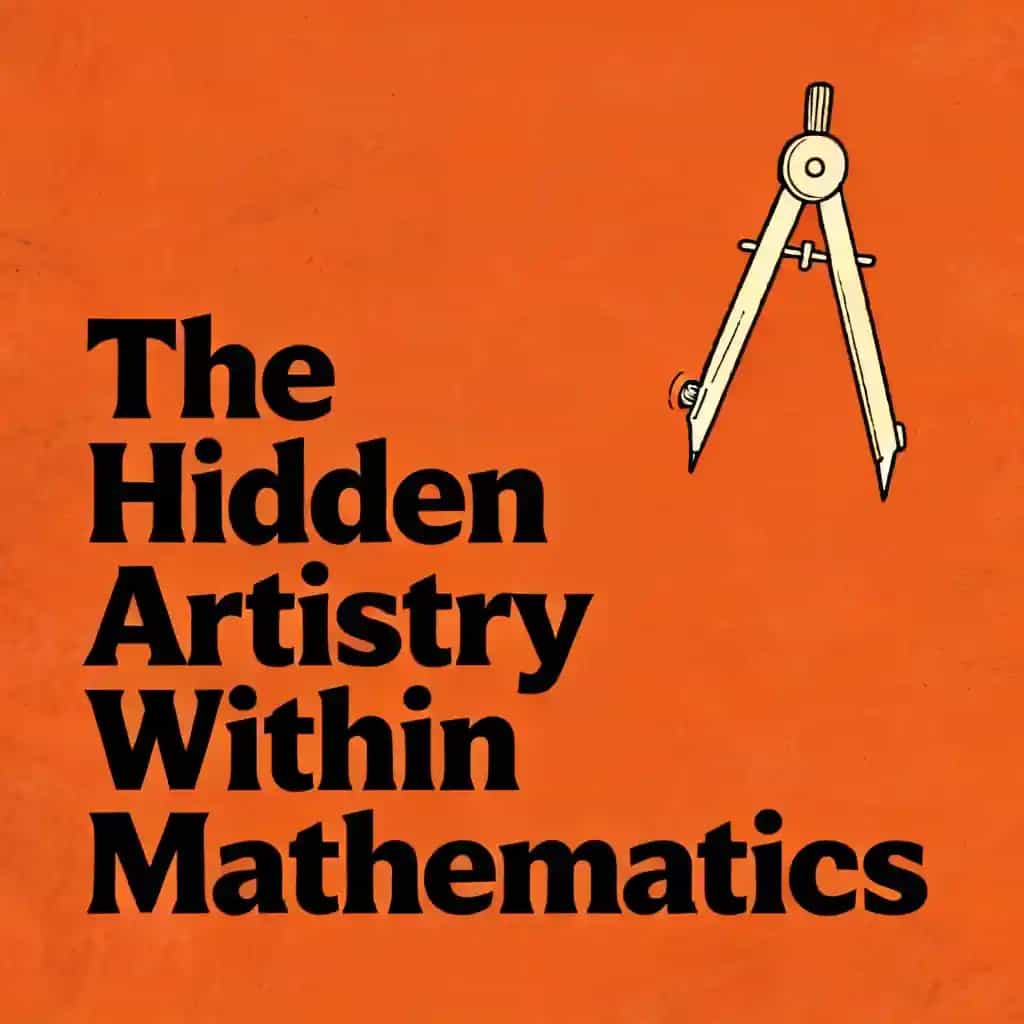
The Renaissance masters showed us that math is not the enemy of creativity; it is the framework that allows creativity to flourish.
The hidden mathematics behind Renaissance paintings: how Leonardo da Vinci and Albrecht Durer used the golden ratio, perspective grids, and geometric proportions to encode visual harmony into Mona Lisa, The Last Supper, and Melencolia I


Leonardo da Vinci utilized the golden ratio and complex geometric grids to engineer visual experiences that resonate with the human subconscious. By applying a specific ratio of 1 to 1.618, he was able to encode harmony directly into his portraits, such as the Mona Lisa. This mathematical approach allowed him to govern details like the curve of a lip or the depth of a room, creating a profound sense of balance that makes his compositions feel unnervingly right to the viewer.
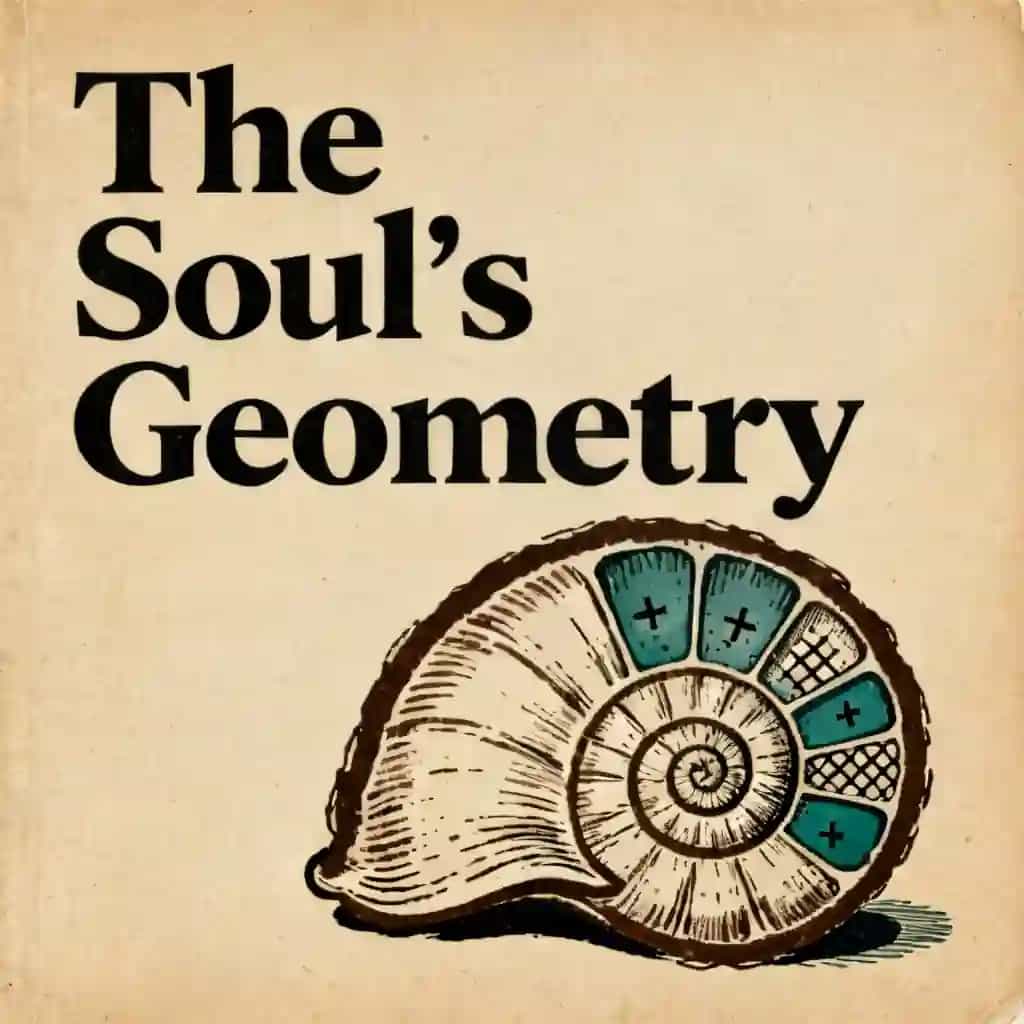
For Renaissance masters like Albrecht Dürer and Leonardo da Vinci, geometry was considered the brushstroke of the divine rather than a dry academic chore. They believed the universe was written in a mathematical language, and they used perspective grids and geometric proportions to capture true beauty. Dürer applied these principles to create captivating works like Melencolia I, using the language of geometry to bridge the gap between the physical world and mathematical ideals.
The magnetic pull of the Mona Lisa is attributed to Leonardo da Vinci’s use of a secret mathematical language rather than just the magic of oil paint. By using the golden ratio and geometric grids, da Vinci created a composition that feels profoundly harmonious. This mathematical engineering causes her smile to flicker and her eyes to track movement, ensuring the portrait remains a masterpiece that holds audiences captive centuries after its creation.
In masterpieces like The Last Supper, the connection between mathematics and beauty is found in the use of perspective grids and geometric proportions. Renaissance artists believed that to capture true beauty, they had to speak the language of geometry fluently. By encoding these mathematical principles into the composition, they created a sense of divine harmony that continues to define the mathematical soul of art and influences how we perceive visual perfection today.
Criado por ex-alunos da Universidade de Columbia em San Francisco
"Instead of endless scrolling, I just hit play on BeFreed. It saves me so much time."
"I never knew where to start with nonfiction—BeFreed’s book lists turned into podcasts gave me a clear path."
"Perfect balance between learning and entertainment. Finished ‘Thinking, Fast and Slow’ on my commute this week."
"Crazy how much I learned while walking the dog. BeFreed = small habits → big gains."
"Reading used to feel like a chore. Now it’s just part of my lifestyle."
"Feels effortless compared to reading. I’ve finished 6 books this month already."
"BeFreed turned my guilty doomscrolling into something that feels productive and inspiring."
"BeFreed turned my commute into learning time. 20-min podcasts are perfect for finishing books I never had time for."
"BeFreed replaced my podcast queue. Imagine Spotify for books — that’s it. 🙌"
"It is great for me to learn something from the book without reading it."
"The themed book list podcasts help me connect ideas across authors—like a guided audio journey."
"Makes me feel smarter every time before going to work"
Criado por ex-alunos da Universidade de Columbia em San Francisco