Existentialism: Architects of the Modern Soul | Sartre & Nietzsche
Explore existentialism with Sartre and Nietzsche. Learn why existence precedes essence and how to navigate modern identity when traditional moral absolutes fade.

Melhor citação de Existentialism: Architects of the Modern Soul | Sartre & Nietzsche
You weren't born with a 'nature' that dictates who you must be; you 'turn up' on the scene and then define yourself through your actions. You are, in Sartre’s words, 'condemned to be free.'
Generated by Panaueotis Stanitsas
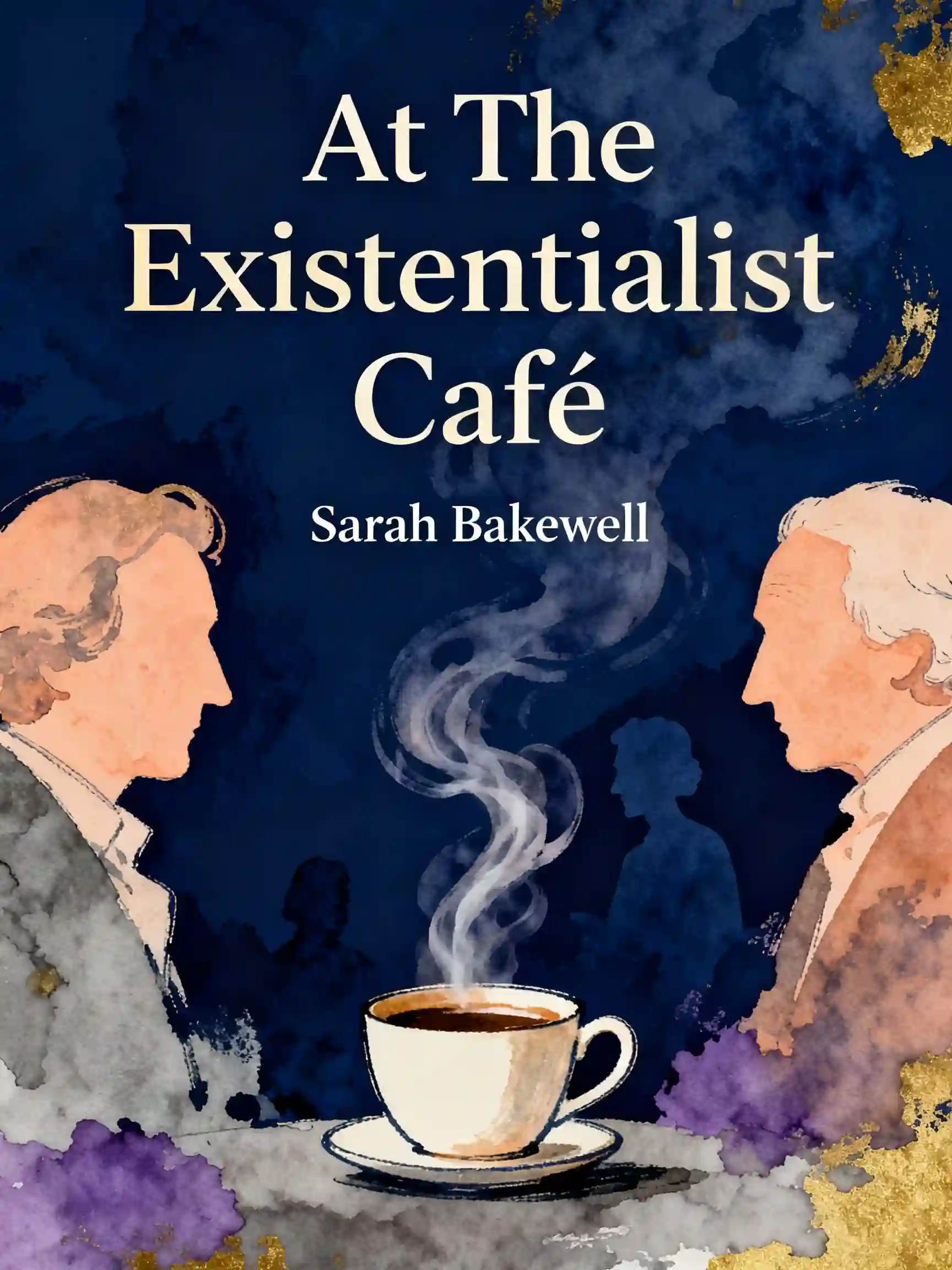
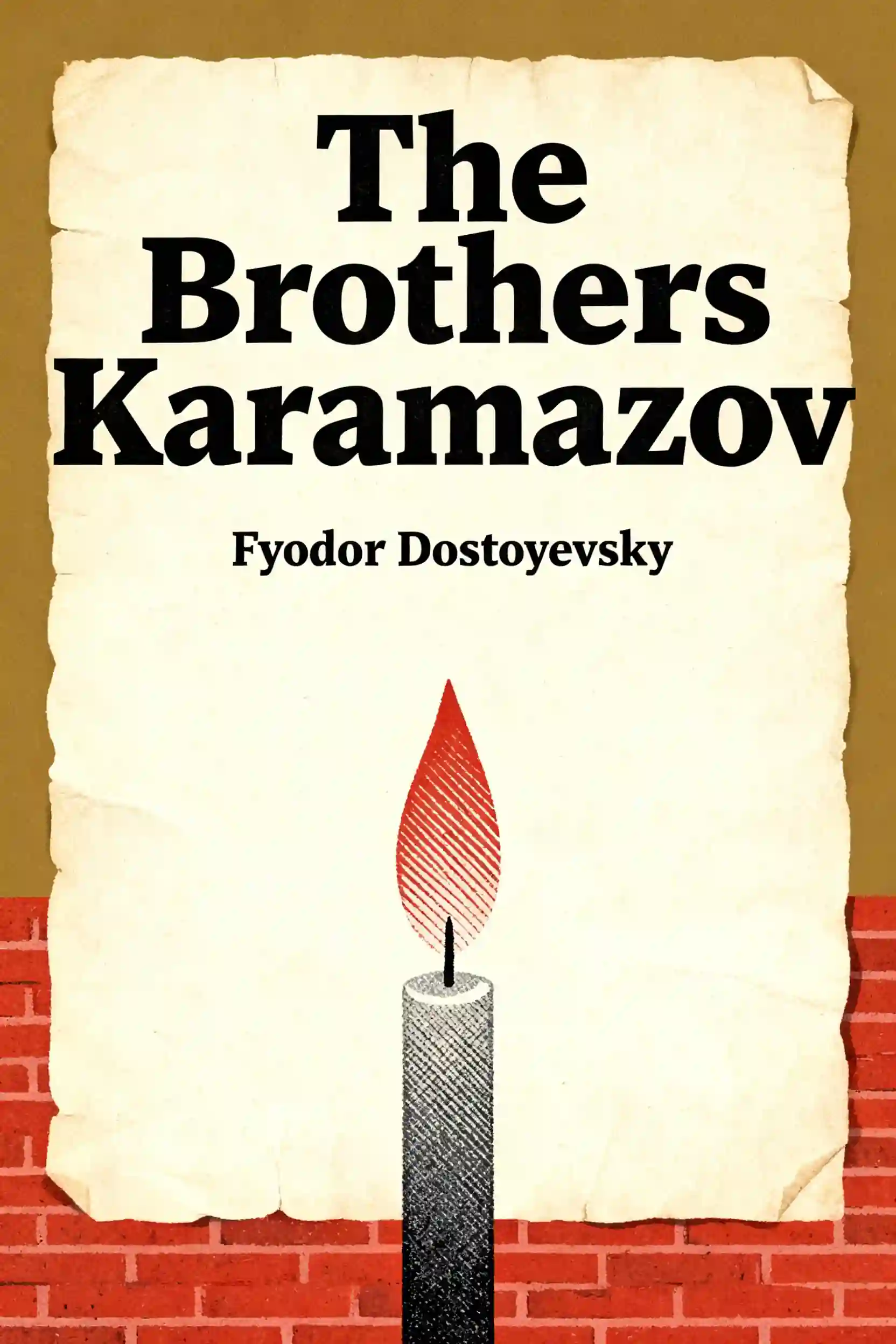
Dostoevsky, Kierkegaard, Nietzsche and Kafka





Perguntas frequentes
According to Jean-Paul Sartre, this concept means that humans are born without a pre-written destiny or essence. Unlike objects designed for a specific purpose, you exist first and then define your own identity through your choices. This philosophy positions you as the sole architect of your soul, meaning there is no fixed script or map to follow, leaving you entirely responsible for the person you ultimately become.
Friedrich Nietzsche and Jean-Paul Sartre are key figures who help us understand the modern struggle for meaning. Nietzsche described a world where old moral absolutes have collapsed, leaving us to wander through an endless nothing. Sartre built upon this by emphasizing that we must create our own values. Together, their existential philosophy explains why modern individuals often feel the weight of freedom when navigating a world without traditional North Stars.
Existentialism remains relevant because many people experience an 'existentialist moment' where their routines and values feel like a stage set. In an era where science provides tools but not purpose, and social media offers a crowd rather than a community, the teachings of Dostoevsky, Kierkegaard, Nietzsche, and Sartre offer a framework. They address the unsettling realization that we must find our own way when traditional maps for life no longer exist.
The discussion focuses on four pivotal thinkers who shaped existentialist thought: Fyodor Dostoevsky, Søren Kierkegaard, Friedrich Nietzsche, and Jean-Paul Sartre. These philosophers explored the terrifying yet empowering reality of human freedom. By examining their work, we can better understand the historical and personal shift toward individual responsibility and the heavy weight of making choices in a world that lacks pre-determined meaning or moral absolutes.
Criado por ex-alunos da Universidade de Columbia em San Francisco
"Instead of endless scrolling, I just hit play on BeFreed. It saves me so much time."


"I never knew where to start with nonfiction—BeFreed’s book lists turned into podcasts gave me a clear path."


"Perfect balance between learning and entertainment. Finished ‘Thinking, Fast and Slow’ on my commute this week."
"Crazy how much I learned while walking the dog. BeFreed = small habits → big gains."
"Reading used to feel like a chore. Now it’s just part of my lifestyle."

"Feels effortless compared to reading. I’ve finished 6 books this month already."
"BeFreed turned my guilty doomscrolling into something that feels productive and inspiring."

"BeFreed turned my commute into learning time. 20-min podcasts are perfect for finishing books I never had time for."
"BeFreed replaced my podcast queue. Imagine Spotify for books — that’s it. 🙌"

"It is great for me to learn something from the book without reading it."
"The themed book list podcasts help me connect ideas across authors—like a guided audio journey."
"Makes me feel smarter every time before going to work"
Criado por ex-alunos da Universidade de Columbia em San Francisco
"Instead of endless scrolling, I just hit play on BeFreed. It saves me so much time."
"I never knew where to start with nonfiction—BeFreed’s book lists turned into podcasts gave me a clear path."
"Perfect balance between learning and entertainment. Finished ‘Thinking, Fast and Slow’ on my commute this week."
"Crazy how much I learned while walking the dog. BeFreed = small habits → big gains."
"Reading used to feel like a chore. Now it’s just part of my lifestyle."
"Feels effortless compared to reading. I’ve finished 6 books this month already."
"BeFreed turned my guilty doomscrolling into something that feels productive and inspiring."
"BeFreed turned my commute into learning time. 20-min podcasts are perfect for finishing books I never had time for."
"BeFreed replaced my podcast queue. Imagine Spotify for books — that’s it. 🙌"
"It is great for me to learn something from the book without reading it."
"The themed book list podcasts help me connect ideas across authors—like a guided audio journey."
"Makes me feel smarter every time before going to work"
"Instead of endless scrolling, I just hit play on BeFreed. It saves me so much time."
"I never knew where to start with nonfiction—BeFreed’s book lists turned into podcasts gave me a clear path."
"Perfect balance between learning and entertainment. Finished ‘Thinking, Fast and Slow’ on my commute this week."
"Crazy how much I learned while walking the dog. BeFreed = small habits → big gains."
"Reading used to feel like a chore. Now it’s just part of my lifestyle."
"Feels effortless compared to reading. I’ve finished 6 books this month already."
"BeFreed turned my guilty doomscrolling into something that feels productive and inspiring."
"BeFreed turned my commute into learning time. 20-min podcasts are perfect for finishing books I never had time for."
"BeFreed replaced my podcast queue. Imagine Spotify for books — that’s it. 🙌"
"It is great for me to learn something from the book without reading it."
"The themed book list podcasts help me connect ideas across authors—like a guided audio journey."
"Makes me feel smarter every time before going to work"
"Instead of endless scrolling, I just hit play on BeFreed. It saves me so much time."
"I never knew where to start with nonfiction—BeFreed’s book lists turned into podcasts gave me a clear path."
"Perfect balance between learning and entertainment. Finished ‘Thinking, Fast and Slow’ on my commute this week."
"Crazy how much I learned while walking the dog. BeFreed = small habits → big gains."
"Reading used to feel like a chore. Now it’s just part of my lifestyle."
"Feels effortless compared to reading. I’ve finished 6 books this month already."
"BeFreed turned my guilty doomscrolling into something that feels productive and inspiring."
"BeFreed turned my commute into learning time. 20-min podcasts are perfect for finishing books I never had time for."
"BeFreed replaced my podcast queue. Imagine Spotify for books — that’s it. 🙌"
"It is great for me to learn something from the book without reading it."
"The themed book list podcasts help me connect ideas across authors—like a guided audio journey."
"Makes me feel smarter every time before going to work"