BeFreed
    Categories>Psychology>Self-improvement: Why your brain confuses learning with doing

    Self-improvement: Why your brain confuses learning with doing

    30 min
    |
    |
    7 de abr. de 2026
    PsychologySelf HelpPersonal Development

    Struggling to turn books into habits? Learn why your brain tricks you into feeling productive and how to bridge the gap to real action.

    Self-improvement: Why your brain confuses learning with doing

    Melhor citação de Self-improvement: Why your brain confuses learning with doing

    “

    The average time it takes for a behavior to become truly automatic is actually around 66 days. We need to stop asking 'How long will this take?' and start asking 'How can I increase the probability of repeating this tomorrow?'

    ”

    Esta aula em áudio foi criada por um membro da comunidade BeFreed

    Pergunta de entrada

    Self improvement

    Vozes dos apresentadores
    Lenaplay
    Milesplay
    Estilo de aprendizagem
    Profundo
    Fontes de conhecimento
    Stick with It
    Badass Habits
    Making Habits, Breaking Habits
    Good Habits, Bad Habits
    The Kindness Method
    Emotional intelligence

    Perguntas frequentes

    Descubra mais

    Beat procrastination, boost productivity

    Beat procrastination, boost productivity

    PLANO DE APRENDIZADO

    Beat procrastination, boost productivity

    This learning plan is essential for anyone struggling to bridge the gap between intention and action. Whether you're a professional drowning in tasks, a student battling deadlines, or an entrepreneur unable to execute on ideas, this comprehensive approach addresses both the psychological roots and practical systems needed for sustainable productivity. By combining neuroscience, proven frameworks, and peak performance strategies, you'll gain the tools to not just work harder, but smarter and more consistently.

    2 h 10 m•4 Seções
    Grow habits & self-confidence

    Grow habits & self-confidence

    PLANO DE APRENDIZADO

    Grow habits & self-confidence

    This learning plan is essential for anyone struggling with consistency, self-doubt, or feeling stuck in patterns they want to change. It combines neuroscience, psychology, and behavioral science to provide practical tools for building the habits and confidence needed to achieve meaningful goals. Ideal for professionals, students, entrepreneurs, or anyone seeking sustainable personal growth and the ability to follow through on their aspirations.

    2 h 4 m•4 Seções
    Study Psychology, Habits & Self-Improvement

    Study Psychology, Habits & Self-Improvement

    PLANO DE APRENDIZADO

    Study Psychology, Habits & Self-Improvement

    This learning plan bridges the gap between psychological theory and practical self-mastery by exploring the neurological roots of our actions. It is ideal for individuals seeking to break negative cycles and high-performers looking to optimize their behavior through science.

    3 h 39 m•4 Seções
    Self-Improvement, Habits & Psychology Study

    Self-Improvement, Habits & Psychology Study

    PLANO DE APRENDIZADO

    Self-Improvement, Habits & Psychology Study

    This plan bridges the gap between psychological theory and practical self-mastery by focusing on the mechanics of human behavior. It is ideal for professionals and lifelong learners who want to optimize their mental frameworks, break stagnant patterns, and build lasting emotional resilience.

    2 h 16 m•4 Seções
    Stop Overthinking and Take Action

    Stop Overthinking and Take Action

    PLANO DE APRENDIZADO

    Stop Overthinking and Take Action

    Overthinking traps millions in endless loops of analysis that prevent meaningful progress and cause unnecessary stress. This learning plan equips anyone struggling with decision paralysis or procrastination with practical tools to break free from mental gridlock and take consistent, purposeful action.

    1 h 49 m•5 Seções
    How to stay on track even when unmotivated

    How to stay on track even when unmotivated

    PLANO DE APRENDIZADO

    How to stay on track even when unmotivated

    This learning plan is essential for anyone who struggles with the 'all-or-nothing' cycle of productivity and wants to replace fleeting motivation with reliable systems. It is ideal for professionals, students, and creatives looking to build lifelong discipline through behavioral science and habit architecture.

    2 h 36 m•4 Seções
    Learn better

    Learn better

    PLANO DE APRENDIZADO

    Learn better

    Most people struggle to learn effectively because they rely on outdated study methods that don't align with how the brain actually works. This learning plan is essential for students, professionals, and anyone who wants to acquire new skills faster and retain knowledge longer. Whether you're preparing for exams, advancing your career, or simply passionate about self-improvement, mastering the science of learning will multiply your effectiveness in every area of life.

    1 h 35 m•4 Seções
    Improve actions & behavior

    Improve actions & behavior

    PLANO DE APRENDIZADO

    Improve actions & behavior

    This learning plan is essential for anyone struggling to bridge the gap between knowing what to do and actually doing it consistently. Whether you're looking to build better habits, break destructive patterns, or achieve peak performance in any area of life, mastering the fundamentals of behavior change is the foundation for all personal growth. This structured approach benefits professionals, students, athletes, and anyone committed to becoming the person they aspire to be.

    2 h 14 m•4 Seções

    Criado por ex-alunos da Universidade de Columbia em San Francisco

    BeFreed Reúne Uma Comunidade Global De 1,000,000 Mentes Curiosas
    Veja mais sobre como o BeFreed é discutido na web

    "Instead of endless scrolling, I just hit play on BeFreed. It saves me so much time."

    @Moemenn
    platform
    star
    star
    star
    star
    star

    "I never knew where to start with nonfiction—BeFreed’s book lists turned into podcasts gave me a clear path."

    @Chloe, Solo founder, LA
    platform
    comments
    12
    likes
    117

    "Perfect balance between learning and entertainment. Finished ‘Thinking, Fast and Slow’ on my commute this week."

    @Raaaaaachelw
    platform
    star
    star
    star
    star
    star

    "Crazy how much I learned while walking the dog. BeFreed = small habits → big gains."

    @Matt, YC alum
    platform
    comments
    12
    likes
    108

    "Reading used to feel like a chore. Now it’s just part of my lifestyle."

    @Erin, Investment Banking Associate , NYC
    platform
    comments
    254
    likes
    17

    "Feels effortless compared to reading. I’ve finished 6 books this month already."

    @djmikemoore
    platform
    star
    star
    star
    star
    star

    "BeFreed turned my guilty doomscrolling into something that feels productive and inspiring."

    @Pitiful
    platform
    comments
    96
    likes
    4.5K

    "BeFreed turned my commute into learning time. 20-min podcasts are perfect for finishing books I never had time for."

    @SofiaP
    platform
    star
    star
    star
    star
    star

    "BeFreed replaced my podcast queue. Imagine Spotify for books — that’s it. 🙌"

    @Jaded_Falcon
    platform
    comments
    201
    thumbsUp
    16

    "It is great for me to learn something from the book without reading it."

    @OojasSalunke
    platform
    star
    star
    star
    star
    star

    "The themed book list podcasts help me connect ideas across authors—like a guided audio journey."

    @Leo, Law Student, UPenn
    platform
    comments
    37
    likes
    483

    "Makes me feel smarter every time before going to work"

    @Cashflowbubu
    platform
    star
    star
    star
    star
    star

    Criado por ex-alunos da Universidade de Columbia em San Francisco

    BeFreed Reúne Uma Comunidade Global De 1,000,000 Mentes Curiosas
    Veja mais sobre como o BeFreed é discutido na web

    "Instead of endless scrolling, I just hit play on BeFreed. It saves me so much time."

    @Moemenn
    platform
    star
    star
    star
    star
    star

    "I never knew where to start with nonfiction—BeFreed’s book lists turned into podcasts gave me a clear path."

    @Chloe, Solo founder, LA
    platform
    comments
    12
    likes
    117

    "Perfect balance between learning and entertainment. Finished ‘Thinking, Fast and Slow’ on my commute this week."

    @Raaaaaachelw
    platform
    star
    star
    star
    star
    star

    "Crazy how much I learned while walking the dog. BeFreed = small habits → big gains."

    @Matt, YC alum
    platform
    comments
    12
    likes
    108

    "Reading used to feel like a chore. Now it’s just part of my lifestyle."

    @Erin, Investment Banking Associate , NYC
    platform
    comments
    254
    likes
    17

    "Feels effortless compared to reading. I’ve finished 6 books this month already."

    @djmikemoore
    platform
    star
    star
    star
    star
    star

    "BeFreed turned my guilty doomscrolling into something that feels productive and inspiring."

    @Pitiful
    platform
    comments
    96
    likes
    4.5K

    "BeFreed turned my commute into learning time. 20-min podcasts are perfect for finishing books I never had time for."

    @SofiaP
    platform
    star
    star
    star
    star
    star

    "BeFreed replaced my podcast queue. Imagine Spotify for books — that’s it. 🙌"

    @Jaded_Falcon
    platform
    comments
    201
    thumbsUp
    16

    "It is great for me to learn something from the book without reading it."

    @OojasSalunke
    platform
    star
    star
    star
    star
    star

    "The themed book list podcasts help me connect ideas across authors—like a guided audio journey."

    @Leo, Law Student, UPenn
    platform
    comments
    37
    likes
    483

    "Makes me feel smarter every time before going to work"

    @Cashflowbubu
    platform
    star
    star
    star
    star
    star

    "Instead of endless scrolling, I just hit play on BeFreed. It saves me so much time."

    @Moemenn
    platform
    star
    star
    star
    star
    star

    "I never knew where to start with nonfiction—BeFreed’s book lists turned into podcasts gave me a clear path."

    @Chloe, Solo founder, LA
    platform
    comments
    12
    likes
    117

    "Perfect balance between learning and entertainment. Finished ‘Thinking, Fast and Slow’ on my commute this week."

    @Raaaaaachelw
    platform
    star
    star
    star
    star
    star

    "Crazy how much I learned while walking the dog. BeFreed = small habits → big gains."

    @Matt, YC alum
    platform
    comments
    12
    likes
    108

    "Reading used to feel like a chore. Now it’s just part of my lifestyle."

    @Erin, Investment Banking Associate , NYC
    platform
    comments
    254
    likes
    17

    "Feels effortless compared to reading. I’ve finished 6 books this month already."

    @djmikemoore
    platform
    star
    star
    star
    star
    star

    "BeFreed turned my guilty doomscrolling into something that feels productive and inspiring."

    @Pitiful
    platform
    comments
    96
    likes
    4.5K

    "BeFreed turned my commute into learning time. 20-min podcasts are perfect for finishing books I never had time for."

    @SofiaP
    platform
    star
    star
    star
    star
    star

    "BeFreed replaced my podcast queue. Imagine Spotify for books — that’s it. 🙌"

    @Jaded_Falcon
    platform
    comments
    201
    thumbsUp
    16

    "It is great for me to learn something from the book without reading it."

    @OojasSalunke
    platform
    star
    star
    star
    star
    star

    "The themed book list podcasts help me connect ideas across authors—like a guided audio journey."

    @Leo, Law Student, UPenn
    platform
    comments
    37
    likes
    483

    "Makes me feel smarter every time before going to work"

    @Cashflowbubu
    platform
    star
    star
    star
    star
    star

    "Instead of endless scrolling, I just hit play on BeFreed. It saves me so much time."

    @Moemenn
    platform
    star
    star
    star
    star
    star

    "I never knew where to start with nonfiction—BeFreed’s book lists turned into podcasts gave me a clear path."

    @Chloe, Solo founder, LA
    platform
    comments
    12
    likes
    117

    "Perfect balance between learning and entertainment. Finished ‘Thinking, Fast and Slow’ on my commute this week."

    @Raaaaaachelw
    platform
    star
    star
    star
    star
    star

    "Crazy how much I learned while walking the dog. BeFreed = small habits → big gains."

    @Matt, YC alum
    platform
    comments
    12
    likes
    108

    "Reading used to feel like a chore. Now it’s just part of my lifestyle."

    @Erin, Investment Banking Associate , NYC
    platform
    comments
    254
    likes
    17

    "Feels effortless compared to reading. I’ve finished 6 books this month already."

    @djmikemoore
    platform
    star
    star
    star
    star
    star

    "BeFreed turned my guilty doomscrolling into something that feels productive and inspiring."

    @Pitiful
    platform
    comments
    96
    likes
    4.5K

    "BeFreed turned my commute into learning time. 20-min podcasts are perfect for finishing books I never had time for."

    @SofiaP
    platform
    star
    star
    star
    star
    star

    "BeFreed replaced my podcast queue. Imagine Spotify for books — that’s it. 🙌"

    @Jaded_Falcon
    platform
    comments
    201
    thumbsUp
    16

    "It is great for me to learn something from the book without reading it."

    @OojasSalunke
    platform
    star
    star
    star
    star
    star

    "The themed book list podcasts help me connect ideas across authors—like a guided audio journey."

    @Leo, Law Student, UPenn
    platform
    comments
    37
    likes
    483

    "Makes me feel smarter every time before going to work"

    @Cashflowbubu
    platform
    star
    star
    star
    star
    star
    1.5K Ratings4.7
    Comece sua jornada de aprendizado, agora
    BeFreed App
    BeFreed

    Aprenda Qualquer Coisa, Personalizado

    DiscordLinkedIn
    Resumos de livros em destaque
    Crucial ConversationsThe Perfect MarriageInto the WildNever Split the DifferenceAttachedGood to GreatSay Nothing
    Categorias em alta
    Self HelpCommunication SkillRelationshipMindfulnessPhilosophyInspirationProductivity
    Lista de leitura de celebridades
    Elon MuskCharlie KirkBill GatesSteve JobsAndrew HubermanJoe RoganJordan Peterson
    Coleção premiada
    Pulitzer PrizeNational Book AwardGoodreads Choice AwardsNobel Prize in LiteratureNew York TimesCaldecott MedalNebula Award
    Tópicos em destaque
    ManagementAmerican HistoryWarTradingStoicismAnxietySex
    Melhores livros por ano
    2025 Best Non Fiction Books2024 Best Non Fiction Books2023 Best Non Fiction Books
    Autores em destaque
    Chimamanda Ngozi AdichieGeorge OrwellO. J. SimpsonBarbara O'NeillWinston ChurchillCharlie Kirk
    BeFreed vs outros apps
    BeFreed vs. Other Book Summary AppsBeFreed vs. ElevenReaderBeFreed vs. ReadwiseBeFreed vs. Anki
    Ferramentas de aprendizado
    Knowledge VisualizerAI Podcast Generator
    Informações
    Sobre Nósarrow
    Preçosarrow
    Perguntas Frequentesarrow
    Blogarrow
    Carreirasarrow
    Parceriasarrow
    Programa de Embaixadoresarrow
    Diretórioarrow
    BeFreed
    Try now
    © 2026 BeFreed
    Termos de UsoPolítica de Privacidade
    BeFreed

    Aprenda Qualquer Coisa, Personalizado

    DiscordLinkedIn
    Resumos de livros em destaque
    Crucial ConversationsThe Perfect MarriageInto the WildNever Split the DifferenceAttachedGood to GreatSay Nothing
    Categorias em alta
    Self HelpCommunication SkillRelationshipMindfulnessPhilosophyInspirationProductivity
    Lista de leitura de celebridades
    Elon MuskCharlie KirkBill GatesSteve JobsAndrew HubermanJoe RoganJordan Peterson
    Coleção premiada
    Pulitzer PrizeNational Book AwardGoodreads Choice AwardsNobel Prize in LiteratureNew York TimesCaldecott MedalNebula Award
    Tópicos em destaque
    ManagementAmerican HistoryWarTradingStoicismAnxietySex
    Melhores livros por ano
    2025 Best Non Fiction Books2024 Best Non Fiction Books2023 Best Non Fiction Books
    Ferramentas de aprendizado
    Knowledge VisualizerAI Podcast Generator
    Autores em destaque
    Chimamanda Ngozi AdichieGeorge OrwellO. J. SimpsonBarbara O'NeillWinston ChurchillCharlie Kirk
    BeFreed vs outros apps
    BeFreed vs. Other Book Summary AppsBeFreed vs. ElevenReaderBeFreed vs. ReadwiseBeFreed vs. Anki
    Informações
    Sobre Nósarrow
    Preçosarrow
    Perguntas Frequentesarrow
    Blogarrow
    Carreirasarrow
    Parceriasarrow
    Programa de Embaixadoresarrow
    Diretórioarrow
    BeFreed
    Try now
    © 2026 BeFreed
    Termos de UsoPolítica de Privacidade

    Pontos-chave

    1

    The Illusion of Doing

    0:00

    Lena: You know, Miles, I was just looking at my bookshelf and realized I’ve bought three different books on habit-stacking this year, but I’m still struggling to even make the bed. It’s like I’m an expert on the theory of change, but a total novice at the actual doing.

    0:14

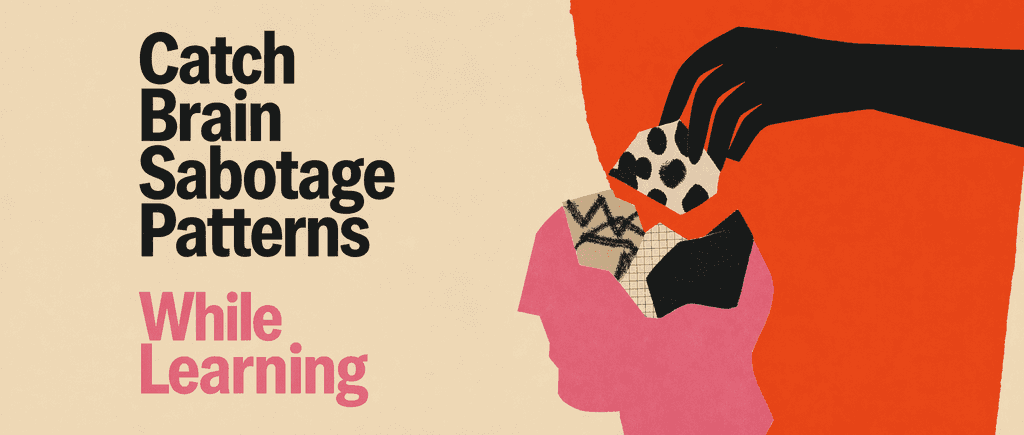
    Miles: That is so relatable, Lena. And it turns out, there’s a real psychological reason for that. Research shows that when we research self-improvement, our brains actually confuse the feeling of learning with the feeling of changing. We get a hit of satisfaction just by finding a solution, which can actually drain the motivation to follow through.

    0:33

    Lena: So, because I feel productive reading about it, my brain thinks the job is already done?

    0:38

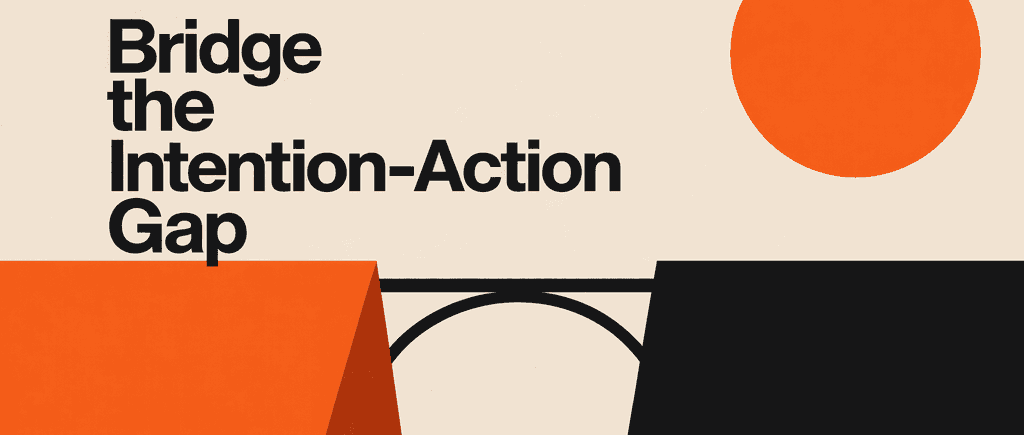
    Miles: Exactly. It’s a "premature sense of completeness." Today, we’re moving past the research phase and into a practical playbook for real action. Let’s explore how to bridge that gap between knowing and doing.

    2

    The 66-Day Reality

    0:52

    Lena: So, if the brain is already tricking us into feeling like we’ve finished the race before we’ve even tied our shoes—how do we actually set a realistic finish line? I feel like every Instagram ad tells me I can change my entire life in just 21 days. It’s like this magic number everyone’s obsessed with.

    1:10

    Miles: Oh, the 21-day myth—it’s everywhere, right? It’s probably the most persistent piece of "anti-knowledge" in the self-improvement world. But if you look at the actual behavioral research—specifically the modern studies on automaticity—the reality is a lot more varied. The average time it takes for a behavior to become truly automatic is actually around 66 days.

    1:33

    Lena: Sixty-six days? That’s more than double the "magic" three weeks. No wonder people feel like failures when they hit day 22 and still have to force themselves to go for that run.

    0:38

    Miles: Exactly. And that’s the danger of the myth. If you expect a habit to be "set in stone" by week three, and it still feels like a massive chore, you think something is wrong with you. You think you lack willpower. But the science shows that 21 days is rarely enough for the basal ganglia—that’s the part of the brain that handles automatic patterns—to take over from the prefrontal cortex, which is doing all the heavy lifting of conscious effort.

    2:07

    Lena: So, we’re essentially operating on a "manual override" for the first two months?

    2:12

    Miles: Pretty much. And the timeline isn't even a flat 66 days for everyone. It’s a range. Depending on the complexity of the behavior and your environment, it could take anywhere from 18 days to 254 days. Choosing to drink a glass of water with lunch is going to automate a lot faster than, say, doing fifty burpees every morning.

    2:31

    Lena: That makes sense. Complexity matters. But I also saw something in the research about "context stability." Does where you do the habit change how fast it sticks?

    2:41

    Miles: It’s huge. Habits form through repetition in stable contexts. If you try to build a meditation habit but you do it at a different time and in a different room every day, your brain can’t anchor the behavior to a specific cue. You’re making the "manual override" work ten times harder because the "where" and "when" are always shifting.

    2:58

    Lena: It’s like trying to build a house on moving sand. You need that stable foundation of a consistent environment so the brain can eventually go on autopilot.

    3:08

    Miles: Right. And we have to talk about the "missed day" anxiety. Everyone thinks that if you miss a single day, the "streak" is broken and the habit is dead. But the research is actually quite forgiving there. It shows that a single missed repetition doesn’t significantly impair the long-term process of reaching automaticity.

    3:26

    Lena: Oh, that’s such a relief. I’ve definitely abandoned habits because I missed a Tuesday and felt like the whole experiment was ruined.

    3:33

    Miles: It’s the "all-or-nothing" trap. Your brain doesn't just delete the neural pathways you've been building because of one lapse. What matters is the "90-day stability window." Most sustainable habits really start to feel like "just who you are" around that 8 to 12-week mark.

    3:48

    Lena: So the real goal isn't the 21-day sprint—it's the 90-day marathon.

    0:38

    Miles: Exactly. We need to stop asking "How long will this take?" and start asking "How can I increase the probability of repeating this tomorrow?" Because repetition—not emotional intensity—is what builds the road.

    3

    The 30-Day Mechanical Failure

    4:08

    Lena: Okay, so if 66 days is the average for automaticity, and we need a 90-day window for true stability—why is it that almost everyone I know, including myself, seems to hit a brick wall around the 30-day mark? It’s like this universal slump where the initial excitement just... evaporates.

    4:29

    Miles: It’s a predictable mechanical failure of the human motivation system. Think of it like this: when you start a new habit, you’re fueled by "Reflective Motivation." That’s your prefrontal cortex—the CEO of your brain—telling you how great this change is going to be. You’re high on the "new year, new me" energy.

    4:47

    Lena: Right, the "honeymoon phase." You’ve got your new gear, your color-coded tracker—you feel unstoppable.

    4:53

    Miles: But around day 30, that novelty wears off. The dopamine spike from "starting something new" is gone. At the same time, the behavior hasn't reached "Automatic Motivation" yet. It hasn't moved into the basal ganglia. So you’re in this "dead zone" where the emotional fuel has run out, but the engine isn't self-sustaining yet.

    5:11

    Lena: So it’s the worst of both worlds. It still takes a ton of effort to do the thing, but the reward of feeling "proud of yourself" has started to fade.

    5:21

    Miles: Precisely. This is when "environmental friction" starts to feel like an insurmountable mountain. On day one, you’ll climb over a fence to get to the gym. On day thirty, if you can’t find your left sock, you’re probably going back to bed. The friction that was invisible during the "high motivation" phase becomes a deal-breaker during the "motivation decay" phase.

    5:43

    Lena: I’ve definitely been there. The "I’ll just skip today" thought starts to sound really reasonable.

    5:49

    Miles: And it’s often because we started with a "Big Goal" instead of a "Small Habit." We tried to overhaul our entire diet or run five miles a day. When motivation drops, those big goals require massive willpower. And as we’ve seen, willpower is a limited resource that depletes throughout the day. If you’ve had a stressful day at work, you have zero "self-control" left to tackle a high-friction habit at 6 PM.

    6:14

    Lena: So, the 30-day slump is actually a sign that our structure was relying too much on our mood?

    6:20

    Miles: Spot on. If your habit requires you to be "in the mood," it’s destined to fail around week four. This is why the science favors "micro-behaviors." If your goal is "one push-up" or "read one paragraph," the friction is so low that you can do it even when your motivation is at rock bottom.

    6:38

    Lena: It’s about making the habit "failure-proof" during that dangerous middle period.

    0:38

    Miles: Exactly. Most people quit because they think the slump means they’ve lost interest or aren't "cut out for it." But if you know the slump is coming—if you treat it as a mechanical stage of the process—you can plan for it. You reduce the difficulty, you fix the environment, and you just keep the repetition alive until the 66-day mark.

    7:02

    Lena: It’s like flying through a storm. You don’t turn the plane around; you just keep the nose pointed forward and wait for the clear air on the other side.

    7:12

    Miles: And remember, the brain is a "prediction machine." If you push through that 30-to-60-day window, your brain starts to predict the behavior. It stops "negotiating" with you every morning. It just accepts that "this is what we do now."

    4

    Designing the Path of Least Resistance

    7:27

    Lena: We keep talking about "friction," and it reminds me of something I read about "Environmental Design." It sounds so simple—just change your surroundings—but why is it that we usually ignore the room we’re in and try to "mindset" our way through everything?

    7:43

    Miles: Because we have this deep-seated belief that "true" change should come from within. We think relying on our environment is "cheating." But the reality of behavioral science is that your surroundings are the primary lever for your actions. Your brain is constantly scanning for cues. If you want a specific behavior to happen, you have to make the cue visible and the action easy.

    8:05

    Lena: It’s the "Make It Obvious" and "Make It Easy" laws from James Clear, right? But I love how some of the other research calls it "Environmental Restructuring." It sounds more like architecture.

    8:16

    Miles: It really is. Think about "activation energy"—the amount of effort it takes to just start the task. If your gym bag is packed and by the front door, the activation energy is low. If you have to find your shoes, find your headphones, and pack your towel, the activation energy is high. On a low-motivation day, that difference is the difference between going and staying home.

    8:38

    Lena: I actually tried this with my phone. I moved the charger to the kitchen so I wouldn't scroll in bed. The first night, I felt this physical "pull" to go get it, but the "friction" of having to get out of bed and walk across the cold floor was just enough to make me stay put.

    8:54

    Miles: That’s a perfect "one-inch change." You didn't delete all your apps or swear off technology; you just shifted the environment by one room. You made the "bad" habit inconvenient. It’s about "choice architecture"—arranging your life so the path of least resistance is actually the path you want to take.

    9:13

    Lena: And what about the opposite? Making the "good" stuff unavoidable? I saw a study about "Default Nudges"—like how putting the fruit bowl on the counter instead of in the crisper drawer significantly increases how much fruit people eat.

    0:38

    Miles: Exactly. We’re "lazy" by design. Our brains want to conserve energy. If something is "out of sight," it is literally "out of mind" for the basal ganglia. If you want to drink more water, put a glass on your nightstand, one at your desk, and one by the TV. You’re reducing the "decisions" your brain has to make.

    9:44

    Lena: That’s a huge point—reducing decision fatigue. If I have to decide to be healthy fifty times a day, I’m going to run out of "good decisions" by 4 PM.

    9:55

    Miles: That’s exactly what the research shows. By the evening, your executive function is running on fumes. This is why people eat healthy breakfasts but "cheat" at dinner. It’s not a moral failing; it’s a biological depletion. If you automate the environment—if the healthy dinner is already prepped or the unhealthy snacks are at the very top of the pantry where you need a ladder to reach them—you’re protecting your future, exhausted self.

    10:20

    Lena: I love that. "Present-me" looking out for "Future-me." It’s like setting a trap for your own laziness.

    10:26

    Miles: And it works at the cellular level too. When your environment provides a "stable cue," like "the moment I sit at this desk with this specific lamp on," your brain starts to release the neurochemicals associated with focus before you even start working. You’re "priming" the neural circuits.

    10:43

    Lena: So, the environment isn't just a physical space; it’s a "prompt" for the brain to switch into the right mode.

    3:08

    Miles: Right. If you’re struggling with a habit, don’t look at your willpower first. Look at your room. Look at your kitchen. Look at your phone’s home screen. If the "cues" for the old life are still everywhere, you’re fighting a losing battle against your own biology.

    5

    The Identity Shift

    11:06

    Lena: So we’ve talked about the "how" and the "where," but I want to dig into the "who." I was struck by this idea of "Identity-Based Reinforcement." It’s the difference between saying "I’m trying to write a book" and saying "I am a writer." Why does that tiny linguistic shift matter so much to the brain?

    11:25

    Miles: It’s about moving the habit from an "outcome goal" to an "identity statement." When you focus on an outcome—like "I want to lose ten pounds"—your brain treats the behavior as a temporary chore. Once you hit the goal, the motivation disappears, and you usually slide back into old patterns.

    11:41

    Lena: It’s the "yo-yo" effect. You’re doing the work to get somewhere, not because of who you are.

    0:38

    Miles: Exactly. But identity-based habits are different. Every time you perform a micro-behavior, you’re "casting a vote" for the person you want to become. If you do one push-up, you’re casting a vote for being "someone who doesn't miss a workout." If you write one sentence, you’re casting a vote for being "a writer."

    12:04

    Lena: So it’s not about the "quality" of the push-up or the "brilliance" of the sentence. It’s just the act of showing up that reinforces the identity.

    3:08

    Miles: Right. The brain loves consistency with its self-image. We have a deep psychological need to act in ways that align with how we perceive ourselves. If you believe "I am a healthy person," then eating a salad isn't a "sacrifice"—it’s just what people like you do. It reduces the "emotional negotiation" that usually drains our willpower.

    12:32

    Lena: That’s fascinating. So, "I am someone who trains" is a much more stable platform than "I want to go to the gym today."

    12:40

    Miles: Much more stable. And the science of "Self-Efficacy" supports this. Self-efficacy is your belief in your ability to execute a behavior. And how do you build that belief? Not through affirmations in the mirror, but through "Mastery Experiences." Small, undeniable wins.

    12:56

    Lena: Like the "Micro-Resolutions" we talked about. If I set a goal to "floss one tooth" and I do it every night for a week, my brain can’t argue with the fact that I am a "consistent flosser."

    13:08

    Miles: Exactly! You’re providing "objective evidence" to your nervous system. You’re training your brain to predict success instead of predicting another "failed resolution." This is why "Identity Misalignment" is one of the top reasons habits fail at the 30-day mark. If you’re trying to "be a runner" but deep down you still identify as a "couch potato," your brain will eventually find a way to return to its "baseline."

    13:30

    Lena: It’s like a thermostat. If the identity "temperature" is set to "unproductive," and you start acting "productive," the brain will kick in the cooling system—procrastination, self-sabotage—to get you back to your "proper" setting.

    13:44

    Miles: That’s a perfect analogy. To change the "temperature," you have to change the setting on the thermostat—the identity. You start with the behavior, but you use it to update the identity. "I am a person who finishes what they start." "I am a person who prioritizes sleep."

    14:00

    Lena: And this ties back to "Synaptic Pruning," right? As we build this new identity, the old "couch potato" pathways actually start to weaken because we aren't walking those trails anymore.

    0:38

    Miles: Exactly. You’re letting the old identity "grow over" while you pave the new one. It’s a physical reorganization of your sense of self. And once that new identity takes hold, the habit becomes "effortless" because it’s no longer a "change"—it’s just your default state.

    6

    The Power of the Prompt

    14:32

    Lena: We’ve talked a lot about motivation and ability, but there’s that third piece of the Fogg Behavior Model we haven't fully unpacked—the "Prompt." It seems like the "trigger" is often the most overlooked part of the equation. We just assume we’ll "remember" to do our new habit.

    14:50

    Miles: And that’s a huge mistake. Relying on "memory" is just another way of relying on the prefrontal cortex, which—as we know—is easily distracted and prone to fatigue. In the B = MAP formula, if you have high motivation and high ability but *no* prompt, the behavior will not happen. Period.

    15:09

    Lena: It’s like having a car with a full tank of gas and a clear road, but no key to turn the ignition.

    0:38

    Miles: Exactly. A prompt is the "key." And the most effective prompts aren't phone alarms—they’re "Anchors." This is a core concept from the Tiny Habits method. You take an existing, reliable routine that you *already* do without thinking—like brushing your teeth, or pouring your morning coffee—and you "anchor" the new tiny behavior to the end of it.

    15:36

    Lena: "After I [Anchor], I will [Tiny Habit]." It’s so simple.

    15:42

    Miles: It is, but the "After" is crucial. You want the anchor to be the "starting gun" for the new behavior. For example, "After I put my feet on the floor in the morning, I will say 'It’s going to be a great day.'" Or "After I close my laptop for the day, I will do two minutes of stretching."

    15:59

    Lena: I love that because it removes the "when should I do this?" decision. The decision has already been made by the sequence of your life.

    3:08

    Miles: Right. And you want to find an anchor that matches the "energy" of the new habit. If you want to build a "calming" habit, anchor it to a "calming" routine, like getting into bed. If you want an "energetic" habit, anchor it to something active, like walking through the front door.

    16:22

    Lena: And what about "Hot Triggers"? I saw that phrase in the Fogg research. "Put hot triggers in front of motivated people."

    16:29

    Miles: A "hot trigger" is a prompt that you can act on *right now*. If you see a reminder to "exercise" while you’re stuck in a meeting, that’s a "cold trigger"—it’s useless because you can’t act on it. But if your running shoes are sitting on your yoga mat right when you finish work, that’s a hot trigger. You’re motivated, you have the ability, and the prompt is right there in your face.

    16:48

    Lena: It’s all about "reducing the gap" between the reminder and the action.

    0:38

    Miles: Exactly. And there’s a biological side to this too. When you use a stable anchor, you’re creating a "Neural Chain." Your brain starts to associate the end of the first behavior with the beginning of the second. Eventually, the first behavior actually *triggers* the urge to do the second. It becomes a single, fluid "chunk" of behavior in your basal ganglia.

    17:12

    Lena: So it’s not two tasks anymore; it’s just "the morning routine."

    5:21

    Miles: Precisely. This is how you build a "high-performance" day without needing a single ounce of willpower. You just trigger a series of pre-set "behavioral chunks." But remember the "Tiny" rule: the behavior you attach to the anchor should be so small it’s almost laughable.

    17:34

    Lena: Because if it’s too big, you’ll start to "dread" the anchor. If "After I brush my teeth" leads to "Running ten miles," you’re going to stop wanting to brush your teeth!

    Miles: Ha! Exactly. You’ll start avoiding the anchor to avoid the work. Keep it tiny—one push-up, one breath, one sentence. Let the "Prompt" be the win.

    7

    The Science of the "Micro-Win"

    17:56

    Lena: You mentioned "celebration" earlier as a non-negotiable part of the Tiny Habits method, and I have to be honest—the idea of doing a "fist pump" after flossing one tooth feels... a little silly. Like, am I really tricking my brain with that?

    18:12

    Miles: It feels silly because we’ve been conditioned to think that only "Big Achievements" deserve celebration. But your brain doesn't work that way. The basal ganglia—the part of the brain we’re trying to "rewire"—is fueled by "Reward Immediacy." It doesn't care about the promotion you’ll get in six months. It cares about how you feel *right now*.

    18:31

    Lena: So the "fist pump" is like a hit of instant dopamine for the habit loop?

    0:38

    Miles: Exactly. When you perform a tiny behavior and immediately follow it with a genuine "Micro-Win" celebration—a smile, a "Yes!", even just a feeling of "I did it"—you’re releasing a small pulse of dopamine. This tells your brain: "That felt good! Let’s do that again."

    18:52

    Lena: It’s like training a puppy. You don't wait an hour to give the treat; you give it the second they sit down.

    18:58

    Miles: Right! And here’s the cool part: research shows that "Success leads to Success." When you acknowledge a micro-win, you increase your "Self-Efficacy"—your belief that you are capable of change. This activates the brain’s reward system and actually makes you *more* likely to tackle the next, bigger challenge.

    19:18

    Lena: So by celebrating the "one push-up," I’m actually making it easier to do "two push-ups" tomorrow?

    Miles: Yes. Because you’ve associated the behavior with a "Positive Emotion" instead of "Effort and Grind." Most people try to use "Shame" as a motivator—"I'm so lazy, I need to do more." But shame is a "learning killer." It creates a threat response in the brain, which narrows your focus and makes you want to "escape" the feeling—usually by going back to old, comforting habits.

    19:47

    Lena: That’s a huge insight. "Shame makes people hide from their own experience." If I feel bad about my progress, I’m going to stop tracking my progress.

    0:38

    Miles: Exactly. And that’s when the habit dies. Celebration is the "antidote" to shame. It keeps you in a "Learning State." It makes the process feel rewarding even when the results aren't visible yet. Remember, in the early stages, the "result" isn't the six-pack or the finished book—the result is the *fact that you did the habit*.

    20:19

    Lena: So the "win" is the repetition itself.

    0:38

    Miles: Exactly. And don't "move the goalpost" too early! This is a classic mistake. You do five days of "one push-up," feel great, and then decide on day six you’re going to do fifty. You’ve just turned a "Micro-Win" into a "High-Friction Chore." Your motivation will tank, and you’ll quit.

    20:39

    Lena: Stay tiny until the automaticity kicks in.

    3:08

    Miles: Right. Wait for the "90-day stability window." Let the "one push-up" become so automatic that it feels "weird" *not* to do it. Once it’s a permanent part of your identity, then you can scale up. But for now, just focus on the feeling of success. The brain "optimizes" for what feels rewarding. If you make your new life feel like a series of tiny victories, your brain will literally help you build it.

    8

    The Social Lever and "Mirroring"

    21:10

    Lena: We’ve talked a lot about the individual—the brain, the environment—but what about the people around us? I was reading about "Social Neuroplasticity" and this idea of "Limbic Resonance." It sounds like our habits aren't just ours—they’re "contagious."

    21:26

    Miles: They absolutely are. We are social animals at our core. Our brains are equipped with "Mirror Neurons" that are designed to observe and mimic the behaviors of those around us. This is why "Isolation" is one of the strongest predictors of habit failure. If you’re trying to change in a vacuum, you’re fighting your own evolutionary need for social alignment.

    21:45

    Lena: So, if everyone in my friend group is "doomscrolling" and eating junk food, my brain is going to treat that as the "safe" and "normal" baseline?

    5:21

    Miles: Precisely. Your brain interprets social norms as "survival instructions." If you deviate from the group, your amygdala can actually trigger a subtle "threat" response—the fear of being an outsider. This is why "Social Support" is listed as one of the five keys to behavior change. It’s not just about "accountability"—it’s about "normalization."

    22:13

    Lena: When I see someone else doing the thing I want to do, my brain says, "Oh, that’s what people like us do. That’s safe."

    0:38

    Miles: Exactly. This is "Co-Regulation." When you’re around someone who is emotionally regulated and disciplined, your nervous system actually starts to "mirror" theirs. Your heart rate variability stabilizes, your prefrontal cortex feels more supported. You’re essentially "borrowing" their neural stability to help build your own.

    22:42

    Lena: That’s so powerful. It’s like "Habit-Matching." You’re choosing your "inputs" by choosing your social circle.

    22:48

    Miles: It’s the "Small-Inch Change" for your social life. You don't have to fire all your friends, but you can "Nudge" your social environment. Join a group where the desired behavior is the "normal" behavior. If you want to be a runner, hang out with runners. Not because they’ll "lecture" you, but because their "Mirror Neurons" will start to talk to yours.

    9:13

    Lena: And what about the opposite? "Emotional Contagion" from toxic patterns? I’ve definitely felt my "willpower" evaporate just by spending an hour with someone who is constantly complaining.

    23:20

    Miles: That’s a real neurological drain. Stress is contagious. When you’re around someone in "Survival Mode," your own brain starts to scan for threats. It pulls resources away from your "Growth" and "Learning" centers and puts them into "Defense." You can’t build a new habit while your brain is busy "defending" itself.

    23:39

    Lena: So, "Social Neuroplasticity" means we should be as intentional with our "Social Design" as we are with our "Environmental Design."

    23:46

    Miles: Absolutely. Find a "Co-Regulation Partner." Someone you can share your "Micro-Wins" with. Research shows that sharing a success with another person—especially someone who celebrates *with* you—actually amplifies the dopamine release and strengthens the neural pathway more than celebrating alone.

    24:05

    Lena: It’s like a "Dopamine Multiplier."

    0:38

    Miles: Exactly. We are wired for "Reciprocity and Trust." When you ask for help—even a small thing like "Can you text me when you finish your workout?"—you’re building a "Social Neural Network" that supports your change. You’re not "struggling alone" anymore. You’re part of a "Collective Transformation."

    9

    The Practical Playbook

    24:28

    Lena: Okay, Miles, we’ve covered a lot of ground—from the 66-day reality to social mirroring. Let’s bring this home for everyone listening. If someone wants to start "rewiring" their life today, what are the concrete, "Day One" steps?

    24:44

    Miles: Let’s build a "30-Day Launchpad." This isn't about a total overhaul; it’s about a "Precision Engineering" approach.

    24:53

    Lena: Step One: "Define the Smallest Repeatable Unit."

    0:38

    Miles: Exactly. If your goal is "Be Healthy," your smallest unit is "Eat one piece of fruit" or "Do two push-ups." It must be so small that it’s "impossible to fail." If it takes more than two minutes, it’s too big for Day One.

    25:12

    Lena: Step Two: "Attach to a Stable Anchor."

    25:16

    Miles: Look at your current routine. What is something you *always* do? "After I pour my coffee..." "After I put my car keys on the hook..." That is your "Starting Gun." Write it down: "After I [Existing Habit], I will [New Tiny Habit]."

    25:31

    Lena: Step Three: "Design for the Path of Least Resistance."

    25:35

    Miles: Spend ten minutes today "Restructuring" your environment. If you want to floss, put the floss *on top* of your toothbrush. If you want to write, leave your notebook open on your pillow. Reduce the "Activation Energy" to zero.

    25:50

    Lena: Step Two: "The 10-Second Attention Pivot."

    25:53

    Miles: This is your "Emergency Tool" for when the old patterns hit. When you feel the "urge" to scroll or the "stress" of a trigger, don't fight it. Just "Notice" it. Name the brain function: "My brain is chasing relief." Then, pivot your attention to something concrete—your breath, your feet on the floor—for ten seconds. You’re "breaking the loop."

    26:20

    Lena: Step Five: "Celebrate the Repetition, Not the Result."

    26:24

    Miles: Every time you finish your tiny habit, give yourself that "Micro-Win." A smile, a fist pump, a mental "I’m becoming the person who does this." This is how you "tag" the behavior as valuable to your basal ganglia.

    26:40

    Lena: And finally, "The 90-Day Stability Window."

    26:43

    Miles: Commit to 30 days of "No-Pressure Practice." Don't scale up. Don't move the goalposts. Just focus on the "Streak" of showing up. Once you hit 30 days, evaluate your "Automaticity." If it’s starting to feel easier, you can add a "1% Nudge." But the goal is "Stability," not "Speed."

    27:05

    Lena: I love this because it feels so... doable. It’s not a "Life Makeover"; it’s a "Neural Upgrade."

    27:13

    Miles: It’s "Structural Maintenance" for your brain. And remember the "Pitfalls": don't try to change five things at once. Pick *one* target pattern. Your brain learns faster with "Targeted Reps." If you try to rewire everything, you’ll end up with "Neural Noise" and no real change.

    27:35

    Lena: One habit, tiny reps, stable environment, and lots of celebration. That’s the playbook.

    Miles: That’s it. You’re not "broken"—you’re just "patterned." And patterns are just neural roads. You can always build a new road, one tiny brick at a time.

    10

    A Final Reflection on the Journey

    27:43

    Lena: You know, Miles, as we wrap this up, the thing that sticks with me most is that "Neuroplasticity" is actually a message of deep optimism. We aren't stuck with the "Default Settings" of our past, or even our genetics. Our brains are literally waiting for our instructions.

    28:00

    Miles: It’s a "Plasticity Promise." Whether you’re 25 or 85, your brain has the capacity to reorganize itself. It’s not a "static organ"; it’s a "dynamic entity." The "Use it or Lose it" rule means that every moment is an opportunity to start "walking a new path" and letting the old, destructive ones "grow over."

    28:22

    Lena: I love the forest analogy—the "Trail in the Forest." The path we walk stays clear; the one we stop walking fades. It makes the work feel less like "combat" and more like "cultivation."

    0:38

    Miles: Exactly. You’re not "fighting" your old self; you’re just "neglecting" it in favor of your new self. And as we’ve seen, this process is a "Learnable Skill." It’s not about "Magic" or "Willpower." It’s about understanding the "Mechanics of Human Behavior"—the MAP formula, the 66-day timeline, the power of environmental cues.

    28:56

    Lena: So, for everyone listening—what’s the one thing you want them to take away as they go back to their "real life" today?

    29:04

    Miles: I’d say: "Lower your expectations for the outcome, but raise your commitment to the repetition." Don't worry about being "perfect." Don't worry if you miss a day. Just focus on the "Micro-Rep." Your brain is a "Prediction Machine"—if you give it enough "Small-Inch" evidence that you are changing, it will eventually believe you. And once your brain believes you, the change becomes "Who You Are."

    29:29

    Lena: "The pattern will not change until the wiring does." And the wiring changes one tiny, celebrated step at a time.

    29:37

    Miles: That’s the "Miracle Within You." It’s the cellular reality of transformation. It’s not loud, it’s not dramatic, and it won't make a great movie—but it’s how real, lasting lives are built.

    29:49

    Lena: Thank you for this deep dive, Miles. It’s given me a whole new way to look at my "failed" resolutions. They weren't "failures"; they were just "mechanical errors" in a system I didn't fully understand yet.

    0:38

    Miles: Exactly. You’ve got the map now. Now, just take the first, tiny step on the new trail.

    30:08

    Lena: To everyone listening, we hope this gives you a practical lens for your own growth. Take a moment today to identify just one "Small Change" you could make—one environment nudge, one tiny anchor. And when you do it, don't forget to celebrate. You’re literally building a new brain. Thanks for spending this time with us.

    30:29

    Miles: Thanks for listening, everyone. Reflect on what we’ve discussed, and remember—your future self is waiting for those "Micro-Wins."

    Mais como este

    podcast cover
    The Power of HabitStick with ItGood Habits, Bad Habits
    3 sources
    The Friction Trap: Why Your Best Intentions Keep Failing
    Discover why adjusting to new habits like early sleep or distant training feels impossibly hard. Learn research-backed strategies to make the right choices effortless by working with your brain, not against it.
    12 min
    podcast cover
    The Science of Getting StartedThe Art of Taking ActionThe Procrastination CureHow to Stop Procrastinating
    22 sources
    The Science of Beating Procrastination
    Stop blaming laziness and start hacking your brain. Learn how to bypass decision fatigue, use dopamine anchors, and leverage self-compassion to transform low motivation into consistent action.
    23 min
    podcast cover
    source 1Habit Formation: Delayed Gratification: The Benefits of Delayed Gratification in Habit Formation - FasterCapitalInherent Association Between Academic Delay of Gratification, Future Time Perspective, and Self-Regulated Learningsource 4
    6 sources
    Making Delayed Gratification Addictive Through Learning
    Discover how to rewire your brain's reward system to crave learning itself. Transform delayed gratification from willpower struggle into genuine addiction using neuroscience-backed strategies.
    10 min
    podcast cover
    source 1source 2source 3source 4
    6 sources
    The Battle Against Your Inner Resistance
    Discover the neuroscience behind procrastination and proven strategies to transform from struggling with consistency to naturally taking action toward academic excellence and personal growth.
    10 min
    podcast cover
    The Power of DisciplineNo-Drama Discipline
    2 sources
    The Dopamine Dilemma: Why Your Brain Sabotages Productivity
    Discover why willpower fails and learn science-backed strategies to work with your brain's reward system rather than against it. Build sustainable focus through dopamine management, not discipline.
    13 min
    podcast cover
    The Intelligence TrapThe Only Study Guide You'll Ever NeedHow to Become a Straight-A StudentTime Management Secrets for College Students
    17 sources
    Study Mistakes That Sabotage Your Success
    Discover the shocking study habits that feel productive but actually hurt your learning, plus science-backed strategies that actually work.
    30 min
    book cover
    Using your brain--for a change
    Richard Bandler
    Discover how to reprogram your mind using NLP techniques to change unwanted behaviors and enhance your life experiences.
    10 min
    book cover
    Achievement Habit
    Bernard Roth
    A Stanford professor's guide to achieving goals through design thinking, action-oriented mindset, and overcoming self-sabotaging behaviors.
    9 min