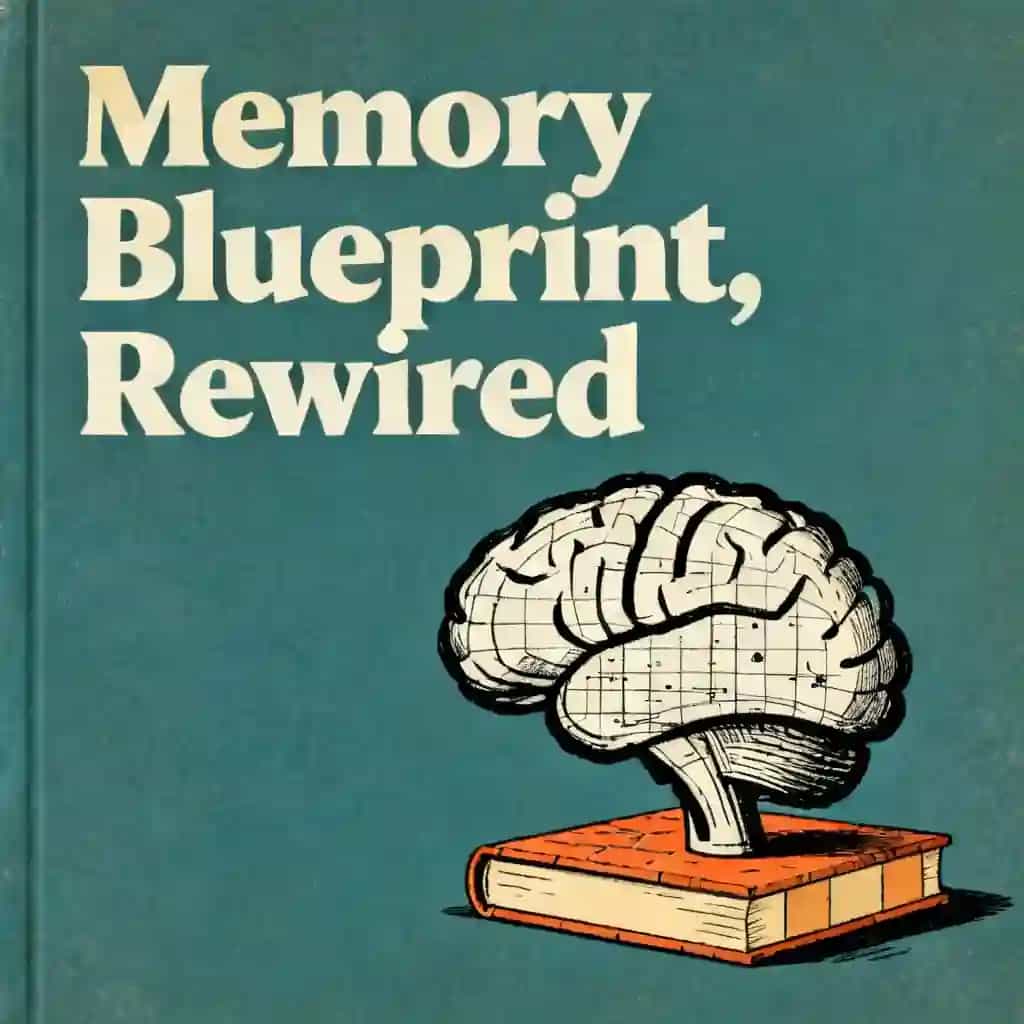
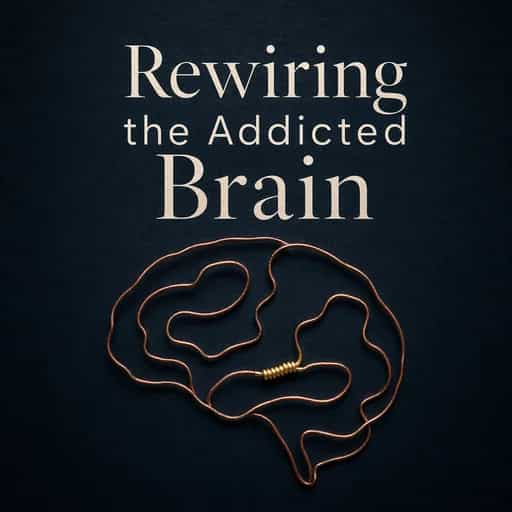
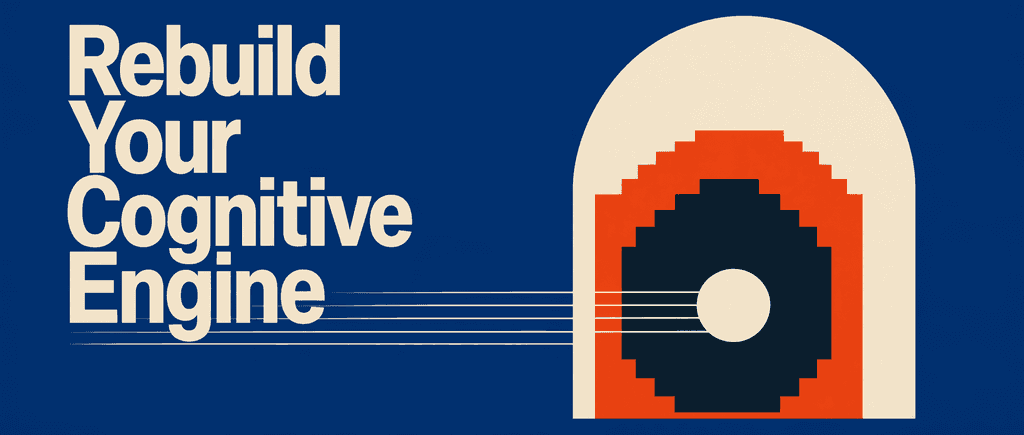
Rewiring the Mind: The Power of Neuroplasticity
Discover how the brain rebuilds itself after injury through neuroplasticity. Learn practical strategies like micro-wins and daily repetition to strengthen memory and reclaim your cognitive potential.

Melhor citação de Rewiring the Mind: The Power of Neuroplasticity
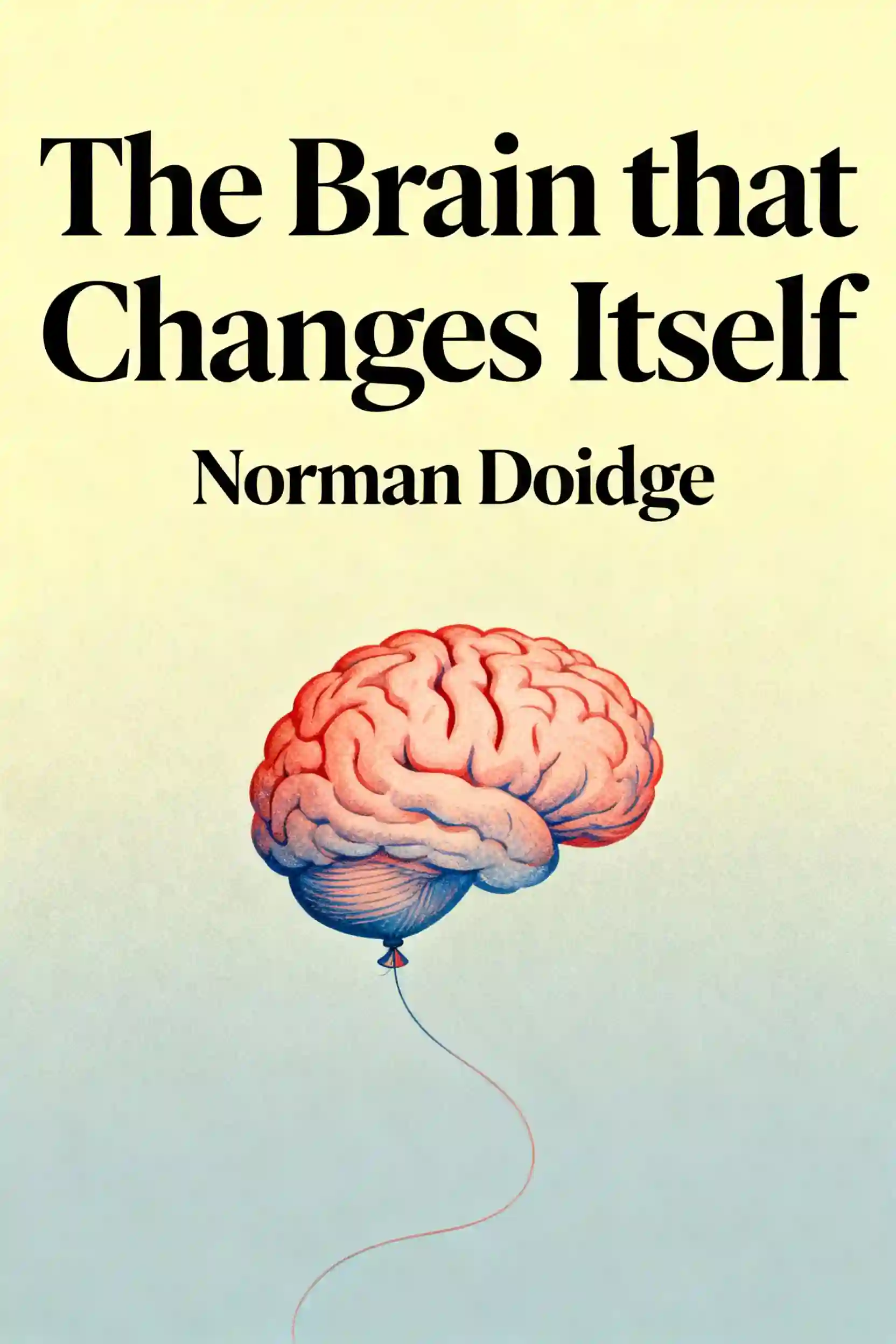
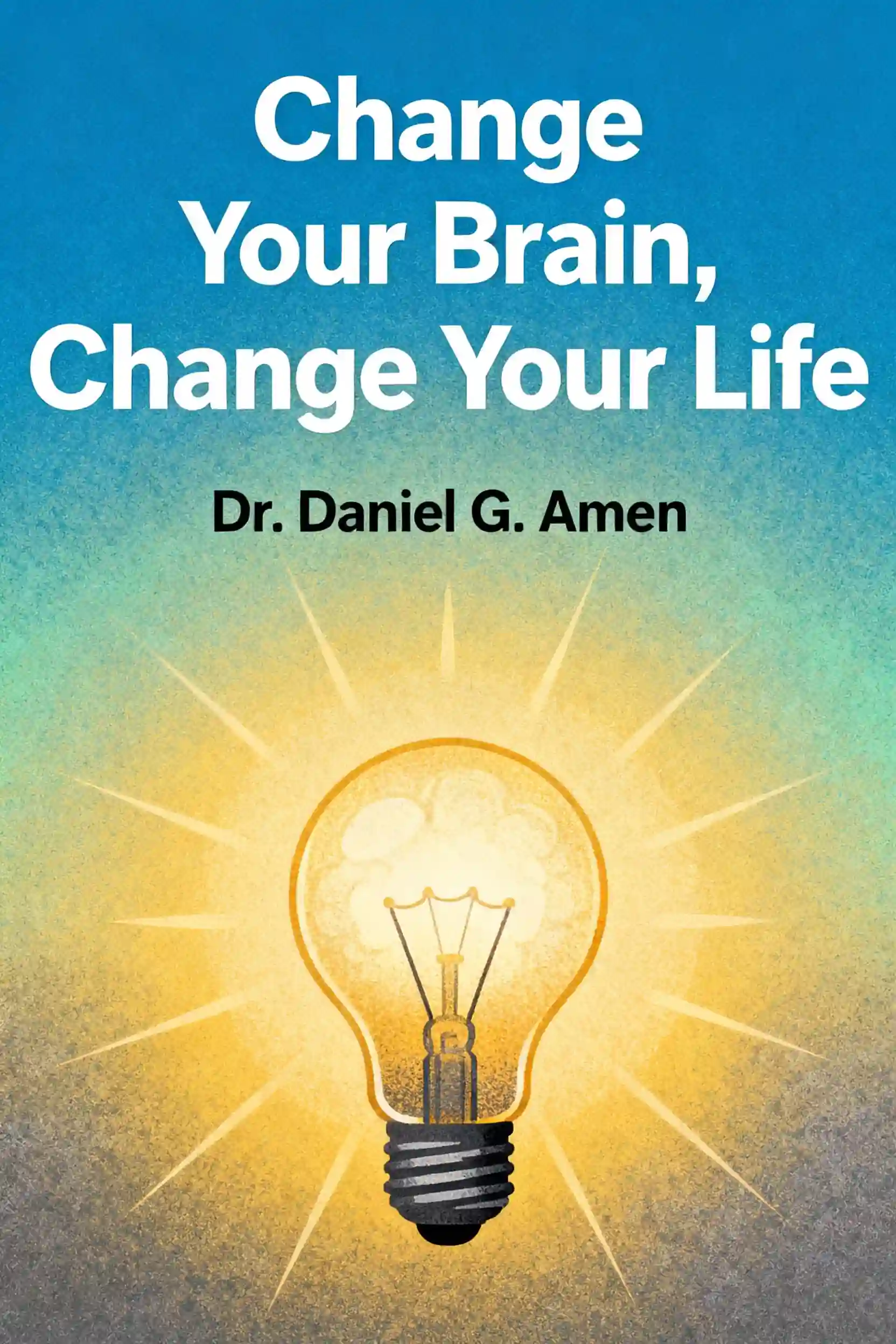
The brain isn't fixed; modern neuroscience shows it has an incredible, innate ability called neuroplasticity—it can literally rewire itself by forming new connections through small, consistent steps.
Generated by EPSTARTER
BLP-1 — How the Brain Learns After Injury After a brain injury, learning may feel slower, but the brain can rebuild. This ability is called neuroplasticity, meaning the brain forms new connections through practice. Repetition, small learning sessions, and speaking information out loud help strengthen memory pathways. Ten minutes of daily learning can improve focus and recall. With patience and consistent practice, the brain can grow stronger and thinking skills can improve over time.

Perguntas frequentes
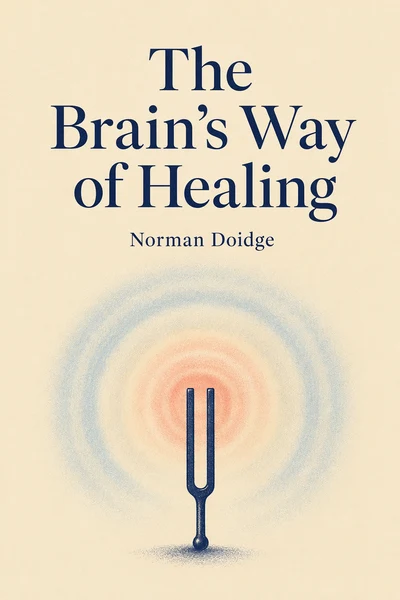
Neuroplasticity is the brain's dynamic, innate ability to physically rewire itself by forming new neural connections. Contrary to old beliefs that the brain is fixed after damage, modern neuroscience shows that the brain can remodel its own circuitry. By engaging in consistent practices—even for just ten minutes a day—individuals can physically strengthen these pathways, improving focus, recall, and motor functions through repetitive signaling.
These are three primary strategies used by multidisciplinary teams to facilitate recovery. Restitution focuses on directly restoring lost functions to their original state. Compensation involves finding work-arounds for damaged pathways, such as using external memory aids or digital reminders to perform tasks. Adaptation refers to adjusting one's environment and lifestyle to fit new ways of functioning, ensuring the individual can navigate daily life effectively despite permanent changes.
Recovery from a moderate-to-severe brain injury is considered a "team sport" involving neurologists, physiotherapists, speech therapists, occupational therapists, and psychologists. This team uses neuropsychological assessments as a "North Star" to create a personalized map of the patient's cognitive profile. By sharing electronic records and holding case conferences, they reduce redundancy and ensure that therapy addresses the whole person—including emotional weight and social reintegration—rather than just isolated symptoms.
Technology acts as a "force multiplier" for traditional therapy by providing immersive and highly repetitive training. Virtual Reality (VR) allows patients to practice real-world skills, like grocery shopping, in a safe environment, which has been shown to reduce anxiety and improve independence. Other advancements include robotic systems for precise motor training, Artificial Intelligence (AI) to personalize exercise difficulty, and telerehabilitation to make specialized care accessible to those in remote areas.
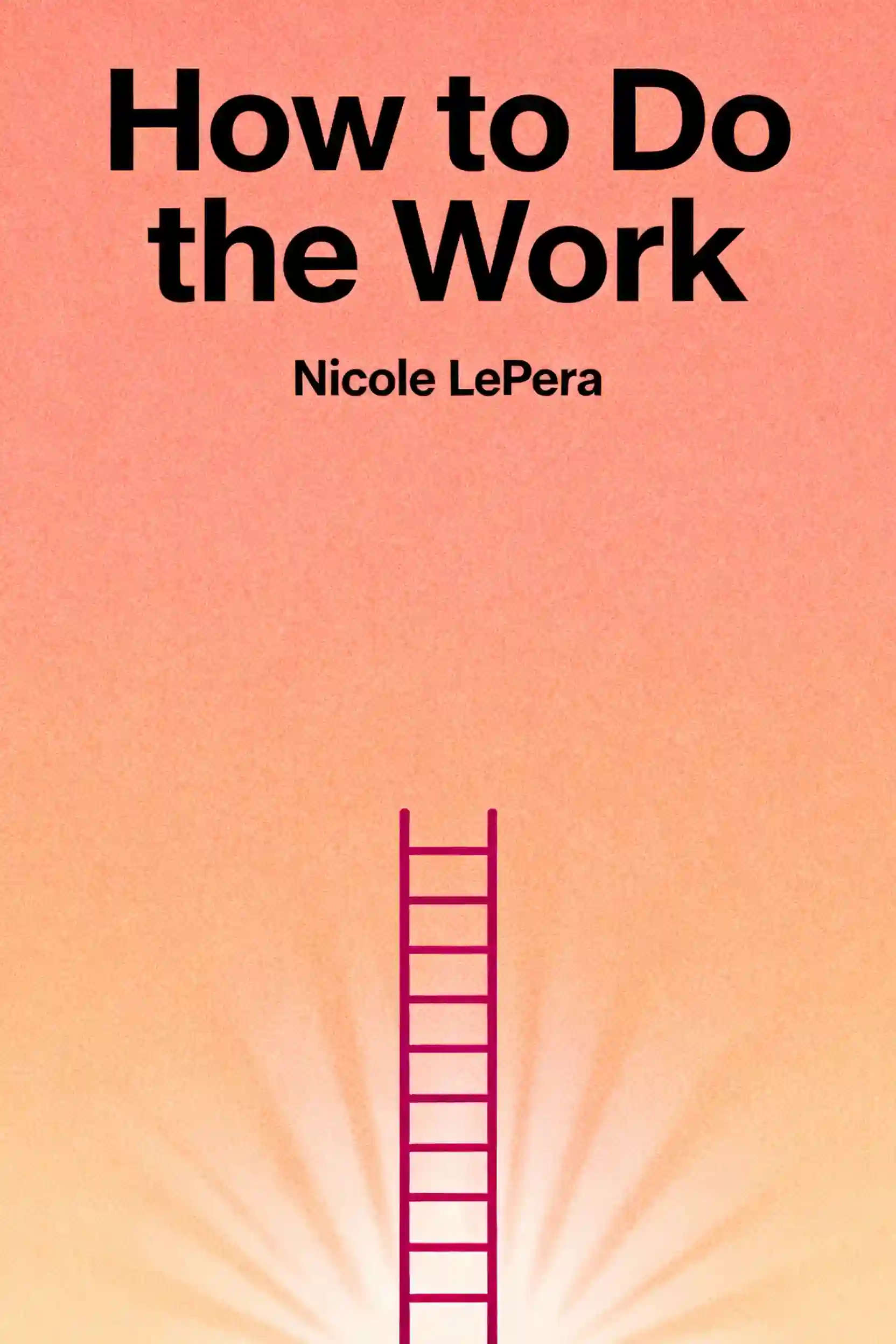
Micro-wins are small, consistent achievements gained through daily practice and repetition. Because the brain responds to consistent "pinging" of its systems, these small steps serve as the building blocks for larger architectural remodeling of the brain. Focusing on micro-wins helps manage the frustration of recovery by emphasizing consistency over intensity, allowing the brain to gradually pack down new neural "trails" without becoming overwhelmed by stress.
Criado por ex-alunos da Universidade de Columbia em San Francisco
"Instead of endless scrolling, I just hit play on BeFreed. It saves me so much time."


"I never knew where to start with nonfiction—BeFreed’s book lists turned into podcasts gave me a clear path."


"Perfect balance between learning and entertainment. Finished ‘Thinking, Fast and Slow’ on my commute this week."
"Crazy how much I learned while walking the dog. BeFreed = small habits → big gains."
"Reading used to feel like a chore. Now it’s just part of my lifestyle."

"Feels effortless compared to reading. I’ve finished 6 books this month already."
"BeFreed turned my guilty doomscrolling into something that feels productive and inspiring."

"BeFreed turned my commute into learning time. 20-min podcasts are perfect for finishing books I never had time for."
"BeFreed replaced my podcast queue. Imagine Spotify for books — that’s it. 🙌"

"It is great for me to learn something from the book without reading it."
"The themed book list podcasts help me connect ideas across authors—like a guided audio journey."
"Makes me feel smarter every time before going to work"
Criado por ex-alunos da Universidade de Columbia em San Francisco
"Instead of endless scrolling, I just hit play on BeFreed. It saves me so much time."
"I never knew where to start with nonfiction—BeFreed’s book lists turned into podcasts gave me a clear path."
"Perfect balance between learning and entertainment. Finished ‘Thinking, Fast and Slow’ on my commute this week."
"Crazy how much I learned while walking the dog. BeFreed = small habits → big gains."
"Reading used to feel like a chore. Now it’s just part of my lifestyle."
"Feels effortless compared to reading. I’ve finished 6 books this month already."
"BeFreed turned my guilty doomscrolling into something that feels productive and inspiring."
"BeFreed turned my commute into learning time. 20-min podcasts are perfect for finishing books I never had time for."
"BeFreed replaced my podcast queue. Imagine Spotify for books — that’s it. 🙌"
"It is great for me to learn something from the book without reading it."
"The themed book list podcasts help me connect ideas across authors—like a guided audio journey."
"Makes me feel smarter every time before going to work"
"Instead of endless scrolling, I just hit play on BeFreed. It saves me so much time."
"I never knew where to start with nonfiction—BeFreed’s book lists turned into podcasts gave me a clear path."
"Perfect balance between learning and entertainment. Finished ‘Thinking, Fast and Slow’ on my commute this week."
"Crazy how much I learned while walking the dog. BeFreed = small habits → big gains."
"Reading used to feel like a chore. Now it’s just part of my lifestyle."
"Feels effortless compared to reading. I’ve finished 6 books this month already."
"BeFreed turned my guilty doomscrolling into something that feels productive and inspiring."
"BeFreed turned my commute into learning time. 20-min podcasts are perfect for finishing books I never had time for."
"BeFreed replaced my podcast queue. Imagine Spotify for books — that’s it. 🙌"
"It is great for me to learn something from the book without reading it."
"The themed book list podcasts help me connect ideas across authors—like a guided audio journey."
"Makes me feel smarter every time before going to work"
"Instead of endless scrolling, I just hit play on BeFreed. It saves me so much time."
"I never knew where to start with nonfiction—BeFreed’s book lists turned into podcasts gave me a clear path."
"Perfect balance between learning and entertainment. Finished ‘Thinking, Fast and Slow’ on my commute this week."
"Crazy how much I learned while walking the dog. BeFreed = small habits → big gains."
"Reading used to feel like a chore. Now it’s just part of my lifestyle."
"Feels effortless compared to reading. I’ve finished 6 books this month already."
"BeFreed turned my guilty doomscrolling into something that feels productive and inspiring."
"BeFreed turned my commute into learning time. 20-min podcasts are perfect for finishing books I never had time for."
"BeFreed replaced my podcast queue. Imagine Spotify for books — that’s it. 🙌"
"It is great for me to learn something from the book without reading it."
"The themed book list podcasts help me connect ideas across authors—like a guided audio journey."
"Makes me feel smarter every time before going to work"