Reframing the Cross: Sin's Blindness, Not Atonement
Explore a radical theological perspective that Jesus died not as punishment for our sins, but because of humanity's failure to recognize sin. This episode examines how this reframing transforms our understanding of God's nature and salvation.

Melhor citação de Reframing the Cross: Sin's Blindness, Not Atonement
The crucifixion becomes the ultimate example of where this blindness leads: we couldn't recognize the good, so we destroyed it. The punishment isn't some external wrath being satisfied—it's the inevitable result of moral blindness.

Esta aula em áudio foi criada por um membro da comunidade BeFreed
Explain the theological theory that Jesus’ crucifixion was a punishment for humanity's inability to recognize sin, rather than an atonement for it. Analyze the logical implications of this shift in Christian dogma

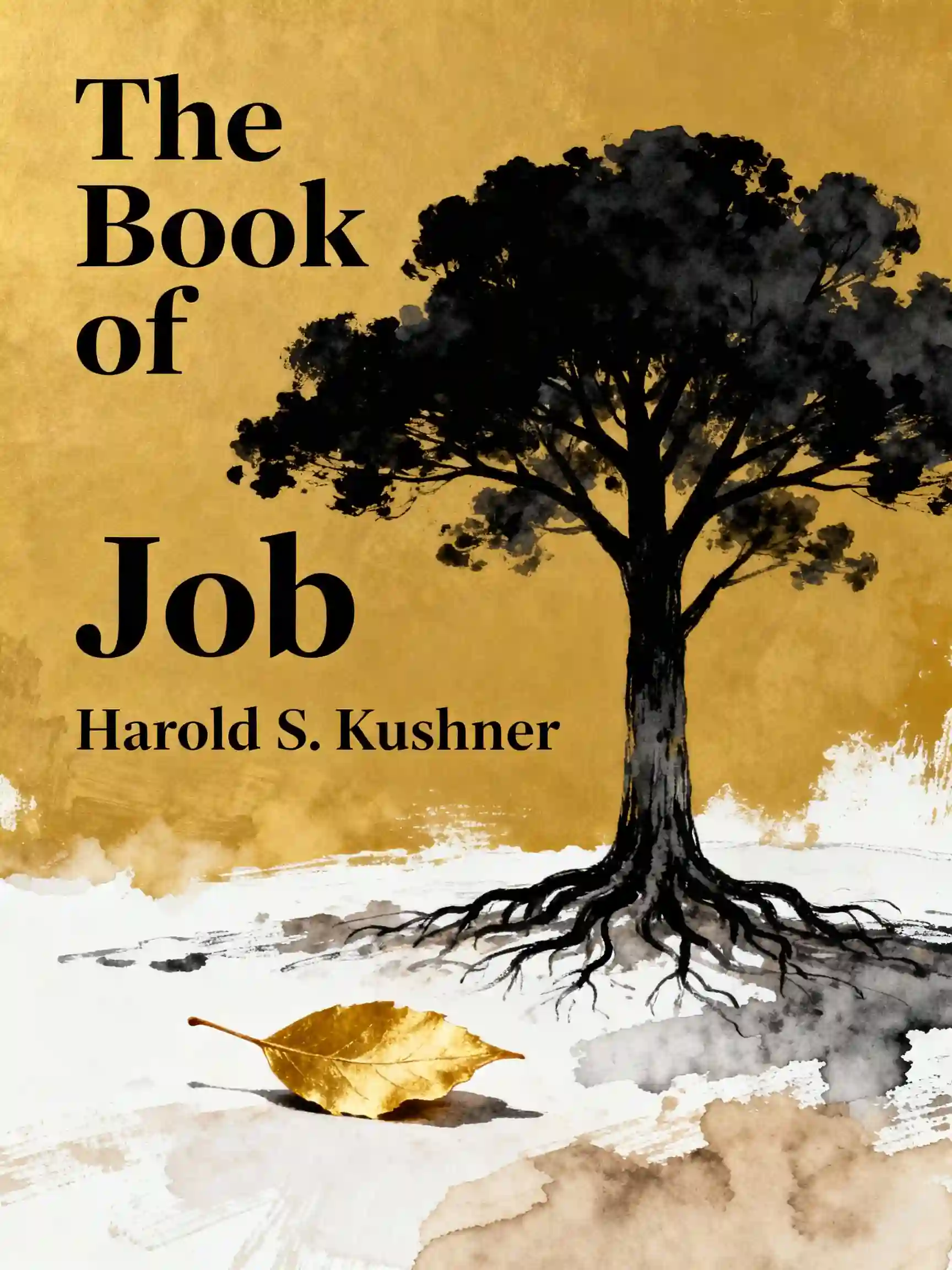
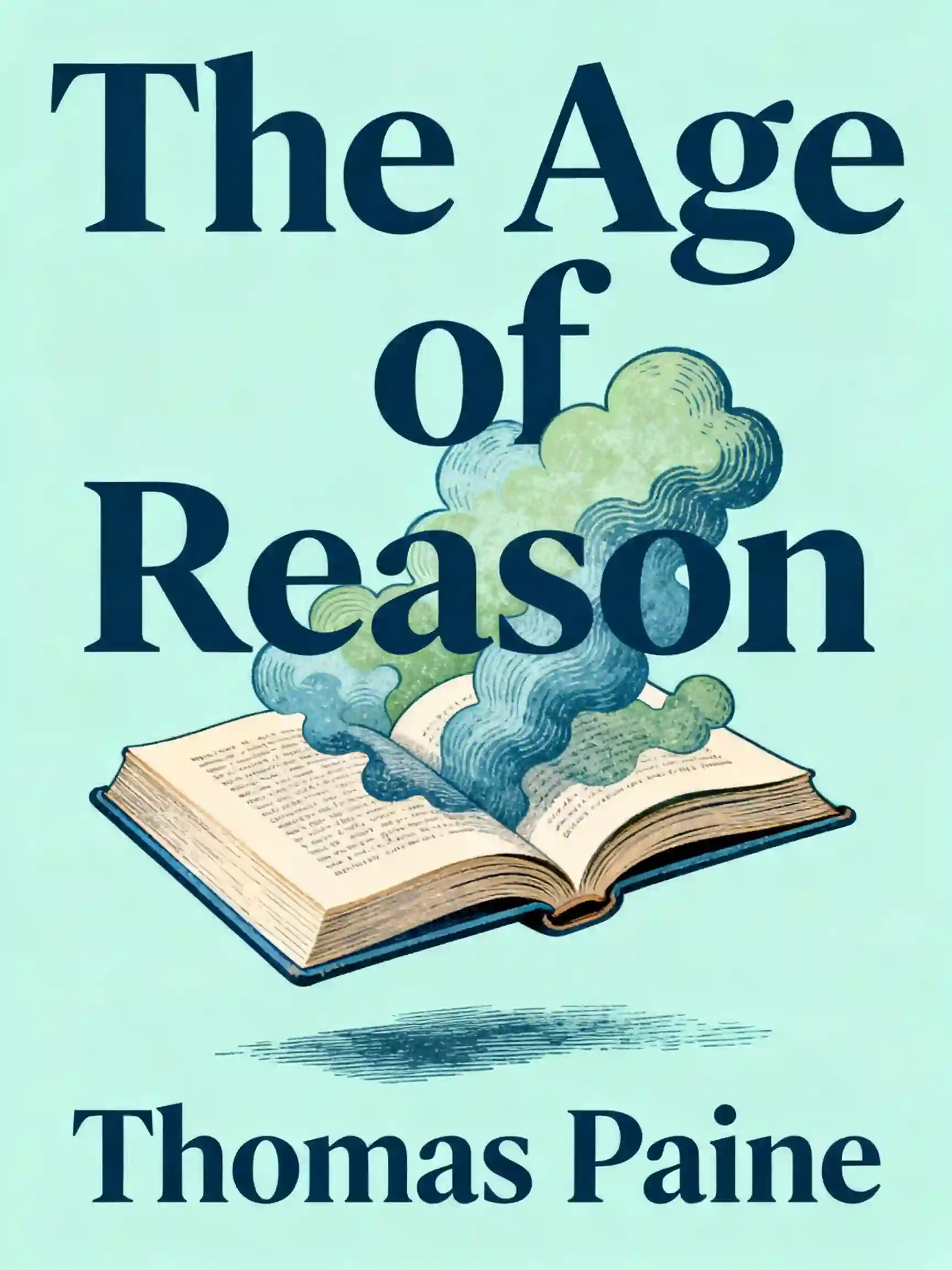
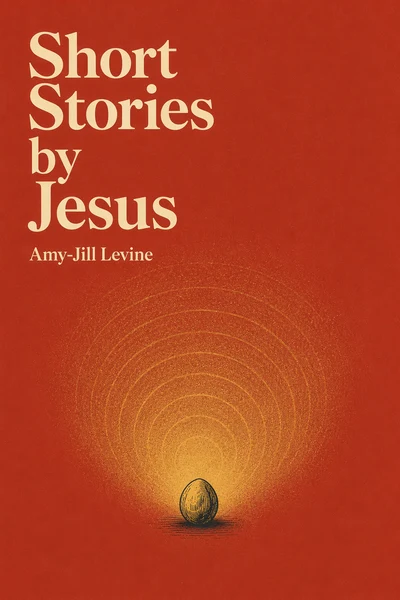
Descubra mais
The Way of the Fathers
This course bridges the gap between ancient Christian wisdom and modern spiritual struggles, offering a practical roadmap for inner transformation. It is ideal for seekers and believers wanting to move beyond surface-level religion into a deep, therapeutic experience of faith.

Understand the Book of Philippians
This learning plan offers a comprehensive bridge between academic biblical study and practical spiritual application. It is ideal for students of theology, small group leaders, or any believer seeking to find authentic joy and resilience through a deeper understanding of Paul’s prison epistles.

The Global Map of Scripture
This plan provides a vital cross-cultural perspective on how different traditions organize and interpret sacred texts. It is ideal for students of theology, history, or literature who want to move beyond a Western-centric view of the Bible.

The Anatomy of a Murderous Idea
This plan is essential for students of literature and philosophy seeking to understand the psychological depths of Crime and Punishment. It is ideal for anyone interested in the intersection of morality, criminal psychology, and the arduous path toward spiritual atonement.

Macdonald & Universalist Philosophy
This plan is essential for students of theology and literature seeking to understand the roots of inclusive salvation. It is ideal for those interested in George MacDonald’s influence on spiritual thought and the historical shift away from traditional dogmas.

Healing the Fractured Spirit
This course is essential for individuals seeking to overcome deep-seated spiritual trauma and cycle-breaking patterns of oppression. It is specifically designed for those feeling spiritually drained or manipulated who want to reclaim their autonomy and peace.

The Great Debate: Christianity vs. Secular Critique
This plan provides a rigorous framework for navigating the intellectual tension between faith and modern skepticism. It is ideal for students of philosophy, theology, or anyone seeking to articulate their worldview in an increasingly pluralistic society.

Stop the Self-Punishment Cycle
High achievers and perfectionists often fall into a trap where self-criticism becomes a barrier to progress rather than a motivator. This plan provides the tools to dismantle negative internal dialogues and build the resilience needed to face uncertainty without self-punishment.
Criado por ex-alunos da Universidade de Columbia em San Francisco
"Instead of endless scrolling, I just hit play on BeFreed. It saves me so much time."


"I never knew where to start with nonfiction—BeFreed’s book lists turned into podcasts gave me a clear path."


"Perfect balance between learning and entertainment. Finished ‘Thinking, Fast and Slow’ on my commute this week."
"Crazy how much I learned while walking the dog. BeFreed = small habits → big gains."
"Reading used to feel like a chore. Now it’s just part of my lifestyle."

"Feels effortless compared to reading. I’ve finished 6 books this month already."
"BeFreed turned my guilty doomscrolling into something that feels productive and inspiring."

"BeFreed turned my commute into learning time. 20-min podcasts are perfect for finishing books I never had time for."
"BeFreed replaced my podcast queue. Imagine Spotify for books — that’s it. 🙌"

"It is great for me to learn something from the book without reading it."
"The themed book list podcasts help me connect ideas across authors—like a guided audio journey."
"Makes me feel smarter every time before going to work"
Criado por ex-alunos da Universidade de Columbia em San Francisco
"Instead of endless scrolling, I just hit play on BeFreed. It saves me so much time."
"I never knew where to start with nonfiction—BeFreed’s book lists turned into podcasts gave me a clear path."
"Perfect balance between learning and entertainment. Finished ‘Thinking, Fast and Slow’ on my commute this week."
"Crazy how much I learned while walking the dog. BeFreed = small habits → big gains."
"Reading used to feel like a chore. Now it’s just part of my lifestyle."
"Feels effortless compared to reading. I’ve finished 6 books this month already."
"BeFreed turned my guilty doomscrolling into something that feels productive and inspiring."
"BeFreed turned my commute into learning time. 20-min podcasts are perfect for finishing books I never had time for."
"BeFreed replaced my podcast queue. Imagine Spotify for books — that’s it. 🙌"
"It is great for me to learn something from the book without reading it."
"The themed book list podcasts help me connect ideas across authors—like a guided audio journey."
"Makes me feel smarter every time before going to work"
"Instead of endless scrolling, I just hit play on BeFreed. It saves me so much time."
"I never knew where to start with nonfiction—BeFreed’s book lists turned into podcasts gave me a clear path."
"Perfect balance between learning and entertainment. Finished ‘Thinking, Fast and Slow’ on my commute this week."
"Crazy how much I learned while walking the dog. BeFreed = small habits → big gains."
"Reading used to feel like a chore. Now it’s just part of my lifestyle."
"Feels effortless compared to reading. I’ve finished 6 books this month already."
"BeFreed turned my guilty doomscrolling into something that feels productive and inspiring."
"BeFreed turned my commute into learning time. 20-min podcasts are perfect for finishing books I never had time for."
"BeFreed replaced my podcast queue. Imagine Spotify for books — that’s it. 🙌"
"It is great for me to learn something from the book without reading it."
"The themed book list podcasts help me connect ideas across authors—like a guided audio journey."
"Makes me feel smarter every time before going to work"
"Instead of endless scrolling, I just hit play on BeFreed. It saves me so much time."
"I never knew where to start with nonfiction—BeFreed’s book lists turned into podcasts gave me a clear path."
"Perfect balance between learning and entertainment. Finished ‘Thinking, Fast and Slow’ on my commute this week."
"Crazy how much I learned while walking the dog. BeFreed = small habits → big gains."
"Reading used to feel like a chore. Now it’s just part of my lifestyle."
"Feels effortless compared to reading. I’ve finished 6 books this month already."
"BeFreed turned my guilty doomscrolling into something that feels productive and inspiring."
"BeFreed turned my commute into learning time. 20-min podcasts are perfect for finishing books I never had time for."
"BeFreed replaced my podcast queue. Imagine Spotify for books — that’s it. 🙌"
"It is great for me to learn something from the book without reading it."
"The themed book list podcasts help me connect ideas across authors—like a guided audio journey."
"Makes me feel smarter every time before going to work"