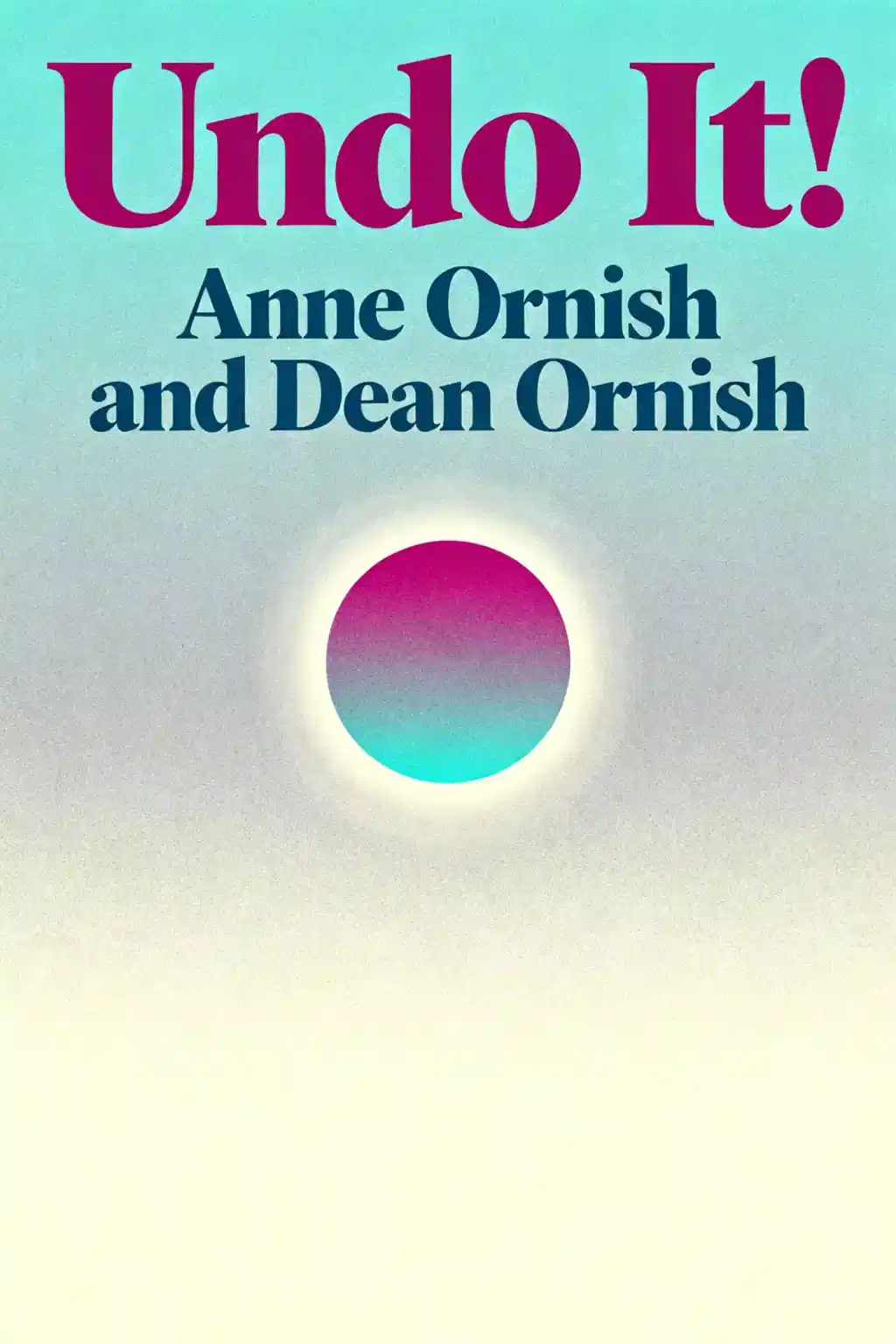
Plant-Based Disease Reversal: Revolutionary Science
Explore groundbreaking research from Drs. Ornish, Greger & Barnard showing how whole food plant-based diets can actually reverse heart disease, diabetes & cancer-not just manage them.


Esta aula em áudio foi criada por um membro da comunidade BeFreed
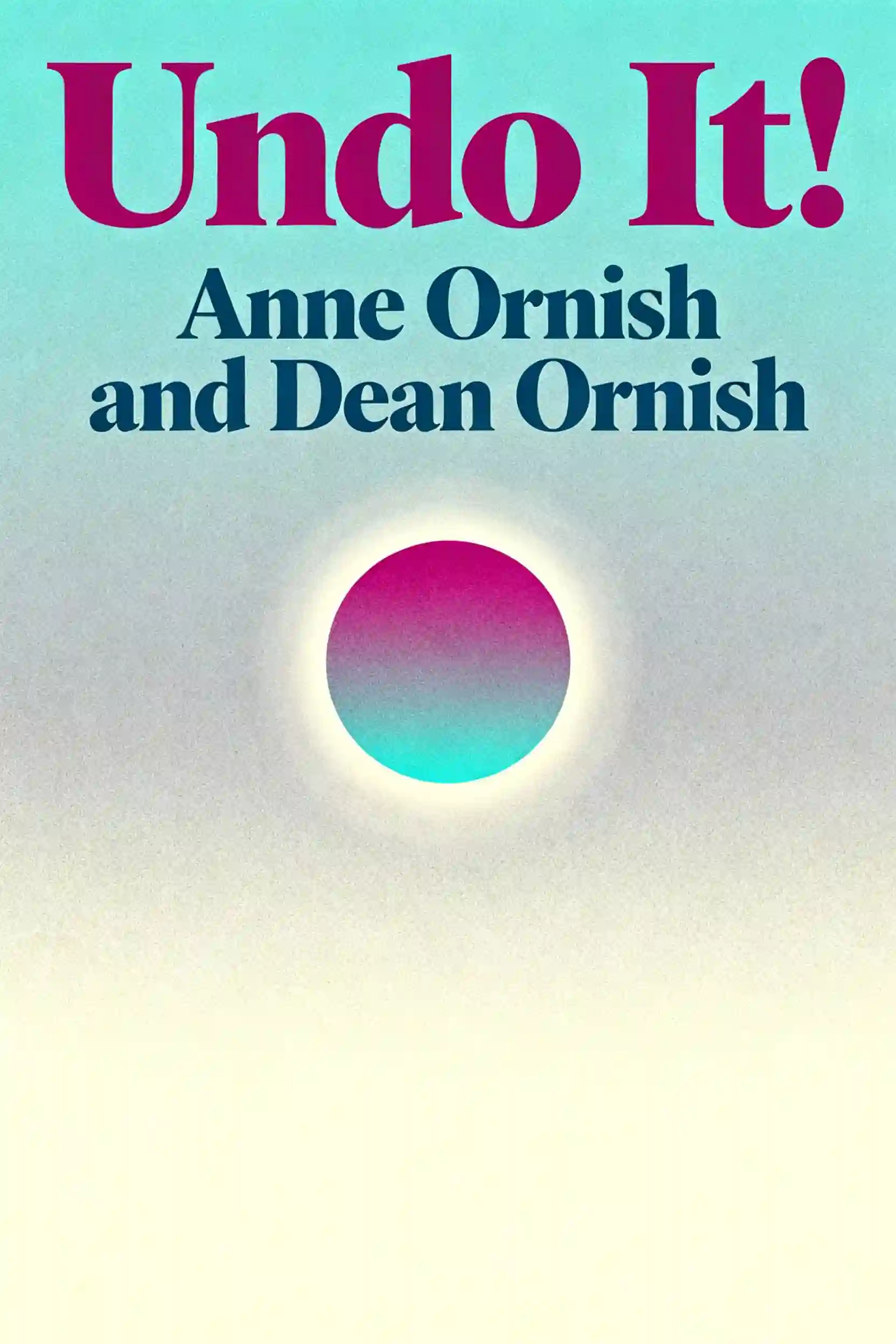
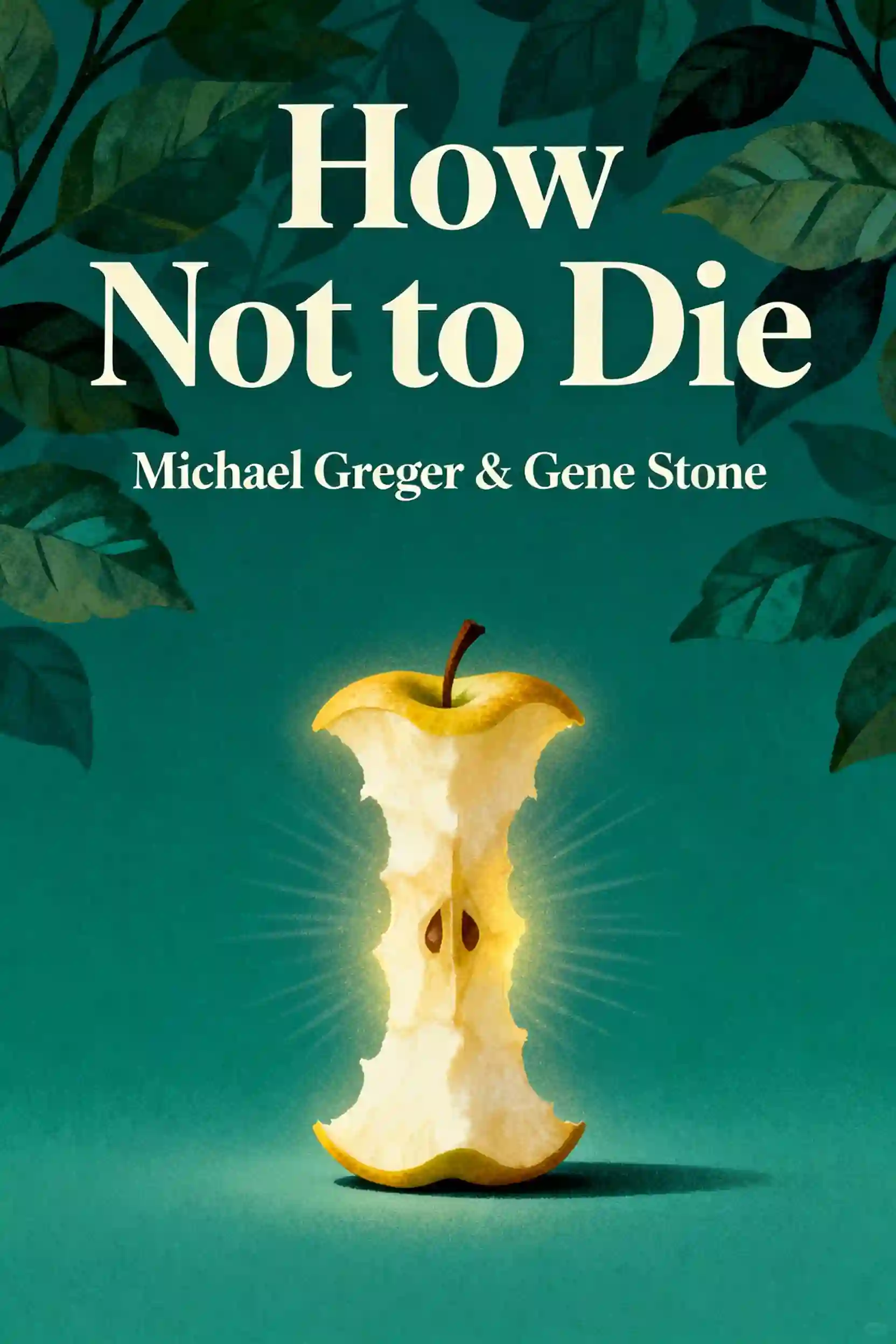
disease reversal using Wholefood plant base diet by Dr Dean Ornish, Dr Michael Greger, Dr Neal Barnard, and Dr. Goldner




Descubra mais

Reverse T2D via lifestyle & CGM hacks
Reverse T2D via lifestyle & CGM hacks
This learning plan is designed for healthcare practitioners, health coaches, and diabetes educators who want to help patients reverse type 2 diabetes through lifestyle interventions rather than medication alone. It combines cutting-edge metabolic science with proven behavioral psychology techniques, making it ideal for professionals creating online courses or coaching programs focused on sustainable diabetes reversal and long-term patient success.
All about nutrition
All about nutrition
This plan bridges the gap between basic healthy eating and advanced nutrient science for those seeking a data-driven approach to wellness. It is ideal for health enthusiasts, practitioners, or anyone wanting to master the biochemistry of food and evidence-based longevity.
Master creating T2 diabetes reversal courses
Master creating T2 diabetes reversal courses
This learning plan is designed for health professionals, educators, or subject matter experts who want to create a truly effective online course on type 2 diabetes reversal. It combines deep medical knowledge with instructional design expertise and business strategy to help you build a course that not only educates but produces measurable health outcomes while reaching the people who need it most.

Nutrition and how it works in the body
Nutrition and how it works in the body
This plan is essential for anyone looking to bridge the gap between basic dieting and biological science. It benefits health enthusiasts and professionals seeking to understand how metabolism, gut health, and personalized nutrition drive long-term wellness.

Mind, Body, Science & Relationships Study
Mind, Body, Science & Relationships Study
This study plan bridges the gap between biological research and practical lifestyle optimization for a holistic approach to health. It is ideal for individuals seeking to enhance their mental clarity, relationship quality, and physical resilience through a science-backed framework.

Diet+exercise for longevity
Diet+exercise for longevity
Advances in longevity science have revealed that specific diet and exercise strategies can significantly impact how we age. This learning plan synthesizes cutting-edge research into practical approaches for anyone seeking to extend their healthspan and improve quality of life as they age.
Health
Health
This learning plan provides a holistic approach to health that goes beyond quick fixes, offering science-backed strategies for sustainable wellbeing. Ideal for anyone looking to take control of their health journey, whether they're beginners seeking foundational knowledge or individuals wanting to optimize their existing wellness practices.

Health and longevity
Health and longevity
This learning plan is essential for anyone seeking to optimize their health trajectory and add quality years to their life through science-backed strategies. It's ideal for health-conscious individuals, healthcare professionals, and biohackers who want to move beyond generic wellness advice to understand and apply the latest longevity science. Whether you're looking to prevent age-related decline or maximize your current vitality, this comprehensive approach bridges timeless wisdom with cutting-edge research.
Criado por ex-alunos da Universidade de Columbia em San Francisco
"Instead of endless scrolling, I just hit play on BeFreed. It saves me so much time."


"I never knew where to start with nonfiction—BeFreed’s book lists turned into podcasts gave me a clear path."


"Perfect balance between learning and entertainment. Finished ‘Thinking, Fast and Slow’ on my commute this week."
"Crazy how much I learned while walking the dog. BeFreed = small habits → big gains."
"Reading used to feel like a chore. Now it’s just part of my lifestyle."

"Feels effortless compared to reading. I’ve finished 6 books this month already."
"BeFreed turned my guilty doomscrolling into something that feels productive and inspiring."

"BeFreed turned my commute into learning time. 20-min podcasts are perfect for finishing books I never had time for."
"BeFreed replaced my podcast queue. Imagine Spotify for books — that’s it. 🙌"

"It is great for me to learn something from the book without reading it."
"The themed book list podcasts help me connect ideas across authors—like a guided audio journey."
"Makes me feel smarter every time before going to work"
Criado por ex-alunos da Universidade de Columbia em San Francisco
"Instead of endless scrolling, I just hit play on BeFreed. It saves me so much time."
"I never knew where to start with nonfiction—BeFreed’s book lists turned into podcasts gave me a clear path."
"Perfect balance between learning and entertainment. Finished ‘Thinking, Fast and Slow’ on my commute this week."
"Crazy how much I learned while walking the dog. BeFreed = small habits → big gains."
"Reading used to feel like a chore. Now it’s just part of my lifestyle."
"Feels effortless compared to reading. I’ve finished 6 books this month already."
"BeFreed turned my guilty doomscrolling into something that feels productive and inspiring."
"BeFreed turned my commute into learning time. 20-min podcasts are perfect for finishing books I never had time for."
"BeFreed replaced my podcast queue. Imagine Spotify for books — that’s it. 🙌"
"It is great for me to learn something from the book without reading it."
"The themed book list podcasts help me connect ideas across authors—like a guided audio journey."
"Makes me feel smarter every time before going to work"
"Instead of endless scrolling, I just hit play on BeFreed. It saves me so much time."
"I never knew where to start with nonfiction—BeFreed’s book lists turned into podcasts gave me a clear path."
"Perfect balance between learning and entertainment. Finished ‘Thinking, Fast and Slow’ on my commute this week."
"Crazy how much I learned while walking the dog. BeFreed = small habits → big gains."
"Reading used to feel like a chore. Now it’s just part of my lifestyle."
"Feels effortless compared to reading. I’ve finished 6 books this month already."
"BeFreed turned my guilty doomscrolling into something that feels productive and inspiring."
"BeFreed turned my commute into learning time. 20-min podcasts are perfect for finishing books I never had time for."
"BeFreed replaced my podcast queue. Imagine Spotify for books — that’s it. 🙌"
"It is great for me to learn something from the book without reading it."
"The themed book list podcasts help me connect ideas across authors—like a guided audio journey."
"Makes me feel smarter every time before going to work"
"Instead of endless scrolling, I just hit play on BeFreed. It saves me so much time."
"I never knew where to start with nonfiction—BeFreed’s book lists turned into podcasts gave me a clear path."
"Perfect balance between learning and entertainment. Finished ‘Thinking, Fast and Slow’ on my commute this week."
"Crazy how much I learned while walking the dog. BeFreed = small habits → big gains."
"Reading used to feel like a chore. Now it’s just part of my lifestyle."
"Feels effortless compared to reading. I’ve finished 6 books this month already."
"BeFreed turned my guilty doomscrolling into something that feels productive and inspiring."
"BeFreed turned my commute into learning time. 20-min podcasts are perfect for finishing books I never had time for."
"BeFreed replaced my podcast queue. Imagine Spotify for books — that’s it. 🙌"
"It is great for me to learn something from the book without reading it."
"The themed book list podcasts help me connect ideas across authors—like a guided audio journey."
"Makes me feel smarter every time before going to work"