BeFreed
    Categories>Career & Business>Creating Personalized Customer Experiences Across All Touchpoints

    Creating Personalized Customer Experiences Across All Touchpoints

    21 min
    |
    |
    10 de abr. de 2026
    BusinessTechnologyAI

    Learn how to build personalized customer experiences across all touchpoints. Master omnichannel strategies to boost engagement, loyalty, and long-term retention.

    Creating Personalized Customer Experiences Across All Touchpoints

    Melhor citação de Creating Personalized Customer Experiences Across All Touchpoints

    “

    The magic happens when you move from just being 'everywhere' to being 'connected'—it’s about turning separate, disconnected interactions into one continuous, helpful conversation where the brand sounds like it has a memory.

    ”

    Esta aula em áudio foi criada por um membro da comunidade BeFreed

    Pergunta de entrada

    Creating seamless and personalized customer experiences across multiple touchpoints, including website, social media, email, and customer support, to drive engagement, loyalty, and retention.

    Vozes dos apresentadores
    Jacksonplay
    Niaplay
    Estilo de aprendizagem
    Divertido
    Fontes de conhecimento
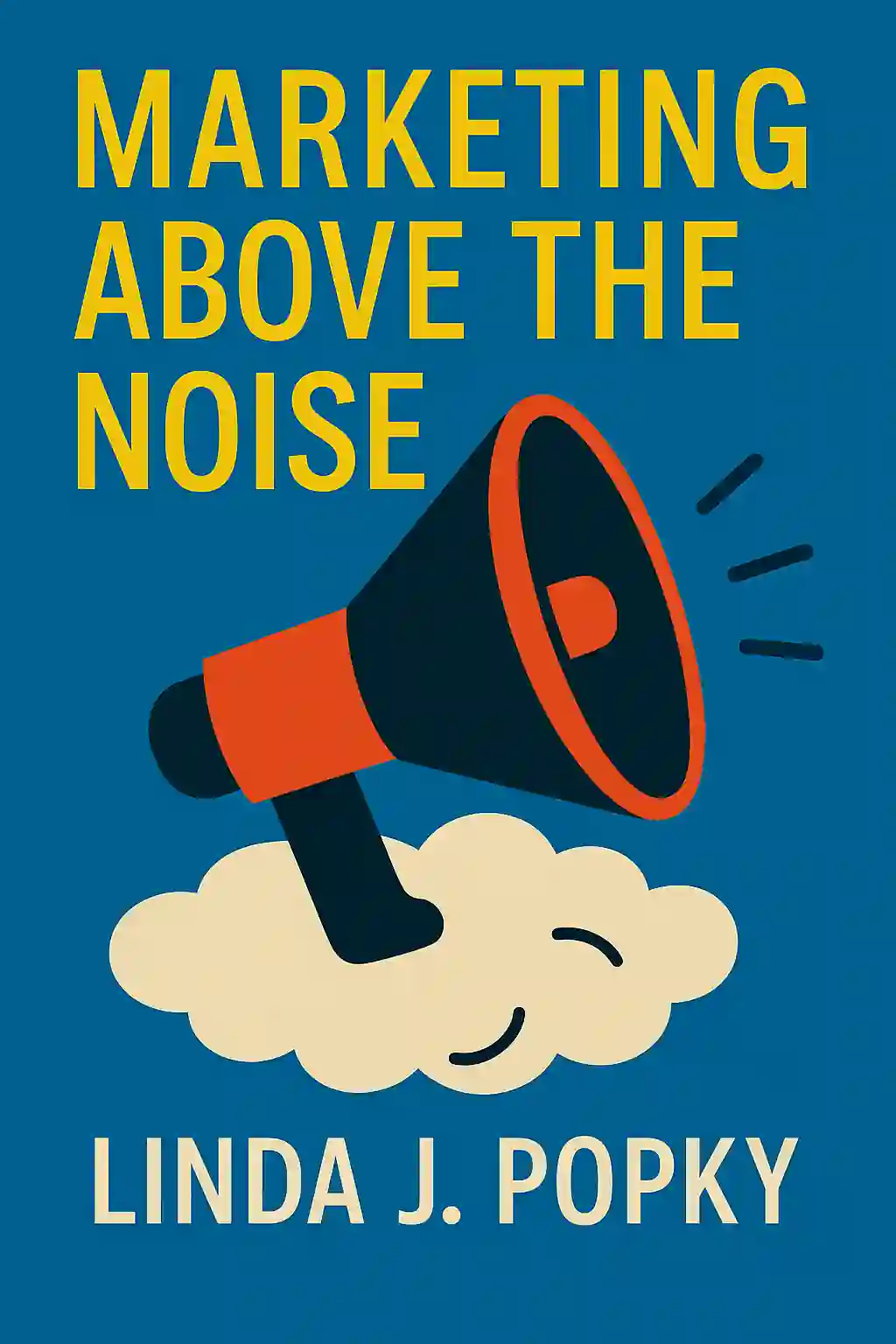
    Marketing Above the Noise
    Optimize
    CMO to CRO
    New Rules of Marketing and PR
    Marketing 3.0
    The Thank You Economy

    Perguntas frequentes

    Descubra mais

    Master Growth, Strategy & Human Insight

    Master Growth, Strategy & Human Insight

    PLANO DE APRENDIZADO

    Master Growth, Strategy & Human Insight

    In an era of rapid market shifts, success requires a blend of high-level strategy and a deep understanding of human psychology. This plan is designed for aspiring leaders and entrepreneurs who want to master both the technical frameworks of scaling and the behavioral insights that drive consumer action.

    2 h 15 m•4 Seções
    Business, Tech & Productivity Strategy

    Business, Tech & Productivity Strategy

    PLANO DE APRENDIZADO

    Business, Tech & Productivity Strategy

    In an era of rapid disruption, the ability to bridge the gap between high-level strategy and technical execution is a critical competitive advantage. This plan is designed for ambitious professionals and leaders who want to master digital transformation while optimizing their personal productivity for maximum scale.

    3 h 9 m•5 Seções
    marketing

    marketing

    PLANO DE APRENDIZADO

    marketing

    This comprehensive plan bridges the gap between classic marketing theory and modern digital execution. It is ideal for aspiring marketers and entrepreneurs looking to build a data-driven strategy grounded in authentic storytelling.

    2 h 49 m•4 Seções
    Explore Innovation, Tech & Behavioral Science

    Explore Innovation, Tech & Behavioral Science

    PLANO DE APRENDIZADO

    Explore Innovation, Tech & Behavioral Science

    In a rapidly shifting digital economy, the intersection of human psychology and emerging technology is where the most impactful solutions are born. This plan is essential for leaders and creators who want to move beyond technical expertise to master the art of behavioral design and strategic innovation.

    3 h•4 Seções
    Build rapport for merchant needs discovery

    Build rapport for merchant needs discovery

    PLANO DE APRENDIZADO

    Build rapport for merchant needs discovery

    This learning plan is essential for sales professionals and account managers looking to move beyond transactional interactions. It provides the psychological and strategic framework needed to foster genuine merchant partnerships and master the art of consultative discovery.

    2 h 34 m•4 Seções
    Be Consistent & Market Myself Better

    Be Consistent & Market Myself Better

    PLANO DE APRENDIZADO

    Be Consistent & Market Myself Better

    In an era of digital noise, the ability to maintain a consistent presence while clearly articulating your value is the ultimate competitive advantage. This plan is designed for professionals and creators who want to transition from sporadic efforts to building a powerful, recognizable personal brand.

    3 h 11 m•4 Seções
    Build, market, and scale online businesses.

    Build, market, and scale online businesses.

    PLANO DE APRENDIZADO

    Build, market, and scale online businesses.

    This learning plan is essential for aspiring entrepreneurs and current business owners looking to transition from manual operations to a scalable digital enterprise. It provides a comprehensive roadmap for anyone wanting to master both the technical marketing skills and the leadership mindset required for long-term growth.

    2 h 25 m•4 Seções
    How AI Is Transforming the Consumer Economy in 2025
    BLOG

    How AI Is Transforming the Consumer Economy in 2025

    Dive into how AI is reshaping the consumer economy in 2025—uncover the power of hyper-personalization and smarter shopping experiences.

    BeFreed Team

    Criado por ex-alunos da Universidade de Columbia em San Francisco

    BeFreed Reúne Uma Comunidade Global De 1,000,000 Mentes Curiosas
    Veja mais sobre como o BeFreed é discutido na web

    "Instead of endless scrolling, I just hit play on BeFreed. It saves me so much time."

    @Moemenn
    platform
    star
    star
    star
    star
    star

    "I never knew where to start with nonfiction—BeFreed’s book lists turned into podcasts gave me a clear path."

    @Chloe, Solo founder, LA
    platform
    comments
    12
    likes
    117

    "Perfect balance between learning and entertainment. Finished ‘Thinking, Fast and Slow’ on my commute this week."

    @Raaaaaachelw
    platform
    star
    star
    star
    star
    star

    "Crazy how much I learned while walking the dog. BeFreed = small habits → big gains."

    @Matt, YC alum
    platform
    comments
    12
    likes
    108

    "Reading used to feel like a chore. Now it’s just part of my lifestyle."

    @Erin, Investment Banking Associate , NYC
    platform
    comments
    254
    likes
    17

    "Feels effortless compared to reading. I’ve finished 6 books this month already."

    @djmikemoore
    platform
    star
    star
    star
    star
    star

    "BeFreed turned my guilty doomscrolling into something that feels productive and inspiring."

    @Pitiful
    platform
    comments
    96
    likes
    4.5K

    "BeFreed turned my commute into learning time. 20-min podcasts are perfect for finishing books I never had time for."

    @SofiaP
    platform
    star
    star
    star
    star
    star

    "BeFreed replaced my podcast queue. Imagine Spotify for books — that’s it. 🙌"

    @Jaded_Falcon
    platform
    comments
    201
    thumbsUp
    16

    "It is great for me to learn something from the book without reading it."

    @OojasSalunke
    platform
    star
    star
    star
    star
    star

    "The themed book list podcasts help me connect ideas across authors—like a guided audio journey."

    @Leo, Law Student, UPenn
    platform
    comments
    37
    likes
    483

    "Makes me feel smarter every time before going to work"

    @Cashflowbubu
    platform
    star
    star
    star
    star
    star

    Criado por ex-alunos da Universidade de Columbia em San Francisco

    BeFreed Reúne Uma Comunidade Global De 1,000,000 Mentes Curiosas
    Veja mais sobre como o BeFreed é discutido na web

    "Instead of endless scrolling, I just hit play on BeFreed. It saves me so much time."

    @Moemenn
    platform
    star
    star
    star
    star
    star

    "I never knew where to start with nonfiction—BeFreed’s book lists turned into podcasts gave me a clear path."

    @Chloe, Solo founder, LA
    platform
    comments
    12
    likes
    117

    "Perfect balance between learning and entertainment. Finished ‘Thinking, Fast and Slow’ on my commute this week."

    @Raaaaaachelw
    platform
    star
    star
    star
    star
    star

    "Crazy how much I learned while walking the dog. BeFreed = small habits → big gains."

    @Matt, YC alum
    platform
    comments
    12
    likes
    108

    "Reading used to feel like a chore. Now it’s just part of my lifestyle."

    @Erin, Investment Banking Associate , NYC
    platform
    comments
    254
    likes
    17

    "Feels effortless compared to reading. I’ve finished 6 books this month already."

    @djmikemoore
    platform
    star
    star
    star
    star
    star

    "BeFreed turned my guilty doomscrolling into something that feels productive and inspiring."

    @Pitiful
    platform
    comments
    96
    likes
    4.5K

    "BeFreed turned my commute into learning time. 20-min podcasts are perfect for finishing books I never had time for."

    @SofiaP
    platform
    star
    star
    star
    star
    star

    "BeFreed replaced my podcast queue. Imagine Spotify for books — that’s it. 🙌"

    @Jaded_Falcon
    platform
    comments
    201
    thumbsUp
    16

    "It is great for me to learn something from the book without reading it."

    @OojasSalunke
    platform
    star
    star
    star
    star
    star

    "The themed book list podcasts help me connect ideas across authors—like a guided audio journey."

    @Leo, Law Student, UPenn
    platform
    comments
    37
    likes
    483

    "Makes me feel smarter every time before going to work"

    @Cashflowbubu
    platform
    star
    star
    star
    star
    star

    "Instead of endless scrolling, I just hit play on BeFreed. It saves me so much time."

    @Moemenn
    platform
    star
    star
    star
    star
    star

    "I never knew where to start with nonfiction—BeFreed’s book lists turned into podcasts gave me a clear path."

    @Chloe, Solo founder, LA
    platform
    comments
    12
    likes
    117

    "Perfect balance between learning and entertainment. Finished ‘Thinking, Fast and Slow’ on my commute this week."

    @Raaaaaachelw
    platform
    star
    star
    star
    star
    star

    "Crazy how much I learned while walking the dog. BeFreed = small habits → big gains."

    @Matt, YC alum
    platform
    comments
    12
    likes
    108

    "Reading used to feel like a chore. Now it’s just part of my lifestyle."

    @Erin, Investment Banking Associate , NYC
    platform
    comments
    254
    likes
    17

    "Feels effortless compared to reading. I’ve finished 6 books this month already."

    @djmikemoore
    platform
    star
    star
    star
    star
    star

    "BeFreed turned my guilty doomscrolling into something that feels productive and inspiring."

    @Pitiful
    platform
    comments
    96
    likes
    4.5K

    "BeFreed turned my commute into learning time. 20-min podcasts are perfect for finishing books I never had time for."

    @SofiaP
    platform
    star
    star
    star
    star
    star

    "BeFreed replaced my podcast queue. Imagine Spotify for books — that’s it. 🙌"

    @Jaded_Falcon
    platform
    comments
    201
    thumbsUp
    16

    "It is great for me to learn something from the book without reading it."

    @OojasSalunke
    platform
    star
    star
    star
    star
    star

    "The themed book list podcasts help me connect ideas across authors—like a guided audio journey."

    @Leo, Law Student, UPenn
    platform
    comments
    37
    likes
    483

    "Makes me feel smarter every time before going to work"

    @Cashflowbubu
    platform
    star
    star
    star
    star
    star

    "Instead of endless scrolling, I just hit play on BeFreed. It saves me so much time."

    @Moemenn
    platform
    star
    star
    star
    star
    star

    "I never knew where to start with nonfiction—BeFreed’s book lists turned into podcasts gave me a clear path."

    @Chloe, Solo founder, LA
    platform
    comments
    12
    likes
    117

    "Perfect balance between learning and entertainment. Finished ‘Thinking, Fast and Slow’ on my commute this week."

    @Raaaaaachelw
    platform
    star
    star
    star
    star
    star

    "Crazy how much I learned while walking the dog. BeFreed = small habits → big gains."

    @Matt, YC alum
    platform
    comments
    12
    likes
    108

    "Reading used to feel like a chore. Now it’s just part of my lifestyle."

    @Erin, Investment Banking Associate , NYC
    platform
    comments
    254
    likes
    17

    "Feels effortless compared to reading. I’ve finished 6 books this month already."

    @djmikemoore
    platform
    star
    star
    star
    star
    star

    "BeFreed turned my guilty doomscrolling into something that feels productive and inspiring."

    @Pitiful
    platform
    comments
    96
    likes
    4.5K

    "BeFreed turned my commute into learning time. 20-min podcasts are perfect for finishing books I never had time for."

    @SofiaP
    platform
    star
    star
    star
    star
    star

    "BeFreed replaced my podcast queue. Imagine Spotify for books — that’s it. 🙌"

    @Jaded_Falcon
    platform
    comments
    201
    thumbsUp
    16

    "It is great for me to learn something from the book without reading it."

    @OojasSalunke
    platform
    star
    star
    star
    star
    star

    "The themed book list podcasts help me connect ideas across authors—like a guided audio journey."

    @Leo, Law Student, UPenn
    platform
    comments
    37
    likes
    483

    "Makes me feel smarter every time before going to work"

    @Cashflowbubu
    platform
    star
    star
    star
    star
    star
    1.5K Ratings4.7
    Comece sua jornada de aprendizado, agora
    BeFreed App
    BeFreed

    Aprenda Qualquer Coisa, Personalizado

    DiscordLinkedIn
    Resumos de livros em destaque
    Crucial ConversationsThe Perfect MarriageInto the WildNever Split the DifferenceAttachedGood to GreatSay Nothing
    Categorias em alta
    Self HelpCommunication SkillRelationshipMindfulnessPhilosophyInspirationProductivity
    Lista de leitura de celebridades
    Elon MuskCharlie KirkBill GatesSteve JobsAndrew HubermanJoe RoganJordan Peterson
    Coleção premiada
    Pulitzer PrizeNational Book AwardGoodreads Choice AwardsNobel Prize in LiteratureNew York TimesCaldecott MedalNebula Award
    Tópicos em destaque
    ManagementAmerican HistoryWarTradingStoicismAnxietySex
    Melhores livros por ano
    2025 Best Non Fiction Books2024 Best Non Fiction Books2023 Best Non Fiction Books
    Autores em destaque
    Chimamanda Ngozi AdichieGeorge OrwellO. J. SimpsonBarbara O'NeillWinston ChurchillCharlie Kirk
    BeFreed vs outros apps
    BeFreed vs. Other Book Summary AppsBeFreed vs. ElevenReaderBeFreed vs. ReadwiseBeFreed vs. Anki
    Ferramentas de aprendizado
    Knowledge VisualizerAI Podcast Generator
    Informações
    Sobre Nósarrow
    Preçosarrow
    Perguntas Frequentesarrow
    Blogarrow
    Carreirasarrow
    Parceriasarrow
    Programa de Embaixadoresarrow
    Diretórioarrow
    BeFreed
    Try now
    © 2026 BeFreed
    Termos de UsoPolítica de Privacidade
    BeFreed

    Aprenda Qualquer Coisa, Personalizado

    DiscordLinkedIn
    Resumos de livros em destaque
    Crucial ConversationsThe Perfect MarriageInto the WildNever Split the DifferenceAttachedGood to GreatSay Nothing
    Categorias em alta
    Self HelpCommunication SkillRelationshipMindfulnessPhilosophyInspirationProductivity
    Lista de leitura de celebridades
    Elon MuskCharlie KirkBill GatesSteve JobsAndrew HubermanJoe RoganJordan Peterson
    Coleção premiada
    Pulitzer PrizeNational Book AwardGoodreads Choice AwardsNobel Prize in LiteratureNew York TimesCaldecott MedalNebula Award
    Tópicos em destaque
    ManagementAmerican HistoryWarTradingStoicismAnxietySex
    Melhores livros por ano
    2025 Best Non Fiction Books2024 Best Non Fiction Books2023 Best Non Fiction Books
    Ferramentas de aprendizado
    Knowledge VisualizerAI Podcast Generator
    Autores em destaque
    Chimamanda Ngozi AdichieGeorge OrwellO. J. SimpsonBarbara O'NeillWinston ChurchillCharlie Kirk
    BeFreed vs outros apps
    BeFreed vs. Other Book Summary AppsBeFreed vs. ElevenReaderBeFreed vs. ReadwiseBeFreed vs. Anki
    Informações
    Sobre Nósarrow
    Preçosarrow
    Perguntas Frequentesarrow
    Blogarrow
    Carreirasarrow
    Parceriasarrow
    Programa de Embaixadoresarrow
    Diretórioarrow
    BeFreed
    Try now
    © 2026 BeFreed
    Termos de UsoPolítica de Privacidade

    Pontos-chave

    1

    Closing the Omnichannel Gap

    0:00

    Jackson: Hey Nia, I was just thinking about that classic shopping headache—you know, when you buy something online, but then you keep getting "buy this now" emails for that exact same product for the next two weeks. It’s like the brand has total amnesia!

    0:13

    Nia: Oh, it’s the worst. It’s what we call the "Omnichannel Gap." It’s fascinating because, as of 2026, 64% of customers say personalized engagement is actually critical to their buying decisions. They aren't just looking for a product; they’re looking for a brand that remembers them across SMS, email, and social media without making them repeat themselves.

    0:34

    Jackson: Right, but just being on those platforms isn't enough, is it? I mean, most businesses are "multichannel," but their teams are basically working in silos.

    0:43

    Nia: Exactly. The magic happens when you move from just being "everywhere" to being "connected." We’re talking about a strategy where a customer can start a support chat on their laptop and finish it on WhatsApp during a ride to a campsite without missing a beat.

    0:56

    Jackson: That sounds like the dream for retention. So, let’s dive into how we actually build that seamless journey and audit your current tech stack to see where those conversations are going to die.

    2

    The Pillars of a Unified Foundation

    1:07

    Nia: Building on that dream of a seamless journey, we have to talk about the actual infrastructure that makes it possible. You can’t build a skyscraper on sand, right? In the world of 2026, the bedrock is your Customer Data Platform—the CDP—and your CRM. I was looking at how a massive brand like Arezzo handles this. They have over fourteen million active customers. Imagine trying to keep track of fourteen million people without a centralized brain!

    1:35

    Jackson: Fourteen million! That is a staggering amount of data points. If those are sitting in different spreadsheets or separate software for the email team and the social media team, it’s just a recipe for chaos.

    1:47

    Nia: It really is. The goal of a unified foundation is to create a single customer view. It’s the difference between seeing a customer as a "cookie ID" on a website and an "email address" in a newsletter and actually knowing they are the same person—let's call her Sarah—who loves open-toed shoes and usually shops on Tuesday nights.

    2:06

    Jackson: So, Sarah isn't just a record; she’s a person with a history. One of the frameworks that really caught my eye involves these four core pillars: customer understanding, journey orchestration, personalization with AI, and then measurement. It sounds like you start with understanding—getting that first-party data together—and then you move into the orchestration part.

    0:43

    Nia: Exactly. And that orchestration is where the "Omnichannel" part really kicks in. It’s not just sending an email because it’s Tuesday. It’s knowing that Sarah clicked a link on Instagram, so the next time she opens your app, she sees a Content Card related to what she just saw. It’s about state management. Your systems need to know what she viewed recently, what’s in her basket, and even if she has an open support ticket.

    2:50

    Jackson: State management—that’s a great term. It’s like a save point in a video game. You don’t want to go back to level one every time you switch devices. But Nia, I can hear our listeners now—"This sounds expensive and complicated."

    3:03

    Nia: It can feel that way, but even starting with a "minimum viable data model" makes a huge difference. You just need the essentials: a unique ID, key events like "added to cart," and clear consent preferences. In the UK and Europe, especially with regulations like GDPR, treating consent as a core part of the user experience isn't just a legal thing—it’s a trust builder.

    3:24

    Jackson: Right, because if I trust you with my data, I expect you to use it to make my life easier, not just to spam me. I noticed that companies using this unified data approach see about 2.4 times higher revenue growth than those stuck in silos. It’s not just a "nice to have" anymore; it’s literally the fuel for growth.

    3:43

    Nia: It’s the infrastructure of retention. When your data flows between marketing, sales, and support, everyone sees the same timestamped information. So when Sarah calls support, the agent doesn't say "How can I help you?" They say "I see you were looking at those open-toed shoes and had a question about the sizing." That is how you win in 2026.

    3

    Auditing the Tech Stack for 2026 Readiness

    4:03

    Jackson: Okay, so we’ve got the foundation—the "brain" of the operation. But now we need to look at the actual tools we’re using. I mean, most of us have a stack that looks like a game of Jenga—just pieces piled on top of each other, hoping it doesn't fall over. How do we audit this to make sure we’re actually ready for an omnichannel strategy?

    4:22

    Nia: That Jenga analogy is spot on! The first thing you have to do is take an inventory of every single touchpoint. And I don’t just mean your website and your email tool. I mean the "dark touchpoints" too—things like customer support logs, return processes, and even social media comments. You have to ask: "Does this tool talk to the others?"

    4:42

    Jackson: Right, and if they don't talk, you’re creating those silos we talked about. I was reading about the difference between traditional CRMs and these new AI-powered platforms. A traditional CRM is like a digital filing cabinet—it just sits there. But the modern ones act like an intelligence engine. They’re processing signals in real-time.

    0:43

    Nia: Exactly. So, a key part of your audit is checking for API-led connectivity. Can your CRM pull in data from your e-commerce platform and then push it out to your marketing automation tool instantly? In 2026, if your sync takes twenty-four hours, you’ve already lost the customer. They’ve moved on.

    5:19

    Jackson: That’s a tough standard! But it makes sense. I see platforms like Voyado or Markopolo AI becoming popular because they integrate these things natively. Markopolo, for example, uses something called "behavioral vectorization" that processes intent in under fifty milliseconds. Fifty milliseconds! That’s faster than a blink.

    5:39

    Nia: It’s incredible. During your audit, you should also look for "manual gaps." Are your teams exporting CSV files to move data from one place to another? That’s a red flag. Manual uploads are where data goes to die—or at least where it becomes outdated and prone to human error.

    5:56

    Jackson: And what about the "orphaned" tools? You know, that one software the marketing intern bought three years ago that nobody remembers how to use?

    6:03

    Nia: Oh, get rid of them! Consolidation is your friend. You want a stack where information flows bidirectionally. Marketing sees what sales is doing, and service teams know exactly what automation Sarah has already received. You should also look for "quiet hours" settings and frequency caps in your tools. If you can’t control how often you’re hitting a customer across all channels, you’re going to end up annoying them, no matter how good your content is.

    6:27

    Jackson: So the audit isn't just about what you have, but how it behaves. I like the idea of a "Technology Stack Evaluation" that balances business impact against the difficulty of implementation. Maybe don't try to install a massive AI engine on day one if you haven't even synced your email and your website yet.

    6:47

    Nia: Precisely. Start with the "high impact, medium effort" wins. If you can get your browse abandonment emails to reflect what’s actually in the cart in real-time, that’s a massive win that pays for the rest of the transformation.

    4

    Mapping Journeys with Behavioral Intelligence

    7:01

    Jackson: So, Nia, once the tech is audited and the data is unified, we have to actually draw the map, right? But the maps we used to make—those linear "Step A to Step B" funnels—they feel kind of obsolete now. Customers in 2026 are bouncing around like pinballs.

    7:18

    Nia: You're so right. The modern journey isn't a straight line; it's a web. This is where "behavioral intelligence" becomes the secret sauce. Instead of just mapping touchpoints, we need to map "moments of truth." These are the points where anxiety is high—like at checkout or during a product return—or where a customer might be comparing prices.

    7:39

    Jackson: That reminds me of the "behavioral vector" concept we touched on. It’s not just "Sarah visited the site." It’s "Sarah visited the site four times in two hours, looked at the shipping policy twice, and scrolled through thirty reviews." That behavior screams "I want to buy but I’m worried about something."

    7:58

    Nia: Exactly! And a smart omnichannel strategy uses that signal to intervene. Maybe instead of a generic "10% off" email, the system triggers a WhatsApp message with a video showing the product’s durability, or an AI voice call that can actually answer her specific questions about the warranty.

    8:16

    Jackson: Wait, AI voice calls? That sounds like a big leap from a simple chatbot.

    8:21

    Nia: It’s one of the biggest shifts we’re seeing in 2026. Platforms like Markopolo AI are using autonomous agents that can have human-like conversations. Imagine Sarah gets a call, and the agent says, "Hey Sarah, I saw you were looking at the warranty for those shoes. Did you know we offer a two-year replacement guarantee?" It’s contextual, it’s relevant, and it solves the friction point right there.

    8:44

    Jackson: That is wild. But to map that out, you really need to understand the "Jobs-to-be-Done" for each persona. It’s not just about demographics anymore. It’s about what they’re trying to achieve. Is the customer a "bargain seeker" who needs a price-drop alert, or a "high-intent researcher" who needs technical specs?

    9:02

    Nia: Right. And your map needs "exit criteria." This is a huge one. One of the biggest complaints from customers is getting a "buy now" nudge for something they literally just bought ten minutes ago. Your journey needs to know exactly when to stop. The moment that purchase event hits the CDP, every other "nudge" in that sequence should be suppressed immediately.

    9:21

    Jackson: It’s about "coherence," not just "consistency." Consistency is saying the same thing everywhere. Coherence is the brand sounding like it has a memory. I love the idea of "state-driven messaging." If a customer has an open support ticket because their last order was damaged, you probably shouldn't be sending them a "Refer a Friend" email right that second.

    9:45

    Nia: Spot on. You have to prioritize the service experience over the sales experience when things go wrong. That’s how you build long-term loyalty. The map should account for these "human-in-the-loop" moments, too. If a high-value customer stalls on a pricing page for a long time, maybe that triggers a task for a real person to reach out. It’s using the data to know when the AI should step back and let a human take over.

    10:08

    Jackson: So, the map is less of a fixed path and more of a set of rules for the AI to follow. It’s like giving the AI a compass and a destination, rather than a turn-by-turn GPS that can’t adapt to a road closure.

    5

    The Power of AI Personalization at Scale

    10:22

    Jackson: We’ve mentioned AI a lot, but let’s really get into the "how" of it. Because "personalization" used to just mean putting someone's first name in an email subject line—which, let's be honest, feels a bit "uncanny valley" these days. What does hyper-personalization actually look like in 2026?

    10:39

    Nia: It’s moved so far beyond the "Hi [FirstName]" era. Now, we’re talking about "AI decisioning." This is where the AI doesn't just follow a set of "if-this-then-that" rules you wrote. Instead, it looks at millions of combinations of variables—the content, the offer, the channel, the timing—and picks the winning combination for that specific individual at that specific micro-moment.

    11:04

    Jackson: So, instead of me as a marketer trying to guess that Sarah prefers SMS on Tuesday mornings, the AI just sees that Sarah’s engagement rate is 80% higher on SMS at 10:00 AM and acts on it?

    0:43

    Nia: Exactly. It’s about "predictive audiences" and "propensity modeling." The system can identify which customers are likely to churn, which ones are ready for an upgrade, and even which ones are "price sensitive" versus "value driven." Take a brand like JD Sports—they used an AI platform to power their campaigns across Europe. They saw a 65% increase in conversion rates in the UK because the AI was delivering individualized messaging based on real-time behavior, not just static segments.

    11:44

    Jackson: 65%! That’s not a small bump; that’s a transformation. And I saw that Michael Kors is doing something similar with an AI chatbot that speaks fifteen languages and handles WhatsApp, email, and social media. They reduced their response times by 83%! That’s the kind of speed customers expect now.

    1:47

    Nia: It really is. And the "Generative AI" side of things is also huge. It’s not just about the data; it’s about the creative. We’re seeing platforms that can generate unique copy and even visual variations for each recipient. So, if I’m a fan of hiking, the background of the email might show a mountain trail, while if you’re into city running, you see an urban sunset. It’s all within the brand guardrails, but it’s tailored to our specific "vibe."

    12:29

    Jackson: That sounds like a lot of work for a marketing team to manage, though. How do you keep it from becoming a chaotic mess of different messages?

    12:37

    Nia: That’s where "orchestration" and "guardrails" come in. You give the AI the assets and the goals, and it handles the variations. But you still have "frequency caps" and "priority rules." For instance, a "transactional" message like a shipping update always takes priority over a "promotional" message. And the AI learns from the "fatigue signals"—if Sarah starts unsubscribing or ignoring messages, the AI backs off automatically.

    12:59

    Jackson: It’s like the AI is an assistant who knows your customers better than you do, but still follows your house rules. I read that retailers who move to this kind of cross-channel engagement see a 55% increase in ninety-day retention. It’s because the experience feels helpful, not intrusive. It’s "personalization for relevance, not for flex," as one of the guides put it.

    13:23

    Nia: I love that. "For relevance, not for flex." Don't show me that you know where I live just to prove you have the data. Use that data to show me the store nearest to me that actually has the shoes I want in my size. That is the 2026 standard.

    6

    Solving the Friction in Post-Purchase and Loyalty

    13:37

    Jackson: You know, Nia, I think a lot of brands put all their energy into the "chase"—the acquisition and the sale—and then they just kind of drop the ball once the customer has actually handed over their money. But in an omnichannel world, that post-purchase phase is where the real loyalty is built, right?

    13:53

    Nia: Oh, absolutely. The sale is just the beginning of the relationship. "Broken omnichannel" is when you buy a pair of boots and then get bombarded with ads for those same boots for the next month. It makes the customer feel like the brand wasn't even paying attention to the purchase!

    14:07

    Jackson: It’s so true. I’ve seen this referred to as "retention infrastructure." One of the frameworks suggested using "onboarding journeys" to reduce returns and build habits. Like, if I buy a complicated piece of tech, I should get a series of "how-to" videos or tips via my preferred channel—maybe email for the long-form stuff and a push notification for a quick "pro-tip" the next day.

    0:43

    Nia: Exactly. And that data needs to flow back to support. If Sarah’s package is delayed, the system should know that. Instead of a "Hey, hope you’re enjoying your shoes!" email, it should trigger a "We’re so sorry your shoes are running late, here’s a credit for your next order" message. That proactive honesty is a massive trust builder.

    14:46

    Jackson: It turns a negative experience into a loyalty moment. I saw that Arezzo used "delivery-event-triggered" recommendations. So, the moment the package is marked as "delivered," the customer gets a message saying, "Your shoes have arrived! Here are some socks that go perfectly with them." It’s timely and relevant.

    15:04

    Nia: And let's talk about loyalty programs. In 2026, loyalty isn't just about "Gold" or "Silver" tiers. It’s about using that status to personalize the entire experience. If I’m a loyalist, maybe I get early access to a new collection, and that access is reflected across the website, the app, and even when I walk into a physical store.

    15:25

    Jackson: Right, the "phygital" experience—blending the physical and digital. If a store associate can see my loyalty status and my recent online browsing history on their tablet, they can give me a much better experience. They might say, "I saw you were looking at these shoes online, we actually have them in your size right here if you want to try them on."

    15:45

    Nia: That is the dream! And we can't forget "win-back" journeys. If a customer hasn't interacted in a while, AI can analyze why. Was it a bad support experience? Did they just drift away? A personalized win-back campaign that acknowledges their history—maybe saying, "We miss you, and we’ve improved our shipping times since your last order"—can be incredibly effective.

    16:05

    Jackson: It’s about being human at scale. One study found that customers who have high-quality omnichannel experiences are 3.6 times more likely to buy additional products. It’s because they feel like the brand actually "gets" them. It’s not just a transaction; it’s a conversation that continues even after the "thank you for your order" page.

    6:47

    Nia: Precisely. And by measuring things like "time to second purchase" and "customer lifetime value," you can see exactly how these post-purchase journeys are protecting your revenue. It’s much cheaper to keep a customer happy than it is to go out and find a new one.

    7

    Practical Playbook for the Listener

    16:44

    Jackson: We’ve covered a lot of ground today, from the high-level AI tech to the nitty-gritty of data audits. If you’re listening to this and feeling a bit overwhelmed, don’t worry. We’ve put together a practical "Playbook for 2026" to help you get started. Nia, what’s step one?

    16:59

    Nia: Step one is: Pick one high-impact journey. Don’t try to "boil the ocean" and fix everything at once. Maybe it’s your welcome series, or your cart abandonment flow. Pick the one that’s going to have the biggest impact on your revenue or retention and focus all your energy there first.

    17:16

    Jackson: I love that. Start small, win big. Step two: Audit for "Silos" and "Orphans." Look at your tech stack. Are your marketing, sales, and support teams seeing the same data? If not, that’s your first technical hurdle. You need to find a way to get that information flowing bidirectionally, even if it’s just starting with a simple API connection between your website and your email tool.

    17:38

    Nia: Step three: Define your "Exit Criteria." This is the easiest way to improve your customer experience today. Make sure your automation knows when to stop. If a customer buys, stop the "buy now" emails. If they open a support ticket, pause the "promotional" push notifications. It’s about showing the customer you’re paying attention.

    17:57

    Jackson: Step four: Leverage "First-Party Data" for Personalization. Stop relying on generic segments. Look at the actual behavior—the clicks, the scrolls, the purchase history. Even basic personalization, like recommending a product based on a recent browse, is a huge step up from a batch-and-blast newsletter.

    18:17

    Nia: Step five: Test for "Incrementality." Don't just look at opens and clicks. Use holdout groups to see if your omnichannel journeys are actually driving a lift in revenue or retention. Did the group that received the coordinated email and SMS sequence actually buy more than the group that only got the email? That’s how you prove the ROI to your leadership.

    18:37

    Jackson: And finally, step six: Adopt an "Agile and Transparent" mindset. The tech is changing fast—I mean, look at how far we've come just in the last year! You need to be ready to iterate. Set up regular review processes—weekly for hygiene and monthly for strategy—to see what’s working and what’s not.

    18:56

    Nia: That is a solid plan. And remember, the goal isn't perfection; it’s progress. Even a small improvement in how you handle a customer’s context across two channels can lead to a noticeable jump in loyalty. It’s about making the customer’s life easier, one touchpoint at a time.

    19:11

    Jackson: It’s like we said at the beginning—it’s about turning those separate, disconnected interactions into one continuous, helpful conversation. If you can do that, you’re not just a brand they buy from; you’re a brand they trust.

    8

    Closing Reflection and Wrap-Up

    19:25

    Nia: As we bring this to a close, it’s worth reflecting on how much the relationship between brands and customers has shifted. In 2026, we’ve moved past the age of "interruption marketing" and into the age of "relationship orchestration." The tools we’ve discussed today—the AI, the CDPs, the unified journeys—they’re all just ways to help us be more human at a larger scale.

    19:49

    Jackson: That’s a powerful way to put it. Technology shouldn't be a barrier between you and the customer; it should be the bridge. When we use data to remember a customer’s preferences or to solve a problem before they even have to ask, we’re showing them that we value their time and their trust.

    0:43

    Nia: Exactly. And that trust is the ultimate currency in the modern economy. A customer who feels "known" is a customer who stays. So, to everyone listening, I’d encourage you to take a look at your own brand’s journey today. Where are those "amnesia" moments happening? Where is the conversation breaking down?

    20:24

    Jackson: Even fixing one of those gaps can change the entire trajectory of a customer’s relationship with you. It’s about being deliberate and thoughtful with the data you have. It’s been so fascinating to dive into this with you, Nia. There’s really no excuse for "broken" journeys anymore when the tools to fix them are right there.

    20:42

    Nia: Absolutely. It’s an exciting time to be in this space. The potential to create truly "magical" experiences—the kind where the brand just seems to know exactly what you need right when you need it—it’s finally within reach for businesses of all sizes.

    20:57

    Jackson: Thank you so much for joining us for this deep dive into the world of omnichannel customer experience. We hope you’ve found some actionable ideas to take back to your own team and start building those seamless connections.

    21:09

    Nia: Yes, thank you for listening! Take a moment to reflect on which of those six playbook steps you can start on this week. Sometimes the biggest transformations start with the smallest first step. Good luck out there!

    Mais como este

    podcast cover
    Connected CRMTractionROI in MarketingNew Rules of Marketing and PR
    24 sources
    Mapping customer touchpoints in an omnichannel mess
    Traditional tracking misses the fragmented reality of modern buying. Learn a five-step framework to unify data and turn invisible steps into sales.
    20 min
    book cover
    The Brand Gap
    Marty Neumeier
    A concise guide to bridging strategy and creativity in branding, offering actionable insights for building compelling brand identities.
    8 min
    podcast cover
    source 1source 2source 3Components of a Digital Marketing Strategy | Essential Guide
    6 sources
    Digital Marketing Mastery: From Strategy to Success
    Lena and Eli break down the complex world of digital marketing into actionable strategies. Learn how to build buyer personas, integrate SEO with content, leverage social media effectively, and measure what matters for sustainable business growth.
    19 min
    podcast cover
    Hug your hatersNever Lose a Customer AgainWhat Customers CraveMarketing Above the Noise
    25 sources
    Customer communication for small business growth
    Big brands struggle to feel human. Learn how small businesses can turn complaints into loyalty and build a playbook for better customer retention.
    18 min
    podcast cover
    Expert SecretsYou Should Test That/ B TestingSell Like Crazy
    27 sources
    E-commerce per Creativi: Trasforma il Caos in Conversioni
    Troppi prodotti confondono i clienti? Eli e Miles spiegano come ottimizzare il funnel e il checkout per non perdere quel 65% di vendite potenziali.
    31 min
    podcast cover
    How to master the art of sellingWhat Great Salespeople Do (PB)The Psychology of SellingNew Sales. Simplified.
    30 sources
    How to close everything from software to sales
    Struggling with open loops? Learn the psychology of closing sales, shutting down glitchy tech, and ending business deals for a clean break.
    25 min
    book cover
    Connected CRM
    David S. Williams
    A guide to implementing data-driven, customer-centric business strategies for enhanced marketing and customer relationships in the digital age.
    10 min
    book cover
    Never Lose a Customer Again
    Joey Coleman
    Transform one-time buyers into lifelong customers with a proven eight-phase methodology for exceptional customer experiences and increased profits.
    9 min