No Contact After Betrayal: Why It’s So Hard to Stay Away
Breakups trigger a literal withdrawal in your brain. Learn how a communication detox helps your nervous system feel safe so you can reclaim your power.

Melhor citação de No Contact After Betrayal: Why It’s So Hard to Stay Away
The 'No Contact Rule' is not a punishment, but a form of self-preservation. It is about creating the space your nervous system needs to finally feel safe again and letting those neural pathways finally start to prune away so you can actually heal.
Generated by Vishwanath
Help me maintain no contact after betrayal breakup

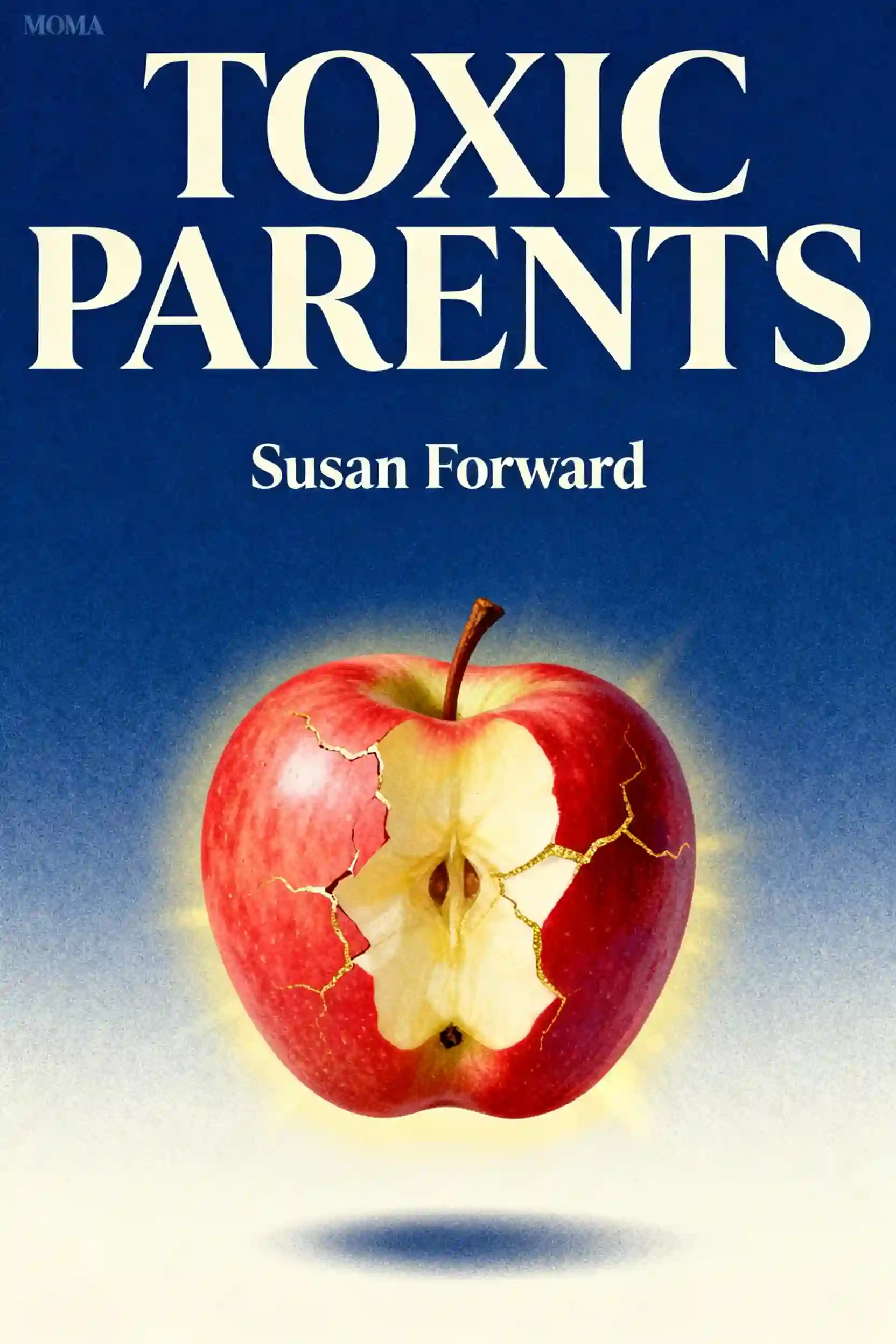
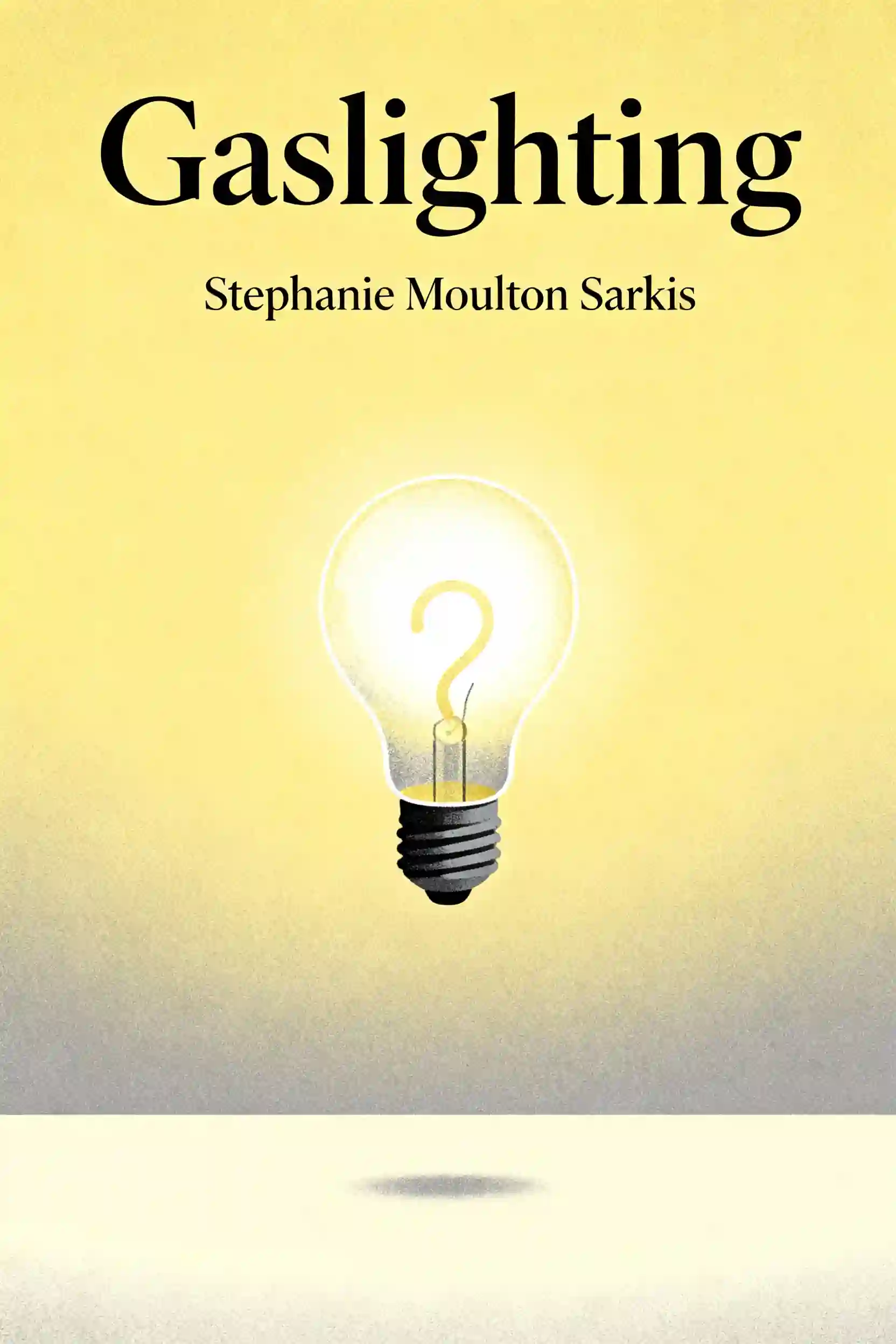
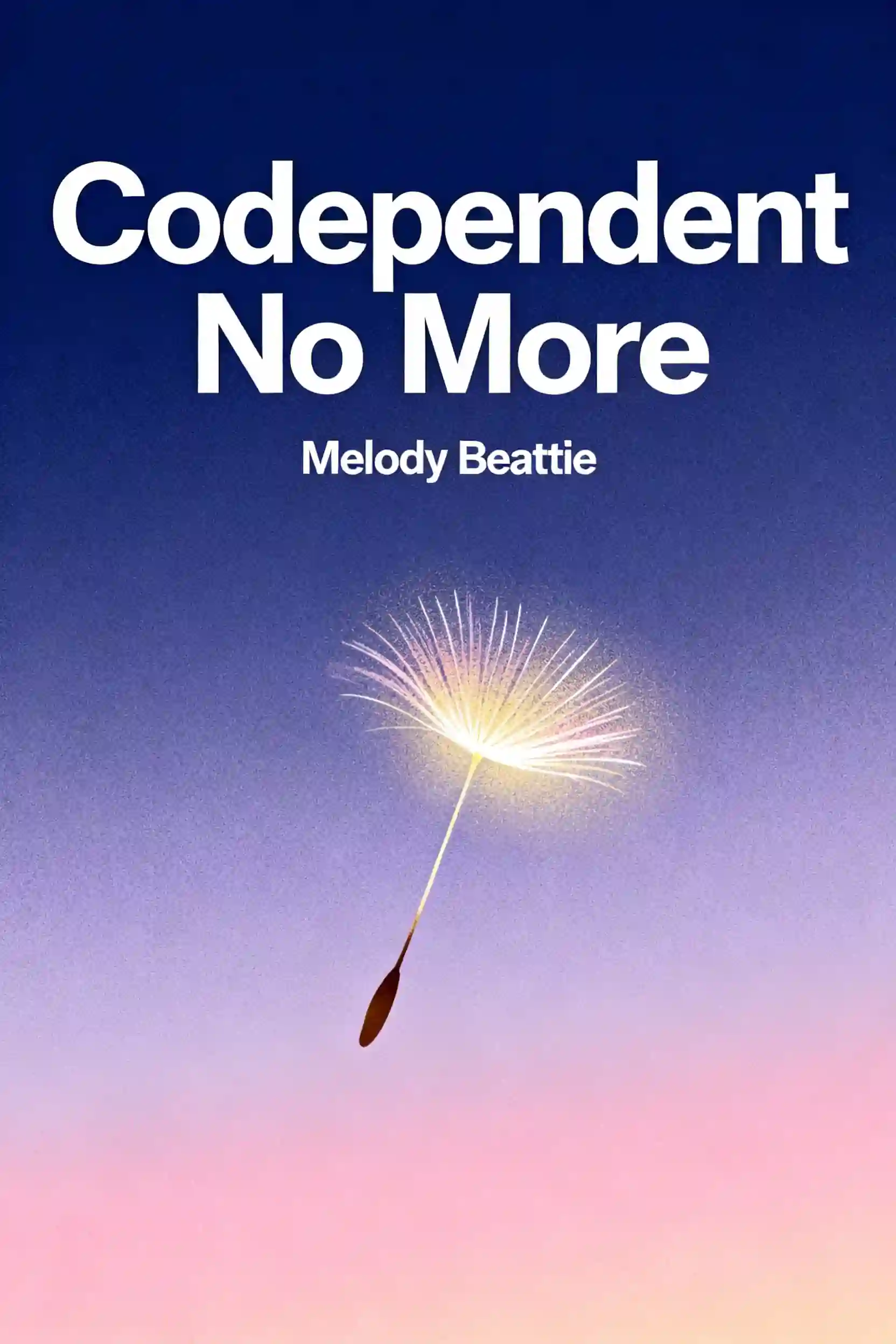
Perguntas frequentes
Research shows that romantic love activates the same reward centers in the brain as drug addiction, specifically involving dopamine and oxytocin. When a relationship ends abruptly, especially through betrayal, the brain experiences a literal chemical withdrawal. Brain scans of people going through breakups often look identical to those withdrawing from substances like cocaine, as the ventral tegmental area and nucleus accumbens demand a "hit" of connection to stabilize chemical levels.
The Scarcity Principle suggests that a person’s perceived value increases when they become unavailable. In a breakup context, the "dumper" often expects the other person to chase them, which provides a sense of validation. When you transition to "No Contact," you subvert these expectations. Around the two to three-week mark, the dumper’s initial relief often turns into curiosity and doubt because they are forced to face the reality of your total absence rather than "coasting on ambiguity."
The recovery process typically moves through seven emotional stages: shock and denial, the neurochemical storm (physical withdrawal), internal negotiation (searching for excuses to reach out), deep sadness, anger (the turning point where you prioritize self-respect), acceptance, and finally, emotional sovereignty. Reaching the final stage means your happiness no longer depends on the other person's validation, and the silence that once felt like torture becomes a gift of peace.
Experts recommend treating the urge like a physical detox by using a "Coping Toolkit." When a craving hits, set a timer for fifteen minutes, as the peak of neurochemical urgency usually subsides within that window. You can also practice "Dopamine Redirection" by completing a small task, exercising, or calling a friend to recalibrate your reward pathways. It is also essential to remove digital "cues" by blocking or muting accounts to prevent your nervous system from staying in a state of high alert.
Betrayal trauma puts the nervous system into a state of emergency (fight, flight, or freeze), which takes the logical part of the brain offline. Healing cannot occur while the body feels unsafe or is being constantly "flooded" by reminders of the person who broke the trust. A "Zero Tolerance" policy regarding communication and social media monitoring creates a protective container that allows your nervous system to stabilize, your neural pathways to prune away old habits, and your identity to begin reconstructing.
Criado por ex-alunos da Universidade de Columbia em San Francisco
"Instead of endless scrolling, I just hit play on BeFreed. It saves me so much time."


"I never knew where to start with nonfiction—BeFreed’s book lists turned into podcasts gave me a clear path."


"Perfect balance between learning and entertainment. Finished ‘Thinking, Fast and Slow’ on my commute this week."
"Crazy how much I learned while walking the dog. BeFreed = small habits → big gains."
"Reading used to feel like a chore. Now it’s just part of my lifestyle."

"Feels effortless compared to reading. I’ve finished 6 books this month already."
"BeFreed turned my guilty doomscrolling into something that feels productive and inspiring."

"BeFreed turned my commute into learning time. 20-min podcasts are perfect for finishing books I never had time for."
"BeFreed replaced my podcast queue. Imagine Spotify for books — that’s it. 🙌"

"It is great for me to learn something from the book without reading it."
"The themed book list podcasts help me connect ideas across authors—like a guided audio journey."
"Makes me feel smarter every time before going to work"
 Ask ChatGPT
 Ask Claude
Criado por ex-alunos da Universidade de Columbia em San Francisco
"Instead of endless scrolling, I just hit play on BeFreed. It saves me so much time."
"I never knew where to start with nonfiction—BeFreed’s book lists turned into podcasts gave me a clear path."
"Perfect balance between learning and entertainment. Finished ‘Thinking, Fast and Slow’ on my commute this week."
"Crazy how much I learned while walking the dog. BeFreed = small habits → big gains."
"Reading used to feel like a chore. Now it’s just part of my lifestyle."
"Feels effortless compared to reading. I’ve finished 6 books this month already."
"BeFreed turned my guilty doomscrolling into something that feels productive and inspiring."
"BeFreed turned my commute into learning time. 20-min podcasts are perfect for finishing books I never had time for."
"BeFreed replaced my podcast queue. Imagine Spotify for books — that’s it. 🙌"
"It is great for me to learn something from the book without reading it."
"The themed book list podcasts help me connect ideas across authors—like a guided audio journey."
"Makes me feel smarter every time before going to work"
"Instead of endless scrolling, I just hit play on BeFreed. It saves me so much time."
"I never knew where to start with nonfiction—BeFreed’s book lists turned into podcasts gave me a clear path."
"Perfect balance between learning and entertainment. Finished ‘Thinking, Fast and Slow’ on my commute this week."
"Crazy how much I learned while walking the dog. BeFreed = small habits → big gains."
"Reading used to feel like a chore. Now it’s just part of my lifestyle."
"Feels effortless compared to reading. I’ve finished 6 books this month already."
"BeFreed turned my guilty doomscrolling into something that feels productive and inspiring."
"BeFreed turned my commute into learning time. 20-min podcasts are perfect for finishing books I never had time for."
"BeFreed replaced my podcast queue. Imagine Spotify for books — that’s it. 🙌"
"It is great for me to learn something from the book without reading it."
"The themed book list podcasts help me connect ideas across authors—like a guided audio journey."
"Makes me feel smarter every time before going to work"
"Instead of endless scrolling, I just hit play on BeFreed. It saves me so much time."
"I never knew where to start with nonfiction—BeFreed’s book lists turned into podcasts gave me a clear path."
"Perfect balance between learning and entertainment. Finished ‘Thinking, Fast and Slow’ on my commute this week."
"Crazy how much I learned while walking the dog. BeFreed = small habits → big gains."
"Reading used to feel like a chore. Now it’s just part of my lifestyle."
"Feels effortless compared to reading. I’ve finished 6 books this month already."
"BeFreed turned my guilty doomscrolling into something that feels productive and inspiring."
"BeFreed turned my commute into learning time. 20-min podcasts are perfect for finishing books I never had time for."
"BeFreed replaced my podcast queue. Imagine Spotify for books — that’s it. 🙌"
"It is great for me to learn something from the book without reading it."
"The themed book list podcasts help me connect ideas across authors—like a guided audio journey."
"Makes me feel smarter every time before going to work"