
Memory Flow: Inside RNNs
Explore how Recurrent Neural Networks maintain memory across sequences through their unique hidden state mechanism, enabling them to process sequential data in ways traditional neural networks cannot.

Melhor citação de Memory Flow: Inside RNNs
What makes RNNs unique is their ability to maintain memory across sequences. Unlike traditional neural networks that process each input independently, RNNs have this internal 'hidden state' that acts like a memory, carrying information from previous steps forward.

Esta aula em áudio foi criada por um membro da comunidade BeFreed
RNN and the Flow of Execution

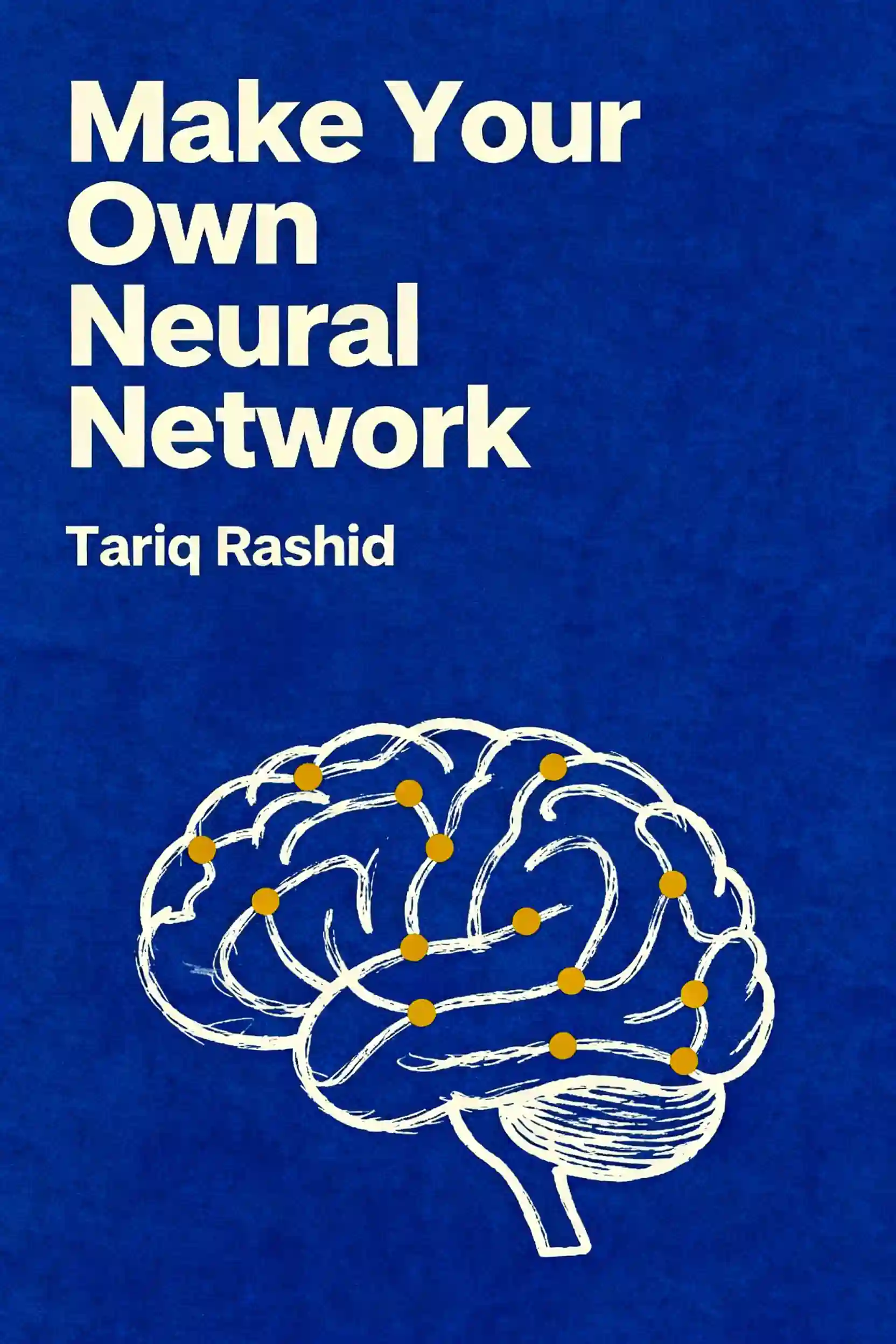
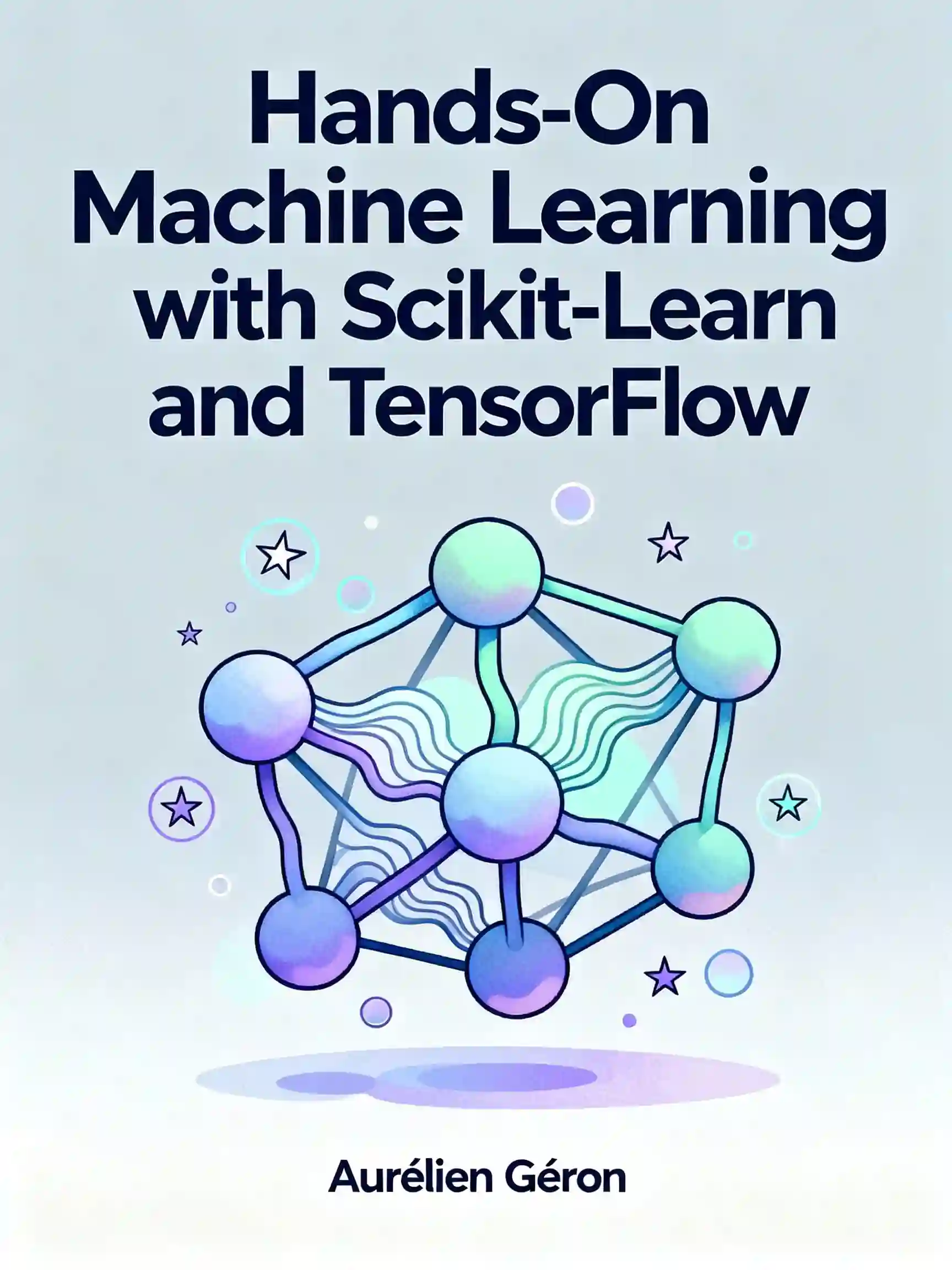
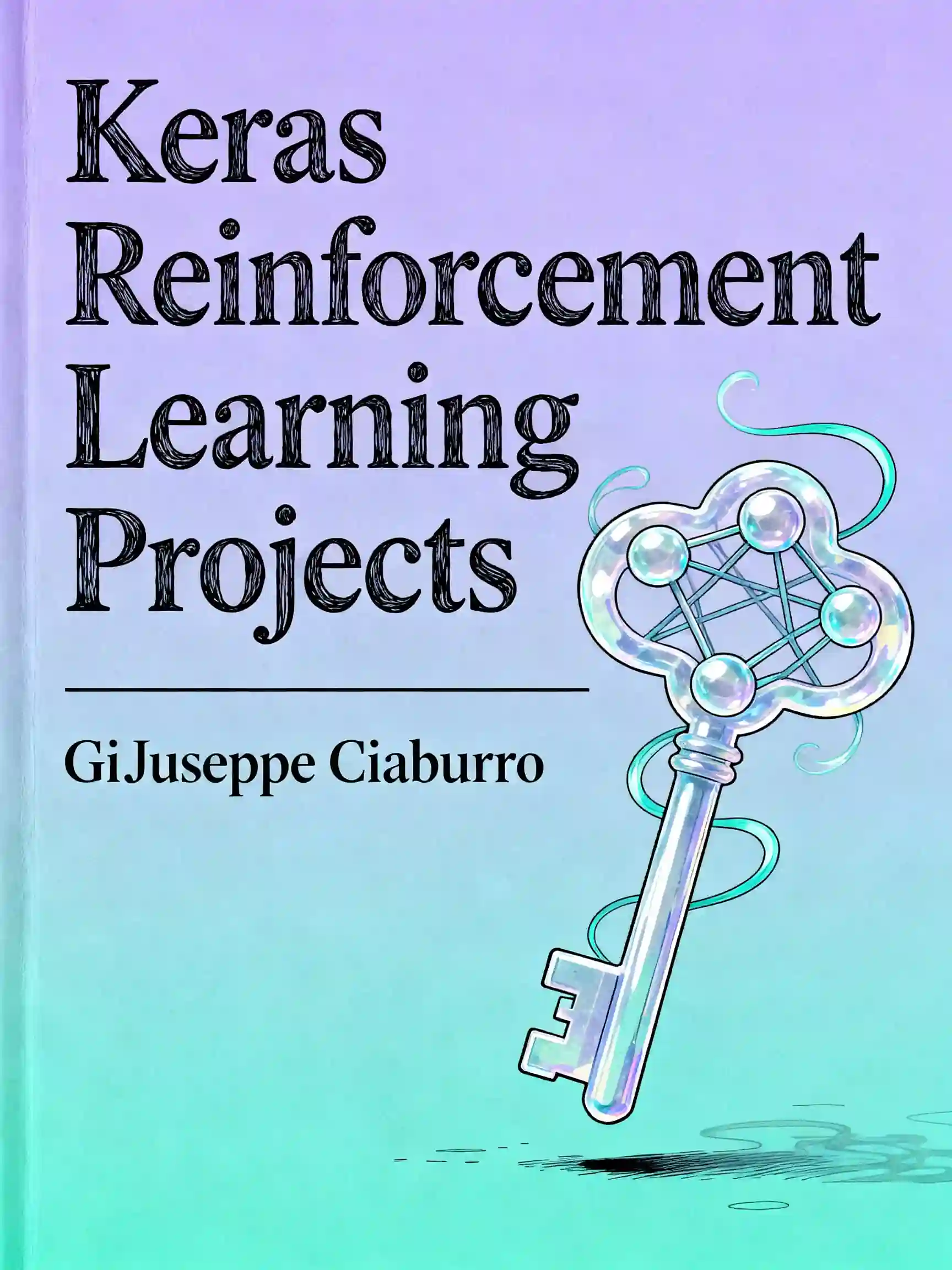
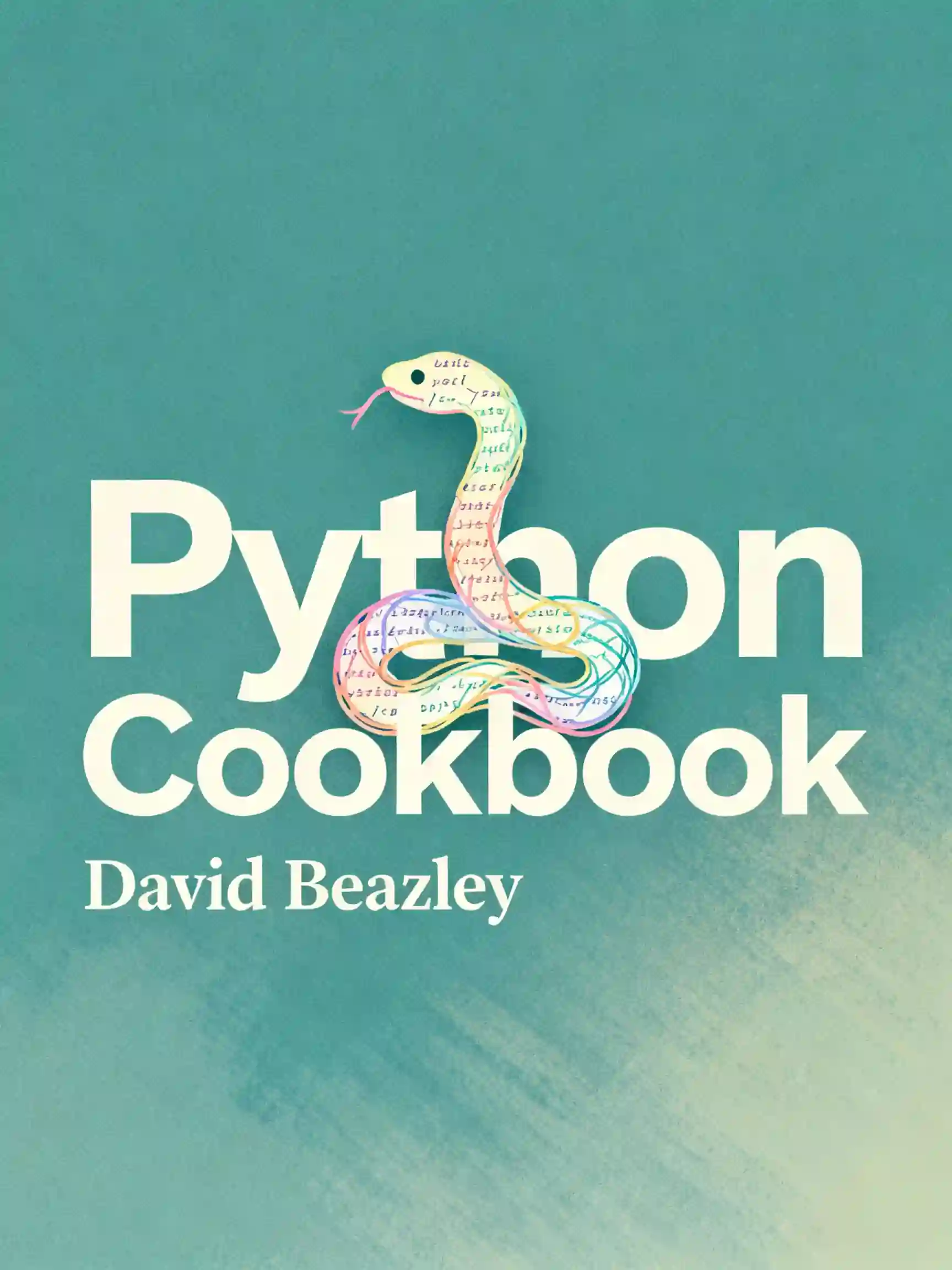
Descubra mais

Memory
Memory
In an age of information overload, the ability to retain and recall knowledge is a critical competitive advantage. This plan is ideal for students, professionals, and lifelong learners looking to transition from forgetfulness to high-performance mental storage using science-backed methods.
Neural Networks and LLM
Neural Networks and LLM
This learning plan is essential for developers and data scientists looking to transition from basic machine learning to state-of-the-art generative AI. It bridges the gap between theoretical mathematics and practical implementation, making it ideal for those who want to build or fine-tune their own large language models.

Become a relatable neuromorphic researcher
Become a relatable neuromorphic researcher
Neuromorphic computing represents a revolutionary approach to AI by mimicking the brain's neural architecture for more efficient and adaptable systems. This learning plan bridges neuroscience and computing disciplines, ideal for researchers, engineers, and computer scientists seeking to pioneer brain-inspired technologies that overcome traditional computing limitations.

Forced active recall
Forced active recall
This plan is essential for students and professionals who need to master large volumes of information efficiently. It moves beyond passive reading to provide a scientific, high-performance framework for permanent learning and memory optimization.

Neuroscience of Learning, Memory & Cognition
Neuroscience of Learning, Memory & Cognition
This plan bridges the gap between biological research and practical self-improvement, offering a roadmap to peak mental performance. It is ideal for students, educators, and professionals looking to leverage neuroplasticity to master new skills faster and more effectively.

Develop near-perfect memory
Develop near-perfect memory
Memory is not fixed but a skill that can be dramatically improved through proven techniques. This learning plan benefits students, professionals, and anyone seeking to enhance cognitive performance by transforming ordinary memory into an exceptional tool for learning and daily life.
Innovation, Neuroscience & Self-Improvement
Innovation, Neuroscience & Self-Improvement
This learning plan bridges the gap between biological brain function and practical peak performance. It is ideal for professionals, entrepreneurs, and lifelong learners seeking to leverage neuroplasticity and flow states to drive systematic innovation in their work and life.

History, Education, Memoirs & Creativity
History, Education, Memoirs & Creativity
This plan is essential for lifelong learners and creators looking to bridge the gap between historical context and modern innovation. It is ideal for educators, writers, and leaders who want to master the science of memory while crafting narratives that resonate across generations.
Criado por ex-alunos da Universidade de Columbia em San Francisco
"Instead of endless scrolling, I just hit play on BeFreed. It saves me so much time."


"I never knew where to start with nonfiction—BeFreed’s book lists turned into podcasts gave me a clear path."


"Perfect balance between learning and entertainment. Finished ‘Thinking, Fast and Slow’ on my commute this week."
"Crazy how much I learned while walking the dog. BeFreed = small habits → big gains."
"Reading used to feel like a chore. Now it’s just part of my lifestyle."

"Feels effortless compared to reading. I’ve finished 6 books this month already."
"BeFreed turned my guilty doomscrolling into something that feels productive and inspiring."

"BeFreed turned my commute into learning time. 20-min podcasts are perfect for finishing books I never had time for."
"BeFreed replaced my podcast queue. Imagine Spotify for books — that’s it. 🙌"

"It is great for me to learn something from the book without reading it."
"The themed book list podcasts help me connect ideas across authors—like a guided audio journey."
"Makes me feel smarter every time before going to work"
Criado por ex-alunos da Universidade de Columbia em San Francisco
"Instead of endless scrolling, I just hit play on BeFreed. It saves me so much time."
"I never knew where to start with nonfiction—BeFreed’s book lists turned into podcasts gave me a clear path."
"Perfect balance between learning and entertainment. Finished ‘Thinking, Fast and Slow’ on my commute this week."
"Crazy how much I learned while walking the dog. BeFreed = small habits → big gains."
"Reading used to feel like a chore. Now it’s just part of my lifestyle."
"Feels effortless compared to reading. I’ve finished 6 books this month already."
"BeFreed turned my guilty doomscrolling into something that feels productive and inspiring."
"BeFreed turned my commute into learning time. 20-min podcasts are perfect for finishing books I never had time for."
"BeFreed replaced my podcast queue. Imagine Spotify for books — that’s it. 🙌"
"It is great for me to learn something from the book without reading it."
"The themed book list podcasts help me connect ideas across authors—like a guided audio journey."
"Makes me feel smarter every time before going to work"
"Instead of endless scrolling, I just hit play on BeFreed. It saves me so much time."
"I never knew where to start with nonfiction—BeFreed’s book lists turned into podcasts gave me a clear path."
"Perfect balance between learning and entertainment. Finished ‘Thinking, Fast and Slow’ on my commute this week."
"Crazy how much I learned while walking the dog. BeFreed = small habits → big gains."
"Reading used to feel like a chore. Now it’s just part of my lifestyle."
"Feels effortless compared to reading. I’ve finished 6 books this month already."
"BeFreed turned my guilty doomscrolling into something that feels productive and inspiring."
"BeFreed turned my commute into learning time. 20-min podcasts are perfect for finishing books I never had time for."
"BeFreed replaced my podcast queue. Imagine Spotify for books — that’s it. 🙌"
"It is great for me to learn something from the book without reading it."
"The themed book list podcasts help me connect ideas across authors—like a guided audio journey."
"Makes me feel smarter every time before going to work"
"Instead of endless scrolling, I just hit play on BeFreed. It saves me so much time."
"I never knew where to start with nonfiction—BeFreed’s book lists turned into podcasts gave me a clear path."
"Perfect balance between learning and entertainment. Finished ‘Thinking, Fast and Slow’ on my commute this week."
"Crazy how much I learned while walking the dog. BeFreed = small habits → big gains."
"Reading used to feel like a chore. Now it’s just part of my lifestyle."
"Feels effortless compared to reading. I’ve finished 6 books this month already."
"BeFreed turned my guilty doomscrolling into something that feels productive and inspiring."
"BeFreed turned my commute into learning time. 20-min podcasts are perfect for finishing books I never had time for."
"BeFreed replaced my podcast queue. Imagine Spotify for books — that’s it. 🙌"
"It is great for me to learn something from the book without reading it."
"The themed book list podcasts help me connect ideas across authors—like a guided audio journey."
"Makes me feel smarter every time before going to work"







![MAKE IT STICK , BROWN, PETER C. [Hardcover] HARVARD UNIVERSITY PRESS](/_next/image?url=https%3A%2F%2Fd3lvzgn0lx7rb2.cloudfront.net%2Fcovers%2Fa3c49b6b-abd7-4c1b-afb2-09b323ee76c0%2Fimage_resized.webp&w=1024&q=50)

