Mastering the Mental Gearbox: Optimizing Cognitive Switching
Stop losing focus to 'contextual bleed.' Learn to navigate the neural cost of multitasking using task batching and micro-buffers to build a more flexible, high-performance brain.

Melhor citação de Mastering the Mental Gearbox: Optimizing Cognitive Switching
Switching is a physical process that consumes 'brain fuel,' and every time you shift tasks, your brain pays a hidden mental toll that can take up to 23 minutes to fully recover from.
Generated by Master P
Hey I want to learn about cognitive switching how can I used in life situations and how make it better in personal daily life


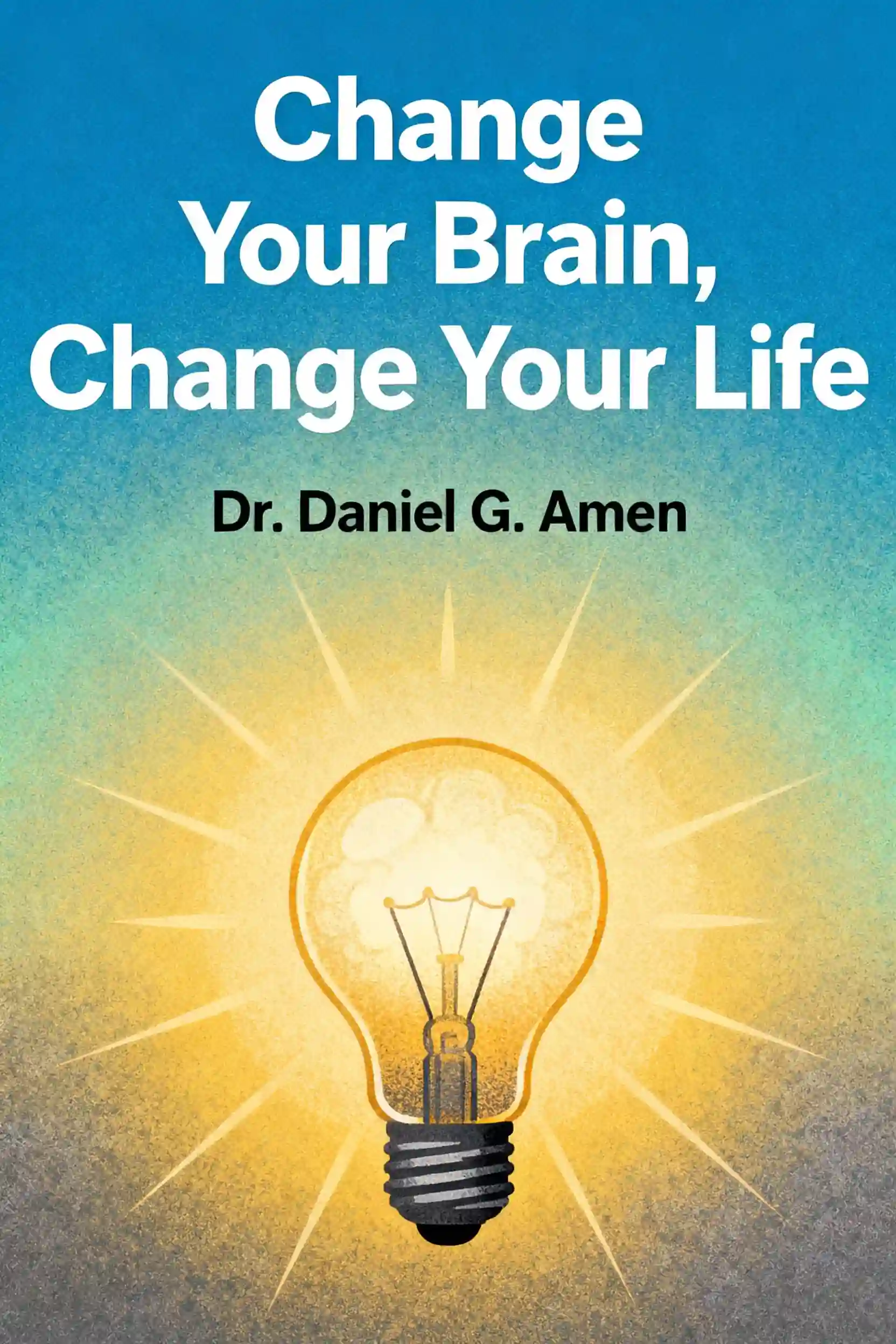
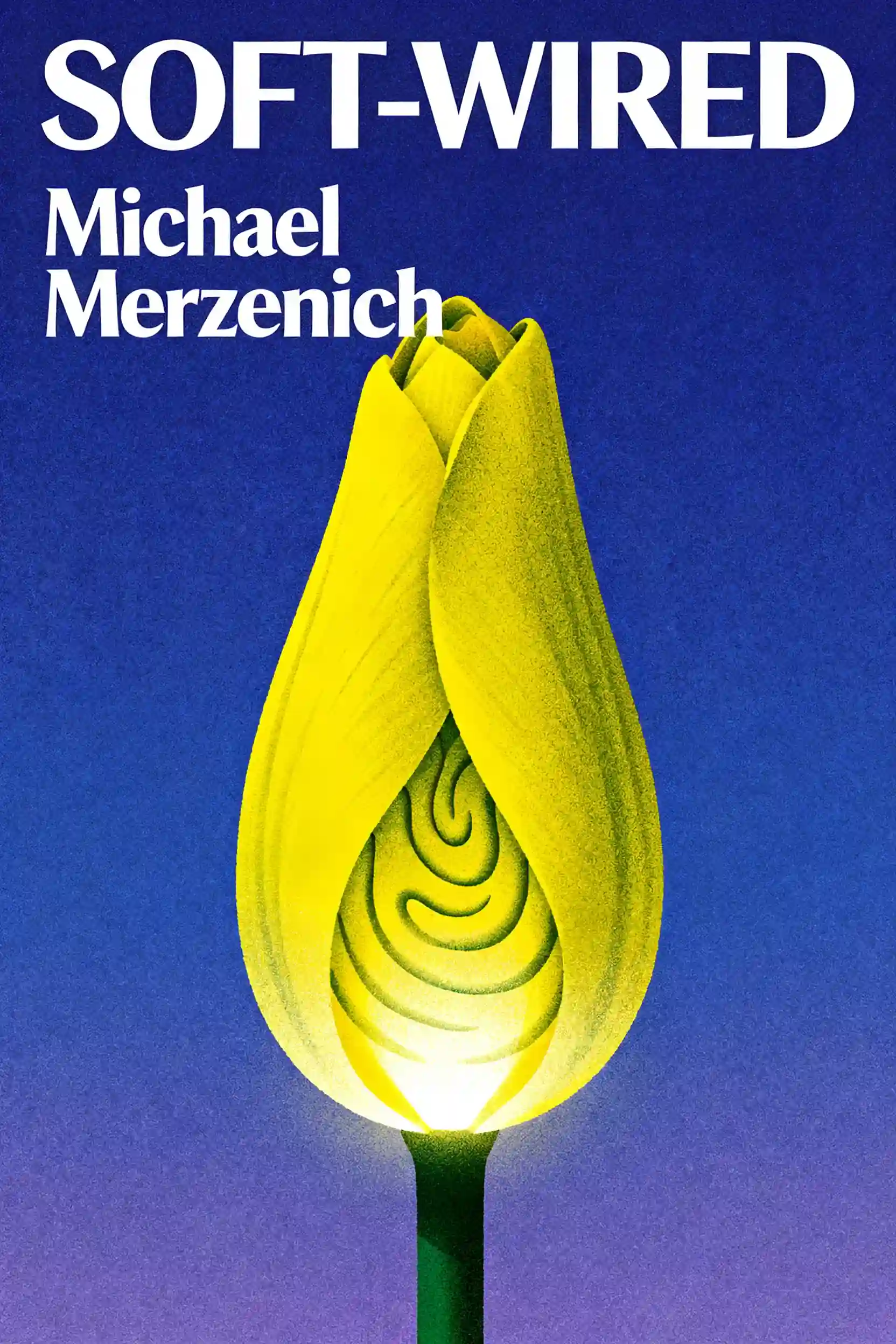
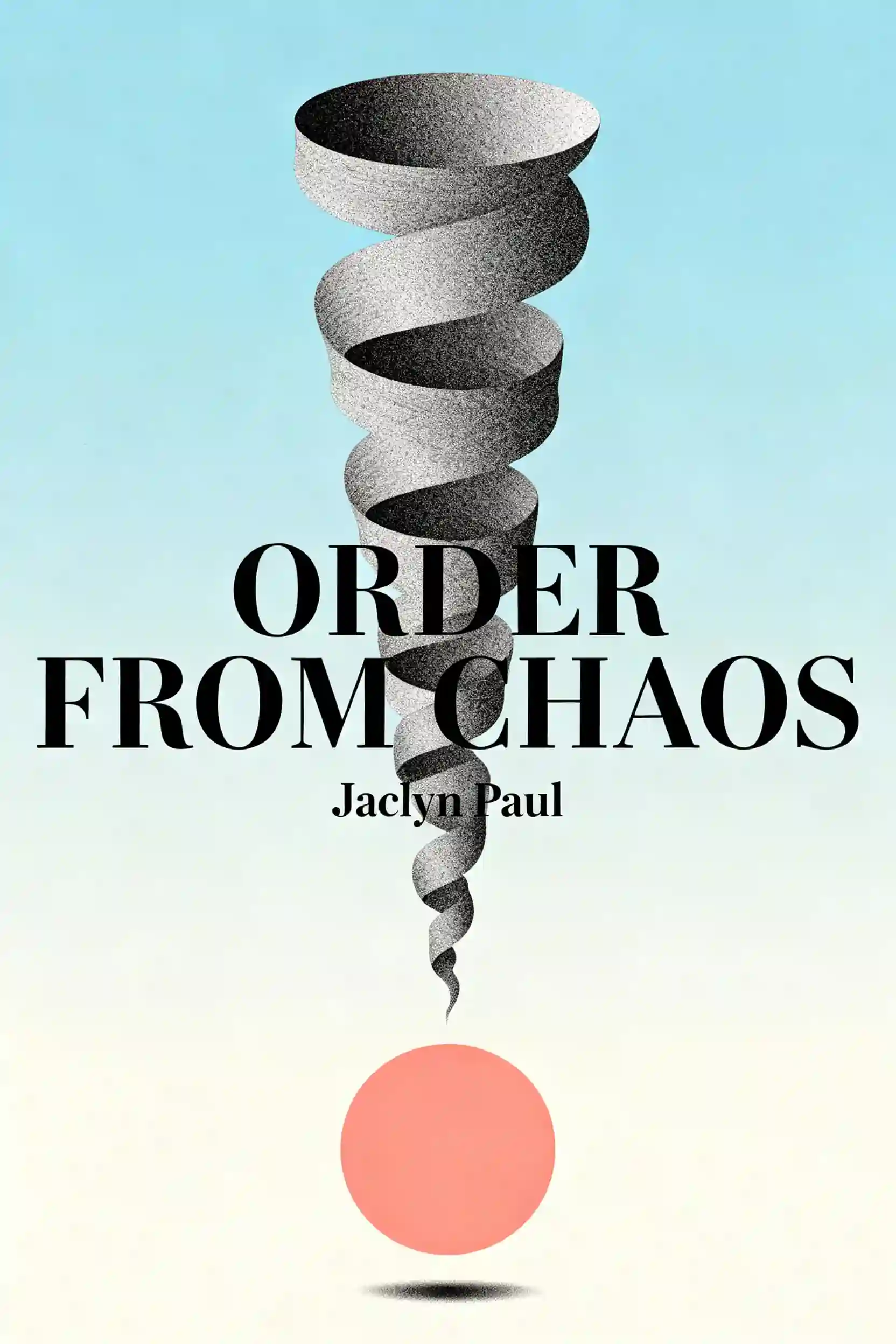
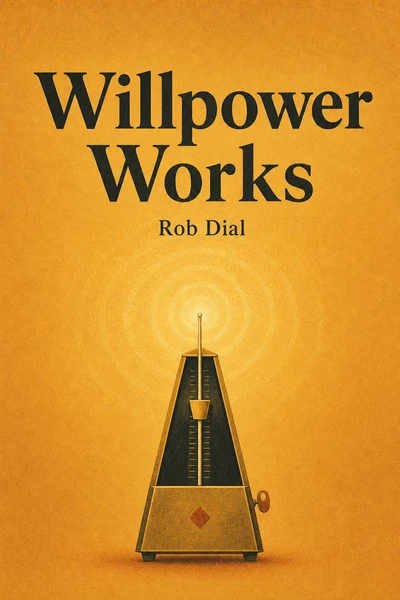
Perguntas frequentes
Switching cost is the mental toll your brain pays every time you shift from one task to another, such as moving from an email to a text message. This occurs because the prefrontal cortex must physically reconfigure mental resources for the new task, a process that can take up to 23 minutes to fully recover from. This biological reconfiguration results in a measurable slowdown and an increase in errors, leading to a state of "cognitive fragmentation" where you feel exhausted despite not completing much work.
The 2-Minute Transition Ritual acts as a mental palate cleanser to signal the brain that one task is ending and another is beginning. It consists of four phases: "parking" the old task by writing a handoff note to satisfy the Zeigarnik effect; performing a physical "reset" like stretching to change your physiological state; engaging in a "sensory shift" such as smelling an essential oil to trigger the basal ganglia; and finally "setting an intention" for the next task. This process clears the brain's "cache," allowing you to start new work with 100 percent of your attention.
These are two different strategies the brain uses to navigate uncertainty. "Matching" is used when the environment is stable, and the brain extracts exact statistics to predict what happens next via the visual corticostriatal pathway. "Maximizing" is a hallmark of high-performers in messy or changing environments; it involves focusing on the most probable outcome to reduce uncertainty and recruits the frontostriatal networks. Training yourself to move toward maximization helps you stop searching for perfection and start maximizing your odds in "probabilistic" situations.
Multitasking is actually "micro-switching," where the brain rapidly toggles between tasks rather than processing them simultaneously. Each micro-switch extracts a toll and leaves behind "attention residue," where part of the brain remains stuck on the previous task's rules. This creates "contextual bleed," cluttering working memory and significantly dropping performance. To combat this, the script suggests "task batching"—grouping similar activities together—to keep the brain in one "mode" and avoid the high cost of constant reconfiguration.
Cognitive flexibility can be strengthened like a muscle through "neuro-plasticity" and deliberate cross-training. Engaging in high-intensity novelty—such as learning a new language, a musical instrument, or a complex physical sport like rock climbing—forces the brain to build new neural pathways. Additionally, practicing "divergent thinking" through exercises like the "alternative uses test" or taking on different perspectives helps the brain break out of habitual patterns, ensuring the "mental gearbox" remains agile and ready for unexpected changes.
Criado por ex-alunos da Universidade de Columbia em San Francisco
"Instead of endless scrolling, I just hit play on BeFreed. It saves me so much time."


"I never knew where to start with nonfiction—BeFreed’s book lists turned into podcasts gave me a clear path."


"Perfect balance between learning and entertainment. Finished ‘Thinking, Fast and Slow’ on my commute this week."
"Crazy how much I learned while walking the dog. BeFreed = small habits → big gains."
"Reading used to feel like a chore. Now it’s just part of my lifestyle."

"Feels effortless compared to reading. I’ve finished 6 books this month already."
"BeFreed turned my guilty doomscrolling into something that feels productive and inspiring."

"BeFreed turned my commute into learning time. 20-min podcasts are perfect for finishing books I never had time for."
"BeFreed replaced my podcast queue. Imagine Spotify for books — that’s it. 🙌"

"It is great for me to learn something from the book without reading it."
"The themed book list podcasts help me connect ideas across authors—like a guided audio journey."
"Makes me feel smarter every time before going to work"
Criado por ex-alunos da Universidade de Columbia em San Francisco
"Instead of endless scrolling, I just hit play on BeFreed. It saves me so much time."
"I never knew where to start with nonfiction—BeFreed’s book lists turned into podcasts gave me a clear path."
"Perfect balance between learning and entertainment. Finished ‘Thinking, Fast and Slow’ on my commute this week."
"Crazy how much I learned while walking the dog. BeFreed = small habits → big gains."
"Reading used to feel like a chore. Now it’s just part of my lifestyle."
"Feels effortless compared to reading. I’ve finished 6 books this month already."
"BeFreed turned my guilty doomscrolling into something that feels productive and inspiring."
"BeFreed turned my commute into learning time. 20-min podcasts are perfect for finishing books I never had time for."
"BeFreed replaced my podcast queue. Imagine Spotify for books — that’s it. 🙌"
"It is great for me to learn something from the book without reading it."
"The themed book list podcasts help me connect ideas across authors—like a guided audio journey."
"Makes me feel smarter every time before going to work"
"Instead of endless scrolling, I just hit play on BeFreed. It saves me so much time."
"I never knew where to start with nonfiction—BeFreed’s book lists turned into podcasts gave me a clear path."
"Perfect balance between learning and entertainment. Finished ‘Thinking, Fast and Slow’ on my commute this week."
"Crazy how much I learned while walking the dog. BeFreed = small habits → big gains."
"Reading used to feel like a chore. Now it’s just part of my lifestyle."
"Feels effortless compared to reading. I’ve finished 6 books this month already."
"BeFreed turned my guilty doomscrolling into something that feels productive and inspiring."
"BeFreed turned my commute into learning time. 20-min podcasts are perfect for finishing books I never had time for."
"BeFreed replaced my podcast queue. Imagine Spotify for books — that’s it. 🙌"
"It is great for me to learn something from the book without reading it."
"The themed book list podcasts help me connect ideas across authors—like a guided audio journey."
"Makes me feel smarter every time before going to work"
"Instead of endless scrolling, I just hit play on BeFreed. It saves me so much time."
"I never knew where to start with nonfiction—BeFreed’s book lists turned into podcasts gave me a clear path."
"Perfect balance between learning and entertainment. Finished ‘Thinking, Fast and Slow’ on my commute this week."
"Crazy how much I learned while walking the dog. BeFreed = small habits → big gains."
"Reading used to feel like a chore. Now it’s just part of my lifestyle."
"Feels effortless compared to reading. I’ve finished 6 books this month already."
"BeFreed turned my guilty doomscrolling into something that feels productive and inspiring."
"BeFreed turned my commute into learning time. 20-min podcasts are perfect for finishing books I never had time for."
"BeFreed replaced my podcast queue. Imagine Spotify for books — that’s it. 🙌"
"It is great for me to learn something from the book without reading it."
"The themed book list podcasts help me connect ideas across authors—like a guided audio journey."
"Makes me feel smarter every time before going to work"


![Multitasking: Why It Fails at Work and How to Focus [2025] • Asana](/_next/image?url=https%3A%2F%2Fd1y2du6z1jfm9e.cloudfront.net%2Fassets%2Fpodcast%2Fblue.png&w=1024&q=50)


![Multitasking Doesn't Work-Here's What Does [2025] * Asana](/_next/image?url=https%3A%2F%2Fd1y2du6z1jfm9e.cloudfront.net%2Fassets%2Fpodcast%2Fgreen.png&w=1024&q=50)