Magnetic presence through the power of silence
If you feel the need to fill every silence, you might be pushing people away. Learn how quiet charisma and self-possession make you truly unforgettable.

Melhor citação de Magnetic presence through the power of silence
True magnetism isn't about performing; it’s about being so secure in yourself that you don't feel the need to explain your choices or rush to fill a gap in conversation. When you replace performance with presence, you move the center of gravity from 'how am I being received?' to 'what is actually happening right now?'
Generated by Dt
How to be magnetic and u forgettable. How to draw someone in with silence or few words after the fact

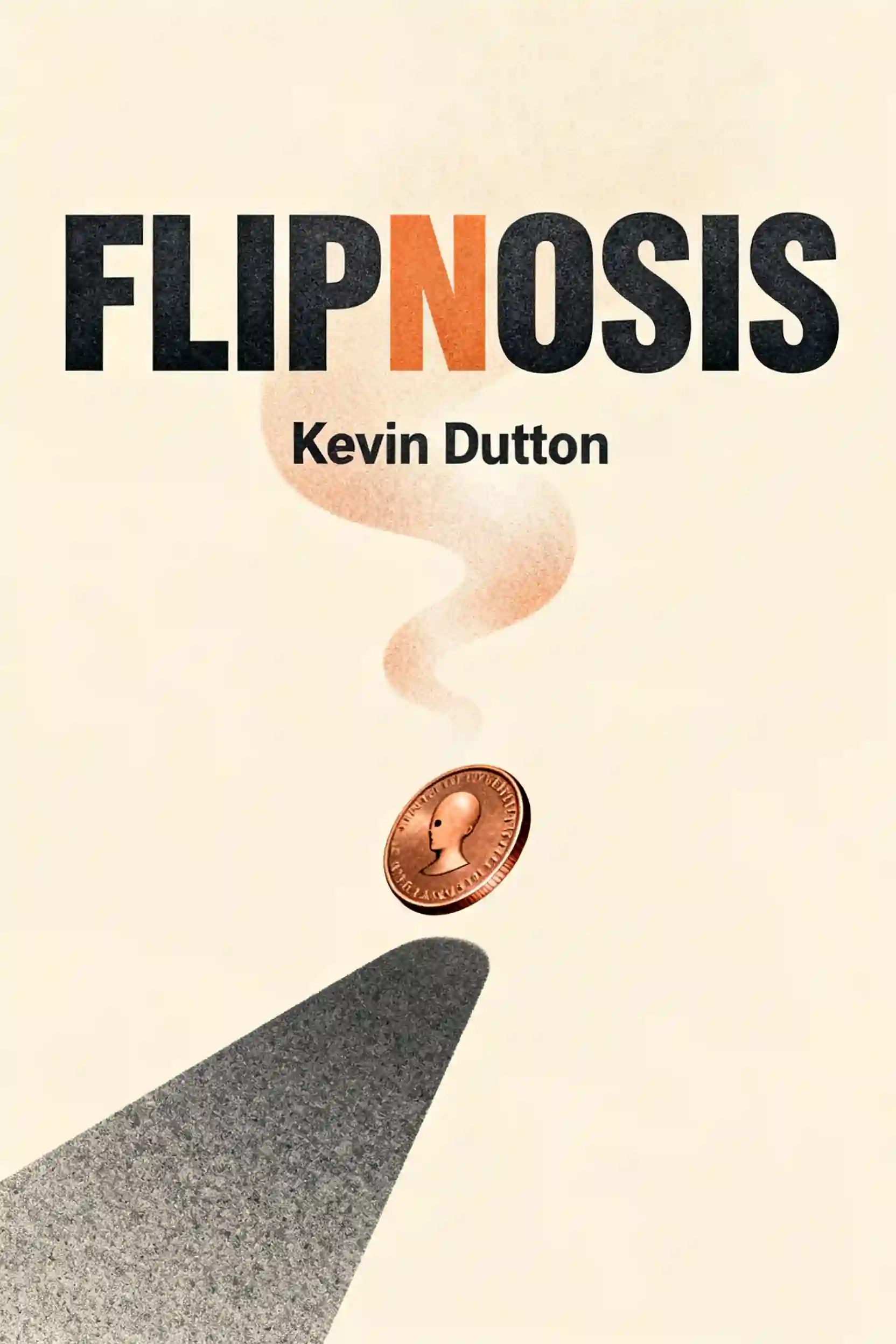
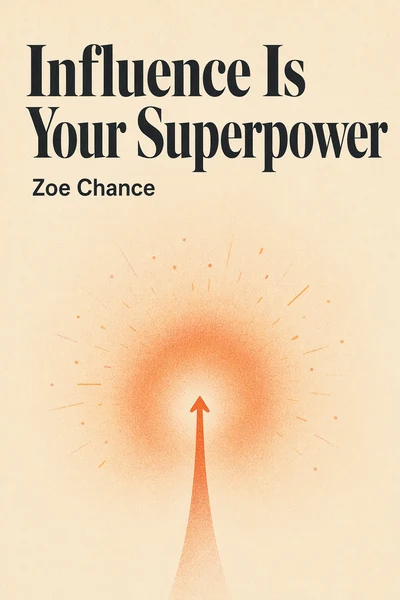
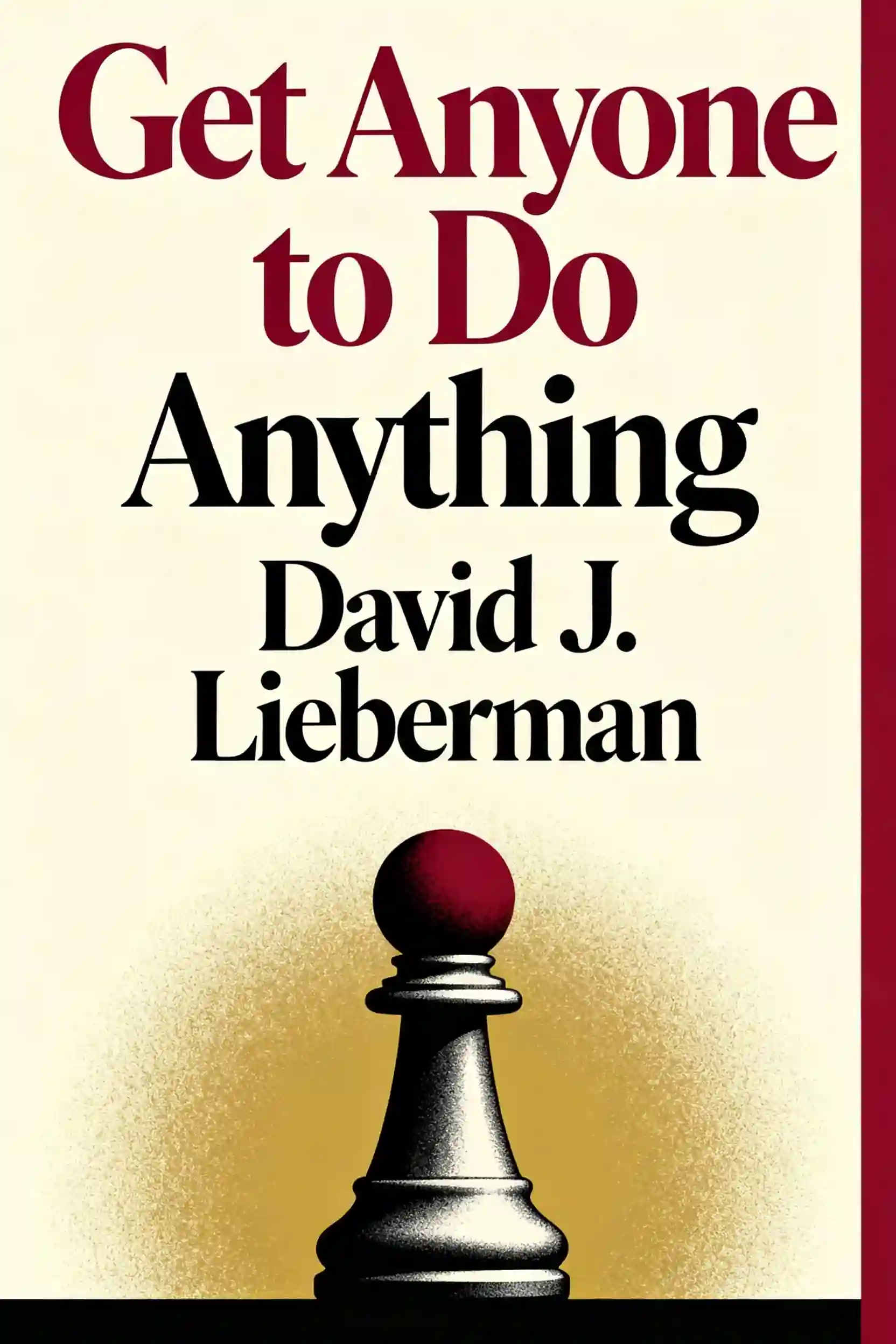
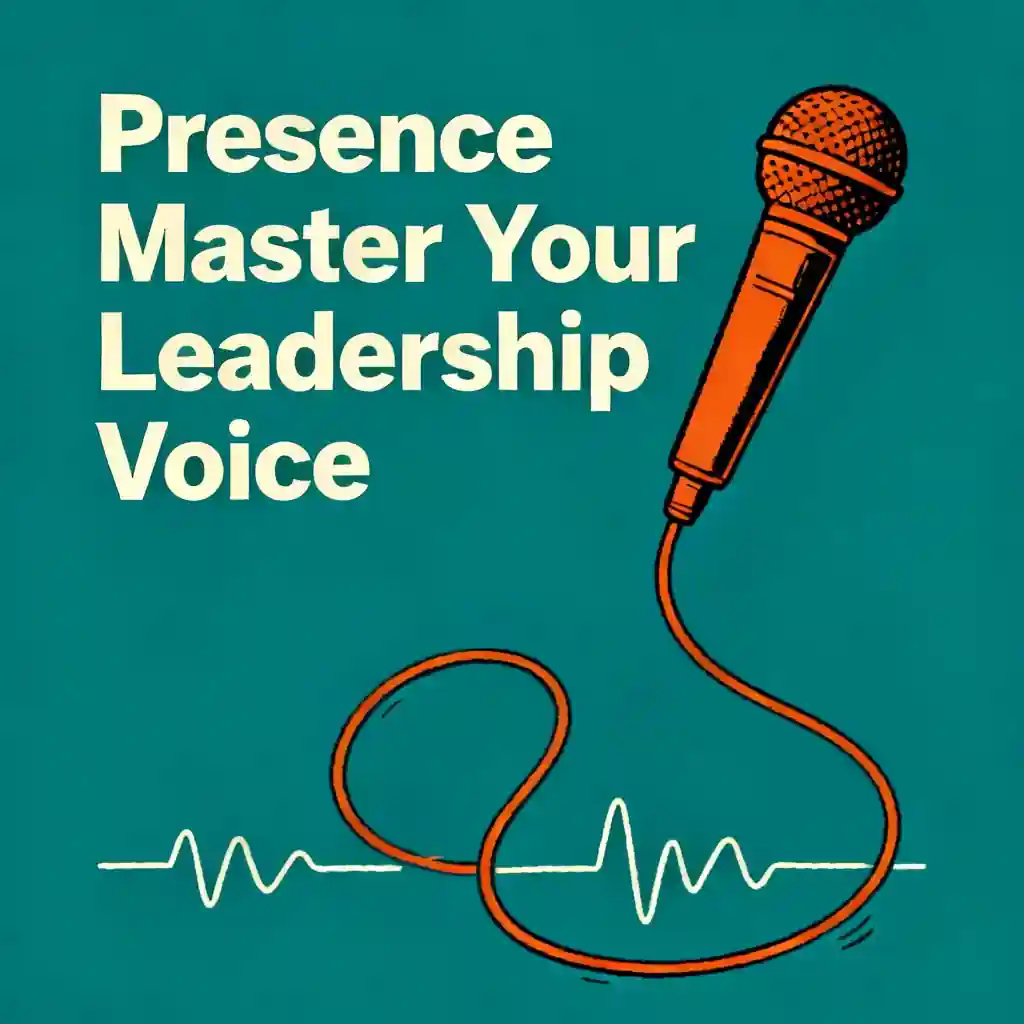
Perguntas frequentes
Quiet charisma is a form of magnetism rooted in self-possession and security rather than high-energy performance or constant talking. While traditional charisma is often associated with being the loudest person in the room or having the wittiest stories, quiet charisma is about being so comfortable in your own skin that you don't feel the need to explain your choices or rush to fill silences. It signals power because it shows you do not require external validation to feel secure.
Rushing to fill a conversational gap often signals "reassurance-seeking," which suggests that you are uncomfortable or uncertain of your own worth. When you treat a pause as a social emergency that needs to be fixed, you communicate that you are monitoring your own performance and seeking approval. In contrast, staying comfortable in silence signals "walk-away power" and emotional independence, suggesting that you don't need the other person's immediate reaction to feel validated.
Strategic withholding creates a "curiosity gap" or a vacuum that others naturally want to fill with their own imagination. By not immediately announcing your accomplishments or credentials, you allow others to project competence and authority onto you. This follows the scarcity principle: when your personal information and attention are not unlimited or easily available, their perceived value increases. Being "seen but not easily decoded" keeps others engaged and intrigued.
The mechanics of a magnetic presence include using "down-speak" (ending sentences with a dropping pitch to sound authoritative) and the "power of the pause" (waiting two or three seconds before responding to show you are deliberate). Physically, it involves "spatial ownership" through open posture, maintaining an "unwavering gaze" that is relaxed rather than predatory, and moving with "controlled velocity." Slowing down your movements and speech forces the environment to synchronize with your tempo rather than you reacting to the room.
The distinction lies in the intent and the emotional state behind the quiet. The silent treatment is a reactive, "boyish" behavior driven by anger or a desire to manipulate and punish others. High-value silence, however, is a "man or woman" behavior that stems from being grounded and self-contained. It isn't meant to shut others out; rather, it is a byproduct of being focused on one's own mission and being comfortable enough not to over-contribute to a conversation for the sake of attention.
Criado por ex-alunos da Universidade de Columbia em San Francisco
"Instead of endless scrolling, I just hit play on BeFreed. It saves me so much time."


"I never knew where to start with nonfiction—BeFreed’s book lists turned into podcasts gave me a clear path."


"Perfect balance between learning and entertainment. Finished ‘Thinking, Fast and Slow’ on my commute this week."
"Crazy how much I learned while walking the dog. BeFreed = small habits → big gains."
"Reading used to feel like a chore. Now it’s just part of my lifestyle."

"Feels effortless compared to reading. I’ve finished 6 books this month already."
"BeFreed turned my guilty doomscrolling into something that feels productive and inspiring."

"BeFreed turned my commute into learning time. 20-min podcasts are perfect for finishing books I never had time for."
"BeFreed replaced my podcast queue. Imagine Spotify for books — that’s it. 🙌"

"It is great for me to learn something from the book without reading it."
"The themed book list podcasts help me connect ideas across authors—like a guided audio journey."
"Makes me feel smarter every time before going to work"
 Ask ChatGPT
 Ask Claude
Criado por ex-alunos da Universidade de Columbia em San Francisco
"Instead of endless scrolling, I just hit play on BeFreed. It saves me so much time."
"I never knew where to start with nonfiction—BeFreed’s book lists turned into podcasts gave me a clear path."
"Perfect balance between learning and entertainment. Finished ‘Thinking, Fast and Slow’ on my commute this week."
"Crazy how much I learned while walking the dog. BeFreed = small habits → big gains."
"Reading used to feel like a chore. Now it’s just part of my lifestyle."
"Feels effortless compared to reading. I’ve finished 6 books this month already."
"BeFreed turned my guilty doomscrolling into something that feels productive and inspiring."
"BeFreed turned my commute into learning time. 20-min podcasts are perfect for finishing books I never had time for."
"BeFreed replaced my podcast queue. Imagine Spotify for books — that’s it. 🙌"
"It is great for me to learn something from the book without reading it."
"The themed book list podcasts help me connect ideas across authors—like a guided audio journey."
"Makes me feel smarter every time before going to work"
"Instead of endless scrolling, I just hit play on BeFreed. It saves me so much time."
"I never knew where to start with nonfiction—BeFreed’s book lists turned into podcasts gave me a clear path."
"Perfect balance between learning and entertainment. Finished ‘Thinking, Fast and Slow’ on my commute this week."
"Crazy how much I learned while walking the dog. BeFreed = small habits → big gains."
"Reading used to feel like a chore. Now it’s just part of my lifestyle."
"Feels effortless compared to reading. I’ve finished 6 books this month already."
"BeFreed turned my guilty doomscrolling into something that feels productive and inspiring."
"BeFreed turned my commute into learning time. 20-min podcasts are perfect for finishing books I never had time for."
"BeFreed replaced my podcast queue. Imagine Spotify for books — that’s it. 🙌"
"It is great for me to learn something from the book without reading it."
"The themed book list podcasts help me connect ideas across authors—like a guided audio journey."
"Makes me feel smarter every time before going to work"
"Instead of endless scrolling, I just hit play on BeFreed. It saves me so much time."
"I never knew where to start with nonfiction—BeFreed’s book lists turned into podcasts gave me a clear path."
"Perfect balance between learning and entertainment. Finished ‘Thinking, Fast and Slow’ on my commute this week."
"Crazy how much I learned while walking the dog. BeFreed = small habits → big gains."
"Reading used to feel like a chore. Now it’s just part of my lifestyle."
"Feels effortless compared to reading. I’ve finished 6 books this month already."
"BeFreed turned my guilty doomscrolling into something that feels productive and inspiring."
"BeFreed turned my commute into learning time. 20-min podcasts are perfect for finishing books I never had time for."
"BeFreed replaced my podcast queue. Imagine Spotify for books — that’s it. 🙌"
"It is great for me to learn something from the book without reading it."
"The themed book list podcasts help me connect ideas across authors—like a guided audio journey."
"Makes me feel smarter every time before going to work"