How Power Dynamics Shape What You Think Is Possible
We focus on who wins a debate, but who controls the agenda? Learn how hidden hierarchies and social systems influence your choices without you knowing.

Melhor citação de How Power Dynamics Shape What You Think Is Possible
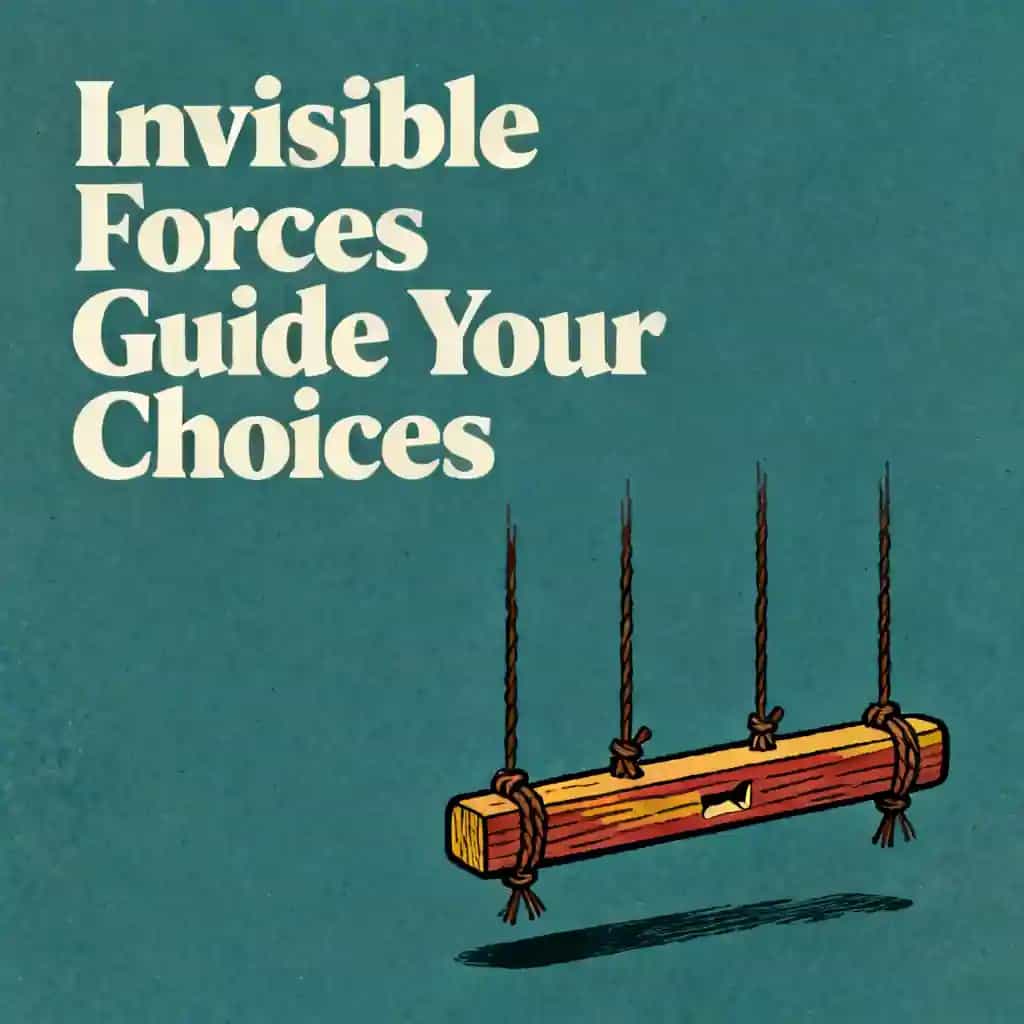
The most insidious use of power isn't winning a fight—it’s preventing the fight from ever happening by shaping what people even think is possible.
Generated by DZ
I want to understand power dynamics and think more critically about systems


Perguntas frequentes
The three dimensions of power, based on the theories of Steven Lukes and others, describe how influence operates at different levels of visibility. The first dimension is observable conflict, such as who wins a public debate or a vote. The second dimension involves agenda-setting, where power is used to prevent certain topics from ever being discussed, thereby avoiding conflict entirely. The third and most insidious dimension is ideological power, which shapes people’s very desires and beliefs so they accept the current system as natural and do not even think to challenge it.
An official organizational chart is often a "polite fiction" used for formal accountability, whereas the hidden hierarchy represents how work actually gets done through informal structures. This hidden network includes informal gatekeepers, such as executive assistants or long-tenured employees, who control the flow of information and access to decision-makers. Power in this context is held by those with high connectivity and the ability to navigate "shadow coalitions," rather than just those with impressive formal titles.
Instrumental rationality is goal-oriented and focused on the most efficient "how-to" logic, such as comparing statistics to find the best value for money. Value rationality, on the other hand, is driven by a commitment to specific ethical, religious, or communal values, regardless of efficiency. Conflict often arises in organizations when these two types of logic clash—for example, when a push for cost-cutting (instrumental) meets a commitment to employee well-being (value).
Veto players are individuals or groups within a system who have the power to block or delay changes, even if they do not have the formal authority to make final decisions. In systems with many veto points, change becomes slow and incremental because these players protect the status quo to maintain stability or private gain. Change-agents in these environments often act as "subversives," working within the existing rules to slowly re-interpret them, rather than attempting to overthow the system entirely.
Influence Mapping is a forensic exercise used to identify the real mechanics of power by looking beyond job titles. It involves identifying "Key Players" based on what they stand to gain or lose, locating "Connectors" who act as bridges between different groups, and spotting "Isolated Giants" who have high formal power but low social connection. By mapping these relationships and "weak ties," individuals can better understand who truly influences the "emotional barometer" of a room and how to build alignment for new ideas.
Criado por ex-alunos da Universidade de Columbia em San Francisco
BeFreed Reúne Uma Comunidade Global De Mentes Curiosas


"Instead of endless scrolling, I just hit play on BeFreed. It saves me so much time."


"I never knew where to start with nonfiction—BeFreed’s book lists turned into podcasts gave me a clear path."


"Perfect balance between learning and entertainment. Finished ‘Thinking, Fast and Slow’ on my commute this week."
"Crazy how much I learned while walking the dog. BeFreed = small habits → big gains."
"Reading used to feel like a chore. Now it’s just part of my lifestyle."

"Feels effortless compared to reading. I’ve finished 6 books this month already."
"BeFreed turned my guilty doomscrolling into something that feels productive and inspiring."

"BeFreed turned my commute into learning time. 20-min podcasts are perfect for finishing books I never had time for."
"BeFreed replaced my podcast queue. Imagine Spotify for books — that’s it. 🙌"

"It is great for me to learn something from the book without reading it."
"The themed book list podcasts help me connect ideas across authors—like a guided audio journey."
"Makes me feel smarter every time before going to work"
Criado por ex-alunos da Universidade de Columbia em San Francisco
BeFreed Reúne Uma Comunidade Global De Mentes Curiosas
"Instead of endless scrolling, I just hit play on BeFreed. It saves me so much time."
"I never knew where to start with nonfiction—BeFreed’s book lists turned into podcasts gave me a clear path."
"Perfect balance between learning and entertainment. Finished ‘Thinking, Fast and Slow’ on my commute this week."
"Crazy how much I learned while walking the dog. BeFreed = small habits → big gains."
"Reading used to feel like a chore. Now it’s just part of my lifestyle."
"Feels effortless compared to reading. I’ve finished 6 books this month already."
"BeFreed turned my guilty doomscrolling into something that feels productive and inspiring."
"BeFreed turned my commute into learning time. 20-min podcasts are perfect for finishing books I never had time for."
"BeFreed replaced my podcast queue. Imagine Spotify for books — that’s it. 🙌"
"It is great for me to learn something from the book without reading it."
"The themed book list podcasts help me connect ideas across authors—like a guided audio journey."
"Makes me feel smarter every time before going to work"
"Instead of endless scrolling, I just hit play on BeFreed. It saves me so much time."
"I never knew where to start with nonfiction—BeFreed’s book lists turned into podcasts gave me a clear path."
"Perfect balance between learning and entertainment. Finished ‘Thinking, Fast and Slow’ on my commute this week."
"Crazy how much I learned while walking the dog. BeFreed = small habits → big gains."
"Reading used to feel like a chore. Now it’s just part of my lifestyle."
"Feels effortless compared to reading. I’ve finished 6 books this month already."
"BeFreed turned my guilty doomscrolling into something that feels productive and inspiring."
"BeFreed turned my commute into learning time. 20-min podcasts are perfect for finishing books I never had time for."
"BeFreed replaced my podcast queue. Imagine Spotify for books — that’s it. 🙌"
"It is great for me to learn something from the book without reading it."
"The themed book list podcasts help me connect ideas across authors—like a guided audio journey."
"Makes me feel smarter every time before going to work"
"Instead of endless scrolling, I just hit play on BeFreed. It saves me so much time."
"I never knew where to start with nonfiction—BeFreed’s book lists turned into podcasts gave me a clear path."
"Perfect balance between learning and entertainment. Finished ‘Thinking, Fast and Slow’ on my commute this week."
"Crazy how much I learned while walking the dog. BeFreed = small habits → big gains."
"Reading used to feel like a chore. Now it’s just part of my lifestyle."
"Feels effortless compared to reading. I’ve finished 6 books this month already."
"BeFreed turned my guilty doomscrolling into something that feels productive and inspiring."
"BeFreed turned my commute into learning time. 20-min podcasts are perfect for finishing books I never had time for."
"BeFreed replaced my podcast queue. Imagine Spotify for books — that’s it. 🙌"
"It is great for me to learn something from the book without reading it."
"The themed book list podcasts help me connect ideas across authors—like a guided audio journey."
"Makes me feel smarter every time before going to work"