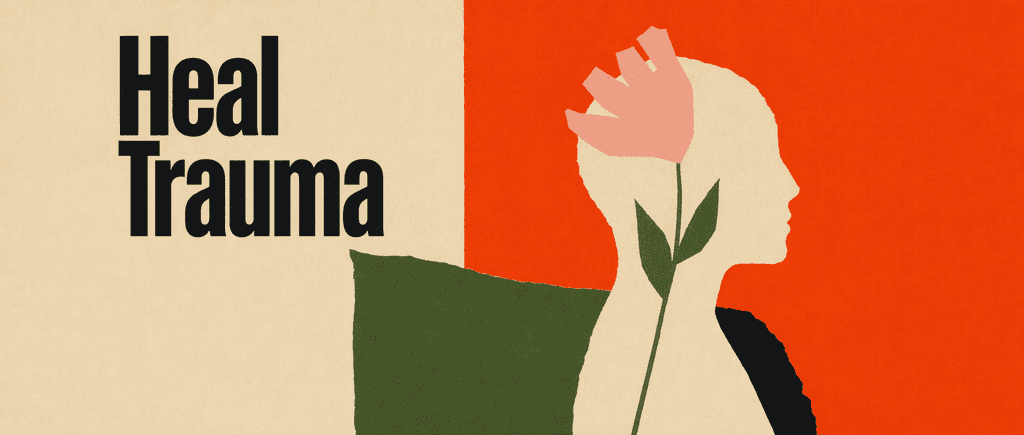
Healing deep pain through compassionate awareness
When suffering goes unseen, we build armor to survive. Learn how witnessing your own pain can soften that protection and lead to genuine healing.

Melhor citação de Healing deep pain through compassionate awareness
When suffering is acknowledged by someone else, it can transform into compassion; but when that same pain is ignored, it calcifies into armor just to help us survive. It’s the difference between being a detached observer and a compassionate witness to your own life.
Generated by Freedee_C80FE9AB
When somone moved from deep pain and you move from awareness and needing to be compassionate


Perguntas frequentes
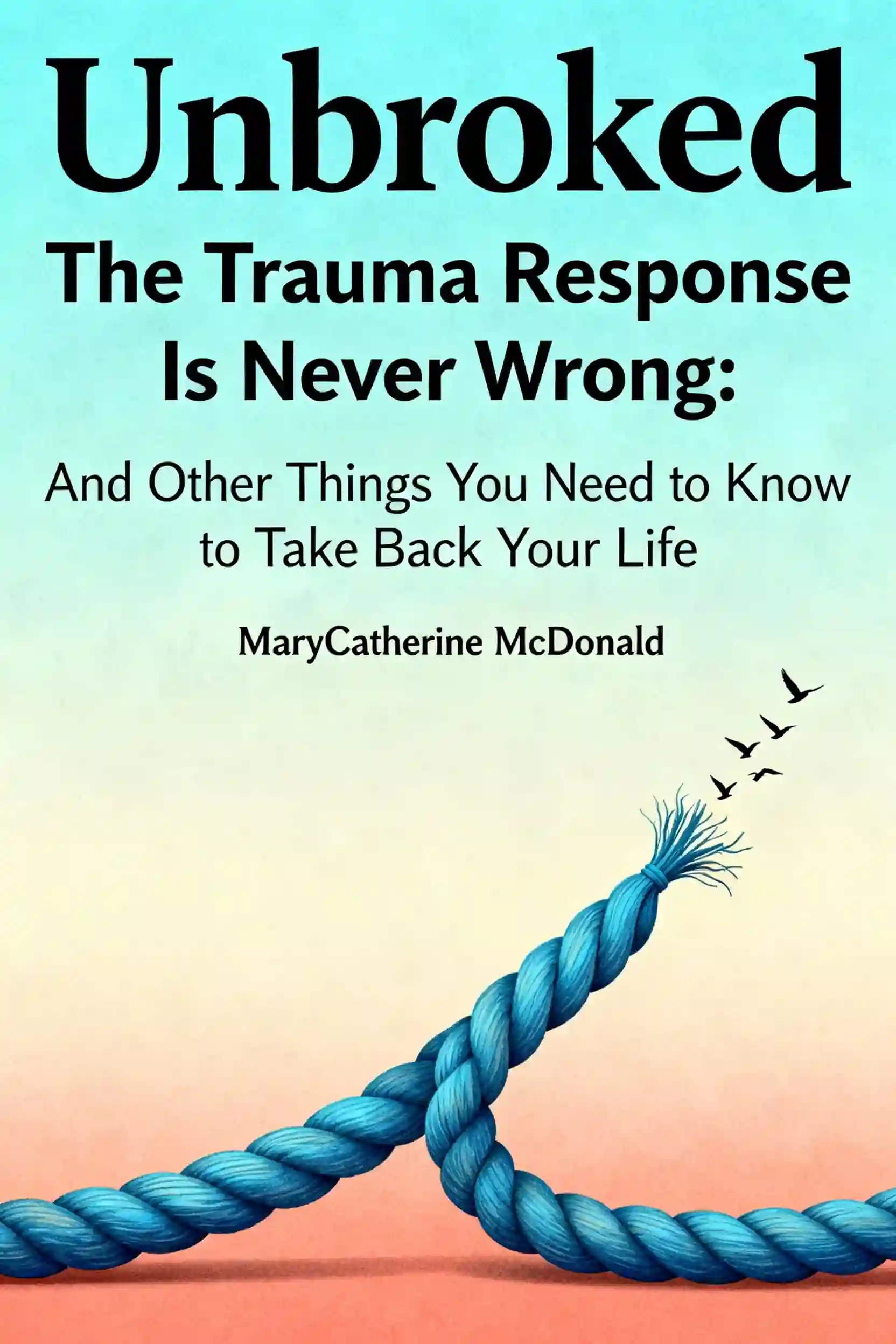
The difference often depends on whether the pain was witnessed and acknowledged by others. When suffering is ignored, the nervous system views softness as a liability and creates "internal armor"—such as emotional detachment or hyper-vigilance—as a survival mechanism. However, when pain is witnessed, it has the potential to transform into deep empathy. This witnessing can happen years after the fact, even if an individual must start by being that compassionate witness for themselves.
Developed by Dr. Richard Schwartz, IFS suggests that our inner world is made up of various "parts" led by a core "Self." Protective parts like "Managers" try to keep us productive and safe, while "Firefighters" react impulsively to douse the flames of intense emotional pain. These parts often carry out their roles—like acting cold or critical—because they are exhausted and trying to protect "Exiles," which are young, wounded parts carrying trauma. Understanding this allows a person to move from self-judgment to curious, compassionate conversations with these internal parts.
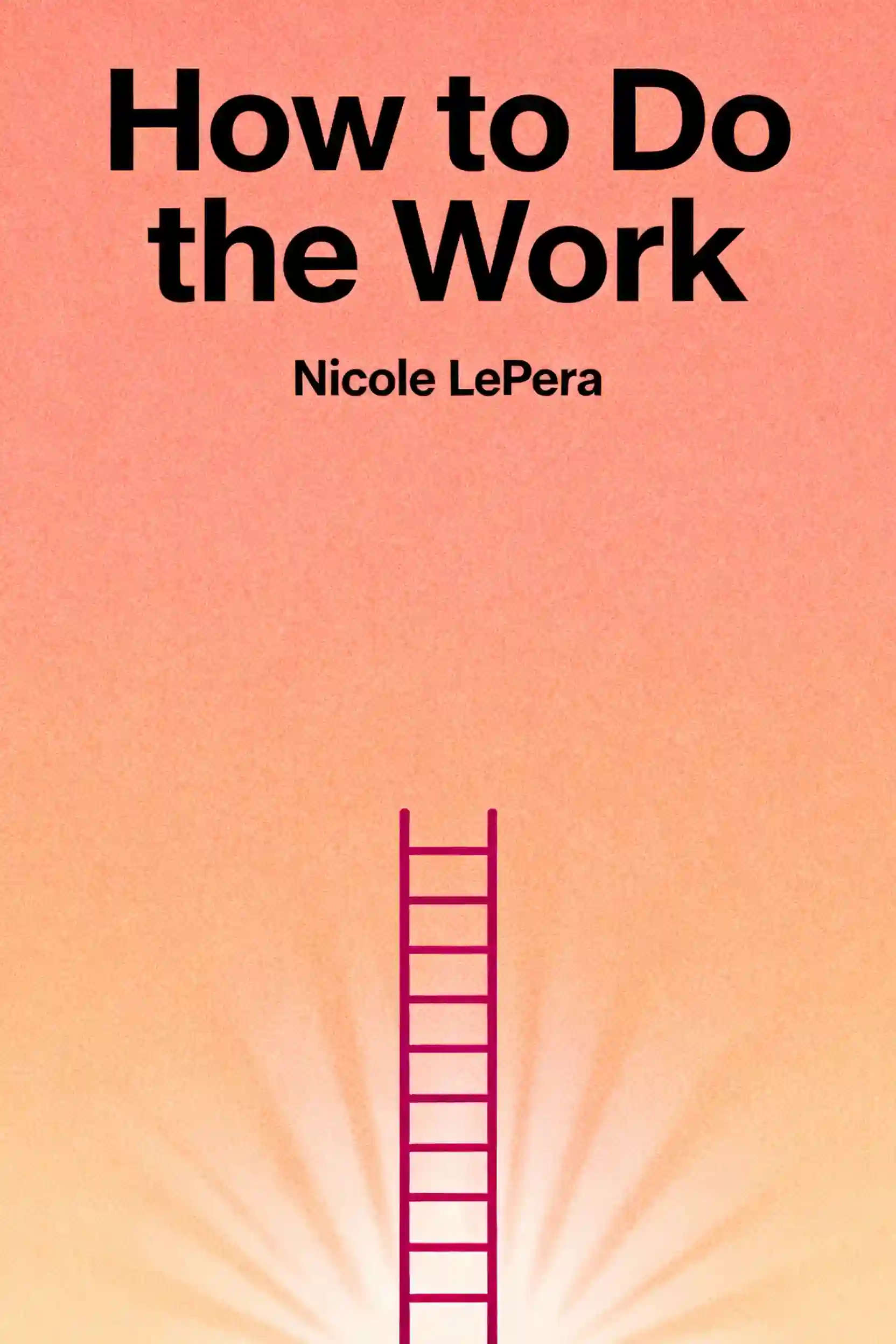
A.R.C.H. stands for Anchor, Regulate, Connect, and Heal. This framework emphasizes that healing cannot be rushed; one must first "Anchor" by creating internal stability and "Regulate" the nervous system to widen the "window of tolerance" for difficult emotions. Only after establishing safety and connecting—both with oneself and others—can deep healing and the unburdening of past traumas effectively take place.
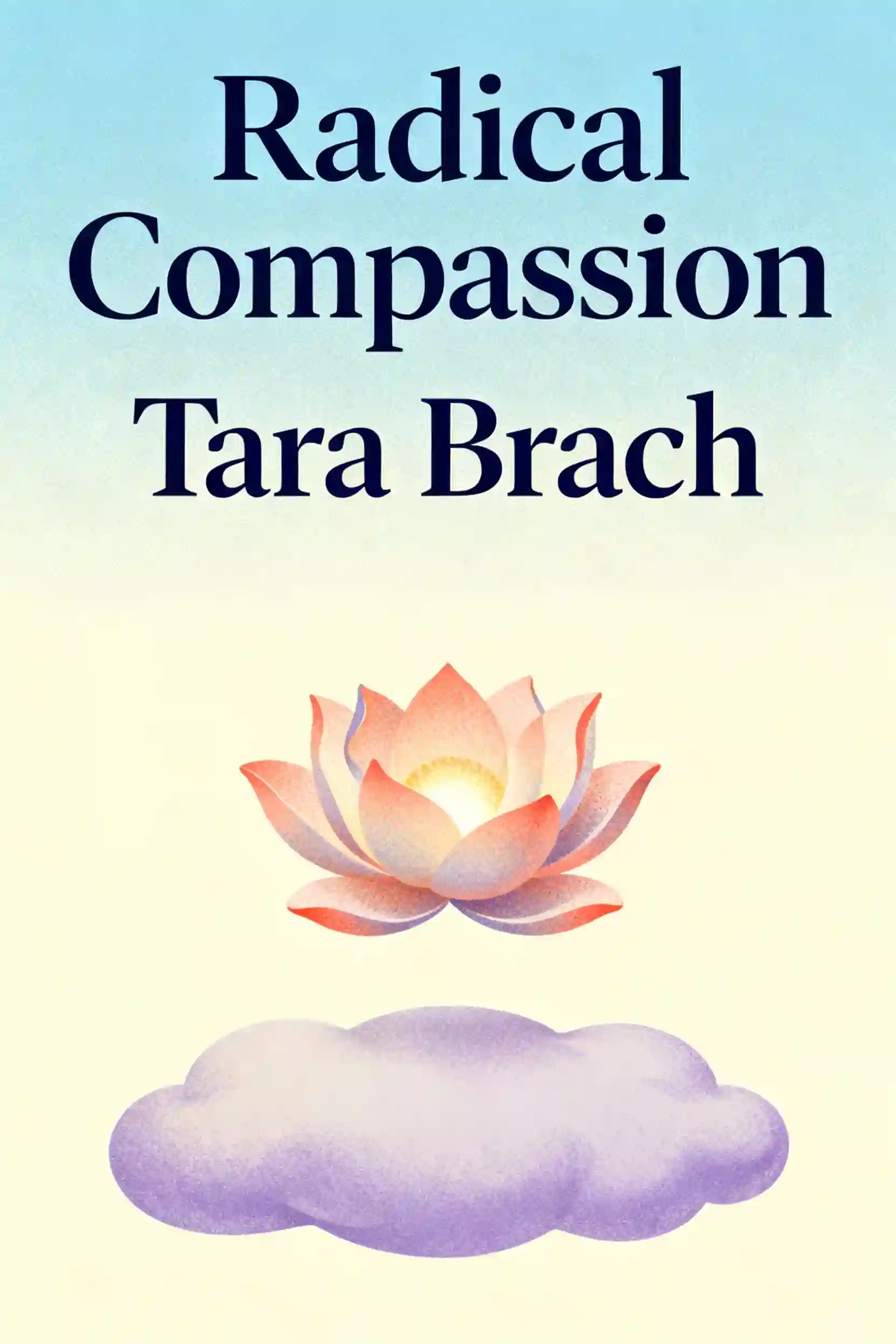
Radical Acceptance is the "strategic surrender to facts" rather than an approval of them. It involves stopping the internal argument with reality—the exhausting "this shouldn't have happened" narrative—to save the energy being wasted on rage or resistance. By accepting the "causal chain" of events, an individual can reduce personal shame and move toward a "U-Turn," bringing attention back to what the body and internal parts need in the present moment.
The Altruistic Upgrade is a shift in perspective where an individual moves from seeing their pain as a personal burden to seeing it as a bridge to understanding others. It involves resetting the "evaluative framework" to recognize that everyone’s "bad" behavior is often a manifestation of their own trauma and conditioning. By viewing suffering as a shared human experience rather than an isolated defect, one can replace internal and external blame with a high-dimensional form of compassion.
Criado por ex-alunos da Universidade de Columbia em San Francisco
"Instead of endless scrolling, I just hit play on BeFreed. It saves me so much time."


"I never knew where to start with nonfiction—BeFreed’s book lists turned into podcasts gave me a clear path."


"Perfect balance between learning and entertainment. Finished ‘Thinking, Fast and Slow’ on my commute this week."
"Crazy how much I learned while walking the dog. BeFreed = small habits → big gains."
"Reading used to feel like a chore. Now it’s just part of my lifestyle."

"Feels effortless compared to reading. I’ve finished 6 books this month already."
"BeFreed turned my guilty doomscrolling into something that feels productive and inspiring."

"BeFreed turned my commute into learning time. 20-min podcasts are perfect for finishing books I never had time for."
"BeFreed replaced my podcast queue. Imagine Spotify for books — that’s it. 🙌"

"It is great for me to learn something from the book without reading it."
"The themed book list podcasts help me connect ideas across authors—like a guided audio journey."
"Makes me feel smarter every time before going to work"
Criado por ex-alunos da Universidade de Columbia em San Francisco
"Instead of endless scrolling, I just hit play on BeFreed. It saves me so much time."
"I never knew where to start with nonfiction—BeFreed’s book lists turned into podcasts gave me a clear path."
"Perfect balance between learning and entertainment. Finished ‘Thinking, Fast and Slow’ on my commute this week."
"Crazy how much I learned while walking the dog. BeFreed = small habits → big gains."
"Reading used to feel like a chore. Now it’s just part of my lifestyle."
"Feels effortless compared to reading. I’ve finished 6 books this month already."
"BeFreed turned my guilty doomscrolling into something that feels productive and inspiring."
"BeFreed turned my commute into learning time. 20-min podcasts are perfect for finishing books I never had time for."
"BeFreed replaced my podcast queue. Imagine Spotify for books — that’s it. 🙌"
"It is great for me to learn something from the book without reading it."
"The themed book list podcasts help me connect ideas across authors—like a guided audio journey."
"Makes me feel smarter every time before going to work"
"Instead of endless scrolling, I just hit play on BeFreed. It saves me so much time."
"I never knew where to start with nonfiction—BeFreed’s book lists turned into podcasts gave me a clear path."
"Perfect balance between learning and entertainment. Finished ‘Thinking, Fast and Slow’ on my commute this week."
"Crazy how much I learned while walking the dog. BeFreed = small habits → big gains."
"Reading used to feel like a chore. Now it’s just part of my lifestyle."
"Feels effortless compared to reading. I’ve finished 6 books this month already."
"BeFreed turned my guilty doomscrolling into something that feels productive and inspiring."
"BeFreed turned my commute into learning time. 20-min podcasts are perfect for finishing books I never had time for."
"BeFreed replaced my podcast queue. Imagine Spotify for books — that’s it. 🙌"
"It is great for me to learn something from the book without reading it."
"The themed book list podcasts help me connect ideas across authors—like a guided audio journey."
"Makes me feel smarter every time before going to work"
"Instead of endless scrolling, I just hit play on BeFreed. It saves me so much time."
"I never knew where to start with nonfiction—BeFreed’s book lists turned into podcasts gave me a clear path."
"Perfect balance between learning and entertainment. Finished ‘Thinking, Fast and Slow’ on my commute this week."
"Crazy how much I learned while walking the dog. BeFreed = small habits → big gains."
"Reading used to feel like a chore. Now it’s just part of my lifestyle."
"Feels effortless compared to reading. I’ve finished 6 books this month already."
"BeFreed turned my guilty doomscrolling into something that feels productive and inspiring."
"BeFreed turned my commute into learning time. 20-min podcasts are perfect for finishing books I never had time for."
"BeFreed replaced my podcast queue. Imagine Spotify for books — that’s it. 🙌"
"It is great for me to learn something from the book without reading it."
"The themed book list podcasts help me connect ideas across authors—like a guided audio journey."
"Makes me feel smarter every time before going to work"