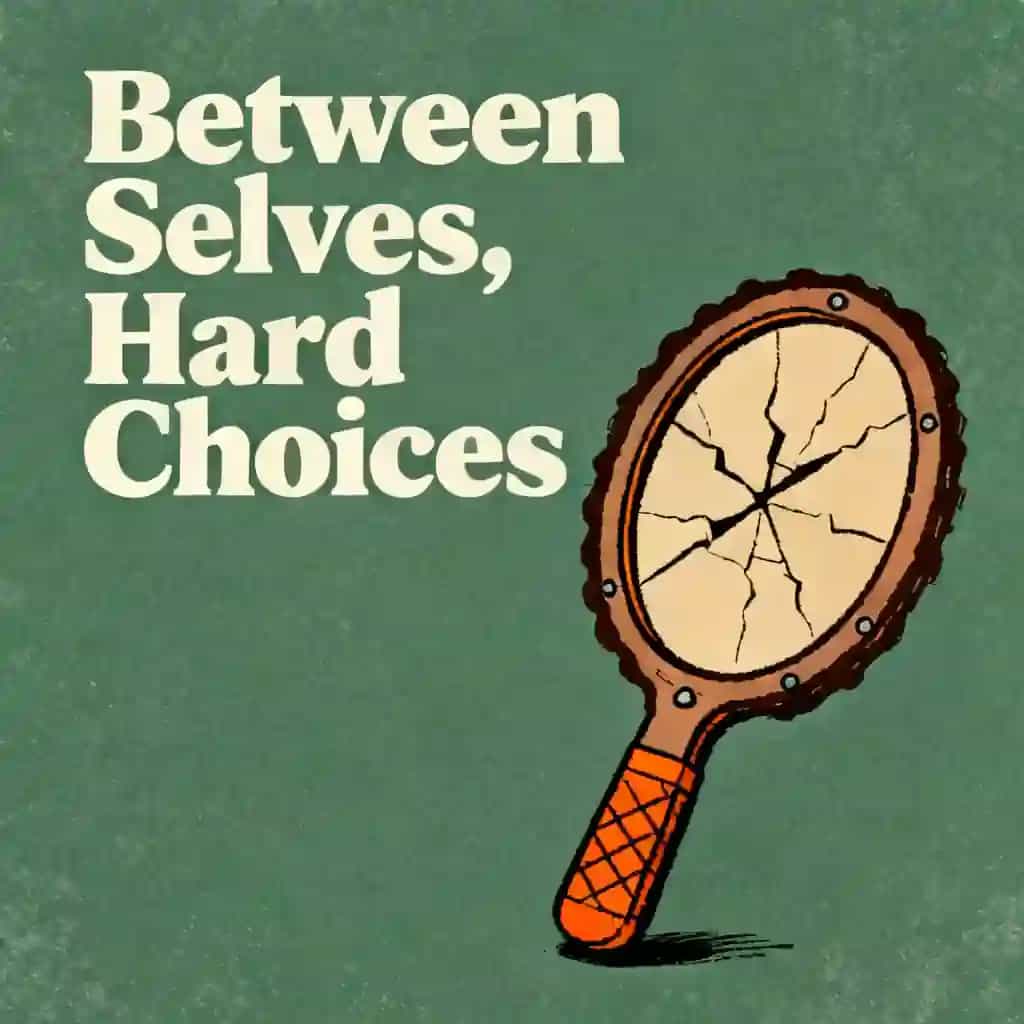
Hard choices are different than you think
Struggling to choose between two paths? Learn why philosopher Ruth Chang says parity—not indecision—is the key to defining your values and character.

Melhor citação de Hard choices are different than you think
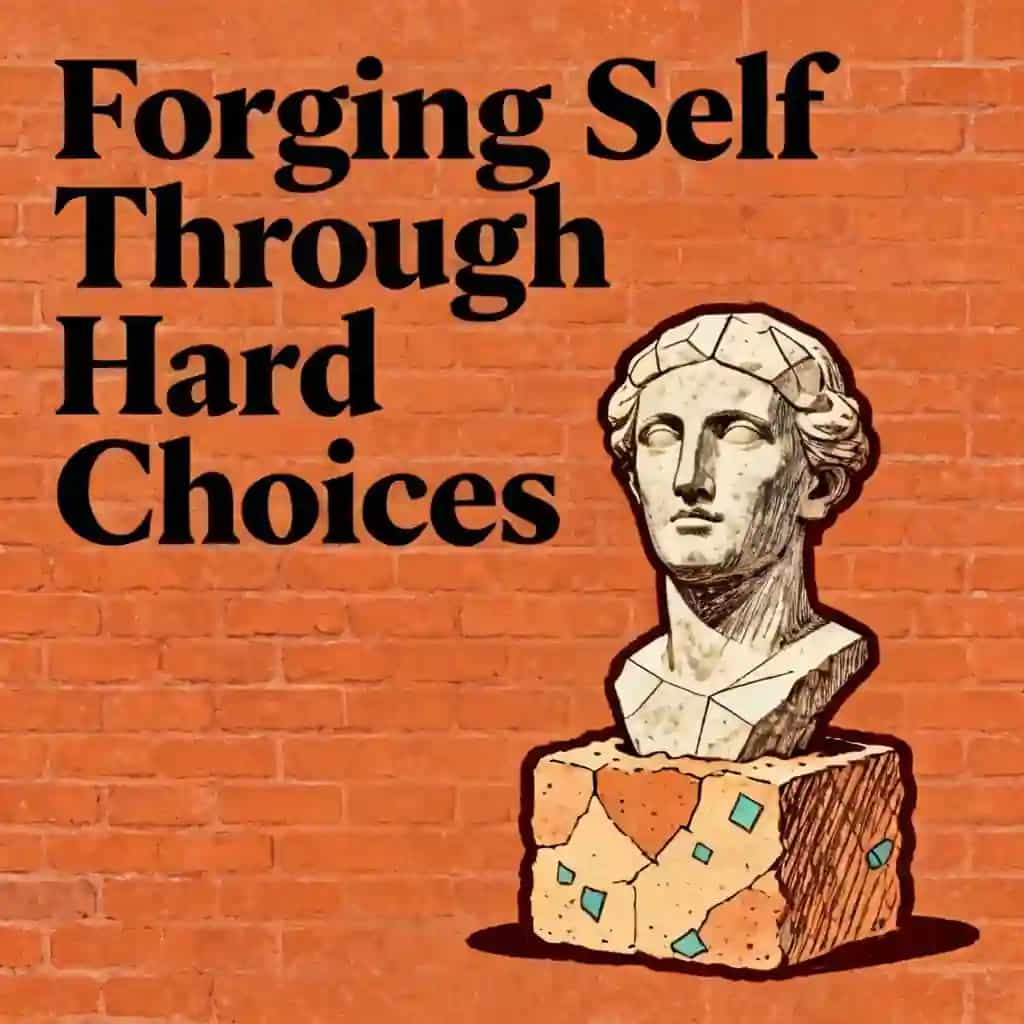
Hard choices are not a sign of failure or an information deficit, but a precious opportunity to exercise our power to create reasons for ourselves and define who we are.
Generated by Dragos
Philosopher Ruth Chang view on facing difficult decisions

Perguntas frequentes
Options are "on a par" when they are in the same neighborhood of value and are comparable, but neither is better than the other, nor are they exactly equal. Unlike equal options—where a small "sweetener" like an extra fifty dollars would easily break the tie—options on a par remain difficult to choose between even after a small improvement is made to one side. This "fourth dimension" of choice suggests that the difficulty isn't due to a lack of information, but because there is no objectively "right" answer waiting to be discovered in the world.
A drifter is someone who allows the world to write the story of their life by waiting for external circumstances to make a choice for them or by simply following the path of least resistance. In contrast, someone who makes a commitment exercises their "rational agency" by putting their will behind an option. When external reasons are balanced, a person who commits creates their own internal reasons for a choice, effectively "authoring" their identity rather than just reacting to data.
The concern lies in the "Value Alignment Problem," specifically that AI systems are often built on a "trichotomist" foundation—the belief that every choice has a mathematically "better, worse, or equal" answer. If we delegate hard choices to AI, the machine may "force a ranking" based on arbitrary metrics, stripping humans of the opportunity to define their own values. This could lead to a "value distortion" where people drift into lives designed by algorithms rather than through their own personal commitments.
The Small Improvement Argument is a diagnostic tool used to determine if options are truly equal or if they are "on a par." If you are torn between two choices and adding a small benefit to one (like a tiny bit of extra money or a small perk) does not make that choice clearly superior, then the options were never equal to begin with. This realization confirms that you are facing a state of parity, meaning the "external reasons" provided by the world have run out and you must now use your own agency to decide.
Criado por ex-alunos da Universidade de Columbia em San Francisco
"Instead of endless scrolling, I just hit play on BeFreed. It saves me so much time."


"I never knew where to start with nonfiction—BeFreed’s book lists turned into podcasts gave me a clear path."


"Perfect balance between learning and entertainment. Finished ‘Thinking, Fast and Slow’ on my commute this week."
"Crazy how much I learned while walking the dog. BeFreed = small habits → big gains."
"Reading used to feel like a chore. Now it’s just part of my lifestyle."

"Feels effortless compared to reading. I’ve finished 6 books this month already."
"BeFreed turned my guilty doomscrolling into something that feels productive and inspiring."

"BeFreed turned my commute into learning time. 20-min podcasts are perfect for finishing books I never had time for."
"BeFreed replaced my podcast queue. Imagine Spotify for books — that’s it. 🙌"

"It is great for me to learn something from the book without reading it."
"The themed book list podcasts help me connect ideas across authors—like a guided audio journey."
"Makes me feel smarter every time before going to work"
Criado por ex-alunos da Universidade de Columbia em San Francisco
"Instead of endless scrolling, I just hit play on BeFreed. It saves me so much time."
"I never knew where to start with nonfiction—BeFreed’s book lists turned into podcasts gave me a clear path."
"Perfect balance between learning and entertainment. Finished ‘Thinking, Fast and Slow’ on my commute this week."
"Crazy how much I learned while walking the dog. BeFreed = small habits → big gains."
"Reading used to feel like a chore. Now it’s just part of my lifestyle."
"Feels effortless compared to reading. I’ve finished 6 books this month already."
"BeFreed turned my guilty doomscrolling into something that feels productive and inspiring."
"BeFreed turned my commute into learning time. 20-min podcasts are perfect for finishing books I never had time for."
"BeFreed replaced my podcast queue. Imagine Spotify for books — that’s it. 🙌"
"It is great for me to learn something from the book without reading it."
"The themed book list podcasts help me connect ideas across authors—like a guided audio journey."
"Makes me feel smarter every time before going to work"
"Instead of endless scrolling, I just hit play on BeFreed. It saves me so much time."
"I never knew where to start with nonfiction—BeFreed’s book lists turned into podcasts gave me a clear path."
"Perfect balance between learning and entertainment. Finished ‘Thinking, Fast and Slow’ on my commute this week."
"Crazy how much I learned while walking the dog. BeFreed = small habits → big gains."
"Reading used to feel like a chore. Now it’s just part of my lifestyle."
"Feels effortless compared to reading. I’ve finished 6 books this month already."
"BeFreed turned my guilty doomscrolling into something that feels productive and inspiring."
"BeFreed turned my commute into learning time. 20-min podcasts are perfect for finishing books I never had time for."
"BeFreed replaced my podcast queue. Imagine Spotify for books — that’s it. 🙌"
"It is great for me to learn something from the book without reading it."
"The themed book list podcasts help me connect ideas across authors—like a guided audio journey."
"Makes me feel smarter every time before going to work"
"Instead of endless scrolling, I just hit play on BeFreed. It saves me so much time."
"I never knew where to start with nonfiction—BeFreed’s book lists turned into podcasts gave me a clear path."
"Perfect balance between learning and entertainment. Finished ‘Thinking, Fast and Slow’ on my commute this week."
"Crazy how much I learned while walking the dog. BeFreed = small habits → big gains."
"Reading used to feel like a chore. Now it’s just part of my lifestyle."
"Feels effortless compared to reading. I’ve finished 6 books this month already."
"BeFreed turned my guilty doomscrolling into something that feels productive and inspiring."
"BeFreed turned my commute into learning time. 20-min podcasts are perfect for finishing books I never had time for."
"BeFreed replaced my podcast queue. Imagine Spotify for books — that’s it. 🙌"
"It is great for me to learn something from the book without reading it."
"The themed book list podcasts help me connect ideas across authors—like a guided audio journey."
"Makes me feel smarter every time before going to work"