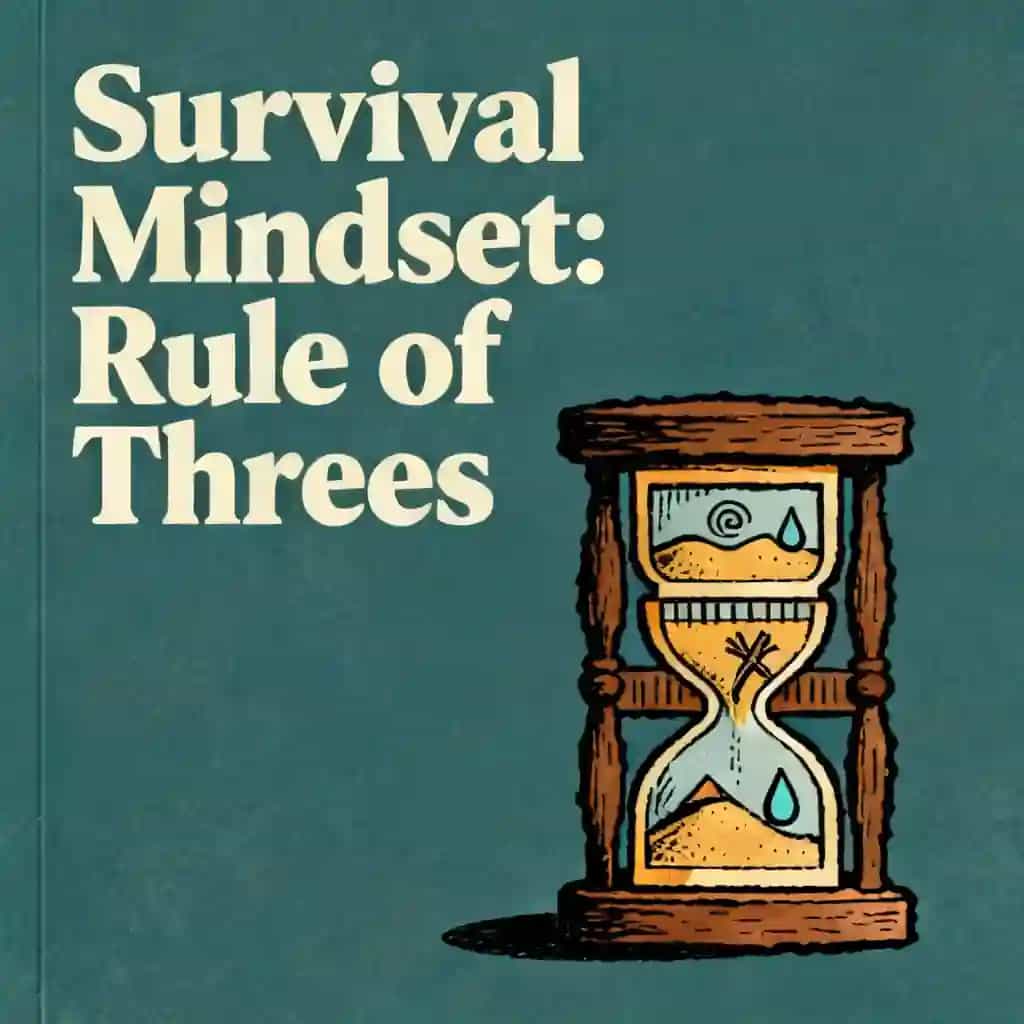
When a power outage lasts weeks, basic supplies aren't enough. Learn how to secure water, power, and safety to move from panic to long-term resilience.
Melhor citação de Grid down survival is about more than flashlights
“
The biggest mistake people make is waiting until the sky turns gray to start prepping. Preparedness gives you the margin to be the person who helps others instead of the person who’s panicking.
”
G
Generated by Garry
Pergunta de entrada
I want to learn about survival tips if the electricity grid goes down long term
Vozes dos apresentadores
Eli
Miles
Fontes de conhecimento
Perguntas frequentes
The absolute priority in the first 72 hours is gathering intelligence and securing water. You should use a battery-powered or hand-crank radio to determine if the outage is a local issue or a large-scale event like a solar flare or EMP. Simultaneously, you should fill every available tub and container with water before municipal line pressure drops, aiming for six liters per person per day for drinking and hygiene.
Power should be approached in tiers based on your specific needs, which you can determine by conducting an "energy audit" of your essential devices. Small portable power stations under 300 dollars are good for charging phones and lights, while larger units in the 1,000 to 3,000 dollar range can handle bigger loads. For electronics, inverter generators are preferred over conventional ones because they provide "clean" power and adjust their engine speed to the load, saving fuel.
While boiling is the universal baseline for killing biological contaminants, it is very fuel-intensive. A more sustainable "pro" move is using a gravity filtration system, such as a two-bucket system with ceramic or hollow-fiber filters, which requires no power or fuel. For the best results, you should "stack" methods by pre-filtering sediment with a cloth, using the gravity filter for bacteria, and adding bleach or chlorine dioxide tablets if viruses are a concern.
Safety is the primary concern, as carbon monoxide poisoning from indoor grilling is a leading cause of death during storms. You must keep gas or charcoal grills at least twenty feet away from windows. For indoor cooking, the only relatively safe options are Sterno cans or small butane stoves, provided you crack a window and use a battery-powered carbon monoxide detector.
An electromagnetic pulse (EMP) is a high-voltage surge that can instantly fry microchips and sensitive electronics. To protect critical gear like backup radios or flashlights, you can build a Faraday cage using a galvanized steel trash can with a tight-fitting lid, ensuring the devices inside are insulated from the metal walls with cardboard or cloth. For whole-house protection, you can install an EMP shield on your breaker panel to shunt excess energy to the ground.
Criado por ex-alunos da Universidade de Columbia | em San Francisco
BeFreed Reúne Uma Comunidade Global De Mentes Curiosas
4.7
avaliação média
Mais de 7,84 mil avaliações do app
Comunidade BeFreed
Sério, eu ainda nem explorei o app por completo, mas só de usar nos últimos dias já fiquei impressionada… O BeFreed está em outro nível comparado a qualquer outro app de aprendizado que já usei. Ele prende demais a atenção e realmente melhora a concentração — ótimo para quem não larga o scroll!
@ladyInfinity
Comprei o BeFreed há exatamente 23 dias e uso todos os dias desde então. Ele se encaixou por completo na minha rotina de trabalho e nos meus hábitos de estudo.
@jayallen
A verdade é que o app superou todas as minhas expectativas. Posso pedir para gerar áudio sobre qualquer tema, seja qual for, e o resultado é impressionante. Minha área profissional é uma especialização em psicoterapia, bem multidisciplinar; mesmo assim, as respostas são muito precisas.
@Raguipa
O que eu mais valorizo é o quanto ele reduziu meu tempo de scroll: passo menos tempo procurando e mais tempo absorvendo informação. A combinação de audiolivros completos, podcasts e os planos de aprendizado é brilhante.
@colonyofcreatorsNGO
Sou instrutor de aprendizado acelerado PhotoReading há 24 anos… livros, leitura e aprendizado são a minha praia, e o BeFreed fez um ótimo trabalho ao trazer uma abordagem inovadora para entregar informação de um jeito fácil de consumir.
@BeFreed user
Não é só um app de resumo de livros: usei a opção de leitura divertida e é um resumo muito melhor, um jeito mais fácil de captar as ideias do que o tradicional. Só isso já vale o investimento.
@austinakon
Amo este app. Usei por vários dias e não consigo parar de ouvir. Um jeito ótimo de começar.
@jcrules328
Gosto muito do programa; já estou testando há cerca de um mês e sinto que é uma verdadeira joia. Funciona muito bem porque posso usar o BeFreed para criar meus próprios temas, e a voz é ótima, com opções ilimitadas de narração.
@DanielCZ
Sério, eu ainda nem explorei o app por completo, mas só de usar nos últimos dias já fiquei impressionada… O BeFreed está em outro nível comparado a qualquer outro app de aprendizado que já usei. Ele prende demais a atenção e realmente melhora a concentração — ótimo para quem não larga o scroll!
@ladyInfinity
Comprei o BeFreed há exatamente 23 dias e uso todos os dias desde então. Ele se encaixou por completo na minha rotina de trabalho e nos meus hábitos de estudo.
@jayallen
A verdade é que o app superou todas as minhas expectativas. Posso pedir para gerar áudio sobre qualquer tema, seja qual for, e o resultado é impressionante. Minha área profissional é uma especialização em psicoterapia, bem multidisciplinar; mesmo assim, as respostas são muito precisas.
@Raguipa
O que eu mais valorizo é o quanto ele reduziu meu tempo de scroll: passo menos tempo procurando e mais tempo absorvendo informação. A combinação de audiolivros completos, podcasts e os planos de aprendizado é brilhante.
@colonyofcreatorsNGO
Sou instrutor de aprendizado acelerado PhotoReading há 24 anos… livros, leitura e aprendizado são a minha praia, e o BeFreed fez um ótimo trabalho ao trazer uma abordagem inovadora para entregar informação de um jeito fácil de consumir.
@BeFreed user
Não é só um app de resumo de livros: usei a opção de leitura divertida e é um resumo muito melhor, um jeito mais fácil de captar as ideias do que o tradicional. Só isso já vale o investimento.
@austinakon
Amo este app. Usei por vários dias e não consigo parar de ouvir. Um jeito ótimo de começar.
@jcrules328
Gosto muito do programa; já estou testando há cerca de um mês e sinto que é uma verdadeira joia. Funciona muito bem porque posso usar o BeFreed para criar meus próprios temas, e a voz é ótima, com opções ilimitadas de narração.
@DanielCZ
Adoro poder receber informações e ideias úteis e condensadas em um áudio estilo podcast de 8 a 15 minutos. Não sou muito fã de podcasts por causa da enrolação, mas aqui vai direto ao ponto.
@BeFreed user
Estou terminando meu doutorado e preciso ler muito material desconhecido… Com o BeFreed, você só digita um prompt e o app encontra as fontes e gera um podcast em áudio. Acho o processo do BeFreed mais fluido que o do NotebookLM.
@Brad
Costumo procurar no YouTube algo para ouvir enquanto preparo o café da manhã, caminho ou me desloco, e o BeFreed oferece uma abordagem ainda mais certeira, sem anúncios e sem enrolação!
@BeFreed user
A melhor coisa desta plataforma é a versatilidade. Literalmente nenhum assunto fica de fora. Ela dá conta de tudo o que você mandar… É raro encontrar uma ferramenta de aprendizado sem limitações que realmente cumpre o que promete.
@jayallen
O BeFreed é fantástico. O design intuitivo faz com que eu passe menos tempo navegando e mais tempo aprendendo. A mistura de audiolivros, podcasts e planos de aprendizado é uma combinação genial que mudou completamente a minha rotina.
@BeFreed user
No começo, levei um tempo para entender como criar podcasts em italiano e… boom! É incrível! Posso pedir para explicar qualquer assunto e ele explica super bem, com muita inteligência!
@matteo77
O BeFreed virou meu app diário de audiolivros… O que eu mais gosto é que você coloca o seu texto e recebe um áudio para ouvir em qualquer lugar.
@kotanzu1
Adoro poder receber informações e ideias úteis e condensadas em um áudio estilo podcast de 8 a 15 minutos. Não sou muito fã de podcasts por causa da enrolação, mas aqui vai direto ao ponto.
@BeFreed user
Estou terminando meu doutorado e preciso ler muito material desconhecido… Com o BeFreed, você só digita um prompt e o app encontra as fontes e gera um podcast em áudio. Acho o processo do BeFreed mais fluido que o do NotebookLM.
@Brad
Costumo procurar no YouTube algo para ouvir enquanto preparo o café da manhã, caminho ou me desloco, e o BeFreed oferece uma abordagem ainda mais certeira, sem anúncios e sem enrolação!
@BeFreed user
A melhor coisa desta plataforma é a versatilidade. Literalmente nenhum assunto fica de fora. Ela dá conta de tudo o que você mandar… É raro encontrar uma ferramenta de aprendizado sem limitações que realmente cumpre o que promete.
@jayallen
O BeFreed é fantástico. O design intuitivo faz com que eu passe menos tempo navegando e mais tempo aprendendo. A mistura de audiolivros, podcasts e planos de aprendizado é uma combinação genial que mudou completamente a minha rotina.
@BeFreed user
No começo, levei um tempo para entender como criar podcasts em italiano e… boom! É incrível! Posso pedir para explicar qualquer assunto e ele explica super bem, com muita inteligência!
@matteo77
O BeFreed virou meu app diário de audiolivros… O que eu mais gosto é que você coloca o seu texto e recebe um áudio para ouvir em qualquer lugar.
Learn the critical survival priorities and essential skills that can mean the difference between life and death when you're lost in the wild without technology or help.
A step-by-step emergency evacuation guide covering what to pack, how to organize, and when to grab essential survival gear when disaster strikes and you have just 120 minutes to escape to safety.
When small utilities face coordinated cyberattacks, local infrastructure can fail instantly. Learn to spot risk signals and build a 3-step backup plan.
Discover how psychology determines wilderness survival success more than physical skills. Learn practical techniques to develop the mental resilience that keeps you alive when everything goes wrong.