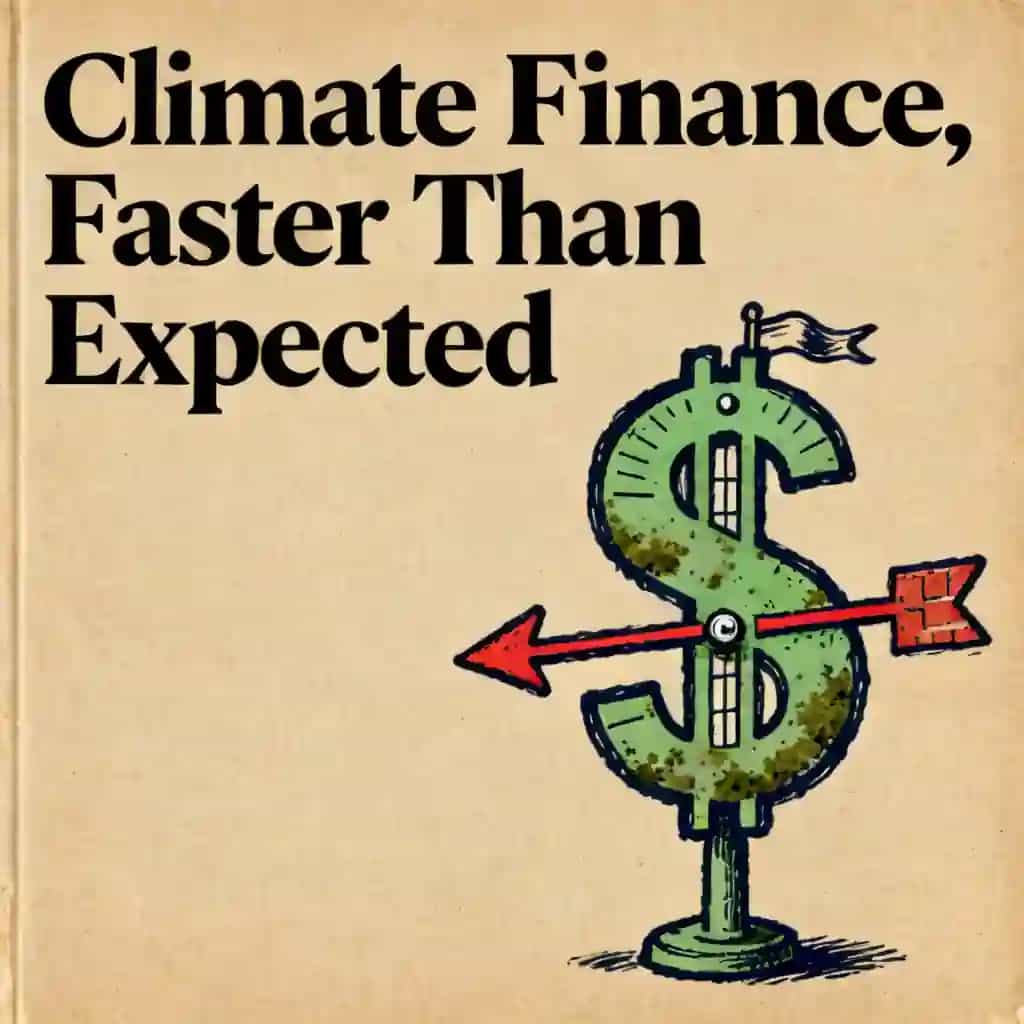
Green Climate Fund: Scaling up after COP30
The GCF is mobilizing billions, but why is the money slow to move? Explore how new reforms aim to speed up climate finance for the nations that need it most.

Melhor citação de Green Climate Fund: Scaling up after COP30
The GCF is finally maturing; they’ve spent ten years building the pipes, and now they’re trying to make sure the finance actually reaches the furthest corners of the field. It’s about moving from being a distant funder to a proactive partner that can manage high-impact, system-transforming programs.

Esta aula em áudio foi criada por um membro da comunidade BeFreed
Green climate fund and the COP, UNFCCC



Perguntas frequentes
The Green Climate Fund operates through 158 partner organizations rather than handing out cash directly to projects. Direct Access Entities are national or regional organizations, such as local banks or government agencies, based specifically in the developing countries they serve. International Accredited Entities are large global players like the World Bank or United Nations agencies. The GCF is currently working to shift its balance toward DAEs to ensure climate finance is more "country-driven" and accessible to local leaders.
The GCF uses a "catalyst" model where it provides concessional finance, such as low-interest loans or grants, to "de-risk" climate projects. By taking on the initial financial risk that commercial banks typically avoid, the GCF makes these projects attractive to private investors. This "priming of the pump" allows the Fund to leverage its own portfolio to mobilize significantly larger sums of private sector capital, achieving much higher leverage ratios for large-scale infrastructure and adaptation efforts.
Functional equivalence is a bureaucratic shortcut designed to reduce the "procedural burden" on organizations seeking accreditation. It allows the GCF to recognize the standards of other major funds, such as the Adaptation Fund or the Global Environment Facility. If an organization has already proven its fiduciary and environmental safeguards to those entities, the GCF can fast-track their approval process rather than making them repeat the same grueling application, which historically took several years.
The move toward regional offices is part of the "Efficient GCF" initiative to move from being a distant funder to a proactive partner. By establishing a physical presence in different regions, the Fund can better address language barriers, provide integrated services from project design to monitoring, and work more closely with local communities. This regional pivot is intended to help the GCF reach "underserved" countries and better navigate the specific cultural and environmental contexts of the projects they fund.
The LLCA is a framework designed to promote "devolved decision-making," ensuring that climate finance reaches the people living directly with climate impacts. Instead of high-level government ministries making all the decisions, this framework encourages finance to flow down to the community level. This approach is specifically aimed at increasing "direct access" for the most vulnerable populations, including Indigenous Peoples, who are often the best stewards of biodiversity but face the highest hurdles in accessing international funds.
Descubra mais

Raise early stage funding
Securing capital is a critical hurdle for any founder, yet the fundraising process often feels like a black box. This curriculum is designed for early-stage entrepreneurs who need to transition from a great idea to a venture-backed reality through strategic storytelling and systematic execution.
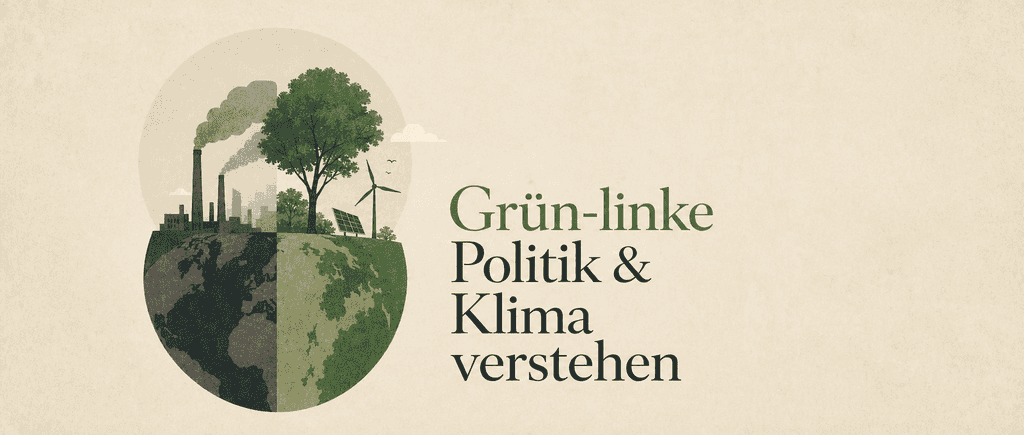
Grün-linke Politik & Klima verstehen
In Zeiten der Klimakrise bietet dieser Lernplan eine fundierte Verbindung aus ökologischer Notwendigkeit und systemkritischer Analyse. Er richtet sich an politisch Interessierte, die die Schnittstellen zwischen Klimaschutz, Sozialismus und moderner Wirtschaftspolitik verstehen möchten.

The New Metabolic World Order
As the global economy pivots from carbon to electrons, understanding the intersection of energy and geopolitics is essential for strategic decision-making. This plan is designed for policy analysts, energy investors, and global strategists looking to navigate the transition to a green-energy-backed financial order.

The Global Trade and Currency Game
This learning plan is essential for investors and finance professionals navigating the complexities of a globalized economy. It provides the analytical tools needed to understand how trade imbalances and currency shifts impact asset values, making it ideal for those managing international portfolios.

O Novo Risco do FGC
Este plano é essencial para investidores e profissionais do mercado financeiro que precisam navegar nas novas diretrizes de segurança bancária após o caso Master. Ele beneficia quem busca proteger seu capital e entender a solvência das instituições financeiras além da garantia do FGC.

The Founder's MBA: Scale and Capital
This program is designed for early-stage founders and entrepreneurs ready to transition from a startup mindset to a scalable enterprise. It bridges the gap between initial product validation and long-term capital strategy, making it essential for anyone seeking to lead a high-growth company.

Global Macro for Personal Investing
In an era of high inflation and shifting interest rates, understanding the 'why' behind market moves is essential for any serious investor. This plan is designed for individual traders and long-term investors who want to move beyond technical analysis and master the fundamental drivers of global finance.

Stop Stalling and Start Moving
This plan is designed for chronic procrastinators and high-achievers who feel stuck in a cycle of overthinking. It bridges the gap between intention and action by combining behavioral neuroscience with practical environmental design.
Criado por ex-alunos da Universidade de Columbia em San Francisco
"Instead of endless scrolling, I just hit play on BeFreed. It saves me so much time."


"I never knew where to start with nonfiction—BeFreed’s book lists turned into podcasts gave me a clear path."


"Perfect balance between learning and entertainment. Finished ‘Thinking, Fast and Slow’ on my commute this week."
"Crazy how much I learned while walking the dog. BeFreed = small habits → big gains."
"Reading used to feel like a chore. Now it’s just part of my lifestyle."

"Feels effortless compared to reading. I’ve finished 6 books this month already."
"BeFreed turned my guilty doomscrolling into something that feels productive and inspiring."

"BeFreed turned my commute into learning time. 20-min podcasts are perfect for finishing books I never had time for."
"BeFreed replaced my podcast queue. Imagine Spotify for books — that’s it. 🙌"

"It is great for me to learn something from the book without reading it."
"The themed book list podcasts help me connect ideas across authors—like a guided audio journey."
"Makes me feel smarter every time before going to work"
Criado por ex-alunos da Universidade de Columbia em San Francisco
"Instead of endless scrolling, I just hit play on BeFreed. It saves me so much time."
"I never knew where to start with nonfiction—BeFreed’s book lists turned into podcasts gave me a clear path."
"Perfect balance between learning and entertainment. Finished ‘Thinking, Fast and Slow’ on my commute this week."
"Crazy how much I learned while walking the dog. BeFreed = small habits → big gains."
"Reading used to feel like a chore. Now it’s just part of my lifestyle."
"Feels effortless compared to reading. I’ve finished 6 books this month already."
"BeFreed turned my guilty doomscrolling into something that feels productive and inspiring."
"BeFreed turned my commute into learning time. 20-min podcasts are perfect for finishing books I never had time for."
"BeFreed replaced my podcast queue. Imagine Spotify for books — that’s it. 🙌"
"It is great for me to learn something from the book without reading it."
"The themed book list podcasts help me connect ideas across authors—like a guided audio journey."
"Makes me feel smarter every time before going to work"
"Instead of endless scrolling, I just hit play on BeFreed. It saves me so much time."
"I never knew where to start with nonfiction—BeFreed’s book lists turned into podcasts gave me a clear path."
"Perfect balance between learning and entertainment. Finished ‘Thinking, Fast and Slow’ on my commute this week."
"Crazy how much I learned while walking the dog. BeFreed = small habits → big gains."
"Reading used to feel like a chore. Now it’s just part of my lifestyle."
"Feels effortless compared to reading. I’ve finished 6 books this month already."
"BeFreed turned my guilty doomscrolling into something that feels productive and inspiring."
"BeFreed turned my commute into learning time. 20-min podcasts are perfect for finishing books I never had time for."
"BeFreed replaced my podcast queue. Imagine Spotify for books — that’s it. 🙌"
"It is great for me to learn something from the book without reading it."
"The themed book list podcasts help me connect ideas across authors—like a guided audio journey."
"Makes me feel smarter every time before going to work"
"Instead of endless scrolling, I just hit play on BeFreed. It saves me so much time."
"I never knew where to start with nonfiction—BeFreed’s book lists turned into podcasts gave me a clear path."
"Perfect balance between learning and entertainment. Finished ‘Thinking, Fast and Slow’ on my commute this week."
"Crazy how much I learned while walking the dog. BeFreed = small habits → big gains."
"Reading used to feel like a chore. Now it’s just part of my lifestyle."
"Feels effortless compared to reading. I’ve finished 6 books this month already."
"BeFreed turned my guilty doomscrolling into something that feels productive and inspiring."
"BeFreed turned my commute into learning time. 20-min podcasts are perfect for finishing books I never had time for."
"BeFreed replaced my podcast queue. Imagine Spotify for books — that’s it. 🙌"
"It is great for me to learn something from the book without reading it."
"The themed book list podcasts help me connect ideas across authors—like a guided audio journey."
"Makes me feel smarter every time before going to work"