Female libido and hormone boosters that actually work
Low desire isn't a broken accelerator—it's often overactive stress brakes. Learn how brain chemistry and hormones drive arousal to reclaim your spark.

Melhor citação de Female libido and hormone boosters that actually work
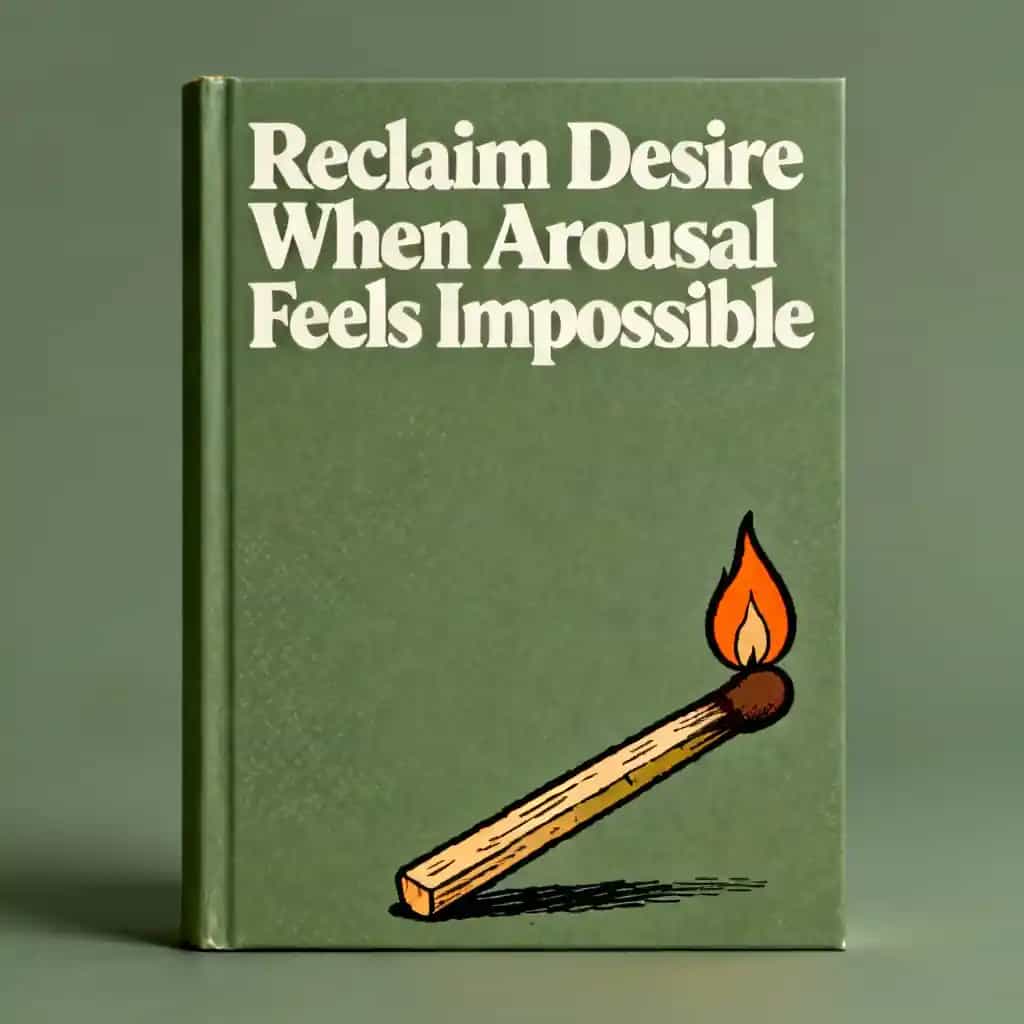
Most women don’t actually have a 'broken accelerator'—their capacity for desire is still there, but their 'brakes' are just way too active. Your brain has to feel 'safe' before it can feel 'sexy.'
Generated by Leon
Female libido hormone boosters

Perguntas frequentes
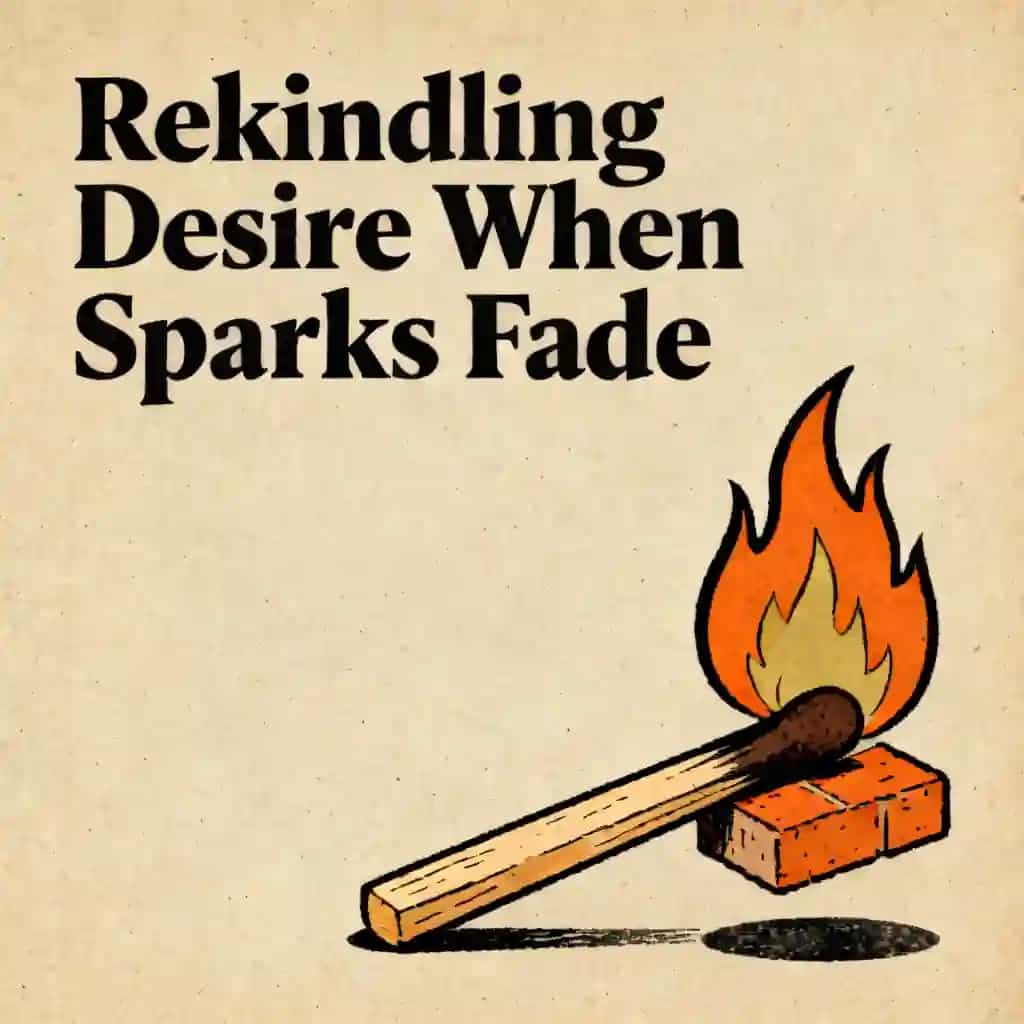
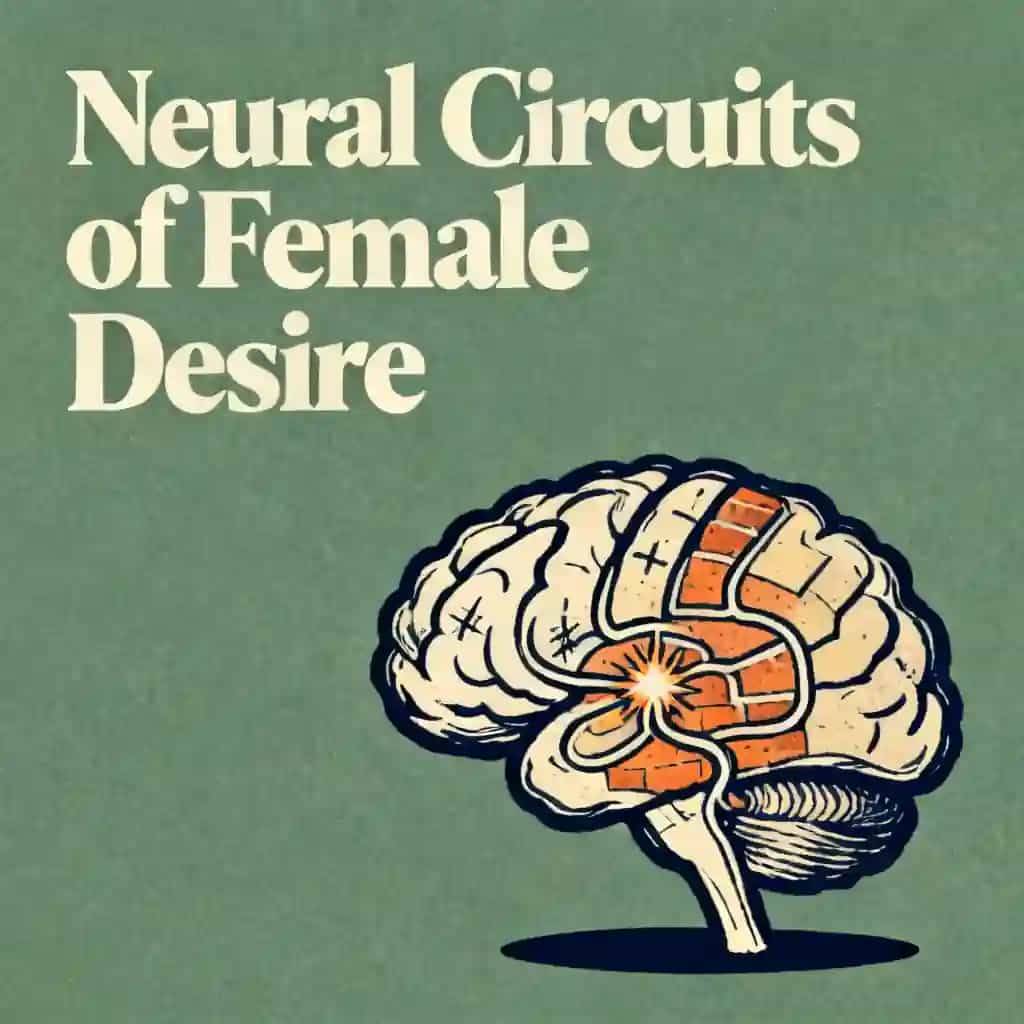
The Dual Control Model suggests that sexual response is a balance between two systems in the brain: the Sexual Excitation System (the accelerator) and the Sexual Inhibition System (the brakes). For many women, a low libido isn't caused by a "broken accelerator" but rather by "overactive brakes" triggered by stress, anxiety, or a long to-do list. Because the brain’s fear center must deactivate before arousal can occur, desire often only returns once these inhibitors are addressed and the brain feels "safe."
While men have higher levels, testosterone is vital for female vitality, driving sexual thoughts, fantasies, and genital sensitivity. A woman’s testosterone levels peak in her 20s and can drop by as much as 50% by menopause, which often leads to a "muted" libido. Supplementing or supporting testosterone can help restore confidence and the "wanting" drive that characterizes a healthy libido.
Unlike daily herbal supplements that may take weeks to build up in the system, on-demand solutions like Libida target specific neurochemical pathways in the brain to provide a "spark" within 45 to 60 minutes. By using ingredients like bremelanotide to trigger dopamine (the "wanting" chemical) and oxytocin (the "bonding" hormone), these treatments address both the physical motivation for sex and the emotional need for connection, with effects lasting between 24 and 72 hours.
Yes, lifestyle factors are considered foundational pillars of sexual wellness. Research mentioned in the script indicates that every additional hour of sleep correlates with a 14% increase in the odds of sexual activity by regulating hormones and clearing cortisol. Similarly, frequent physical activity can reduce the risk of low libido by up to 80% by improving blood flow, boosting endorphins, and enhancing body image, which helps lower the "inhibition brakes" associated with self-consciousness.
Spontaneous desire is the "spark" that happens out of nowhere, but many women primarily experience "responsive" desire. This means the mood or "drive" often comes after physical touch or emotional connection has already started. Understanding that it is normal to need to "start the engine" before feeling the drive can help women feel less "broken" and more empowered to use tools like topical gels or sensory exercises to prime their system.
Criado por ex-alunos da Universidade de Columbia em San Francisco
"Instead of endless scrolling, I just hit play on BeFreed. It saves me so much time."


"I never knew where to start with nonfiction—BeFreed’s book lists turned into podcasts gave me a clear path."


"Perfect balance between learning and entertainment. Finished ‘Thinking, Fast and Slow’ on my commute this week."
"Crazy how much I learned while walking the dog. BeFreed = small habits → big gains."
"Reading used to feel like a chore. Now it’s just part of my lifestyle."

"Feels effortless compared to reading. I’ve finished 6 books this month already."
"BeFreed turned my guilty doomscrolling into something that feels productive and inspiring."

"BeFreed turned my commute into learning time. 20-min podcasts are perfect for finishing books I never had time for."
"BeFreed replaced my podcast queue. Imagine Spotify for books — that’s it. 🙌"

"It is great for me to learn something from the book without reading it."
"The themed book list podcasts help me connect ideas across authors—like a guided audio journey."
"Makes me feel smarter every time before going to work"
Criado por ex-alunos da Universidade de Columbia em San Francisco
"Instead of endless scrolling, I just hit play on BeFreed. It saves me so much time."
"I never knew where to start with nonfiction—BeFreed’s book lists turned into podcasts gave me a clear path."
"Perfect balance between learning and entertainment. Finished ‘Thinking, Fast and Slow’ on my commute this week."
"Crazy how much I learned while walking the dog. BeFreed = small habits → big gains."
"Reading used to feel like a chore. Now it’s just part of my lifestyle."
"Feels effortless compared to reading. I’ve finished 6 books this month already."
"BeFreed turned my guilty doomscrolling into something that feels productive and inspiring."
"BeFreed turned my commute into learning time. 20-min podcasts are perfect for finishing books I never had time for."
"BeFreed replaced my podcast queue. Imagine Spotify for books — that’s it. 🙌"
"It is great for me to learn something from the book without reading it."
"The themed book list podcasts help me connect ideas across authors—like a guided audio journey."
"Makes me feel smarter every time before going to work"
"Instead of endless scrolling, I just hit play on BeFreed. It saves me so much time."
"I never knew where to start with nonfiction—BeFreed’s book lists turned into podcasts gave me a clear path."
"Perfect balance between learning and entertainment. Finished ‘Thinking, Fast and Slow’ on my commute this week."
"Crazy how much I learned while walking the dog. BeFreed = small habits → big gains."
"Reading used to feel like a chore. Now it’s just part of my lifestyle."
"Feels effortless compared to reading. I’ve finished 6 books this month already."
"BeFreed turned my guilty doomscrolling into something that feels productive and inspiring."
"BeFreed turned my commute into learning time. 20-min podcasts are perfect for finishing books I never had time for."
"BeFreed replaced my podcast queue. Imagine Spotify for books — that’s it. 🙌"
"It is great for me to learn something from the book without reading it."
"The themed book list podcasts help me connect ideas across authors—like a guided audio journey."
"Makes me feel smarter every time before going to work"
"Instead of endless scrolling, I just hit play on BeFreed. It saves me so much time."
"I never knew where to start with nonfiction—BeFreed’s book lists turned into podcasts gave me a clear path."
"Perfect balance between learning and entertainment. Finished ‘Thinking, Fast and Slow’ on my commute this week."
"Crazy how much I learned while walking the dog. BeFreed = small habits → big gains."
"Reading used to feel like a chore. Now it’s just part of my lifestyle."
"Feels effortless compared to reading. I’ve finished 6 books this month already."
"BeFreed turned my guilty doomscrolling into something that feels productive and inspiring."
"BeFreed turned my commute into learning time. 20-min podcasts are perfect for finishing books I never had time for."
"BeFreed replaced my podcast queue. Imagine Spotify for books — that’s it. 🙌"
"It is great for me to learn something from the book without reading it."
"The themed book list podcasts help me connect ideas across authors—like a guided audio journey."
"Makes me feel smarter every time before going to work"