¿Cuidado o control? Cuando tu hermano invade tu probador
Exploramos la delgada línea entre el afecto fraternal y la falta de límites. Analizamos por qué algunos hermanos se vuelven asfixiantes al opinar sobre tu imagen y cómo recuperar tu autonomía sin romper el vínculo familiar.

Melhor citação de ¿Cuidado o control? Cuando tu hermano invade tu probador
Poner un límite no es dejar de querer, sino enseñar al otro cómo querernos mejor, respetando esos espacios de intimidad que son donde realmente nos encontramos con nosotros mismos.
Generated by Yova
Que pasa cuando un hermano quiere estar de metiche cuando su hermana se está probando un vestido

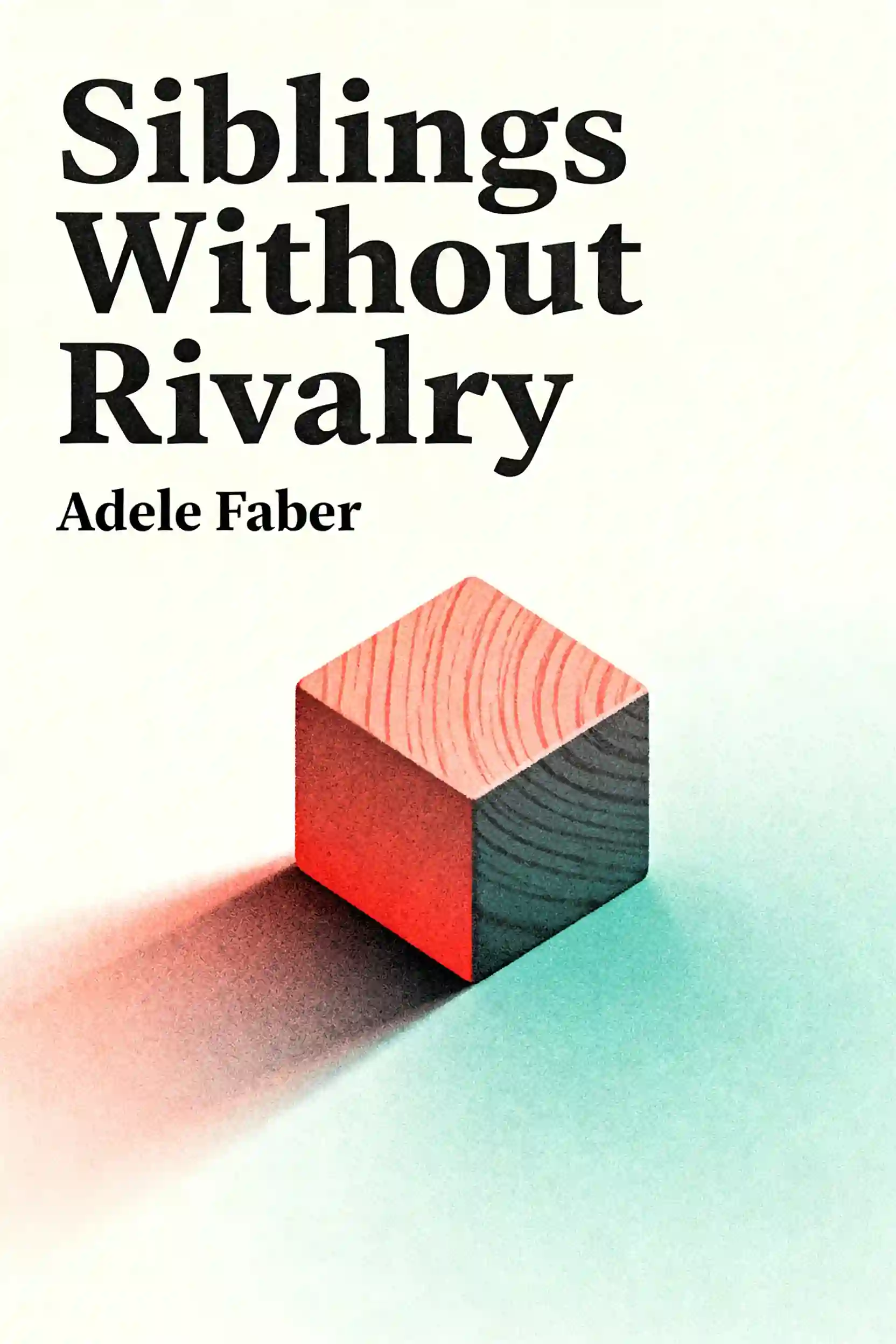
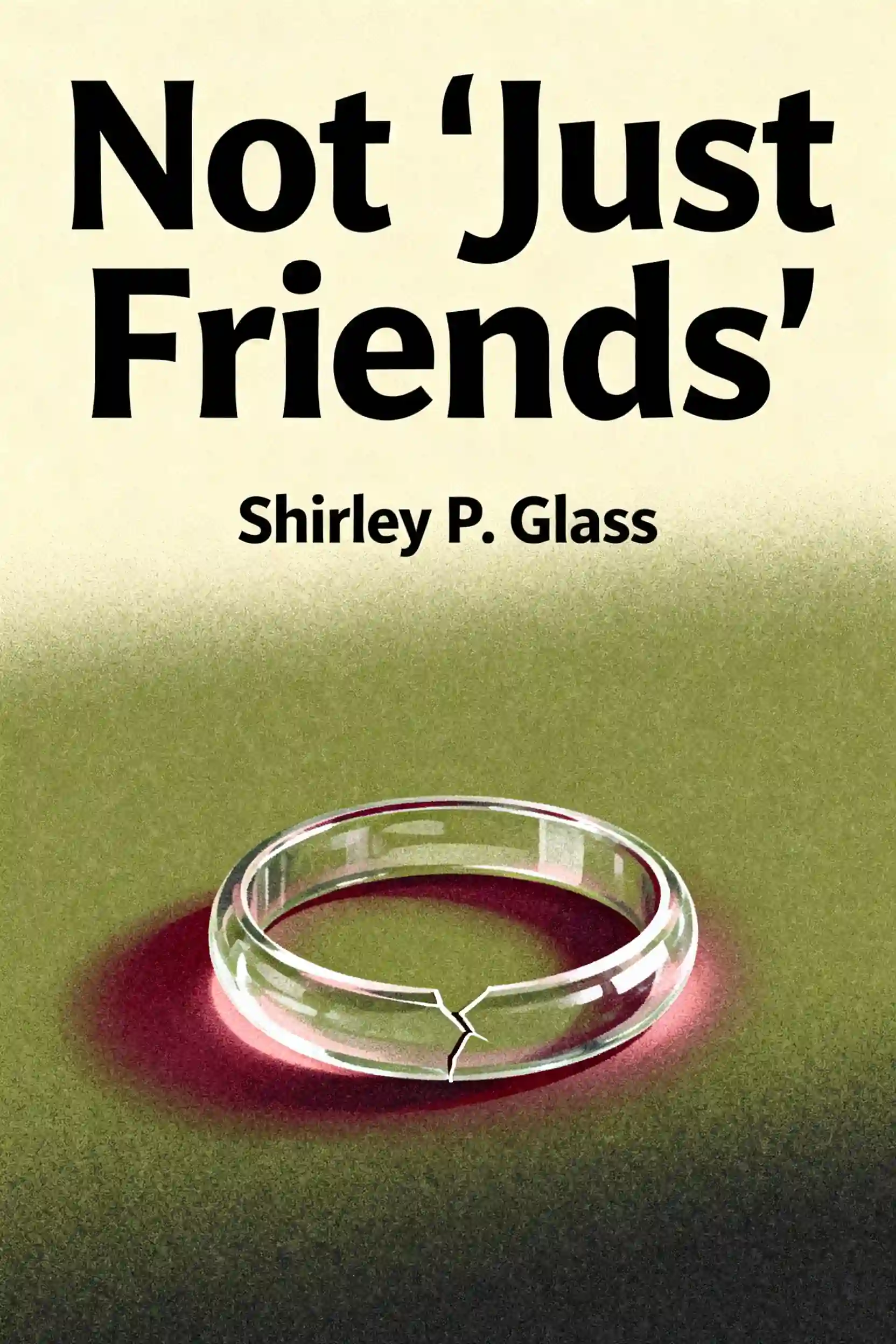

Perguntas frequentes
According to the script, this behavior often stems from a lack of clear boundaries established during childhood or a struggle for hierarchy within the family. Brothers may act this way because they feel a need to protect their position in the family or fear that someone else will take away their fraternal affection. In some cases, it is a misguided attempt at "protection" or a desire to maintain a sister in a "little girl" role, effectively resisting her growing autonomy and independence.
Clothing is described as a primary tool for building personal identity and claiming autonomy. When a brother intervenes with harsh judgments or unwanted opinions in a private space like a fitting room, he invades a vital process of self-discovery. This can break a person's self-scheme and create anxiety, making the individual feel that their own criteria and decisions are invalid. Over time, this lack of respect for privacy can erode mental health and hinder the development of a healthy, individual sense of self.
A major warning sign is feeling anxiety or the need to unconsciously ask for permission before getting dressed or going out. Other red flags include a sibling entering a private room without knocking, checking through personal belongings, or using Sarcastic comments to undermine choices. If an individual feels resentment, sadness, or the need to change their clothes just to avoid a conflict with their brother, it is a clear sign that boundaries have been violated and autonomy is at risk.
The script recommends using "I" statements to express feelings rather than attacking the brother's character. For example, saying "I feel frustrated when you opine on my clothes without being asked" is more effective than calling him a nuisance. It is also helpful to offer alternatives, such as inviting his opinion only when specifically asked. Consistency is vital; boundaries must be maintained firmly and calmly every time, as being flexible one day and strict the next sends a confusing message that invites further invasion.
Parents should act as mediators rather than judges. They are responsible for fostering an environment where individuality is protected and for setting clear rules regarding shared spaces, such as bedrooms. The script suggests that parents should ensure that one sibling does not assume a "guardian" or "censor" role over the other, as this creates a harmful asymmetry. By promoting democratic dialogue and respect for each child's privacy, parents help their children develop into functional adults who respect the boundaries of others.
Criado por ex-alunos da Universidade de Columbia em San Francisco
"Instead of endless scrolling, I just hit play on BeFreed. It saves me so much time."


"I never knew where to start with nonfiction—BeFreed’s book lists turned into podcasts gave me a clear path."


"Perfect balance between learning and entertainment. Finished ‘Thinking, Fast and Slow’ on my commute this week."
"Crazy how much I learned while walking the dog. BeFreed = small habits → big gains."
"Reading used to feel like a chore. Now it’s just part of my lifestyle."

"Feels effortless compared to reading. I’ve finished 6 books this month already."
"BeFreed turned my guilty doomscrolling into something that feels productive and inspiring."

"BeFreed turned my commute into learning time. 20-min podcasts are perfect for finishing books I never had time for."
"BeFreed replaced my podcast queue. Imagine Spotify for books — that’s it. 🙌"

"It is great for me to learn something from the book without reading it."
"The themed book list podcasts help me connect ideas across authors—like a guided audio journey."
"Makes me feel smarter every time before going to work"
Criado por ex-alunos da Universidade de Columbia em San Francisco
"Instead of endless scrolling, I just hit play on BeFreed. It saves me so much time."
"I never knew where to start with nonfiction—BeFreed’s book lists turned into podcasts gave me a clear path."
"Perfect balance between learning and entertainment. Finished ‘Thinking, Fast and Slow’ on my commute this week."
"Crazy how much I learned while walking the dog. BeFreed = small habits → big gains."
"Reading used to feel like a chore. Now it’s just part of my lifestyle."
"Feels effortless compared to reading. I’ve finished 6 books this month already."
"BeFreed turned my guilty doomscrolling into something that feels productive and inspiring."
"BeFreed turned my commute into learning time. 20-min podcasts are perfect for finishing books I never had time for."
"BeFreed replaced my podcast queue. Imagine Spotify for books — that’s it. 🙌"
"It is great for me to learn something from the book without reading it."
"The themed book list podcasts help me connect ideas across authors—like a guided audio journey."
"Makes me feel smarter every time before going to work"
"Instead of endless scrolling, I just hit play on BeFreed. It saves me so much time."
"I never knew where to start with nonfiction—BeFreed’s book lists turned into podcasts gave me a clear path."
"Perfect balance between learning and entertainment. Finished ‘Thinking, Fast and Slow’ on my commute this week."
"Crazy how much I learned while walking the dog. BeFreed = small habits → big gains."
"Reading used to feel like a chore. Now it’s just part of my lifestyle."
"Feels effortless compared to reading. I’ve finished 6 books this month already."
"BeFreed turned my guilty doomscrolling into something that feels productive and inspiring."
"BeFreed turned my commute into learning time. 20-min podcasts are perfect for finishing books I never had time for."
"BeFreed replaced my podcast queue. Imagine Spotify for books — that’s it. 🙌"
"It is great for me to learn something from the book without reading it."
"The themed book list podcasts help me connect ideas across authors—like a guided audio journey."
"Makes me feel smarter every time before going to work"
"Instead of endless scrolling, I just hit play on BeFreed. It saves me so much time."
"I never knew where to start with nonfiction—BeFreed’s book lists turned into podcasts gave me a clear path."
"Perfect balance between learning and entertainment. Finished ‘Thinking, Fast and Slow’ on my commute this week."
"Crazy how much I learned while walking the dog. BeFreed = small habits → big gains."
"Reading used to feel like a chore. Now it’s just part of my lifestyle."
"Feels effortless compared to reading. I’ve finished 6 books this month already."
"BeFreed turned my guilty doomscrolling into something that feels productive and inspiring."
"BeFreed turned my commute into learning time. 20-min podcasts are perfect for finishing books I never had time for."
"BeFreed replaced my podcast queue. Imagine Spotify for books — that’s it. 🙌"
"It is great for me to learn something from the book without reading it."
"The themed book list podcasts help me connect ideas across authors—like a guided audio journey."
"Makes me feel smarter every time before going to work"