Crypto trading: 4 levels of building your toolkit
Struggling with market volatility? Learn how to choose the right exchange and manage risk using the 1% rule to protect your capital in any market.

Melhor citação de Crypto trading: 4 levels of building your toolkit
Most traders who lose money aren't losing because their strategy is bad; they are losing because they are trying to play level four with level one tools.
Generated by Mike
Crypto trading


Perguntas frequentes
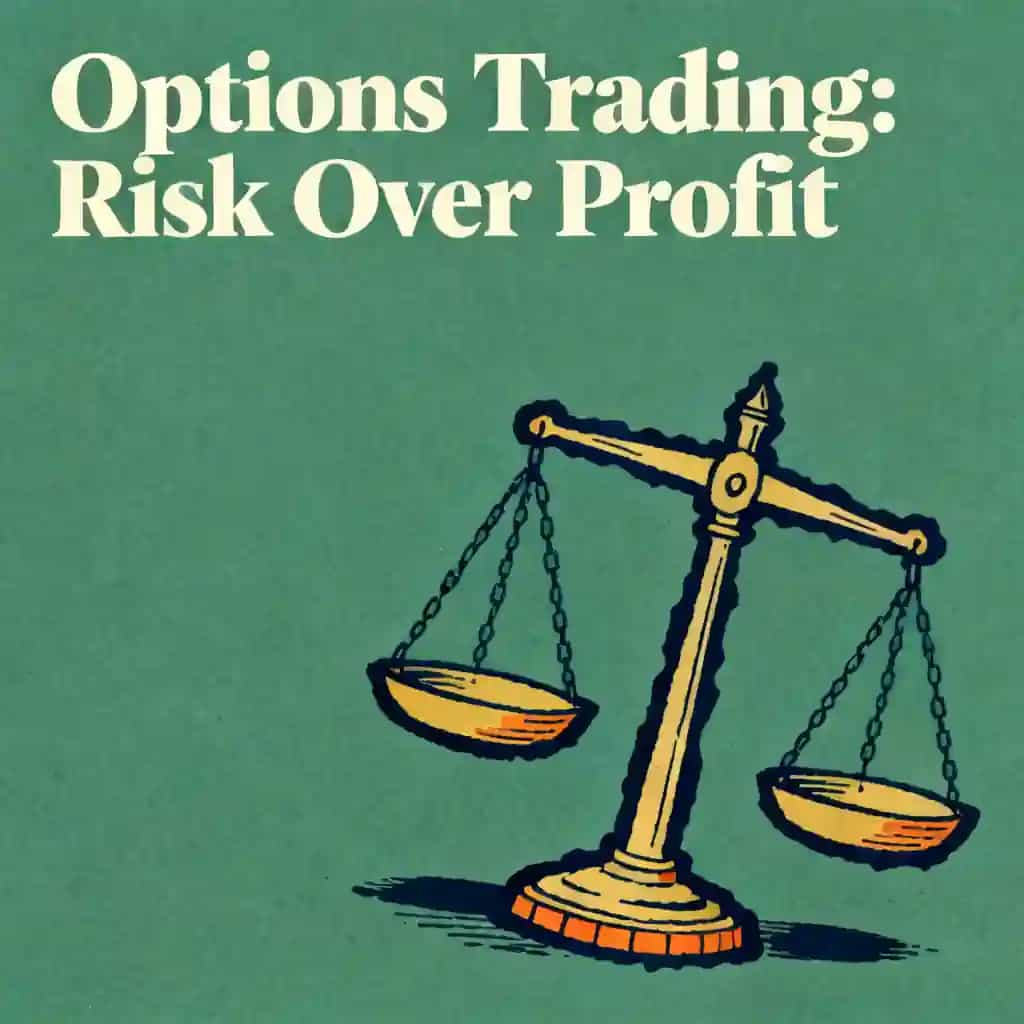
The 1% Rule is a risk management strategy where a trader never risks more than 1% of their total account equity on a single trade. This does not mean the total investment is limited to 1%; rather, it means the "dollar risk"—the amount lost if a stop-loss order is triggered—is capped at 1%. This mathematical approach ensures that a trader can survive a long string of losses without depleting their capital, turning trading into a series of manageable experiments rather than a high-stakes gamble.
Trading strategies are categorized by their duration and technical requirements. Level one is "HODLing" (position trading), which focuses on long-term macro shifts over months or years and requires only a secure wallet. Level two is swing trading, where positions are held for days or weeks to catch trend momentums. Level three is day trading, which involves opening and closing positions within 24 hours to avoid overnight market gaps. Finally, level four is scalping, an elite strategy involving trades that last seconds or minutes; this level requires high-end infrastructure and sub-millisecond execution speeds to exploit tiny price imbalances.
Liquidity refers to the "depth" of a market; a deep pool allows for large trades without significant price changes, while a shallow pool causes volatility. Slippage is the difference between the expected price of a trade and the actual price at which it executes. On decentralized exchanges (DEXs) using Automated Market Makers, large trades can push the price against the trader instantly. To combat this, professionals use DEX aggregators to split orders across multiple pools and minimize the "invisible" costs of price impact.
A tiered storage strategy balances accessibility with security by dividing funds based on their use. For active trading, funds are kept on highly secure, regulated exchanges that offer multi-factor authentication and proof of reserves. For long-term holdings (the "HODL" stash), funds are moved to "cold storage" using hardware wallets like Ledger or Trezor. These physical devices keep private keys offline, protecting the bulk of a user's savings from exchange insolvency, hacks, or phishing attacks.
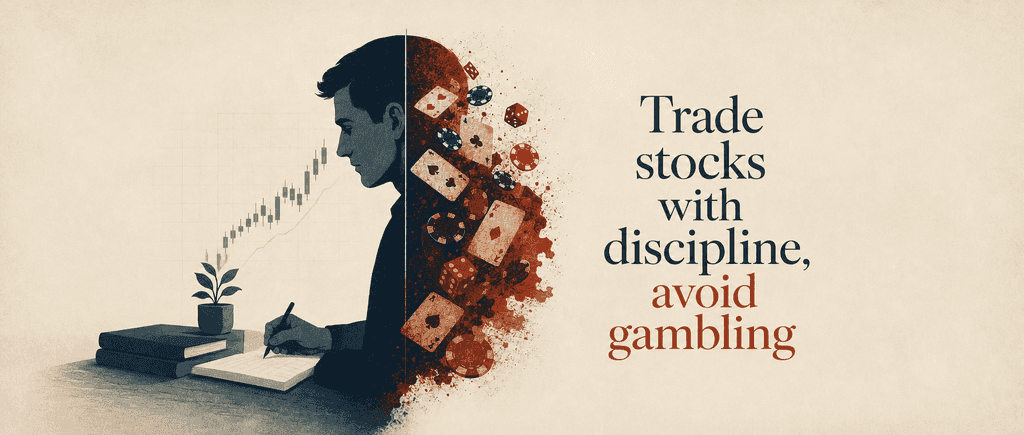
Managing the internal market involves combatting psychological traps like FOMO (Fear of Missing Out) and FUD (Fear, Uncertainty, and Doubt). The script recommends keeping a "Trading Journal" to record the emotional rationale behind trades, which helps identify when "gut feelings" lead to losses. Additionally, traders should implement a "Stop-Trading Protocol," such as a daily loss limit, to prevent "revenge trading." By following a pre-flight checklist and focusing on discipline over being "right," traders can maintain the emotional neutrality necessary for long-term consistency.
Criado por ex-alunos da Universidade de Columbia em San Francisco
"Instead of endless scrolling, I just hit play on BeFreed. It saves me so much time."


"I never knew where to start with nonfiction—BeFreed’s book lists turned into podcasts gave me a clear path."


"Perfect balance between learning and entertainment. Finished ‘Thinking, Fast and Slow’ on my commute this week."
"Crazy how much I learned while walking the dog. BeFreed = small habits → big gains."
"Reading used to feel like a chore. Now it’s just part of my lifestyle."

"Feels effortless compared to reading. I’ve finished 6 books this month already."
"BeFreed turned my guilty doomscrolling into something that feels productive and inspiring."

"BeFreed turned my commute into learning time. 20-min podcasts are perfect for finishing books I never had time for."
"BeFreed replaced my podcast queue. Imagine Spotify for books — that’s it. 🙌"

"It is great for me to learn something from the book without reading it."
"The themed book list podcasts help me connect ideas across authors—like a guided audio journey."
"Makes me feel smarter every time before going to work"
Criado por ex-alunos da Universidade de Columbia em San Francisco
"Instead of endless scrolling, I just hit play on BeFreed. It saves me so much time."
"I never knew where to start with nonfiction—BeFreed’s book lists turned into podcasts gave me a clear path."
"Perfect balance between learning and entertainment. Finished ‘Thinking, Fast and Slow’ on my commute this week."
"Crazy how much I learned while walking the dog. BeFreed = small habits → big gains."
"Reading used to feel like a chore. Now it’s just part of my lifestyle."
"Feels effortless compared to reading. I’ve finished 6 books this month already."
"BeFreed turned my guilty doomscrolling into something that feels productive and inspiring."
"BeFreed turned my commute into learning time. 20-min podcasts are perfect for finishing books I never had time for."
"BeFreed replaced my podcast queue. Imagine Spotify for books — that’s it. 🙌"
"It is great for me to learn something from the book without reading it."
"The themed book list podcasts help me connect ideas across authors—like a guided audio journey."
"Makes me feel smarter every time before going to work"
"Instead of endless scrolling, I just hit play on BeFreed. It saves me so much time."
"I never knew where to start with nonfiction—BeFreed’s book lists turned into podcasts gave me a clear path."
"Perfect balance between learning and entertainment. Finished ‘Thinking, Fast and Slow’ on my commute this week."
"Crazy how much I learned while walking the dog. BeFreed = small habits → big gains."
"Reading used to feel like a chore. Now it’s just part of my lifestyle."
"Feels effortless compared to reading. I’ve finished 6 books this month already."
"BeFreed turned my guilty doomscrolling into something that feels productive and inspiring."
"BeFreed turned my commute into learning time. 20-min podcasts are perfect for finishing books I never had time for."
"BeFreed replaced my podcast queue. Imagine Spotify for books — that’s it. 🙌"
"It is great for me to learn something from the book without reading it."
"The themed book list podcasts help me connect ideas across authors—like a guided audio journey."
"Makes me feel smarter every time before going to work"
"Instead of endless scrolling, I just hit play on BeFreed. It saves me so much time."
"I never knew where to start with nonfiction—BeFreed’s book lists turned into podcasts gave me a clear path."
"Perfect balance between learning and entertainment. Finished ‘Thinking, Fast and Slow’ on my commute this week."
"Crazy how much I learned while walking the dog. BeFreed = small habits → big gains."
"Reading used to feel like a chore. Now it’s just part of my lifestyle."
"Feels effortless compared to reading. I’ve finished 6 books this month already."
"BeFreed turned my guilty doomscrolling into something that feels productive and inspiring."
"BeFreed turned my commute into learning time. 20-min podcasts are perfect for finishing books I never had time for."
"BeFreed replaced my podcast queue. Imagine Spotify for books — that’s it. 🙌"
"It is great for me to learn something from the book without reading it."
"The themed book list podcasts help me connect ideas across authors—like a guided audio journey."
"Makes me feel smarter every time before going to work"