Cracking the 21 Triggers of Human Desire
Explore the science of 'desire codes' and responsive triggers. Learn how to move beyond spontaneous sparks to master the 21 psychological accelerators that drive intimacy and connection.

Melhor citação de Cracking the 21 Triggers of Human Desire
We are these highly complex biological machines running on ancient software; whether we are clicking 'buy' on a luxury watch or choosing a partner, we are navigating a social hierarchy that was established millions of years ago.
Generated by Wiser then you realize
The 21 triggers of Desire

Perguntas frequentes
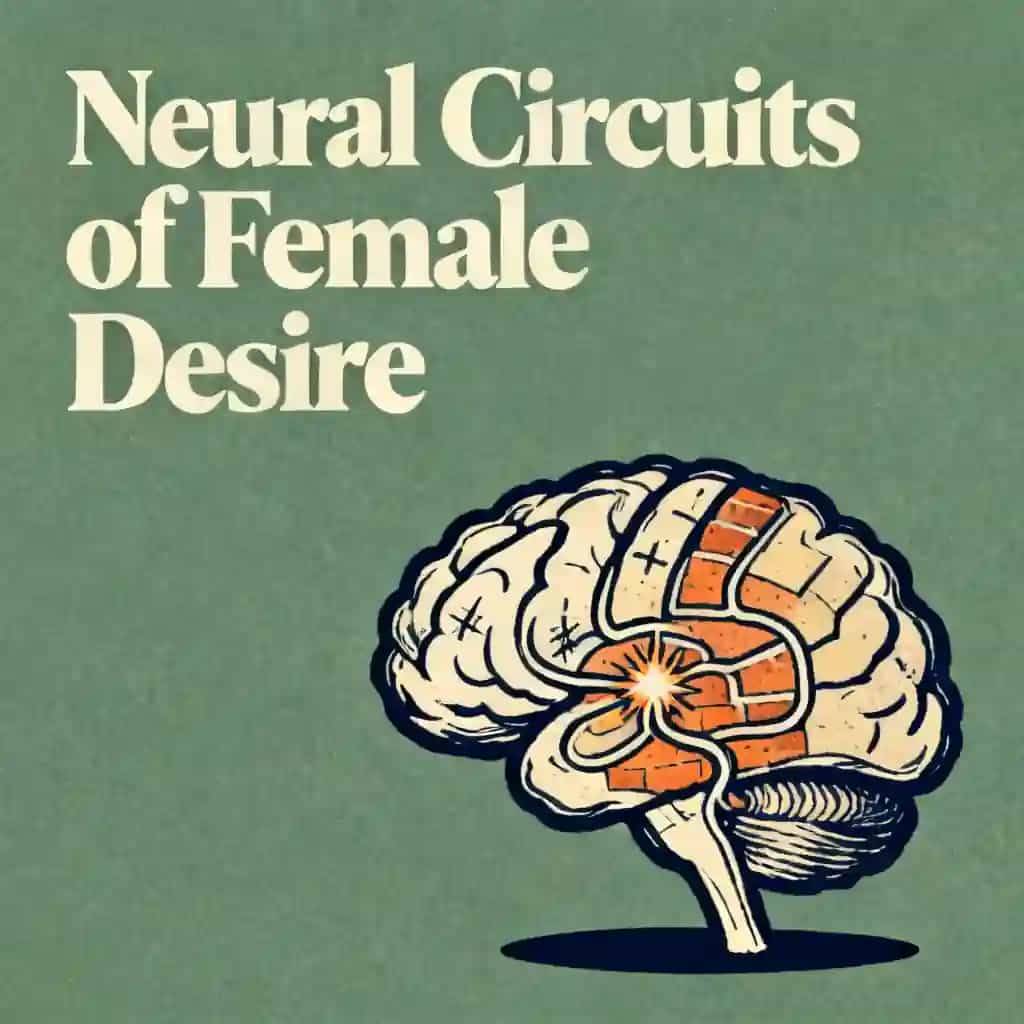
While popular culture often portrays desire as a "lightning bolt" that strikes out of nowhere, research from 2024 shows that this spontaneous experience is not universal. For a significant portion of the population—specifically about 30% of women compared to 5% of men—desire is "responsive." This means it does not happen automatically but requires a specific trigger, context, or emotional "accelerator" to be activated.
The Scarcity Principle is an evolutionary survival mechanism rooted in the brain's limbic core. In ancestral times, limited resources like food required immediate action for survival; today, digital cues like "only two left in stock" trigger the same panic response in the amygdala. This bypasses logical reasoning and can significantly increase the urge to acquire an item, with studies showing it can boost purchase intent by over 200%.
The SEEKING system, defined by researcher Jaak Panksepp, is a restless, dopamine-fueled urge to explore and forage. Contrary to popular belief, dopamine is not just about the reward itself, but the anticipation of the reward. This system is highly active when individuals have a clear, concrete target to pursue. Providing a specific "mission" or goal triggers this system, creating a sense of progress and success that feeds into a loop of desire and commitment.
Social Proof is based on the ancestral need for tribal belonging, where being exiled from a group was a death sentence. Humans are naturally wired to follow the crowd as a survival strategy to maintain status and safety. In a modern context, people look for social cues—such as who else is using a product or who is endorsing it—as a mental shortcut to assign value and reduce the perceived risk of a decision.
While many believe they must appear perfect to be attractive or professional, perfection often feels fake and intimidating. Radical transparency about mistakes or journeys humanizes a person or brand, building credibility and lowering the listener's guard. This honesty triggers the release of oxytocin, the "bonding molecule," which promotes long-term attachment and trust rather than just a short-term dopamine hit.
Criado por ex-alunos da Universidade de Columbia em San Francisco
"Instead of endless scrolling, I just hit play on BeFreed. It saves me so much time."


"I never knew where to start with nonfiction—BeFreed’s book lists turned into podcasts gave me a clear path."


"Perfect balance between learning and entertainment. Finished ‘Thinking, Fast and Slow’ on my commute this week."
"Crazy how much I learned while walking the dog. BeFreed = small habits → big gains."
"Reading used to feel like a chore. Now it’s just part of my lifestyle."

"Feels effortless compared to reading. I’ve finished 6 books this month already."
"BeFreed turned my guilty doomscrolling into something that feels productive and inspiring."

"BeFreed turned my commute into learning time. 20-min podcasts are perfect for finishing books I never had time for."
"BeFreed replaced my podcast queue. Imagine Spotify for books — that’s it. 🙌"

"It is great for me to learn something from the book without reading it."
"The themed book list podcasts help me connect ideas across authors—like a guided audio journey."
"Makes me feel smarter every time before going to work"
Criado por ex-alunos da Universidade de Columbia em San Francisco
"Instead of endless scrolling, I just hit play on BeFreed. It saves me so much time."
"I never knew where to start with nonfiction—BeFreed’s book lists turned into podcasts gave me a clear path."
"Perfect balance between learning and entertainment. Finished ‘Thinking, Fast and Slow’ on my commute this week."
"Crazy how much I learned while walking the dog. BeFreed = small habits → big gains."
"Reading used to feel like a chore. Now it’s just part of my lifestyle."
"Feels effortless compared to reading. I’ve finished 6 books this month already."
"BeFreed turned my guilty doomscrolling into something that feels productive and inspiring."
"BeFreed turned my commute into learning time. 20-min podcasts are perfect for finishing books I never had time for."
"BeFreed replaced my podcast queue. Imagine Spotify for books — that’s it. 🙌"
"It is great for me to learn something from the book without reading it."
"The themed book list podcasts help me connect ideas across authors—like a guided audio journey."
"Makes me feel smarter every time before going to work"
"Instead of endless scrolling, I just hit play on BeFreed. It saves me so much time."
"I never knew where to start with nonfiction—BeFreed’s book lists turned into podcasts gave me a clear path."
"Perfect balance between learning and entertainment. Finished ‘Thinking, Fast and Slow’ on my commute this week."
"Crazy how much I learned while walking the dog. BeFreed = small habits → big gains."
"Reading used to feel like a chore. Now it’s just part of my lifestyle."
"Feels effortless compared to reading. I’ve finished 6 books this month already."
"BeFreed turned my guilty doomscrolling into something that feels productive and inspiring."
"BeFreed turned my commute into learning time. 20-min podcasts are perfect for finishing books I never had time for."
"BeFreed replaced my podcast queue. Imagine Spotify for books — that’s it. 🙌"
"It is great for me to learn something from the book without reading it."
"The themed book list podcasts help me connect ideas across authors—like a guided audio journey."
"Makes me feel smarter every time before going to work"
"Instead of endless scrolling, I just hit play on BeFreed. It saves me so much time."
"I never knew where to start with nonfiction—BeFreed’s book lists turned into podcasts gave me a clear path."
"Perfect balance between learning and entertainment. Finished ‘Thinking, Fast and Slow’ on my commute this week."
"Crazy how much I learned while walking the dog. BeFreed = small habits → big gains."
"Reading used to feel like a chore. Now it’s just part of my lifestyle."
"Feels effortless compared to reading. I’ve finished 6 books this month already."
"BeFreed turned my guilty doomscrolling into something that feels productive and inspiring."
"BeFreed turned my commute into learning time. 20-min podcasts are perfect for finishing books I never had time for."
"BeFreed replaced my podcast queue. Imagine Spotify for books — that’s it. 🙌"
"It is great for me to learn something from the book without reading it."
"The themed book list podcasts help me connect ideas across authors—like a guided audio journey."
"Makes me feel smarter every time before going to work"