Chokepoints: Navigating Geopolitical Risk and Global Supply Chains
Explore how geopolitical risk and maritime chokepoints like the Strait of Hormuz impact global supply chains and your daily life in this insightful podcast episode.

Melhor citação de Chokepoints: Navigating Geopolitical Risk and Global Supply Chains
Business success today isn’t just about making a great product; it’s about understanding these three-dimensional risks—knowing how to reroute, replace, and substitute when the path ahead suddenly closes.
Generated by Vitto
Teach a supply-chain risk method for chokepoints and geopolitical shocks. Use the reported cargo ship strike in the Strait of Hormuz as a case study, and give me three warning signals, second-order effects, and contingency actions.






Perguntas frequentes
Chokepoints are tiny, high-pressure geographic points on the map that act as critical junctions for the global economy. When these areas are pinched by conflict or accidents, the resulting ripple effects impact everything from the price of coffee to the availability of fuel and technology. Understanding these points is essential for navigating geopolitical risk, as they represent fragile links in the web of geography and trust that powers our daily routines.
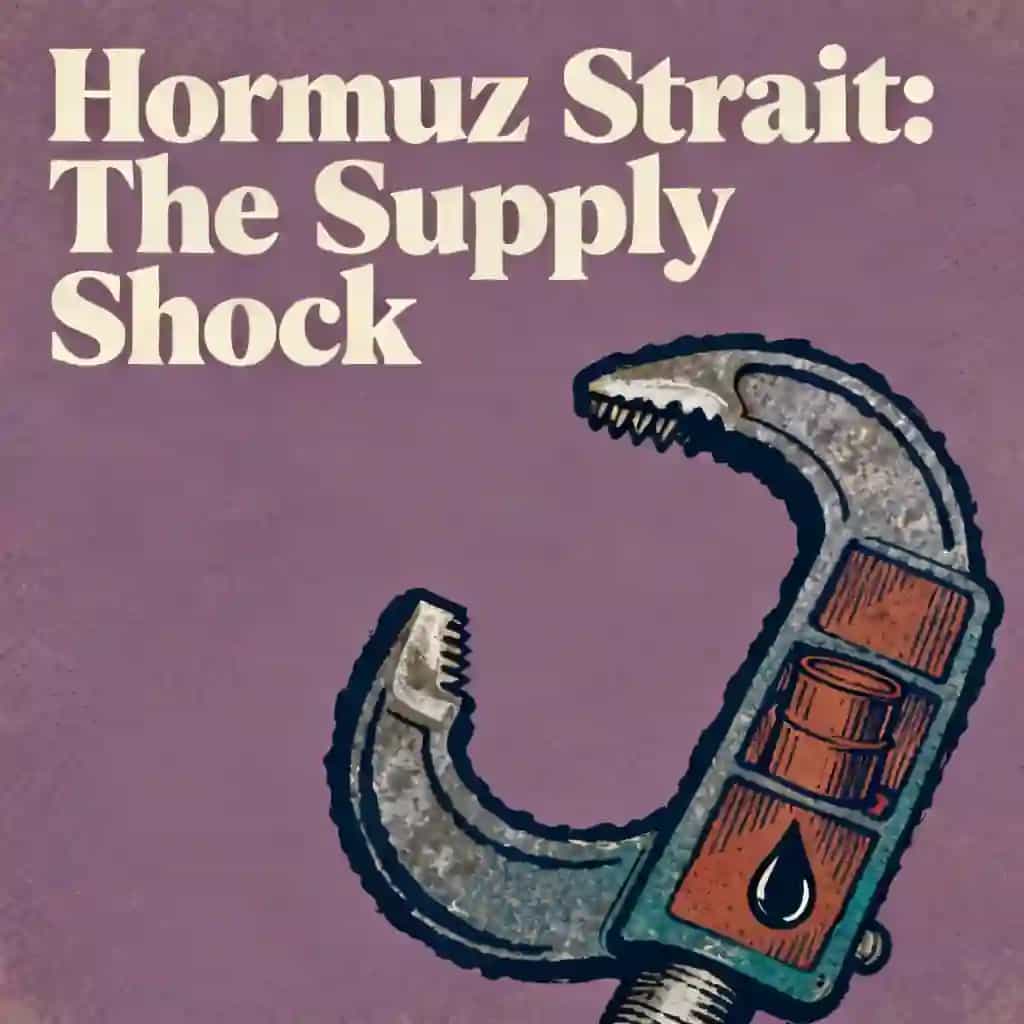
Incidents in the Strait of Hormuz, such as a cargo ship being struck by a projectile, serve as a loud alarm for global supply chain stability. These events create immediate disruptions that move beyond the water, influencing bank accounts and business operations worldwide. Because so much of the global economy relies on these narrow passages, maritime security threats in the Strait of Hormuz force businesses to confront the precarious nature of modern trade routes.
Business success today requires a deep understanding of three-dimensional risks and proactive business risk management. Companies must learn how to reroute, replace, and substitute resources when a primary path suddenly closes due to a geopolitical crisis. While many noneconomic shocks have temporary effects, shocks at major chokepoints require strategic planning to ensure that the flow of goods—from microchips to raw materials—remains resilient in a complicated and shrinking world.
Criado por ex-alunos da Universidade de Columbia em San Francisco
"Instead of endless scrolling, I just hit play on BeFreed. It saves me so much time."


"I never knew where to start with nonfiction—BeFreed’s book lists turned into podcasts gave me a clear path."


"Perfect balance between learning and entertainment. Finished ‘Thinking, Fast and Slow’ on my commute this week."
"Crazy how much I learned while walking the dog. BeFreed = small habits → big gains."
"Reading used to feel like a chore. Now it’s just part of my lifestyle."

"Feels effortless compared to reading. I’ve finished 6 books this month already."
"BeFreed turned my guilty doomscrolling into something that feels productive and inspiring."

"BeFreed turned my commute into learning time. 20-min podcasts are perfect for finishing books I never had time for."
"BeFreed replaced my podcast queue. Imagine Spotify for books — that’s it. 🙌"

"It is great for me to learn something from the book without reading it."
"The themed book list podcasts help me connect ideas across authors—like a guided audio journey."
"Makes me feel smarter every time before going to work"
Criado por ex-alunos da Universidade de Columbia em San Francisco
"Instead of endless scrolling, I just hit play on BeFreed. It saves me so much time."
"I never knew where to start with nonfiction—BeFreed’s book lists turned into podcasts gave me a clear path."
"Perfect balance between learning and entertainment. Finished ‘Thinking, Fast and Slow’ on my commute this week."
"Crazy how much I learned while walking the dog. BeFreed = small habits → big gains."
"Reading used to feel like a chore. Now it’s just part of my lifestyle."
"Feels effortless compared to reading. I’ve finished 6 books this month already."
"BeFreed turned my guilty doomscrolling into something that feels productive and inspiring."
"BeFreed turned my commute into learning time. 20-min podcasts are perfect for finishing books I never had time for."
"BeFreed replaced my podcast queue. Imagine Spotify for books — that’s it. 🙌"
"It is great for me to learn something from the book without reading it."
"The themed book list podcasts help me connect ideas across authors—like a guided audio journey."
"Makes me feel smarter every time before going to work"
"Instead of endless scrolling, I just hit play on BeFreed. It saves me so much time."
"I never knew where to start with nonfiction—BeFreed’s book lists turned into podcasts gave me a clear path."
"Perfect balance between learning and entertainment. Finished ‘Thinking, Fast and Slow’ on my commute this week."
"Crazy how much I learned while walking the dog. BeFreed = small habits → big gains."
"Reading used to feel like a chore. Now it’s just part of my lifestyle."
"Feels effortless compared to reading. I’ve finished 6 books this month already."
"BeFreed turned my guilty doomscrolling into something that feels productive and inspiring."
"BeFreed turned my commute into learning time. 20-min podcasts are perfect for finishing books I never had time for."
"BeFreed replaced my podcast queue. Imagine Spotify for books — that’s it. 🙌"
"It is great for me to learn something from the book without reading it."
"The themed book list podcasts help me connect ideas across authors—like a guided audio journey."
"Makes me feel smarter every time before going to work"
"Instead of endless scrolling, I just hit play on BeFreed. It saves me so much time."
"I never knew where to start with nonfiction—BeFreed’s book lists turned into podcasts gave me a clear path."
"Perfect balance between learning and entertainment. Finished ‘Thinking, Fast and Slow’ on my commute this week."
"Crazy how much I learned while walking the dog. BeFreed = small habits → big gains."
"Reading used to feel like a chore. Now it’s just part of my lifestyle."
"Feels effortless compared to reading. I’ve finished 6 books this month already."
"BeFreed turned my guilty doomscrolling into something that feels productive and inspiring."
"BeFreed turned my commute into learning time. 20-min podcasts are perfect for finishing books I never had time for."
"BeFreed replaced my podcast queue. Imagine Spotify for books — that’s it. 🙌"
"It is great for me to learn something from the book without reading it."
"The themed book list podcasts help me connect ideas across authors—like a guided audio journey."
"Makes me feel smarter every time before going to work"