Breaking the Shame Spiral: Rewire Your Brain for Focus
Discover why procrastination and porn are nervous system responses rather than character flaws. Learn practical neurological shifts to break the habit loop and reclaim your confidence and drive.

Melhor citação de Breaking the Shame Spiral: Rewire Your Brain for Focus
Confidence isn't just a feeling we conjure out of thin air; it’s actually built on the 'Confidence-Competence Loop.' When you set a goal and achieve it—even a tiny one—your brain releases a natural hit of dopamine that reinforces the belief: 'I am someone who can do what I say I’m going to do.'
Generated by Siir
I want to stop procrastination and pornography and laziness which affect my growth and confidence

Perguntas frequentes
According to the script, what we often call "laziness" is actually a "motivation drain" caused by a desensitized reward system. When the brain is frequently exposed to "supernormal stimuli"—like pornography or instant digital gratification—it releases massive spikes of dopamine. To protect itself, the brain "downregulates" by reducing the sensitivity of its dopamine receptors. This creates a "reward deficit" where normal, healthy tasks like working on a project or having a conversation feel dull and unrewarding because they don't meet the high threshold for pleasure the brain has grown used to.
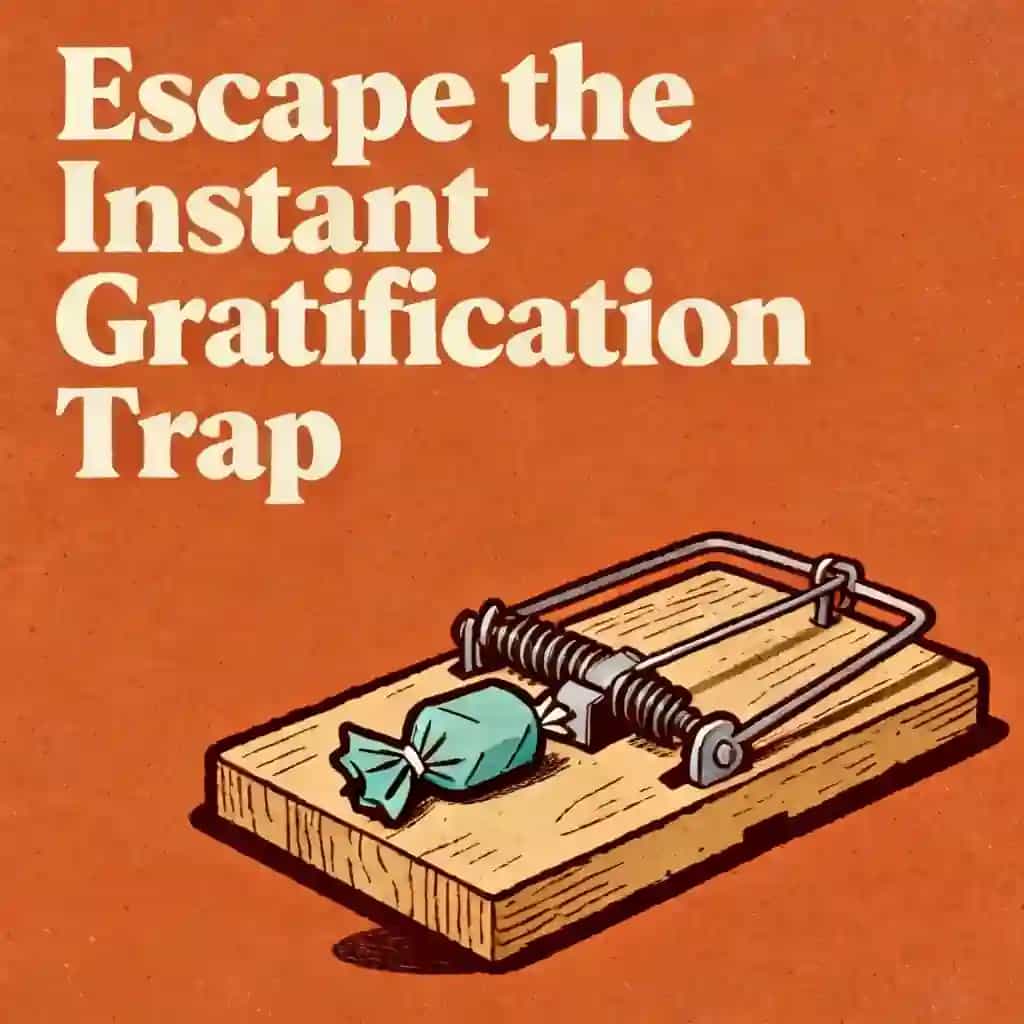
Procrastination is framed as a nervous system response rather than a character flaw. It often occurs when the brain's "brakes" (the prefrontal cortex) are weakened and the "accelerator" (the reward system) is overactive. When faced with a stressful or difficult task, the brain seeks the fastest route to emotional relief. Procrastination is simply the brain choosing an easy dopamine hit—like scrolling social media—to escape the immediate "threat" of stress or overwhelm.
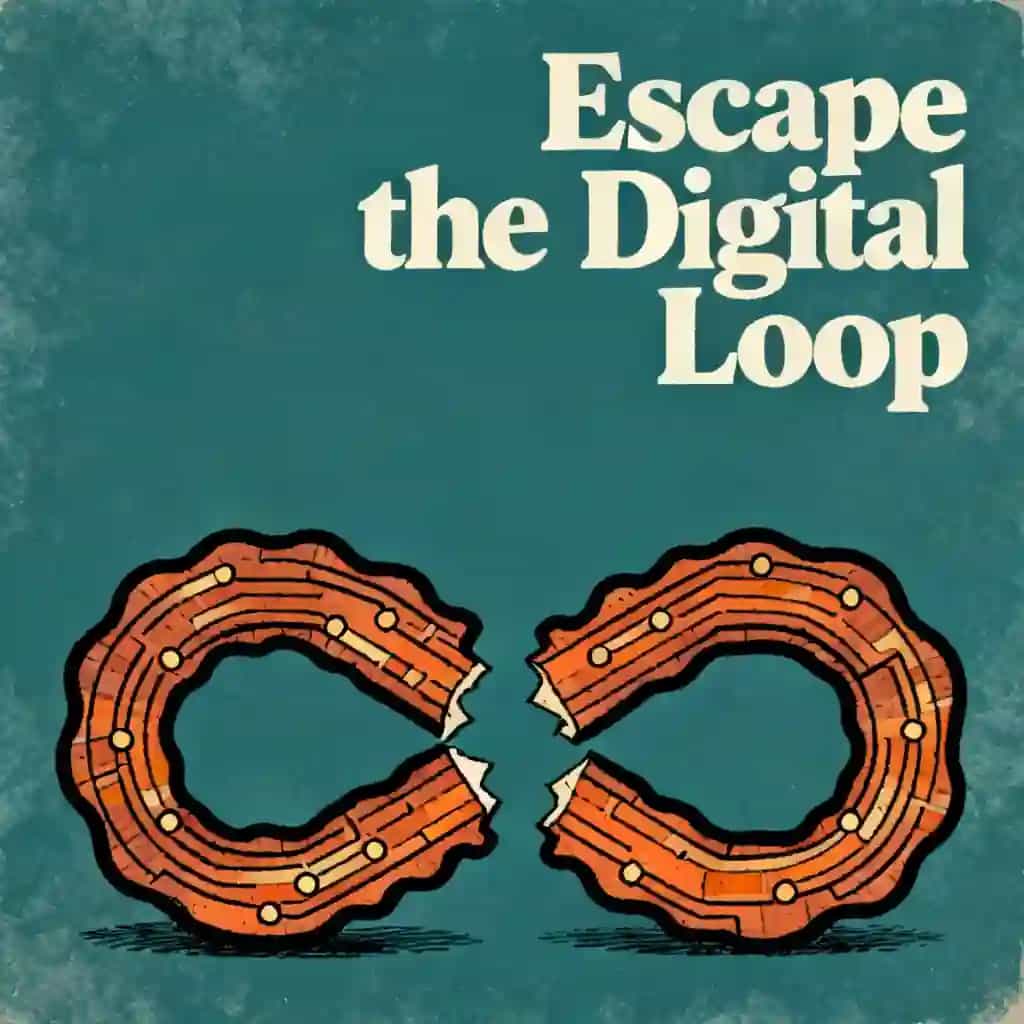
A dopamine hangover is a physiological state of "homeostasis" where the brain aggressively dips dopamine levels below the normal baseline to compensate for a previous massive spike. This "valley" results in feelings of irritability, anxiety, and mental fatigue. Because the brain knows that the fastest way to escape this painful low is another high-intensity "mountain" of dopamine, people often return to the very habits they are trying to quit just to feel normal again, creating a self-perpetuating cycle.
You can strengthen your prefrontal cortex—the brain's braking system—through "reps" of mindful awareness and small wins. One practical method is the "Two-Minute Rule," where you commit to a difficult task for just two minutes to engage the prefrontal cortex and lower the initial stress response. Additionally, practicing curiosity instead of shame when an urge arises keeps the prefrontal cortex active. Every time you pause to acknowledge an urge without immediately acting on it, you are physically strengthening the neural pathways responsible for impulse control.
Confidence is built on "honest dopamine," which is the natural chemical reward the brain releases when you set a goal and achieve it. This reinforces the biological belief that you are a person who can follow through on your intentions. Conversely, "cheap dopamine" from instant gratification provides the hit without the effort, which leads to a "negative self-schema" and lower self-esteem. By stacking small, integrity-based wins, you re-train your brain to trust your own leadership, which is the foundation of real confidence.
Criado por ex-alunos da Universidade de Columbia em San Francisco
"Instead of endless scrolling, I just hit play on BeFreed. It saves me so much time."


"I never knew where to start with nonfiction—BeFreed’s book lists turned into podcasts gave me a clear path."


"Perfect balance between learning and entertainment. Finished ‘Thinking, Fast and Slow’ on my commute this week."
"Crazy how much I learned while walking the dog. BeFreed = small habits → big gains."
"Reading used to feel like a chore. Now it’s just part of my lifestyle."

"Feels effortless compared to reading. I’ve finished 6 books this month already."
"BeFreed turned my guilty doomscrolling into something that feels productive and inspiring."

"BeFreed turned my commute into learning time. 20-min podcasts are perfect for finishing books I never had time for."
"BeFreed replaced my podcast queue. Imagine Spotify for books — that’s it. 🙌"

"It is great for me to learn something from the book without reading it."
"The themed book list podcasts help me connect ideas across authors—like a guided audio journey."
"Makes me feel smarter every time before going to work"
Criado por ex-alunos da Universidade de Columbia em San Francisco
"Instead of endless scrolling, I just hit play on BeFreed. It saves me so much time."
"I never knew where to start with nonfiction—BeFreed’s book lists turned into podcasts gave me a clear path."
"Perfect balance between learning and entertainment. Finished ‘Thinking, Fast and Slow’ on my commute this week."
"Crazy how much I learned while walking the dog. BeFreed = small habits → big gains."
"Reading used to feel like a chore. Now it’s just part of my lifestyle."
"Feels effortless compared to reading. I’ve finished 6 books this month already."
"BeFreed turned my guilty doomscrolling into something that feels productive and inspiring."
"BeFreed turned my commute into learning time. 20-min podcasts are perfect for finishing books I never had time for."
"BeFreed replaced my podcast queue. Imagine Spotify for books — that’s it. 🙌"
"It is great for me to learn something from the book without reading it."
"The themed book list podcasts help me connect ideas across authors—like a guided audio journey."
"Makes me feel smarter every time before going to work"
"Instead of endless scrolling, I just hit play on BeFreed. It saves me so much time."
"I never knew where to start with nonfiction—BeFreed’s book lists turned into podcasts gave me a clear path."
"Perfect balance between learning and entertainment. Finished ‘Thinking, Fast and Slow’ on my commute this week."
"Crazy how much I learned while walking the dog. BeFreed = small habits → big gains."
"Reading used to feel like a chore. Now it’s just part of my lifestyle."
"Feels effortless compared to reading. I’ve finished 6 books this month already."
"BeFreed turned my guilty doomscrolling into something that feels productive and inspiring."
"BeFreed turned my commute into learning time. 20-min podcasts are perfect for finishing books I never had time for."
"BeFreed replaced my podcast queue. Imagine Spotify for books — that’s it. 🙌"
"It is great for me to learn something from the book without reading it."
"The themed book list podcasts help me connect ideas across authors—like a guided audio journey."
"Makes me feel smarter every time before going to work"
"Instead of endless scrolling, I just hit play on BeFreed. It saves me so much time."
"I never knew where to start with nonfiction—BeFreed’s book lists turned into podcasts gave me a clear path."
"Perfect balance between learning and entertainment. Finished ‘Thinking, Fast and Slow’ on my commute this week."
"Crazy how much I learned while walking the dog. BeFreed = small habits → big gains."
"Reading used to feel like a chore. Now it’s just part of my lifestyle."
"Feels effortless compared to reading. I’ve finished 6 books this month already."
"BeFreed turned my guilty doomscrolling into something that feels productive and inspiring."
"BeFreed turned my commute into learning time. 20-min podcasts are perfect for finishing books I never had time for."
"BeFreed replaced my podcast queue. Imagine Spotify for books — that’s it. 🙌"
"It is great for me to learn something from the book without reading it."
"The themed book list podcasts help me connect ideas across authors—like a guided audio journey."
"Makes me feel smarter every time before going to work"