Breaking the Loop: Escaping the Mental Treadmill
Discover why your brain gets stuck on repeat and learn practical neuroplasticity tools to stop overthinking and reclaim your mental energy.

Melhor citação de Breaking the Loop: Escaping the Mental Treadmill
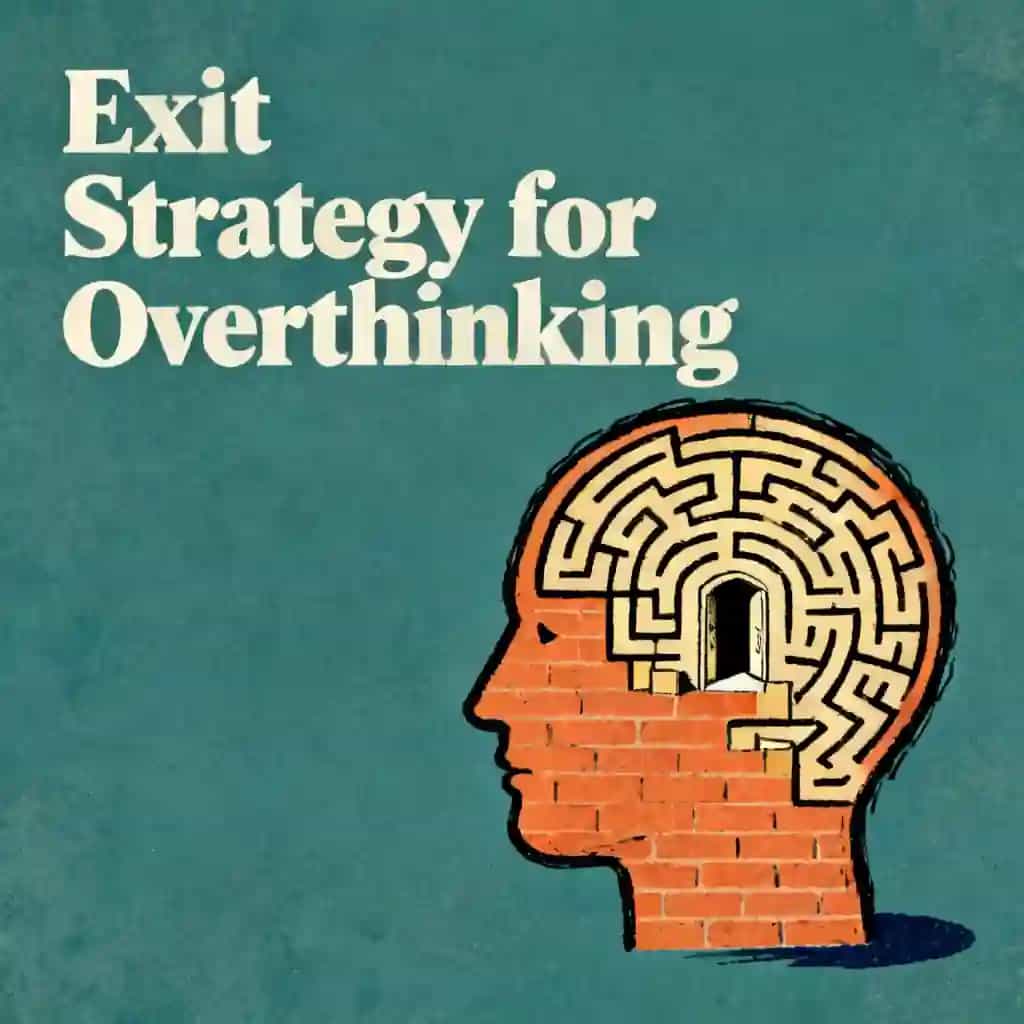
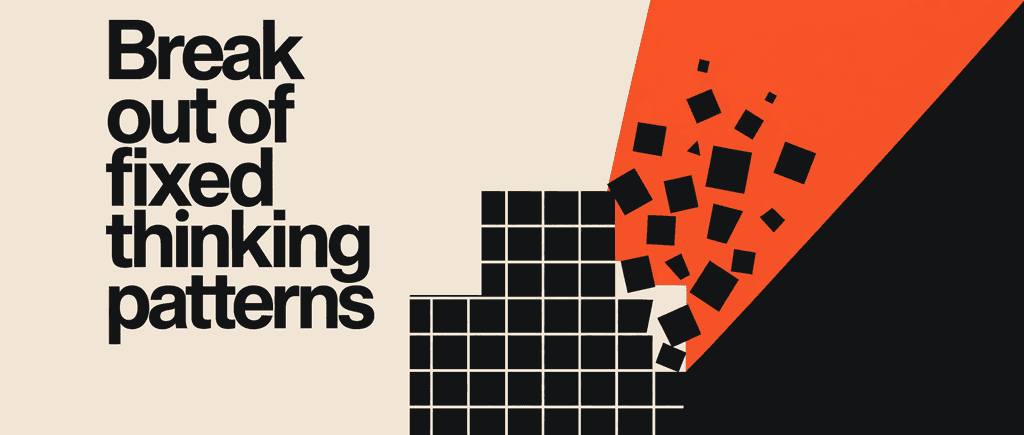
Rumination is a mental cage that feels like problem-solving, but it's actually just a passive loop that drains your energy without moving you forward. Productive reflection is curious and forward-moving, while rumination is self-attacking, unchanging, and acts as the engine that keeps mental distress running.
Generated by Freedee_C80FE9AB
So u are actually feeding that thought or loop

Perguntas frequentes
The primary difference lies in whether the thinking is active or passive. Productive reflection is curious, flexible, and forward-moving, often focusing on "how" to solve a problem or what can be learned from an experience. In contrast, rumination is a "mental cage" characterized by repetitive, passive thoughts about the causes and consequences of distress. While reflection leads to acceptance or solutions, rumination typically involves self-attacking "why" questions that leave a person feeling more depleted and stressed than when they started.
The brain actually believes these loops are helpful because they provide a false sense of control. When the amygdala detects a threat—such as a social mistake or a work error—the Default Mode Network (DMN) creates a narrative to analyze it. This "analysis" triggers a small hit of dopamine because the brain feels like it is doing productive work to resolve the threat. Over time, these patterns become "neural highways," making it physically easier for the brain to slide into a familiar loop than to find a new way of thinking.
The H-EX-A-GO-N model identifies five factors that keep a person stuck in a mental loop: Habit (automatic responses), Executive control deficits (an inability to switch off thoughts), Abstract processing (focusing on unanswerable "why" questions), Goal discrepancies (the gap between current reality and a desired outcome), and Negative bias (the belief that analyzing the problem is helpful). This framework demonstrates that rumination is a complex system of habits and biological processes rather than a simple character flaw, which is why "just stopping" is rarely effective.
One of the most effective "emergency breaks" is the 3-3-3 Reset, which involves naming three things you see, three sounds you hear, and moving three parts of your body. This forces the brain to process external sensory data, which helps shut down the internal storyteller. Other strategies include "Scheduled Worry Time," where you limit rumination to a specific fifteen-minute window, and practicing "Maybe, Maybe Not," which trains the brain to tolerate uncertainty rather than endlessly seeking reassurance for "what if" scenarios.
Criado por ex-alunos da Universidade de Columbia em San Francisco
"Instead of endless scrolling, I just hit play on BeFreed. It saves me so much time."


"I never knew where to start with nonfiction—BeFreed’s book lists turned into podcasts gave me a clear path."


"Perfect balance between learning and entertainment. Finished ‘Thinking, Fast and Slow’ on my commute this week."
"Crazy how much I learned while walking the dog. BeFreed = small habits → big gains."
"Reading used to feel like a chore. Now it’s just part of my lifestyle."

"Feels effortless compared to reading. I’ve finished 6 books this month already."
"BeFreed turned my guilty doomscrolling into something that feels productive and inspiring."

"BeFreed turned my commute into learning time. 20-min podcasts are perfect for finishing books I never had time for."
"BeFreed replaced my podcast queue. Imagine Spotify for books — that’s it. 🙌"

"It is great for me to learn something from the book without reading it."
"The themed book list podcasts help me connect ideas across authors—like a guided audio journey."
"Makes me feel smarter every time before going to work"
Criado por ex-alunos da Universidade de Columbia em San Francisco
"Instead of endless scrolling, I just hit play on BeFreed. It saves me so much time."
"I never knew where to start with nonfiction—BeFreed’s book lists turned into podcasts gave me a clear path."
"Perfect balance between learning and entertainment. Finished ‘Thinking, Fast and Slow’ on my commute this week."
"Crazy how much I learned while walking the dog. BeFreed = small habits → big gains."
"Reading used to feel like a chore. Now it’s just part of my lifestyle."
"Feels effortless compared to reading. I’ve finished 6 books this month already."
"BeFreed turned my guilty doomscrolling into something that feels productive and inspiring."
"BeFreed turned my commute into learning time. 20-min podcasts are perfect for finishing books I never had time for."
"BeFreed replaced my podcast queue. Imagine Spotify for books — that’s it. 🙌"
"It is great for me to learn something from the book without reading it."
"The themed book list podcasts help me connect ideas across authors—like a guided audio journey."
"Makes me feel smarter every time before going to work"
"Instead of endless scrolling, I just hit play on BeFreed. It saves me so much time."
"I never knew where to start with nonfiction—BeFreed’s book lists turned into podcasts gave me a clear path."
"Perfect balance between learning and entertainment. Finished ‘Thinking, Fast and Slow’ on my commute this week."
"Crazy how much I learned while walking the dog. BeFreed = small habits → big gains."
"Reading used to feel like a chore. Now it’s just part of my lifestyle."
"Feels effortless compared to reading. I’ve finished 6 books this month already."
"BeFreed turned my guilty doomscrolling into something that feels productive and inspiring."
"BeFreed turned my commute into learning time. 20-min podcasts are perfect for finishing books I never had time for."
"BeFreed replaced my podcast queue. Imagine Spotify for books — that’s it. 🙌"
"It is great for me to learn something from the book without reading it."
"The themed book list podcasts help me connect ideas across authors—like a guided audio journey."
"Makes me feel smarter every time before going to work"
"Instead of endless scrolling, I just hit play on BeFreed. It saves me so much time."
"I never knew where to start with nonfiction—BeFreed’s book lists turned into podcasts gave me a clear path."
"Perfect balance between learning and entertainment. Finished ‘Thinking, Fast and Slow’ on my commute this week."
"Crazy how much I learned while walking the dog. BeFreed = small habits → big gains."
"Reading used to feel like a chore. Now it’s just part of my lifestyle."
"Feels effortless compared to reading. I’ve finished 6 books this month already."
"BeFreed turned my guilty doomscrolling into something that feels productive and inspiring."
"BeFreed turned my commute into learning time. 20-min podcasts are perfect for finishing books I never had time for."
"BeFreed replaced my podcast queue. Imagine Spotify for books — that’s it. 🙌"
"It is great for me to learn something from the book without reading it."
"The themed book list podcasts help me connect ideas across authors—like a guided audio journey."
"Makes me feel smarter every time before going to work"