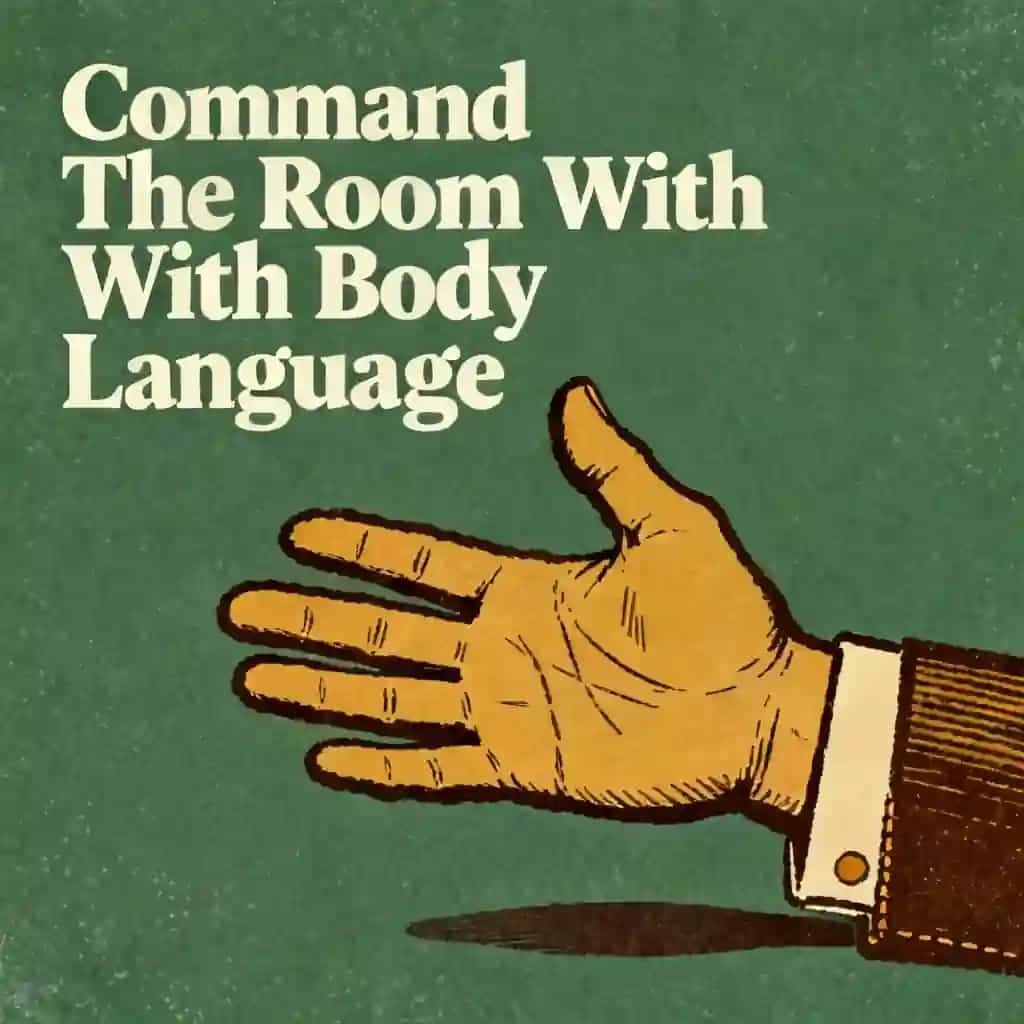
Discover how nonverbal cues can be used to influence others and how to recognize when someone is using body language to control a situation—plus ethical techniques to project confidence.
Melhor citação de Body Language: The Silent Power Play
“
The most powerful influence comes from becoming someone others genuinely want to listen to and follow. When your body language aligns with genuine confidence and good intentions, it enhances communication.
”
S
Generated by Shrejal
Pergunta de entrada
Body language and how to control people
Vozes dos apresentadores
Lena
Miles
Fontes de conhecimento
Criado por ex-alunos da Universidade de Columbia | em San Francisco
BeFreed Reúne Uma Comunidade Global De Mentes Curiosas
4.7
avaliação média
Mais de 7,84 mil avaliações do app
Comunidade BeFreed
Sério, eu ainda nem explorei o app por completo, mas só de usar nos últimos dias já fiquei impressionada… O BeFreed está em outro nível comparado a qualquer outro app de aprendizado que já usei. Ele prende demais a atenção e realmente melhora a concentração — ótimo para quem não larga o scroll!
@ladyInfinity
Comprei o BeFreed há exatamente 23 dias e uso todos os dias desde então. Ele se encaixou por completo na minha rotina de trabalho e nos meus hábitos de estudo.
@jayallen
A verdade é que o app superou todas as minhas expectativas. Posso pedir para gerar áudio sobre qualquer tema, seja qual for, e o resultado é impressionante. Minha área profissional é uma especialização em psicoterapia, bem multidisciplinar; mesmo assim, as respostas são muito precisas.
@Raguipa
O que eu mais valorizo é o quanto ele reduziu meu tempo de scroll: passo menos tempo procurando e mais tempo absorvendo informação. A combinação de audiolivros completos, podcasts e os planos de aprendizado é brilhante.
@colonyofcreatorsNGO
Sou instrutor de aprendizado acelerado PhotoReading há 24 anos… livros, leitura e aprendizado são a minha praia, e o BeFreed fez um ótimo trabalho ao trazer uma abordagem inovadora para entregar informação de um jeito fácil de consumir.
@BeFreed user
Não é só um app de resumo de livros: usei a opção de leitura divertida e é um resumo muito melhor, um jeito mais fácil de captar as ideias do que o tradicional. Só isso já vale o investimento.
@austinakon
Amo este app. Usei por vários dias e não consigo parar de ouvir. Um jeito ótimo de começar.
@jcrules328
Gosto muito do programa; já estou testando há cerca de um mês e sinto que é uma verdadeira joia. Funciona muito bem porque posso usar o BeFreed para criar meus próprios temas, e a voz é ótima, com opções ilimitadas de narração.
@DanielCZ
Sério, eu ainda nem explorei o app por completo, mas só de usar nos últimos dias já fiquei impressionada… O BeFreed está em outro nível comparado a qualquer outro app de aprendizado que já usei. Ele prende demais a atenção e realmente melhora a concentração — ótimo para quem não larga o scroll!
@ladyInfinity
Comprei o BeFreed há exatamente 23 dias e uso todos os dias desde então. Ele se encaixou por completo na minha rotina de trabalho e nos meus hábitos de estudo.
@jayallen
A verdade é que o app superou todas as minhas expectativas. Posso pedir para gerar áudio sobre qualquer tema, seja qual for, e o resultado é impressionante. Minha área profissional é uma especialização em psicoterapia, bem multidisciplinar; mesmo assim, as respostas são muito precisas.
@Raguipa
O que eu mais valorizo é o quanto ele reduziu meu tempo de scroll: passo menos tempo procurando e mais tempo absorvendo informação. A combinação de audiolivros completos, podcasts e os planos de aprendizado é brilhante.
@colonyofcreatorsNGO
Sou instrutor de aprendizado acelerado PhotoReading há 24 anos… livros, leitura e aprendizado são a minha praia, e o BeFreed fez um ótimo trabalho ao trazer uma abordagem inovadora para entregar informação de um jeito fácil de consumir.
@BeFreed user
Não é só um app de resumo de livros: usei a opção de leitura divertida e é um resumo muito melhor, um jeito mais fácil de captar as ideias do que o tradicional. Só isso já vale o investimento.
@austinakon
Amo este app. Usei por vários dias e não consigo parar de ouvir. Um jeito ótimo de começar.
@jcrules328
Gosto muito do programa; já estou testando há cerca de um mês e sinto que é uma verdadeira joia. Funciona muito bem porque posso usar o BeFreed para criar meus próprios temas, e a voz é ótima, com opções ilimitadas de narração.
@DanielCZ
Adoro poder receber informações e ideias úteis e condensadas em um áudio estilo podcast de 8 a 15 minutos. Não sou muito fã de podcasts por causa da enrolação, mas aqui vai direto ao ponto.
@BeFreed user
Estou terminando meu doutorado e preciso ler muito material desconhecido… Com o BeFreed, você só digita um prompt e o app encontra as fontes e gera um podcast em áudio. Acho o processo do BeFreed mais fluido que o do NotebookLM.
@Brad
Costumo procurar no YouTube algo para ouvir enquanto preparo o café da manhã, caminho ou me desloco, e o BeFreed oferece uma abordagem ainda mais certeira, sem anúncios e sem enrolação!
@BeFreed user
A melhor coisa desta plataforma é a versatilidade. Literalmente nenhum assunto fica de fora. Ela dá conta de tudo o que você mandar… É raro encontrar uma ferramenta de aprendizado sem limitações que realmente cumpre o que promete.
@jayallen
O BeFreed é fantástico. O design intuitivo faz com que eu passe menos tempo navegando e mais tempo aprendendo. A mistura de audiolivros, podcasts e planos de aprendizado é uma combinação genial que mudou completamente a minha rotina.
@BeFreed user
No começo, levei um tempo para entender como criar podcasts em italiano e… boom! É incrível! Posso pedir para explicar qualquer assunto e ele explica super bem, com muita inteligência!
@matteo77
O BeFreed virou meu app diário de audiolivros… O que eu mais gosto é que você coloca o seu texto e recebe um áudio para ouvir em qualquer lugar.
@kotanzu1
Adoro poder receber informações e ideias úteis e condensadas em um áudio estilo podcast de 8 a 15 minutos. Não sou muito fã de podcasts por causa da enrolação, mas aqui vai direto ao ponto.
@BeFreed user
Estou terminando meu doutorado e preciso ler muito material desconhecido… Com o BeFreed, você só digita um prompt e o app encontra as fontes e gera um podcast em áudio. Acho o processo do BeFreed mais fluido que o do NotebookLM.
@Brad
Costumo procurar no YouTube algo para ouvir enquanto preparo o café da manhã, caminho ou me desloco, e o BeFreed oferece uma abordagem ainda mais certeira, sem anúncios e sem enrolação!
@BeFreed user
A melhor coisa desta plataforma é a versatilidade. Literalmente nenhum assunto fica de fora. Ela dá conta de tudo o que você mandar… É raro encontrar uma ferramenta de aprendizado sem limitações que realmente cumpre o que promete.
@jayallen
O BeFreed é fantástico. O design intuitivo faz com que eu passe menos tempo navegando e mais tempo aprendendo. A mistura de audiolivros, podcasts e planos de aprendizado é uma combinação genial que mudou completamente a minha rotina.
@BeFreed user
No começo, levei um tempo para entender como criar podcasts em italiano e… boom! É incrível! Posso pedir para explicar qualquer assunto e ele explica super bem, com muita inteligência!
@matteo77
O BeFreed virou meu app diário de audiolivros… O que eu mais gosto é que você coloca o seu texto e recebe um áudio para ouvir em qualquer lugar.
Explore how nonverbal cues reveal our true feelings despite our words. Learn to read facial expressions, gestures, and posture while mastering your own nonverbal communication in different cultural contexts.
Explore the hidden world of nonverbal communication, from universal micro-expressions to power plays, and learn how to decode the silent signals people send every day.
Discover how to project dominance through non-verbal cues, as our hosts break down the science of powerful body language and provide practical techniques to transform your presence in any situation.
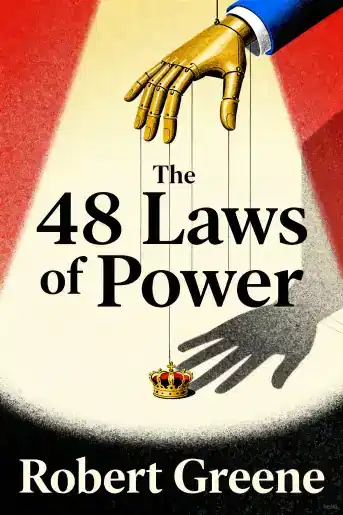
Master the hidden cues of dominance and deception. Learn to simplify the 48 Laws of Power and use body language to defend against psychological manipulation in everyday life.
Discover practical techniques to project confidence through posture, gestures, and movement. Learn how 55% of communication is nonverbal and master specific body language skills that work immediately.
Learn to read subconscious signals and micro-expressions in milliseconds. This guide explores the limbic brain's role in communication and provides a practical playbook for high-stakes social navigation.
Learn to decode the hidden signals people send before they even speak. This episode explores the science of non-verbal cues, from microexpressions to the 'honest' movements of the feet.
Unlock the 93% of communication you've been missing! Learn to read microexpressions, detect deception, and build deeper connections through the fascinating science of nonverbal cues and social dynamics.