If communication feels forced, the problem might be your connection. Learn to break negative cycles and build a resilient relationship that lasts.
Melhor citação de Being a better partner is more than just talking
“
The secret to a resilient relationship isn't avoiding conflict, but ensuring that the negative moments are outweighed by a massive reserve of positive interactions. It’s about the thousands of small moments where we choose to be emotionally responsive instead of distracted or dismissive.
”
B
Generated by Bri
Pergunta de entrada
Being a better partner
Vozes dos apresentadores
Lena
Miles
Fontes de conhecimento
Perguntas frequentes
The pursue—withdraw cycle is a common "dance" or feedback loop where one partner feels a lack of connection and tries to close the gap by becoming louder or more demanding (the Pursuer), while the other partner feels overwhelmed by the intensity and retreats into silence or logic to stay safe (the Withdrawer). This cycle is driven by the nervous system's survival strategies rather than malice; however, the more one partner reaches out, the more the other retreats, creating a loop where the Pursuer feels abandoned and the Withdrawer feels like they are failing. Breaking this cycle requires couples to externalize the conflict, recognizing the pattern itself as the problem rather than blaming each other.
Research suggests that emotional responsiveness—defined by understanding, validation, and caring—is the single strongest predictor of relationship longevity, making couples three times less likely to divorce. While shared hobbies are pleasant, they do not provide the "secure base" necessary for a resilient bond. High responsiveness involves "turning toward" a partner’s emotional bids, such as validating their feelings after a hard day or practicing "active-constructive responding" by celebrating their successes. These small, daily interactions build an "emotional bank account" that acts as a buffer during future conflicts.
One of the most effective ways to stop escalation is to recognize "flooding," a physiological state where a person's heart rate exceeds 100 beats per minute, causing the logical part of the brain to go offline. When this happens, partners should call a "structured timeout" for at least 20 minutes to self-soothe and tell their nervous systems they are safe. Additionally, using a "Softened Startup"—leading with "I" statements about internal feelings rather than "You" statements that attack character—can prevent a fight-or-flight response from the beginning. Mapping the conflict loop and identifying "Protector Parts" also helps partners move from being opponents to co-investigators of their shared patterns.
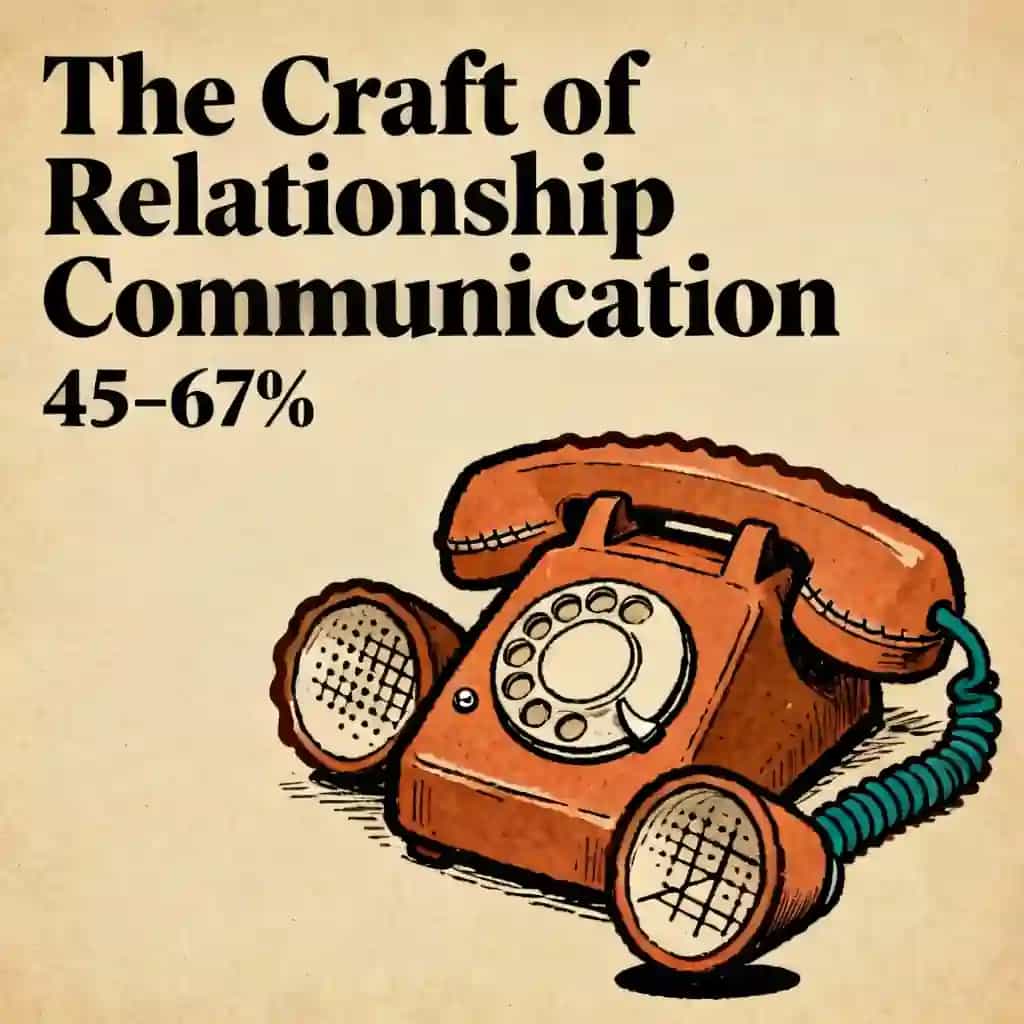
Digital communication is a "minefield" for relationships because humans consistently overestimate their ability to convey tone through text, with studies showing tone accuracy in written messages is only about 56%. Without facial expressions or vocal cues, the brain often fills in the gaps with negative interpretations, especially during times of stress. To protect the relationship, couples should follow the "Golden Rule" of using text only for logistics and saving emotional or sensitive conversations for in-person interactions. Furthermore, "phubbing" (phone snubbing) can lead to lower relationship satisfaction as it signals to a partner that they are less important than a device.
Stable, happy couples typically maintain a ratio of five positive interactions for every one negative interaction during conflict, and as high as twenty to one in daily life. This ratio can be improved through simple, consistent rituals such as the "30-Second Reunion," where partners hug or make eye contact after a day apart, and "Daily Appreciation" exercises where they call out specific things they value about each other. By focusing on these small deposits and practicing "non-defensive listening," couples build enough goodwill to weather major life stressors without turning on one another.
Criado por ex-alunos da Universidade de Columbia | em San Francisco
BeFreed Reúne Uma Comunidade Global De Mentes Curiosas
4.7
avaliação média
Mais de 7,84 mil avaliações do app
Comunidade BeFreed
Sério, eu ainda nem explorei o app por completo, mas só de usar nos últimos dias já fiquei impressionada… O BeFreed está em outro nível comparado a qualquer outro app de aprendizado que já usei. Ele prende demais a atenção e realmente melhora a concentração — ótimo para quem não larga o scroll!
@ladyInfinity
Comprei o BeFreed há exatamente 23 dias e uso todos os dias desde então. Ele se encaixou por completo na minha rotina de trabalho e nos meus hábitos de estudo.
@jayallen
A verdade é que o app superou todas as minhas expectativas. Posso pedir para gerar áudio sobre qualquer tema, seja qual for, e o resultado é impressionante. Minha área profissional é uma especialização em psicoterapia, bem multidisciplinar; mesmo assim, as respostas são muito precisas.
@Raguipa
O que eu mais valorizo é o quanto ele reduziu meu tempo de scroll: passo menos tempo procurando e mais tempo absorvendo informação. A combinação de audiolivros completos, podcasts e os planos de aprendizado é brilhante.
@colonyofcreatorsNGO
Sou instrutor de aprendizado acelerado PhotoReading há 24 anos… livros, leitura e aprendizado são a minha praia, e o BeFreed fez um ótimo trabalho ao trazer uma abordagem inovadora para entregar informação de um jeito fácil de consumir.
@BeFreed user
Não é só um app de resumo de livros: usei a opção de leitura divertida e é um resumo muito melhor, um jeito mais fácil de captar as ideias do que o tradicional. Só isso já vale o investimento.
@austinakon
Amo este app. Usei por vários dias e não consigo parar de ouvir. Um jeito ótimo de começar.
@jcrules328
Gosto muito do programa; já estou testando há cerca de um mês e sinto que é uma verdadeira joia. Funciona muito bem porque posso usar o BeFreed para criar meus próprios temas, e a voz é ótima, com opções ilimitadas de narração.
@DanielCZ
Sério, eu ainda nem explorei o app por completo, mas só de usar nos últimos dias já fiquei impressionada… O BeFreed está em outro nível comparado a qualquer outro app de aprendizado que já usei. Ele prende demais a atenção e realmente melhora a concentração — ótimo para quem não larga o scroll!
@ladyInfinity
Comprei o BeFreed há exatamente 23 dias e uso todos os dias desde então. Ele se encaixou por completo na minha rotina de trabalho e nos meus hábitos de estudo.
@jayallen
A verdade é que o app superou todas as minhas expectativas. Posso pedir para gerar áudio sobre qualquer tema, seja qual for, e o resultado é impressionante. Minha área profissional é uma especialização em psicoterapia, bem multidisciplinar; mesmo assim, as respostas são muito precisas.
@Raguipa
O que eu mais valorizo é o quanto ele reduziu meu tempo de scroll: passo menos tempo procurando e mais tempo absorvendo informação. A combinação de audiolivros completos, podcasts e os planos de aprendizado é brilhante.
@colonyofcreatorsNGO
Sou instrutor de aprendizado acelerado PhotoReading há 24 anos… livros, leitura e aprendizado são a minha praia, e o BeFreed fez um ótimo trabalho ao trazer uma abordagem inovadora para entregar informação de um jeito fácil de consumir.
@BeFreed user
Não é só um app de resumo de livros: usei a opção de leitura divertida e é um resumo muito melhor, um jeito mais fácil de captar as ideias do que o tradicional. Só isso já vale o investimento.
@austinakon
Amo este app. Usei por vários dias e não consigo parar de ouvir. Um jeito ótimo de começar.
@jcrules328
Gosto muito do programa; já estou testando há cerca de um mês e sinto que é uma verdadeira joia. Funciona muito bem porque posso usar o BeFreed para criar meus próprios temas, e a voz é ótima, com opções ilimitadas de narração.
@DanielCZ
Adoro poder receber informações e ideias úteis e condensadas em um áudio estilo podcast de 8 a 15 minutos. Não sou muito fã de podcasts por causa da enrolação, mas aqui vai direto ao ponto.
@BeFreed user
Estou terminando meu doutorado e preciso ler muito material desconhecido… Com o BeFreed, você só digita um prompt e o app encontra as fontes e gera um podcast em áudio. Acho o processo do BeFreed mais fluido que o do NotebookLM.
@Brad
Costumo procurar no YouTube algo para ouvir enquanto preparo o café da manhã, caminho ou me desloco, e o BeFreed oferece uma abordagem ainda mais certeira, sem anúncios e sem enrolação!
@BeFreed user
A melhor coisa desta plataforma é a versatilidade. Literalmente nenhum assunto fica de fora. Ela dá conta de tudo o que você mandar… É raro encontrar uma ferramenta de aprendizado sem limitações que realmente cumpre o que promete.
@jayallen
O BeFreed é fantástico. O design intuitivo faz com que eu passe menos tempo navegando e mais tempo aprendendo. A mistura de audiolivros, podcasts e planos de aprendizado é uma combinação genial que mudou completamente a minha rotina.
@BeFreed user
No começo, levei um tempo para entender como criar podcasts em italiano e… boom! É incrível! Posso pedir para explicar qualquer assunto e ele explica super bem, com muita inteligência!
@matteo77
O BeFreed virou meu app diário de audiolivros… O que eu mais gosto é que você coloca o seu texto e recebe um áudio para ouvir em qualquer lugar.
@kotanzu1
Adoro poder receber informações e ideias úteis e condensadas em um áudio estilo podcast de 8 a 15 minutos. Não sou muito fã de podcasts por causa da enrolação, mas aqui vai direto ao ponto.
@BeFreed user
Estou terminando meu doutorado e preciso ler muito material desconhecido… Com o BeFreed, você só digita um prompt e o app encontra as fontes e gera um podcast em áudio. Acho o processo do BeFreed mais fluido que o do NotebookLM.
@Brad
Costumo procurar no YouTube algo para ouvir enquanto preparo o café da manhã, caminho ou me desloco, e o BeFreed oferece uma abordagem ainda mais certeira, sem anúncios e sem enrolação!
@BeFreed user
A melhor coisa desta plataforma é a versatilidade. Literalmente nenhum assunto fica de fora. Ela dá conta de tudo o que você mandar… É raro encontrar uma ferramenta de aprendizado sem limitações que realmente cumpre o que promete.
@jayallen
O BeFreed é fantástico. O design intuitivo faz com que eu passe menos tempo navegando e mais tempo aprendendo. A mistura de audiolivros, podcasts e planos de aprendizado é uma combinação genial que mudou completamente a minha rotina.
@BeFreed user
No começo, levei um tempo para entender como criar podcasts em italiano e… boom! É incrível! Posso pedir para explicar qualquer assunto e ele explica super bem, com muita inteligência!
@matteo77
O BeFreed virou meu app diário de audiolivros… O que eu mais gosto é que você coloca o seu texto e recebe um áudio para ouvir em qualquer lugar.
Discover how self-awareness and intentional communication create thriving relationships, where conflicts become opportunities for growth and daily actions build unshakeable trust.
Discover research-backed strategies to transform your relationship through emotional intelligence, effective communication, and deeper connection. Learn practical tools to build trust, navigate conflict, and create lasting intimacy.
Discover why being a 'good wife' isn't about self-sacrifice but building a strong partnership through communication, mutual respect, and emotional connection—creating a marriage where both partners thrive together.
Stuck in a loop of tired arguments? Learn why emotional attunement is the key to better intimacy and how to turn your home back into an erotic playground.
Discover proven techniques to create deeper connection through better questions, active listening, and emotional presence. Learn practical tools from relationship experts to transform how you and your girlfriend communicate and connect.