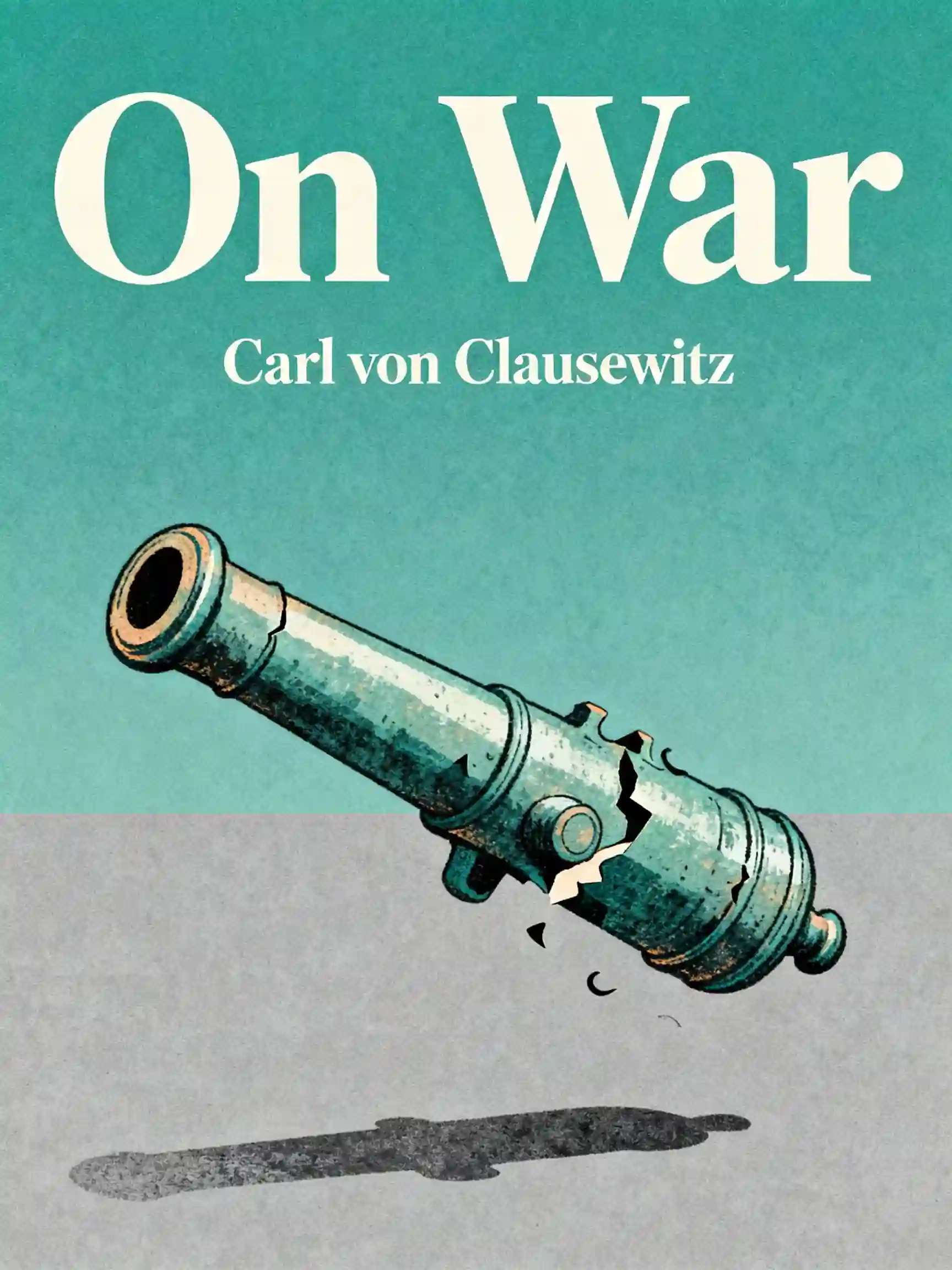
Explore how artillery evolved from rare, cumbersome weapons to Napoleon's decisive battlefield force, transforming warfare through technical innovation and industrial production in the 19th century.
Melhor citação de Artillery's Rise to Battlefield Dominance
“
The artillery revolution was really a microcosm of the broader transformation from craft-based to industrial society. The future belongs to those who can learn and evolve as quickly as technology itself.
”
K
Generated by Kidknuckle
Pergunta de entrada
I want to learn about 19th century artillery
Vozes dos apresentadores
Lena
Miles
Fontes de conhecimento
Criado por ex-alunos da Universidade de Columbia | em San Francisco
BeFreed Reúne Uma Comunidade Global De Mentes Curiosas
4.7
avaliação média
Mais de 7,84 mil avaliações do app
Comunidade BeFreed
Sério, eu ainda nem explorei o app por completo, mas só de usar nos últimos dias já fiquei impressionada… O BeFreed está em outro nível comparado a qualquer outro app de aprendizado que já usei. Ele prende demais a atenção e realmente melhora a concentração — ótimo para quem não larga o scroll!
@ladyInfinity
Comprei o BeFreed há exatamente 23 dias e uso todos os dias desde então. Ele se encaixou por completo na minha rotina de trabalho e nos meus hábitos de estudo.
@jayallen
A verdade é que o app superou todas as minhas expectativas. Posso pedir para gerar áudio sobre qualquer tema, seja qual for, e o resultado é impressionante. Minha área profissional é uma especialização em psicoterapia, bem multidisciplinar; mesmo assim, as respostas são muito precisas.
@Raguipa
O que eu mais valorizo é o quanto ele reduziu meu tempo de scroll: passo menos tempo procurando e mais tempo absorvendo informação. A combinação de audiolivros completos, podcasts e os planos de aprendizado é brilhante.
@colonyofcreatorsNGO
Sou instrutor de aprendizado acelerado PhotoReading há 24 anos… livros, leitura e aprendizado são a minha praia, e o BeFreed fez um ótimo trabalho ao trazer uma abordagem inovadora para entregar informação de um jeito fácil de consumir.
@BeFreed user
Não é só um app de resumo de livros: usei a opção de leitura divertida e é um resumo muito melhor, um jeito mais fácil de captar as ideias do que o tradicional. Só isso já vale o investimento.
@austinakon
Amo este app. Usei por vários dias e não consigo parar de ouvir. Um jeito ótimo de começar.
@jcrules328
Gosto muito do programa; já estou testando há cerca de um mês e sinto que é uma verdadeira joia. Funciona muito bem porque posso usar o BeFreed para criar meus próprios temas, e a voz é ótima, com opções ilimitadas de narração.
@DanielCZ
Sério, eu ainda nem explorei o app por completo, mas só de usar nos últimos dias já fiquei impressionada… O BeFreed está em outro nível comparado a qualquer outro app de aprendizado que já usei. Ele prende demais a atenção e realmente melhora a concentração — ótimo para quem não larga o scroll!
@ladyInfinity
Comprei o BeFreed há exatamente 23 dias e uso todos os dias desde então. Ele se encaixou por completo na minha rotina de trabalho e nos meus hábitos de estudo.
@jayallen
A verdade é que o app superou todas as minhas expectativas. Posso pedir para gerar áudio sobre qualquer tema, seja qual for, e o resultado é impressionante. Minha área profissional é uma especialização em psicoterapia, bem multidisciplinar; mesmo assim, as respostas são muito precisas.
@Raguipa
O que eu mais valorizo é o quanto ele reduziu meu tempo de scroll: passo menos tempo procurando e mais tempo absorvendo informação. A combinação de audiolivros completos, podcasts e os planos de aprendizado é brilhante.
@colonyofcreatorsNGO
Sou instrutor de aprendizado acelerado PhotoReading há 24 anos… livros, leitura e aprendizado são a minha praia, e o BeFreed fez um ótimo trabalho ao trazer uma abordagem inovadora para entregar informação de um jeito fácil de consumir.
@BeFreed user
Não é só um app de resumo de livros: usei a opção de leitura divertida e é um resumo muito melhor, um jeito mais fácil de captar as ideias do que o tradicional. Só isso já vale o investimento.
@austinakon
Amo este app. Usei por vários dias e não consigo parar de ouvir. Um jeito ótimo de começar.
@jcrules328
Gosto muito do programa; já estou testando há cerca de um mês e sinto que é uma verdadeira joia. Funciona muito bem porque posso usar o BeFreed para criar meus próprios temas, e a voz é ótima, com opções ilimitadas de narração.
@DanielCZ
Adoro poder receber informações e ideias úteis e condensadas em um áudio estilo podcast de 8 a 15 minutos. Não sou muito fã de podcasts por causa da enrolação, mas aqui vai direto ao ponto.
@BeFreed user
Estou terminando meu doutorado e preciso ler muito material desconhecido… Com o BeFreed, você só digita um prompt e o app encontra as fontes e gera um podcast em áudio. Acho o processo do BeFreed mais fluido que o do NotebookLM.
@Brad
Costumo procurar no YouTube algo para ouvir enquanto preparo o café da manhã, caminho ou me desloco, e o BeFreed oferece uma abordagem ainda mais certeira, sem anúncios e sem enrolação!
@BeFreed user
A melhor coisa desta plataforma é a versatilidade. Literalmente nenhum assunto fica de fora. Ela dá conta de tudo o que você mandar… É raro encontrar uma ferramenta de aprendizado sem limitações que realmente cumpre o que promete.
@jayallen
O BeFreed é fantástico. O design intuitivo faz com que eu passe menos tempo navegando e mais tempo aprendendo. A mistura de audiolivros, podcasts e planos de aprendizado é uma combinação genial que mudou completamente a minha rotina.
@BeFreed user
No começo, levei um tempo para entender como criar podcasts em italiano e… boom! É incrível! Posso pedir para explicar qualquer assunto e ele explica super bem, com muita inteligência!
@matteo77
O BeFreed virou meu app diário de audiolivros… O que eu mais gosto é que você coloca o seu texto e recebe um áudio para ouvir em qualquer lugar.
@kotanzu1
Adoro poder receber informações e ideias úteis e condensadas em um áudio estilo podcast de 8 a 15 minutos. Não sou muito fã de podcasts por causa da enrolação, mas aqui vai direto ao ponto.
@BeFreed user
Estou terminando meu doutorado e preciso ler muito material desconhecido… Com o BeFreed, você só digita um prompt e o app encontra as fontes e gera um podcast em áudio. Acho o processo do BeFreed mais fluido que o do NotebookLM.
@Brad
Costumo procurar no YouTube algo para ouvir enquanto preparo o café da manhã, caminho ou me desloco, e o BeFreed oferece uma abordagem ainda mais certeira, sem anúncios e sem enrolação!
@BeFreed user
A melhor coisa desta plataforma é a versatilidade. Literalmente nenhum assunto fica de fora. Ela dá conta de tudo o que você mandar… É raro encontrar uma ferramenta de aprendizado sem limitações que realmente cumpre o que promete.
@jayallen
O BeFreed é fantástico. O design intuitivo faz com que eu passe menos tempo navegando e mais tempo aprendendo. A mistura de audiolivros, podcasts e planos de aprendizado é uma combinação genial que mudou completamente a minha rotina.
@BeFreed user
No começo, levei um tempo para entender como criar podcasts em italiano e… boom! É incrível! Posso pedir para explicar qualquer assunto e ele explica super bem, com muita inteligência!
@matteo77
O BeFreed virou meu app diário de audiolivros… O que eu mais gosto é que você coloca o seu texto e recebe um áudio para ouvir em qualquer lugar.
Discover the inner workings of Civil War light artillery units, from the specialized roles of each crew member to the tactical deployment of Kentucky batteries and their devastating battlefield impact.
Explore the iconic rifles, sidearms, and heavy hitters that redefined modern combat. Learn how innovative small arms shifted battlefield tactics and the brutal reality of frontline warfare.
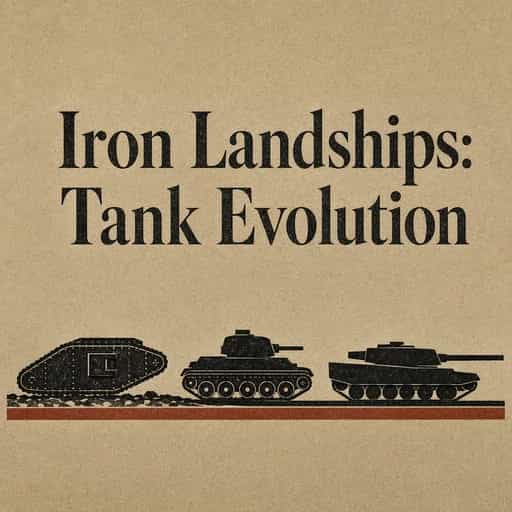
Trench warfare was shattered by the first tanks, sparking a century of innovation. Trace the evolution of armor-piercing tech to the modern battlefield.
Discover what it takes to join a cannon crew in Civil War reenactments, from essential equipment and safety procedures to drill commands and unit culture—no special licenses required, just common sense and a love for history.
Discover how WWI armies transformed from disastrous trench warfare to effective fighting forces through tactical revolution, technological adaptation, and battlefield learning despite catastrophic casualties.
Explore how warfare transformed metal production from artisanal workshops to industrial powerhouses, focusing on how military demands during the Civil War and World Wars revolutionized alloy development and manufacturing processes.