Alternative Financing in India: Venture Debt and Crowdfunding Guide
Explore alternative financing in India, including venture debt, crowdfunding, and P2P lending. Learn which funding options suit your startup or business project.

Melhor citação de Alternative Financing in India: Venture Debt and Crowdfunding Guide
Equity is the most expensive capital in the long run, so you should use it only for things that have the highest potential for massive returns. Every percentage of equity you don't give away today is worth ten times more down the road.
Generated by VIKASH KUMAR JAIN
This subtopic would introduce alternative financing options in India, such as venture debt, crowdfunding, and peer-to-peer lending, discussing their potential, challenges, and suitability for different types of businesses and projects.



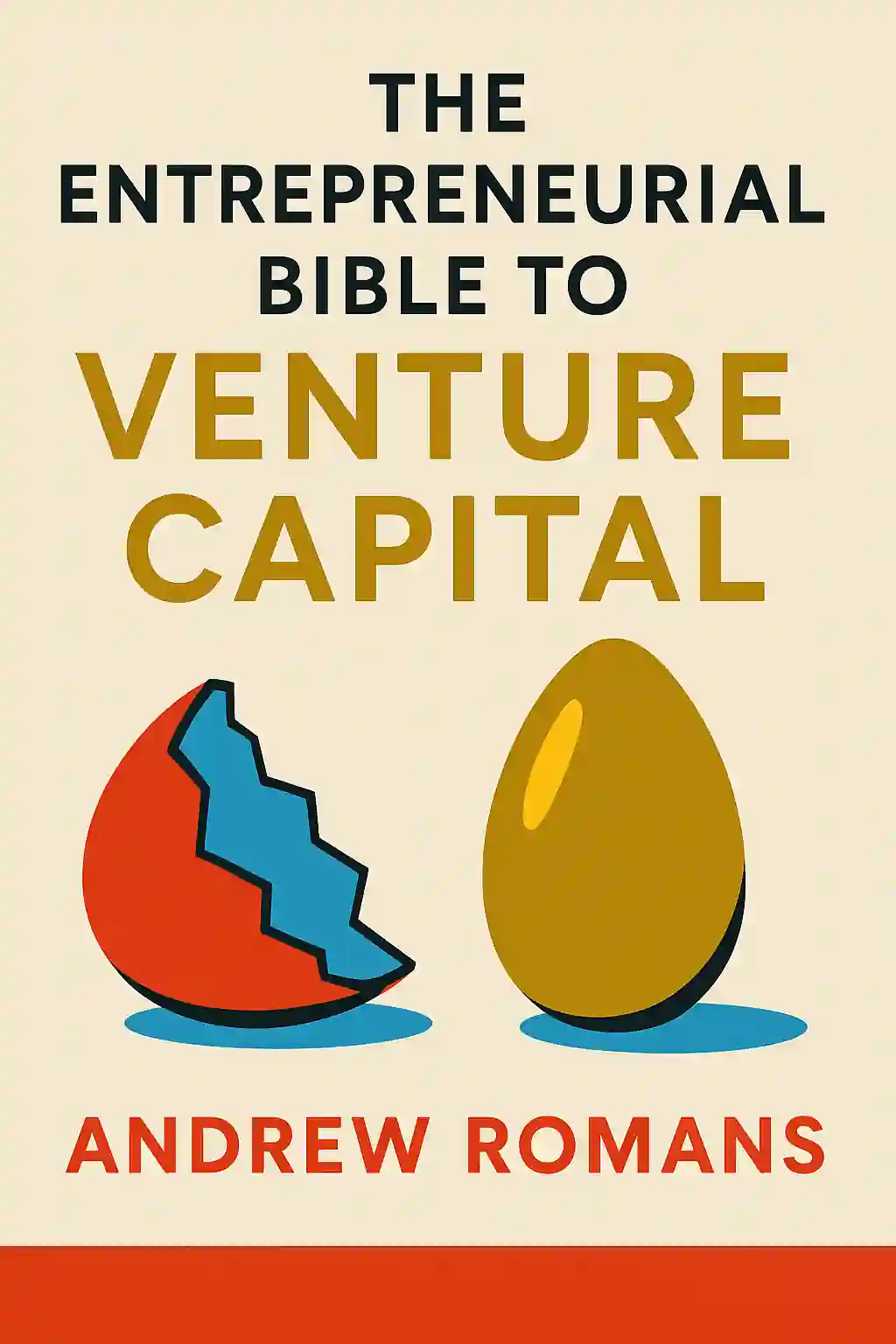
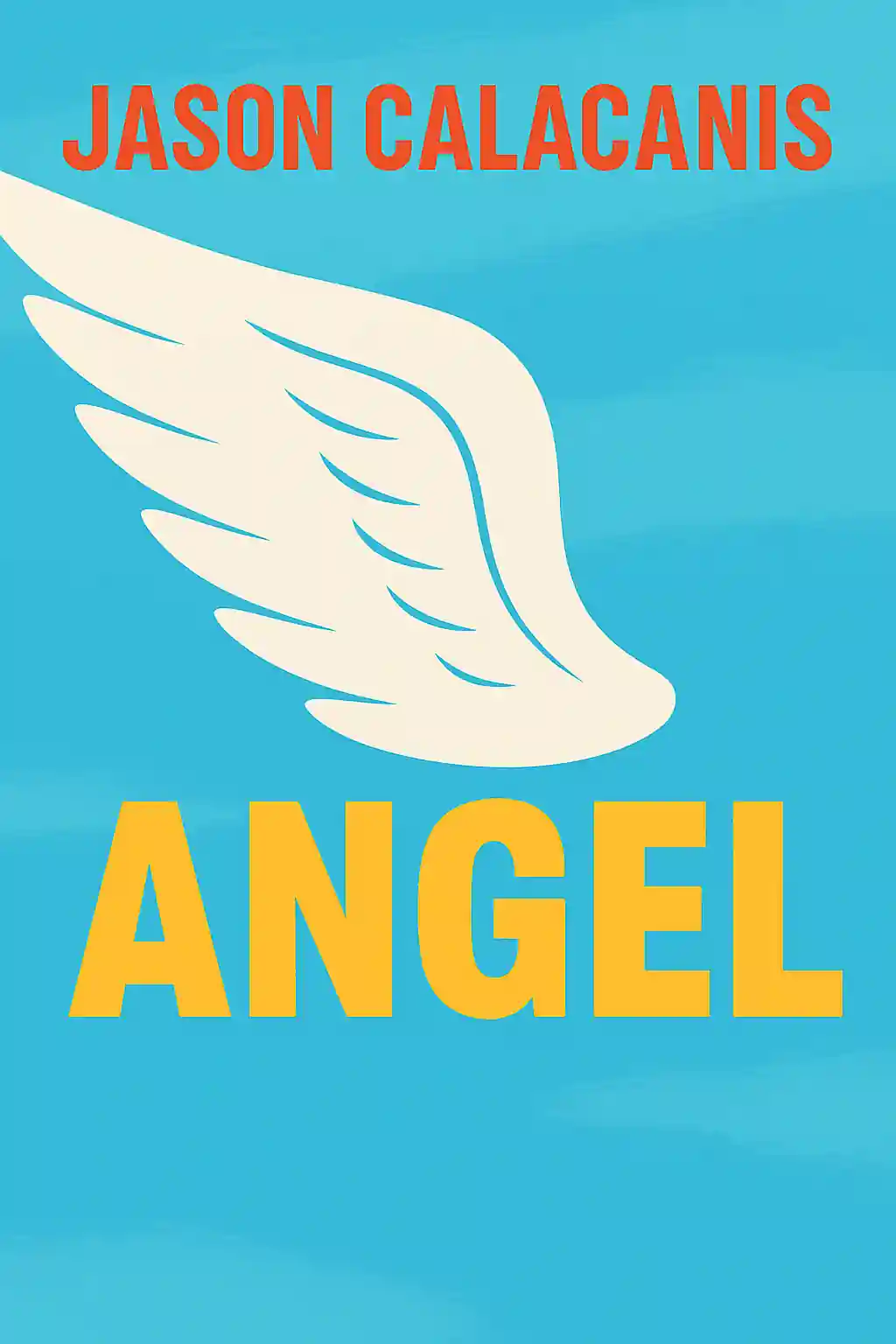

Perguntas frequentes
Alternative financing in India encompasses several non-traditional funding routes beyond standard bank loans or equity. Key options include venture debt, which provides capital to VC-backed startups, and crowdfunding, which raises small amounts from many individuals. Additionally, peer-to-peer (P2P) lending platforms connect borrowers directly with individual investors. These methods offer diverse ways for businesses to secure capital based on their specific growth stage and financial requirements.
Venture debt is a specialized form of alternative financing designed for startups that have already secured venture capital. Unlike traditional equity financing, it does not require founders to give up significant ownership or control. Instead, it acts as a complementary funding layer to extend the runway between equity rounds. This option is particularly suitable for high-growth companies in India looking to fund specific projects or bridge gaps without further diluting their shares.
Yes, crowdfunding has emerged as a significant alternative financing tool in India for various projects and businesses. It allows entrepreneurs to pitch their ideas to a wide audience, gaining both capital and market validation simultaneously. While it offers great potential for visibility, it also presents challenges regarding campaign management and regulatory compliance. It is often best suited for consumer-facing products or creative projects that can build a strong community following.
When evaluating peer-to-peer (P2P) lending in India, businesses must consider the speed of funding, interest rates, and their specific eligibility. P2P lending is often more accessible than traditional banking for smaller enterprises, but it requires a clear understanding of the repayment terms and platform fees. Comparing P2P lending against venture debt or crowdfunding helps a business determine which alternative financing route aligns with their long-term financial health and project goals.
Criado por ex-alunos da Universidade de Columbia em San Francisco
"Instead of endless scrolling, I just hit play on BeFreed. It saves me so much time."


"I never knew where to start with nonfiction—BeFreed’s book lists turned into podcasts gave me a clear path."


"Perfect balance between learning and entertainment. Finished ‘Thinking, Fast and Slow’ on my commute this week."
"Crazy how much I learned while walking the dog. BeFreed = small habits → big gains."
"Reading used to feel like a chore. Now it’s just part of my lifestyle."

"Feels effortless compared to reading. I’ve finished 6 books this month already."
"BeFreed turned my guilty doomscrolling into something that feels productive and inspiring."

"BeFreed turned my commute into learning time. 20-min podcasts are perfect for finishing books I never had time for."
"BeFreed replaced my podcast queue. Imagine Spotify for books — that’s it. 🙌"

"It is great for me to learn something from the book without reading it."
"The themed book list podcasts help me connect ideas across authors—like a guided audio journey."
"Makes me feel smarter every time before going to work"
Criado por ex-alunos da Universidade de Columbia em San Francisco
"Instead of endless scrolling, I just hit play on BeFreed. It saves me so much time."
"I never knew where to start with nonfiction—BeFreed’s book lists turned into podcasts gave me a clear path."
"Perfect balance between learning and entertainment. Finished ‘Thinking, Fast and Slow’ on my commute this week."
"Crazy how much I learned while walking the dog. BeFreed = small habits → big gains."
"Reading used to feel like a chore. Now it’s just part of my lifestyle."
"Feels effortless compared to reading. I’ve finished 6 books this month already."
"BeFreed turned my guilty doomscrolling into something that feels productive and inspiring."
"BeFreed turned my commute into learning time. 20-min podcasts are perfect for finishing books I never had time for."
"BeFreed replaced my podcast queue. Imagine Spotify for books — that’s it. 🙌"
"It is great for me to learn something from the book without reading it."
"The themed book list podcasts help me connect ideas across authors—like a guided audio journey."
"Makes me feel smarter every time before going to work"
"Instead of endless scrolling, I just hit play on BeFreed. It saves me so much time."
"I never knew where to start with nonfiction—BeFreed’s book lists turned into podcasts gave me a clear path."
"Perfect balance between learning and entertainment. Finished ‘Thinking, Fast and Slow’ on my commute this week."
"Crazy how much I learned while walking the dog. BeFreed = small habits → big gains."
"Reading used to feel like a chore. Now it’s just part of my lifestyle."
"Feels effortless compared to reading. I’ve finished 6 books this month already."
"BeFreed turned my guilty doomscrolling into something that feels productive and inspiring."
"BeFreed turned my commute into learning time. 20-min podcasts are perfect for finishing books I never had time for."
"BeFreed replaced my podcast queue. Imagine Spotify for books — that’s it. 🙌"
"It is great for me to learn something from the book without reading it."
"The themed book list podcasts help me connect ideas across authors—like a guided audio journey."
"Makes me feel smarter every time before going to work"
"Instead of endless scrolling, I just hit play on BeFreed. It saves me so much time."
"I never knew where to start with nonfiction—BeFreed’s book lists turned into podcasts gave me a clear path."
"Perfect balance between learning and entertainment. Finished ‘Thinking, Fast and Slow’ on my commute this week."
"Crazy how much I learned while walking the dog. BeFreed = small habits → big gains."
"Reading used to feel like a chore. Now it’s just part of my lifestyle."
"Feels effortless compared to reading. I’ve finished 6 books this month already."
"BeFreed turned my guilty doomscrolling into something that feels productive and inspiring."
"BeFreed turned my commute into learning time. 20-min podcasts are perfect for finishing books I never had time for."
"BeFreed replaced my podcast queue. Imagine Spotify for books — that’s it. 🙌"
"It is great for me to learn something from the book without reading it."
"The themed book list podcasts help me connect ideas across authors—like a guided audio journey."
"Makes me feel smarter every time before going to work"