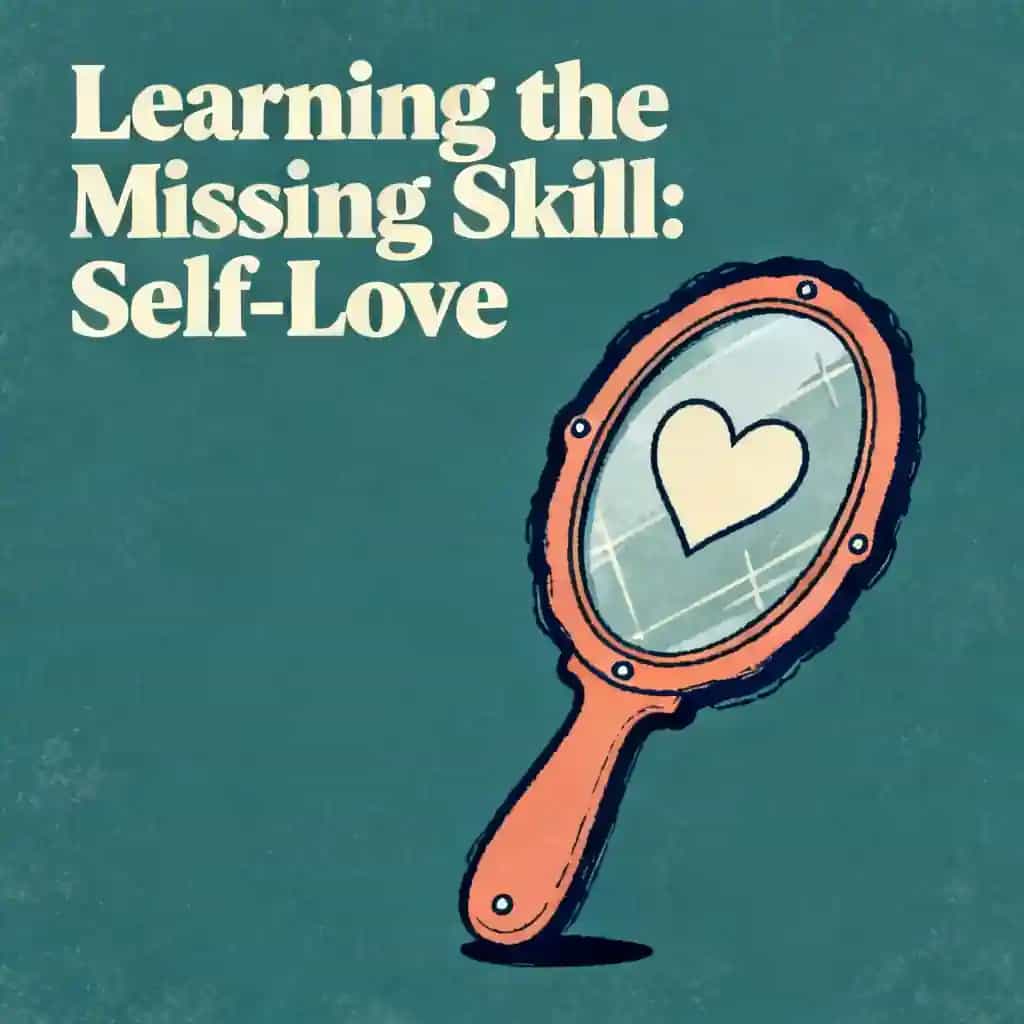
爱你老己:从心理学视角将爱自己转化为实用的心理技术
Nia 和 Eli 带你拆解“爱你老己”背后的心理学逻辑,拒绝把自我工具化。通过设立边界与正念觉察,你将学会像对待老友一样接纳不完美,在内耗时代建立稳固的精神避难所。

Melhor citação de 爱你老己:从心理学视角将爱自己转化为实用的心理技术
爱自己不是为了逃避世界,而是为了更有力量地去拥抱这个世界。当你不再逼迫自己必须活成社会期待的样子时,你才真正长出了属于自己的力量。
Generated by Freedee_CB080FC6
爱自己的实际作法






Perguntas frequentes
“爱你老己”是2026年初流行的一个心理学梗,指将自己视为一个相识多年的“老朋友”。这在心理学上被称为“自我抽离”策略。通过使用第三人称与自己对话,人们可以拉开与焦虑、自责等负面情绪的距离,从而激活大脑的理性调控功能,有效降低压力激素皮质醇的分泌。
真正的爱自己并非单纯的物质奖赏或无止境的自我提升,而是一种接纳、尊重和促进自我完善的意愿。它与“摆烂”的区别在于,接纳不完美并不等同于放弃进步。例如,减肥的出发点不应是嫌弃现在的自己,而是出于对自我完善的好奇和自律的追求。爱自己是基于自我关怀,而非基于恐惧或他人的评价。
身体被视为“圣殿”,心理障碍往往会通过“躯体化”症状表达出来。例如,胃是一个情绪器官,很多胃病其实是由压力引起的。爱自己的基础实践是照顾好肉体,学会识别身体发出的预警信号。通过冥想、瑜伽或简单的拉伸来建立身心连接,倾听身体的疲惫,是心理健康的生理基础。
爱自己的重要行动之一是拒绝消耗型关系。如果为了讨好他人而不断委屈自己,会导致身心疲惫。建立边界意味着将自己的需求放在重要位置,这并非自私,而是对自己负责。在无法完全脱离的环境中,应学会“适当分离”,明确沟通自己的边界,并过滤社交媒体中制造焦虑的信息,重建真实的线下联结。
许多人的自我苛责源于童年缺失的无条件关怀。通过扮演自己的“理想父母”,我们可以在失败时给予安慰而非责备。这种“再抚育”既包含对脆弱的接纳,也包含提供力量感。成熟的自我关系意味着不再向外求索认可,而是向内关照需求,明白自己的存在本身就有价值,从而在关怀的基础上鼓励自己应对挑战。
Criado por ex-alunos da Universidade de Columbia em San Francisco
"Instead of endless scrolling, I just hit play on BeFreed. It saves me so much time."


"I never knew where to start with nonfiction—BeFreed’s book lists turned into podcasts gave me a clear path."


"Perfect balance between learning and entertainment. Finished ‘Thinking, Fast and Slow’ on my commute this week."
"Crazy how much I learned while walking the dog. BeFreed = small habits → big gains."
"Reading used to feel like a chore. Now it’s just part of my lifestyle."

"Feels effortless compared to reading. I’ve finished 6 books this month already."
"BeFreed turned my guilty doomscrolling into something that feels productive and inspiring."

"BeFreed turned my commute into learning time. 20-min podcasts are perfect for finishing books I never had time for."
"BeFreed replaced my podcast queue. Imagine Spotify for books — that’s it. 🙌"

"It is great for me to learn something from the book without reading it."
"The themed book list podcasts help me connect ideas across authors—like a guided audio journey."
"Makes me feel smarter every time before going to work"
Criado por ex-alunos da Universidade de Columbia em San Francisco
"Instead of endless scrolling, I just hit play on BeFreed. It saves me so much time."
"I never knew where to start with nonfiction—BeFreed’s book lists turned into podcasts gave me a clear path."
"Perfect balance between learning and entertainment. Finished ‘Thinking, Fast and Slow’ on my commute this week."
"Crazy how much I learned while walking the dog. BeFreed = small habits → big gains."
"Reading used to feel like a chore. Now it’s just part of my lifestyle."
"Feels effortless compared to reading. I’ve finished 6 books this month already."
"BeFreed turned my guilty doomscrolling into something that feels productive and inspiring."
"BeFreed turned my commute into learning time. 20-min podcasts are perfect for finishing books I never had time for."
"BeFreed replaced my podcast queue. Imagine Spotify for books — that’s it. 🙌"
"It is great for me to learn something from the book without reading it."
"The themed book list podcasts help me connect ideas across authors—like a guided audio journey."
"Makes me feel smarter every time before going to work"
"Instead of endless scrolling, I just hit play on BeFreed. It saves me so much time."
"I never knew where to start with nonfiction—BeFreed’s book lists turned into podcasts gave me a clear path."
"Perfect balance between learning and entertainment. Finished ‘Thinking, Fast and Slow’ on my commute this week."
"Crazy how much I learned while walking the dog. BeFreed = small habits → big gains."
"Reading used to feel like a chore. Now it’s just part of my lifestyle."
"Feels effortless compared to reading. I’ve finished 6 books this month already."
"BeFreed turned my guilty doomscrolling into something that feels productive and inspiring."
"BeFreed turned my commute into learning time. 20-min podcasts are perfect for finishing books I never had time for."
"BeFreed replaced my podcast queue. Imagine Spotify for books — that’s it. 🙌"
"It is great for me to learn something from the book without reading it."
"The themed book list podcasts help me connect ideas across authors—like a guided audio journey."
"Makes me feel smarter every time before going to work"
"Instead of endless scrolling, I just hit play on BeFreed. It saves me so much time."
"I never knew where to start with nonfiction—BeFreed’s book lists turned into podcasts gave me a clear path."
"Perfect balance between learning and entertainment. Finished ‘Thinking, Fast and Slow’ on my commute this week."
"Crazy how much I learned while walking the dog. BeFreed = small habits → big gains."
"Reading used to feel like a chore. Now it’s just part of my lifestyle."
"Feels effortless compared to reading. I’ve finished 6 books this month already."
"BeFreed turned my guilty doomscrolling into something that feels productive and inspiring."
"BeFreed turned my commute into learning time. 20-min podcasts are perfect for finishing books I never had time for."
"BeFreed replaced my podcast queue. Imagine Spotify for books — that’s it. 🙌"
"It is great for me to learn something from the book without reading it."
"The themed book list podcasts help me connect ideas across authors—like a guided audio journey."
"Makes me feel smarter every time before going to work"