Why We Can't Sleep
Women's New Midlife Crisis
Visão geral de Why We Can't Sleep
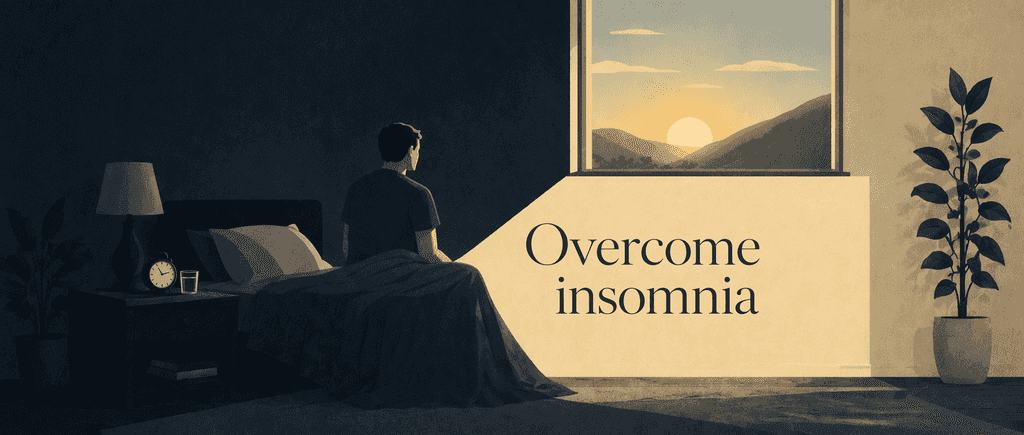
"Why We Can't Sleep" exposes the hidden midlife crisis plaguing Gen X women, where one in four rely on antidepressants. Actress Busy Philipps champions this validating exploration of financial anxiety, emotional exhaustion, and resilience beneath society's crushing expectations. What's keeping you awake tonight?

Temas principais em Why We Can't Sleep
- generation x women
- midlife burnout
- sandwich generation stress
- perimenopause challenges
- female economic insecurity
Citações de Why We Can't Sleep
Inside, they're drowning.
They were sold an impossible dream.
We were infected with a particularly virulent strain of the 'having it all' virus.
We drain wine bottles alone, use CBD edibles, cry in school pickup lanes.
We're exhausted from maintaining professional images on LinkedIn.
Personagens de Why We Can't Sleep
- Ada CalhounAuthor and journalist who researched the crisis
- Generation X WomenThe collective subject born between 1965-1980
Baixar resumo de Why We Can't Sleep: Women's New Midlife Crisis
Obtenha o resumo de Why We Can't Sleep: Women's New Midlife Crisis como PDF ou EPUB gratuito. Imprima ou leia offline a qualquer momento.
Perguntas Frequentes Sobre Este Livro
Why We Can't Sleep by Ada Calhoun examines the midlife crises faced by Generation X women, highlighting challenges like financial instability, caregiving responsibilities, and societal pressures. Combining personal anecdotes, interviews, and research, Calhoun explores why women in their 40s and 50s experience burnout, offering validation and insight into this often-overlooked demographic.
This book is ideal for Generation X women navigating midlife challenges, particularly those feeling overwhelmed by career, family, or financial pressures. It also appeals to readers interested in generational studies or gender-specific societal issues. Critics note its insights may resonate less with those outside white, upper-middle-class experiences.
Yes, for its relatable exploration of Gen X women’s struggles, though some find its scope limited. The book validates shared experiences of burnout and societal neglect, making it comforting for many. Critiques highlight its lack of diverse perspectives and actionable solutions, which may reduce relevance for broader audiences.
Key themes include financial insecurity, the “sandwich generation” dilemma (caring for children and aging parents), stagnant careers, and societal expectations. Calhoun also addresses the psychological impact of economic downturns and cultural shifts that leave Gen X women feeling undervalued.
Calhoun combines data, personal stories, and interviews to frame struggles as systemic rather than individual failures. She highlights Gen X’s unique position between Boomers and Millennials, emphasizing factors like student debt, precarious jobs, and evolving gender roles that exacerbate midlife stress.
Critics argue the book overly focuses on white, heterosexual, upper-middle-class women, lacking intersectional analysis. Some readers find it overly pessimistic or lacking concrete advice. Many praise its empathetic tone and relatable anecdotes resonating with its target demographic.
It details how Gen X women face unprecedented financial hurdles, including student loans, stagnant wages, and the 2008 recession’s aftermath. Systemic economic instability, coupled with caregiving duties, leaves many feeling financially trapped and undervalued in careers.
Calhoun examines how societal expectations—such as “having it all” and idealized motherhood—create unrealistic standards. These pressures, combined with diminishing social safety nets, contribute to widespread anxiety and disillusionment in midlife.
As a Gen X writer and journalist, Calhoun draws from her own midlife experiences and career challenges. Her background in cultural criticism and ghostwriting informs the book’s blend of personal narrative and societal analysis.
While primarily diagnostic, it suggests reframing personal expectations and seeking community support. Calhoun emphasizes systemic changes but acknowledges individual coping strategies, like embracing imperfection and challenging societal norms around productivity.
Unlike self-help guides, Calhoun’s work focuses on collective experiences over individual fixes. It complements titles like Women Rowing North by emphasizing generational trauma but stands out for its Gen X-specific lens and blend of journalism and memoir.
With ongoing economic uncertainty and evolving gender dynamics, its exploration of systemic barriers remains timely. It offers a framework for understanding persistent issues like wage gaps and mental health stigma, making it relevant for post-pandemic challenges.