Capítulo 1
The Timing Revolution: Why When You Eat Matters as Much as What
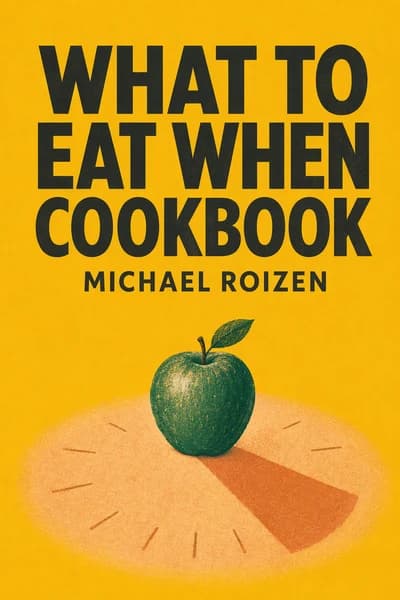
Imagine a world where the simple act of shifting your meals earlier in the day could dramatically improve your health, help you lose weight, and potentially add years to your life. This isn't science fiction-it's the groundbreaking premise behind "What to Eat When" by Dr. Michael Roizen and Dr. Michael Crupain. While countless diet books focus on what to eat, these Cleveland Clinic wellness experts have uncovered the missing piece of the nutritional puzzle: timing matters just as much as content.
The book has gained remarkable traction in medical circles, with Dr. Sanjay Gupta calling it "a revolutionary approach to thinking about food." Celebrities like Jennifer Aniston have embraced its principles, citing the book's influence on their own intermittent fasting practices. Beyond Hollywood, the book has sparked a movement in corporate wellness programs nationwide, as companies recognize that employee eating patterns significantly impact productivity and healthcare costs.
What makes this approach so powerful is its accessibility-you don't need exotic ingredients or complicated meal plans. You simply need to understand your body's internal clock and work with it rather than against it. The authors' unique backgrounds-Dr. Roizen as Cleveland Clinic's Chief Wellness Officer and Dr. Crupain as a preventive medicine specialist who trained at Italian cooking schools-blend rigorous science with practical culinary wisdom to create a truly transformative approach to eating.
Capítulo 2
The Body's Hidden Clock: Understanding Circadian Rhythm
Our bodies operate on a sophisticated internal timing system that evolved over millennia to keep us in sync with the rising and setting sun. This biological clock-our circadian rhythm-isn't just about sleep; it orchestrates countless bodily functions throughout the day, including metabolism, hormone production, digestion, body temperature regulation, cognitive performance, and even cell repair processes. This intricate system developed as humans evolved in environments where daylight was the primary zeitgeber (time cue), helping our ancestors optimize their energy usage and survival activities.
At the center of this system sits a tiny region in your hypothalamus called the suprachiasmatic nucleus-just 20,000 brain cells that serve as your master timekeeper. This biological command center receives direct input from specialized light-sensitive cells in your retinas and sends chemical signals throughout your body, dictating when you should feel hungry, when your metabolism should peak, and when your body should prepare for rest. These signals coordinate with peripheral clocks in organs like the liver, pancreas, and muscles, creating a harmonious symphony of biological processes.
What's fascinating is how this affects food processing. Your insulin sensitivity-how efficiently your body responds to the hormone that processes sugar-follows a predictable daily pattern. In the morning, your cells eagerly accept insulin's delivery of glucose, with peak sensitivity occurring around 8-10 AM. By evening, they become increasingly resistant, meaning identical meals eaten at different times produce dramatically different results. A carbohydrate-rich dinner causes a significantly higher blood sugar spike than the exact same meal eaten for breakfast. Studies show that blood glucose responses can be up to 50% higher in the evening compared to morning hours.
Even your fat cells follow this rhythm, being about 50% more responsive to insulin at noon than at midnight. This explains why late-night eating is particularly problematic for weight management-your body is physiologically primed to store those calories as fat rather than burn them for energy. Research has shown that night shift workers, who regularly eat during their biological night, have higher rates of obesity and metabolic disorders, even when consuming the same total calories as day workers.
Perhaps most surprising is the discovery that your gut bacteria-the trillions of microorganisms that help digest food and regulate metabolism-have their own circadian patterns. During active periods, these bacteria promote metabolism and cell repair, while rest periods show increased detoxification activity. The microbiome's daily rhythm influences everything from nutrient absorption to immune function and even mood regulation. When researchers disrupted this rhythm in mice (simulating jet lag or irregular eating), the animals gained weight and developed glucose intolerance even when consuming the same number of calories. Further studies revealed that disrupted circadian rhythms can alter the composition of gut bacteria within just three days.
This creates a fundamental mismatch in modern life: our bodies crave more food later in the day (an evolutionary adaptation for storing energy), yet our metabolic systems function optimally when we eat earlier. Understanding this conflict is the first step toward aligning your eating patterns with your body's natural rhythms-the cornerstone of the When Way approach. Modern lifestyle factors like artificial lighting, shift work, and 24/7 food availability further challenge our ancient timing systems, making it crucial to consciously work with, rather than against, these biological rhythms.
Capítulo 3
The Nutritional Building Blocks: What Your Body Really Needs
To harness the power of food timing, you first need to understand what happens to different nutrients once they enter your body. Unlike other everyday tools where internal workings matter little as long as they function, food's composition dramatically affects your health from bite to bite.
Carbohydrates-whether simple sugars or complex starches-ultimately break down into glucose, your body's preferred energy currency. Insulin delivers this glucose to cells, with excess converting to glycogen stored in your liver and muscles. When these storage sites fill up, additional glucose transforms into triglycerides-body fat. Complex carbohydrates from whole grains and fiber release sugars gradually, promoting efficient bodily function, while simple sugars from processed foods cause biological havoc, increasing risks of diabetes, weight gain, and cardiovascular problems.
Fat, once vilified but now recognized as essential, stores more than twice the energy of carbohydrates. The type matters tremendously: saturated fats (typically from animal sources) increase inflammation and LDL cholesterol, while unsaturated fats (mostly plant-derived) decrease inflammation and disease risks. Monounsaturated fats from sources like olive oil and avocados associate with less dangerous visceral fat, making them particularly beneficial.
Proteins serve as your body's building blocks, composed of amino acids that combine to create cellular machinery. While most Americans consume nearly twice their protein requirements, extremely high-protein diets can stress kidneys. Animal proteins contain more diverse amino acids than plant proteins, requiring vegetarians to eat varied foods for a complete amino acid profile.
Understanding how these nutrients interact reveals why timing matters so much. When you eat carbohydrates, your blood sugar rises-the simpler the carb and the later in the day, the higher it climbs. Your body has limited glycogen storage capacity; excess glucose converts to body fat, increasing risks of fatty liver disease and insulin resistance.
This creates a vicious cycle: cells become "hard of hearing" to insulin signals, forcing your pancreas to produce more insulin while blood sugar remains elevated. This roller coaster effect from high-glycemic foods, especially when consumed late in the day when your body is naturally more insulin resistant, causes cravings and overeating.
The solution? Align your eating with your body's natural rhythms-consuming more nutrients earlier when your metabolism functions optimally, and fewer calories later when your body struggles to process them efficiently. This combination delivers remarkable benefits: improved health, weight management, and increased energy levels without requiring radical changes to what you eat.
Capítulo 4
The When Way: Three Simple Guidelines for Optimal Eating
The When Way approach centers on three fundamental principles that align your eating with your body's natural rhythms. These guidelines aren't about deprivation but about strategic timing that works with your biology rather than against it.
First, eat when the sun shines. One major contributor to American health problems is our extended eating window. Research consistently shows benefits to restricting eating to daylight hours or within a 12-hour window daily. Our biology evolved for daytime eating when insulin sensitivity is highest. As evening approaches, cortisol drops, melatonin rises, and insulin resistance increases-creating the perfect storm for weight gain and metabolic disruption.
Studies in fruit flies show that restricting feeding to 12 hours improves sleep, weight stability, and heart function compared to 24-hour access. Similarly, mice fed high-fat diets within an 8-hour window don't develop obesity despite consuming the same calories as mice with 24-hour access. Human studies suggest reducing feeding time from 14 to 11 hours can lead to weight loss, increased energy, and better sleep within 16 weeks.
Second, eat more in the morning and less later on. Despite about 25% of people skipping breakfast, research consistently shows front-loading calories earlier in the day is optimal. Multiple studies demonstrate breakfast-skippers have worse nutrition, increased risk of type 2 diabetes, hypertension, heart disease, and obesity. Randomized trials confirm breakfast-eaters snack less, consume less fat throughout the day, maintain better cholesterol levels, and experience more stable blood sugar.
One six-year study found those consuming more calories at night had greater risk of obesity, metabolic syndrome, and fatty liver. Women who consumed more calories at breakfast lost more weight and inches off their waistline than those eating more at dinner, with improved glucose, insulin, and hunger hormone levels. The evidence clearly indicates breakfast should be your largest meal, with three-quarters of daily calories consumed before 2 p.m.
Third, eat consistently from day to day. While our brains crave novelty, our bodies thrive on consistency. Research shows people who vary their energy intake from day to day are more likely to develop metabolic syndrome and increased waist circumference. Studies demonstrate that irregular eating leads to increased insulin resistance and higher LDL cholesterol, while regular eating patterns result in more calories burned after meals.
The solution is to automate your food choices by eating the same few healthy options for at least two meals daily. This creates a rhythm of smart eating that prevents poor decisions when willpower is low. Plan ahead, keep meals simple, and choose nutritious foods you genuinely enjoy to maintain consistency with small variations that support a diverse microbiome.
These principles work together to create a sustainable approach that doesn't require counting calories or eliminating food groups-just shifting when you eat to align with your body's natural rhythms.
Capítulo 5
Breaking Food Stereotypes: Reimagining Your Meals
One of the most liberating aspects of the When Way is breaking free from traditional meal stereotypes. Who says you can't have salmon for breakfast or salad at 7 a.m.? Many international cultures don't restrict foods to specific mealtimes-Japanese breakfasts often feature grilled fish, miso soup, pickled vegetables, and rice, while traditional Mexican breakfasts might include hearty dishes like huevos rancheros with beans, tortillas, and salsa. In Mediterranean countries, breakfast often includes olives, cheese, and vegetables - items Americans typically reserve for later meals.
To maximize health by eating in tune with your circadian rhythm, forget societal norms about what foods belong to which time of day. Instead of loading up on traditional carb-heavy breakfast foods like cereals, pastries, and sugary yogurts, consider eating your "dinner" for breakfast or lunch. Ideal early meals should contain a balanced mix of protein, healthy fats, and complex carbohydrates from whole grains. For example, try quinoa bowls with grilled chicken and roasted vegetables, or brown rice with salmon and steamed broccoli. Dinner should be light-ideally a salad or leafy vegetables with lean protein, as your digestive system naturally slows down in the evening.
Since your body is most insulin resistant at night, avoid simple carbs at dinner and focus on fiber-rich vegetables and proteins. The easiest approach is to prepare dinner as usual but save most of it for the next day's breakfast or lunch. Dr. Roizen makes salmon burgers with quinoa and broccoli but saves most for breakfast, while Dr. Crupain gradually transitioned from light breakfast foods to heartier morning meals like whole grain pasta with vegetables or pan-seared salmon with sauteed kale. This approach not only aligns with our body's natural rhythms but also simplifies meal preparation.
This food flexibility extends to intermittent fasting, which has compelling scientific merit for weight loss, health, and longevity. Studies in simple organisms and animals show fasting increases lifespan by up to 30%, potentially slows cancer development and brain cell degeneration, reduces systemic inflammation and blood pressure, and significantly increases insulin sensitivity. Following the When Way naturally creates a 12-hour overnight fast, but extending this to 14-18 hours may provide additional benefits as your body depletes circulating glucose and stored glycogen, causing insulin levels to fall and mobilizing stored fat for energy.
The periodic switching between fuel sources - from glucose to ketones - may be key to intermittent fasting's benefits. One fascinating study by Valter Longo examined a fasting-mimicking diet plan with five days of energy restriction monthly (1,000 calories first day, 750 calories for four days after, all plant-based). After three months, participants lost significantly more weight (mostly fat) than controls and showed reduced inflammation markers, improved blood sugar control, and possible increased stem cell lifespan. The study also noted improvements in markers associated with aging and age-related diseases.
By breaking free from traditional meal stereotypes and embracing food flexibility, you can create eating patterns that work with your body's natural rhythms rather than against them. This approach leads to improved metabolic health, sustainable weight management, and increased energy throughout the day. Many participants report better digestion, more stable blood sugar levels, and reduced late-night cravings when they adopt this more flexible approach to meal timing and composition.
Capítulo 6
Strategic Eating for Life's Challenges: Customizing Your Approach
Life throws countless challenges at us-from stress and sleep problems to specific health concerns-and each situation calls for strategic nutritional adjustments. The When Way provides a flexible framework that can be adapted to virtually any circumstance.
When stress and hunger combine to create that dangerous "hangry" state, your brain's overlapping hunger and emotional arousal centers make poor food choices almost inevitable. The solution is two-fold: stay satisfied throughout the day with front-loaded eating, and create an emergency response system with healthy snacks like roasted chickpeas, which control blood sugar better than animal protein and provide satisfying nutrients without causing crashes.
For sleep problems, timing matters tremendously. During deep sleep cycles, your cells repair muscles, strengthen neurons, and remove waste products from your brain. Poor sleep triggers sugar cravings that lead to weight gain. High-fiber, low-saturated-fat meals eaten earlier in the evening help you fall asleep faster, while magnesium-rich foods like leafy greens and tryptophan sources like egg whites support sleep quality. Replace caffeine within six hours of bedtime with water and citrus, avoid large meals 4-5 hours before sleep, and substitute after-dinner sweets with kiwi fruit or tart cherry juice, which may increase sleep-inducing melatonin levels.
For pain management, research shows people following a Mediterranean diet (low in saturated fat, rich in olive oil, fruits, vegetables, and nuts) experience fewer inflammatory conditions. Extra-virgin olive oil contains compounds similar to ibuprofen, while healthy fats from avocados, walnuts, and salmon with omega-3 fatty acids help reduce systemic inflammation. Spicy foods like ginger and turmeric contain anti-inflammatory compounds that may help relieve pain. Avoid simple sugars and carbs that spike inflammation-though these comfort foods might feel good momentarily, they hurt your body long-term.
When facing important decisions, avoid making them on an empty stomach ("an empty stomach is an empty brain") or under the influence of alcohol. For optimal brain function, consume foods rich in omega-3 fatty acids like salmon and ocean trout. Research indicates early morning, a few hours after waking, is the optimal time for important decisions when you're most alert. Moderate caffeine from coffee or tea (one to two cups maximum) can enhance alertness without causing the jitteriness that might lead to hasty conclusions.
For exercise nutrition, timing varies based on your goals. For most non-athletes trying to lose weight, eating after exercise is preferable to eating before. When you exercise in a fasted state (like after overnight sleep), your body quickly depletes stored glucose and shifts to burning fat. Studies show people burn more fat when exercising fasted and eating afterward. Post-workout, consuming small amounts of protein and carbohydrates helps repair muscle tissue damaged during exercise.
By customizing the When Way principles to life's various challenges, you can optimize your nutrition for virtually any situation while maintaining the core benefits of aligned circadian eating.
Capítulo 7
The Disease-Fighting Power of Chrononutrition
Beyond improving daily energy and managing weight, the When Way offers powerful protection against major diseases through the science of chrononutrition-syncing your body's clock with your eating schedule.
For cancer prevention, research indicates that lifestyle changes-including maintaining healthy weight, eating well, limiting alcohol, avoiding smoking, sun safety, and staying active-can prevent 4 in 10 cancers. For breast cancer patients specifically, consuming five daily servings of fruits and vegetables plus 30 minutes of exercise six days weekly reduces death risk by about 50 percent over 10 years.
Cancer prevention works through two main mechanisms: strengthening the immune system (with vitamin D playing a crucial role) and fighting free radicals with antioxidants from foods like berries, which increase in-cell antioxidant power. Vegetables provide exceptional protection-especially allium varieties (garlic, onions, leeks), carrots, cruciferous types, and cooked tomatoes. Coffee and tea consumption has been linked to lower cancer rates, with research showing four daily cups of coffee correlates with 15 percent lower colon cancer risk.
For heart disease-the number one killer worldwide-the When Way approach can reduce cardiovascular disease risk by 30%, while stricter low-fat vegetarian diets have been proven to reverse existing heart disease. The approach emphasizes plant-based foods, healthy fats, and limited sugar while restricting eating to daylight hours when the body processes nutrients most efficiently.
For cognitive health, memory function depends on neural connections-bridges of information between neurons that require maintenance through regular use. These neural bridges can be compromised by inflammatory foods or strengthened by brain-healthy nutrients. Salmon and ocean trout contain DHA, the healthy fat making up most of the brain, while daily leafy greens consumption significantly reduces cognitive decline rates. Walnuts provide alpha-linolenic acid (plant-based omega-3) and compounds that protect against amyloid plaque associated with Alzheimer's.
For type 2 diabetes prevention, the When Way eating approach forms the foundation. Coffee consumption (up to four cups daily) may reduce diabetes risk by 25%, possibly by reducing insulin resistance or decreasing food cravings. Healthy fats from vegetables, nuts, and seeds along with whole grains can lower risk by approximately 30%. Fiber-rich, diverse foods improve glucose control by promoting beneficial gut bacteria.
The most powerful aspect of the When Way is how it addresses chronic inflammation-the underlying driver of numerous diseases. While acute inflammation serves as a positive process-your body's alarm system that mobilizes immune cells to fight invaders or repair injuries-chronic inflammation puts the body in perpetual "fight mode," creating ongoing cellular stress. This inflammatory state increases risk for numerous conditions including heart disease, stroke, cancer, arthritis, memory issues, pain, hormonal problems, and organ damage.
By aligning eating patterns with your body's natural rhythms and focusing on nutrient-dense foods, the When Way creates a powerful foundation for disease prevention that works with your biology rather than against it.
Capítulo 8
The 10 Commandments: Making the When Way a Lifestyle
The When Way isn't about rigid rules but about a fundamental shift in how we think about food timing and choices. It's a flexible approach to eating that can be adapted to any circumstance. To simplify this philosophy, the authors distill it into ten commandments that serve as meal-to-mouth mantras:
1. Eat when the sun is out. Align your eating window with your circadian rhythm for optimal health.
2. More early, less later. Consume three-quarters of your daily food before 2 p.m., with the remainder before sundown.
3. Stop stereotyping foods. Salads make great breakfasts, and egg-white frittatas work perfectly for dinner.
4. Balance your nutrients. Don't obsess over exact ratios of protein, fat, and carbohydrates. When Way foods naturally provide the right mix.
5. You can eat well in any situation. With proper strategies, any curveball life throws won't derail your healthy eating.
6. Mistakes shouldn't derail you. If you eat a big dinner or stray from the When Way for a day or two, simply resume tomorrow.
7. Be social. Community support enhances your When Way journey.
8. Stay hydrated. Water improves health and satisfaction.
9. Make a plan. Preparation is temptation's kryptonite.
10. Love what you eat. Experiment with spices, flavors, and preparation methods to discover a whole new world of eating-and a whole new body to match.
The greatest challenge to eating right often boils down to one word: temptation. Understanding how to navigate this challenge requires recognizing four key principles: First, it's not your fault-our brains are wired to react emotionally before engaging executive functions. Second, the food industry has intensified the problem with processed foods packed with sugar and refined ingredients that disrupt our body's natural functioning. Third, willpower is overrated-eating strategically isn't about strength but about preparation. Finally, success comes from creating environments conducive to smart choices and planning ahead.
To make eating the When Way even easier, counter chip cravings with raw veggies spiced with sea salt or curry powder for satisfying fiber and flavor. Make stealth desserts by mixing almond butter with Greek yogurt, adding walnuts and dark chocolate chips for a filling alternative to sugary treats. And practice mindfulness-when you do indulge, control portions, eat slowly, savor the flavor, and remember it's not the first bite that does damage but the fifteenth and beyond.
The When Way represents a revolutionary yet remarkably simple approach to eating-one that works with your body's natural rhythms rather than against them. By making these principles a lifestyle rather than a diet, you can transform your health, manage your weight, and potentially add years to your life without radical changes to what you eat. The secret is simply in the timing.