Capítulo 4
The Social Prescription: Why Community Matters More Than Diet
On Okinawa Island, two hours south of mainland Japan, more people live past 100 than anywhere else in the world. While researchers have scrutinized the Okinawan diet for longevity secrets, perhaps we're looking in the wrong places.
While diet plays a role, my Mediterranean take-out is a lonely affair with little laughter or community. In places like Japan, Italy, Greece, and France, meals are highly social, multigenerational occasions. It's not just what one eats, but with whom. In Okinawa, sharing extends beyond meals-they celebrate together in moai (gatherings for common purpose), laugh often, and practice ikigai (sense of a life well lived). Centenarians belong to pop bands, practice karate, and dine with great-grandchildren.
Social ties are critical for health, yet Americans often prioritize diet and devices over community. About one in five adults report chronic loneliness, with 40% of people over sixty feeling lonely. For many seniors, television is their primary companion.
Loneliness has both objective components (number of household members, distance from loved ones) and subjective elements (feeling isolated). When prolonged, loneliness is riskier than obesity, physical inactivity, or high blood pressure. A meta-analysis of nearly 4 million people found obesity increased early death risk by 30%, while loneliness increased it by 50%.
Contrary to expectations, extensive social circles protect against infection rather than increasing it. In the 1940s, Dr. Rene Spitz discovered that orphaned children kept in isolated, sterile environments had higher death rates than those in a prison nursery with their mothers. Despite overcrowding, none of the prison nursery children died, while 30-40% of institutionalized children perished.
Research indicates three to five close friends are optimal for health, though even one supportive relationship helps. Good relationships reduce blood pressure, inflammation, and stress hormones while increasing oxytocin and endogenous opioids. A 2010 review of 148 studies found people with active social circles had 50% increased survival likelihood compared to those with weaker connections-regardless of age, gender, or medical problems.
Every bit of positive connection helps-volunteering, visiting relatives, attending book clubs. Belly laughs with friends improve heart health and decrease pain perception. Social butterflies catch fewer colds. Women with active friendships have healthier hearts, stronger immune systems, and less anxiety.
Capítulo 5
Dignity at Work: How Your Job Affects Your Lifespan
When I greeted Sylvie, a new patient in the clinic, I thought she was approaching her sixties. Her once-tailored suit hung off her thin frame, her handshake felt limp, and I noticed receded gums and a missing tooth. Yet her chart said she was only forty-eight.
Sylvie had spent her career at a Manhattan magazine publisher, working her way up from mailroom to executive assistant. Her job consumed her life-ten-hour days, weekend work, and a long commute. Company morale was low after leadership changes, her friends had been laid off, and her young bosses micromanaged and criticized her. Despite physical pain and frequent headaches, she kept taking on more work while leaving vacation days unused.
This isn't unusual. We spend a third of our lives at work, and half of Americans report job dissatisfaction. Job pressure is our top stress source, with 40% finding their jobs "very or extremely stressful" and half feeling "burned out"-a mix of exhaustion, cynicism, and inefficiency that drives half of all workplace departures.
Dr. Hans Selye's landmark research identified how the body's stress response affects health. While helpful in short-term survival situations, chronic stress activation causes wear and tear (allosteric load) that can lead to numerous diseases and shortened lifespan. For Sylvie, her work environment was literally aging her body at a cellular level.
Yet others thrive in demanding jobs. Tommy loved his career in New York City sanitation, taking pride in keeping the city beautiful and enjoying driving trucks after snowfalls. What matters is dignity, autonomy, and respect at work.
The Whitehall studies of British civil servants revealed that employment grade was the strongest predictor of heart disease mortality-stronger than cholesterol or blood pressure. Those at the lowest ranks died at three to six times the rate of those at the highest, with a clear stepwise gradient across all levels. When workers felt supported by supervisors, could make their own decisions, felt valued, and were engaged in their work, their health benefited significantly.
Having a good manager may be as important to health as having a good doctor. Workers who feel treated with dignity are 55% more engaged, and having a "partner" versus a "boss" creates happiness equivalent to doubling one's income.
Money matters for health but only to a point. Studies show happiness plateaus around $60,000-$75,000 in income. Beyond meeting basic needs, more money doesn't bring more day-to-day happiness. Wide income gaps correlate with worse health outcomes even for the wealthy.
Capítulo 6
Finding Your Purpose: The Protective Power of Lifelong Learning
At Dr. Carola Eisenberg's hundredth birthday party, I witnessed the remarkable vitality of a woman whose life was defined by education and purpose. Despite humble beginnings in Argentina, she became one of few women to attend medical school in the 1940s, later becoming the first female dean at MIT and Harvard Medical School. In retirement, she helped form Physicians for Human Rights, which shared the 1997 Nobel Peace Prize. Her journey exemplified how breaking barriers and pursuing meaningful work can sustain vitality well into advanced age.
Her apartment was a testament to intellectual curiosity-filled with artifacts from global travels, walls lined with books spanning diverse subjects, and artwork reflecting cultures from every continent. She maintained an active social life with 4-5 visitors weekly, engaging in passionate discussions about current events, medical ethics, and human rights. Her calendar remained as full at 100 as it had been decades earlier, demonstrating how intellectual engagement can preserve cognitive function and life satisfaction.
The scientific basis for this connection between purpose and longevity lies in telomeres-DNA buffers at chromosome ends that shorten with each cell division. Dr. Elizabeth Blackburn's Nobel Prize-winning discovery of telomerase, an enzyme that rebuilds telomeres, revolutionized our understanding of aging. Longer telomeres predict longer, healthier lives, while shorter ones increase risks of conditions like heart disease, diabetes, and certain cancers. Studies of identical twins reveal that lifestyle choices account for up to 80% of telomere length variation, challenging the notion that aging is purely genetic. Prolonged stress dramatically accelerates telomere shortening, while positive lifestyle changes like regular exercise, mindfulness meditation, Mediterranean diet, and robust social connections can protect or even increase telomere length.
A sense of purpose emerges as a powerful factor in brain health and longevity. Research from Rush University Medical Center found people with high purpose have 2.5 times reduced risk of developing Alzheimer's disease compared to those with low purpose. Even in patients with advanced Alzheimer's pathology, those maintaining strong purpose showed better cognitive function and daily living skills. This "purpose effect" extends beyond the brain-studies show purpose-driven individuals have lower rates of heart disease, better immune function, and recover faster from surgery.
Education stands as perhaps the most significant hidden health factor, with impacts rivaling or exceeding traditional medical interventions. Research shows that low educational attainment carries the same mortality risk as smoking a pack of day. People without high school diplomas face double the risk of diabetes and triple the risk of heart disease compared to college graduates. The health-protective effects are dramatic: completing high school and college adds approximately nine years to life expectancy. A groundbreaking study in the American Journal of Public Health found that for every one life saved by biomedicine, education saved eight-nearly 1.4 million lives could have been spared through better education compared to 180,000 saved by new drugs and devices. This effect persists across generations, with children of educated parents showing better health outcomes regardless of socioeconomic status.
Capítulo 7
Your Zip Code Matters: How Neighborhoods Shape Health
Where we live shapes our health in profound ways. Our neighborhoods determine access to nutritious food, opportunities for exercise, and social connections. Like goldfish that can thrive for decades in the right environment but die quickly in poor conditions, humans need supportive surroundings to flourish.
Food deserts force residents like Ben, a retired school custodian with diabetes, to rely on unhealthy fast food options. Without accessible grocery stores or transportation, maintaining a healthy diet becomes nearly impossible despite knowing better. Obesity rates follow stark geographic patterns-in New York City, obesity affects 1 in 10 people in Soho but 1 in 3 in parts of the Bronx just miles away.
Food insecurity affects one in ten Americans, but modern malnutrition often manifests as obesity from empty calories rather than starvation. Processed foods create dietary deficiencies in essential micronutrients, compromising metabolic and immune function. Our food choices also shape our gut microbiome-studies show genetically identical mice fed identical calorie diets become either lean or obese based solely on gut flora differences.
Neighborhood design profoundly influences physical activity levels. Environmental pollution severely impacts health-living near major roadways significantly increases risk of sudden cardiac death. Those living closest (0.03 miles) have 38% higher risk than those slightly farther (0.3 miles), potentially exceeding risks from smoking, diet or obesity.
Green spaces provide crucial physical and emotional connections. Living near parks improves overall well-being, reduces stress and headaches, with benefits increasing the longer people stay active in these areas. Studies in London found people living on streets with more trees had significantly lower rates of antidepressant prescriptions, even controlling for income. The mental health boost from living near parks equals the benefit of being married.
In America, zip codes predict health more strongly than genetic codes. Despite minimal distances between neighborhoods, vast differences exist in diabetes complications, strokes, heart disease deaths, breast cancer mortality, and premature births. Life expectancy can vary by six years between adjacent counties, with racial disparities amplifying this gap to twelve years.
Community engagement dramatically improves neighborhood health outcomes. NYU sociologist Patrick Sharkey found that active community groups helped halve the national homicide rate during the 25-year crime decline from 1990-2015. In cities over 100,000 people, every ten additional nonprofits led to a 9% reduction in murder rates and 6% drop in violent crime.
Capítulo 8
The Hidden Toll of Inequality: How Fairness Impacts Physical Health
Fairness in daily interactions significantly impacts both career advancement and physical health. The gender pay gap persists despite controlling for education and experience across fields. At current rates, it will take 43 years to close in the US, with some states projecting over a century despite "Equal Rights" mottos.
This pay gap directly translates to health disparities. Columbia University research examining 22,581 working adults found women paid less than equally qualified men had 2.5 times higher depression risk and 4 times higher anxiety risk. However, women receiving equal pay showed no increased risk-suggesting women's higher mood disorder rates reflect social inequity rather than biology.
Ironically, the economic system favoring men short-term may contribute to their premature deaths. Men in developed nations die nearly seven years earlier than women, but this gap narrows in more egalitarian societies like Israeli kibbutzim. Evidence suggests high patriarchy correlates with increased male mortality, as the stress burden of economic responsibilities creates "weathering" effects.
Bias manifests as both explicit prejudice and implicit unconscious attitudes affecting healthcare. Studies show physicians manage conditions like chest pain differently based on race and sex, with black women 40% less likely to receive cardiac referrals than white men. People of color are overdiagnosed with schizophrenia and underdiagnosed with mood disorders like bipolar disorder.
These daily microaggressions create chronic stress activation through the HPA axis, elevating cortisol, cytokines, glucose and blood pressure, leading to increased stroke, cancer and heart disease risk. This discrimination stress even affects offspring, as demonstrated by a study showing women with Arabic-sounding names were one-third more likely to deliver low-birth-weight babies after 9/11.
The Implicit Association Test (IAT) reveals everyone harbors unconscious biases-even AI systems learn and perpetuate our biases. Dr. Harding discovered her own moderate gender bias despite her feminist beliefs. Internalized bias has measurable health consequences, including glucose intolerance, obesity, depression, excessive drinking, and shortened telomeres.
Despite persistent health disparities showing Black infants have twice the mortality rate of white babies and Black Americans live 3.5 years less on average, these differences reflect social constructs rather than genetics. Humans are 99.9% genetically similar, with no consistent genetic markers defining race. Attributing racial health gaps to genetics distracts from addressing the true social determinants of health inequities.
Capítulo 9
The Ripple Effect: Creating Cultures of Kindness and Connection
What truly makes us well? It's not simply medical care, fitness plans, or diet regimens. As we've discovered throughout this journey, health extends far beyond biomedicine. The hidden factors of health reveal that wellness begins in our relationships, jobs, education, purpose, housing, and neighborhoods.
Each small daily choice we make nurtures our emotional well-being or aggravates our stress in ways that profoundly impact our physical health. These choices create a butterfly effect where even the smallest behavior change ripples outward with far-reaching consequences. No human exists in a vacuum-our actions in the hidden factors create vast unseen ripple effects with profound consequences for everyone's health.
Research shows that kindness and connection help prevent disease and reduce illness severity. Bella's story illustrates this perfectly-despite facing pancreatic cancer after losing her partner Greta, her nurturing relationships, community engagement, and positive attitude not only helped her outlive her prognosis but created ripples of well-being for everyone around her.
Practicing "microkindnesses"-small gestures that support human worth-creates community and fosters trust. True kindness requires bravery, not passivity. It means acknowledging anger, respecting others' experiences, and channeling emotions into positive action. From AmeriCorps volunteers to companies practicing social responsibility, ordinary individuals and organizations can improve global health together.
Our daily decisions can drive out fear and bring powerful change, creating ripples that extend far beyond ourselves. To live truly healthy lives, we must choose connection, purpose, joy, and meaning. Each decision offers an opportunity to honor human worth and act with love.
As a physician, I'm constantly amazed by the body's magical mathematics-how the whole vastly exceeds its parts. Like film melted down for chemicals during World War I loses its cinematic magic, medicine's narrow focus on physical components misses the wonder of a complete human life.
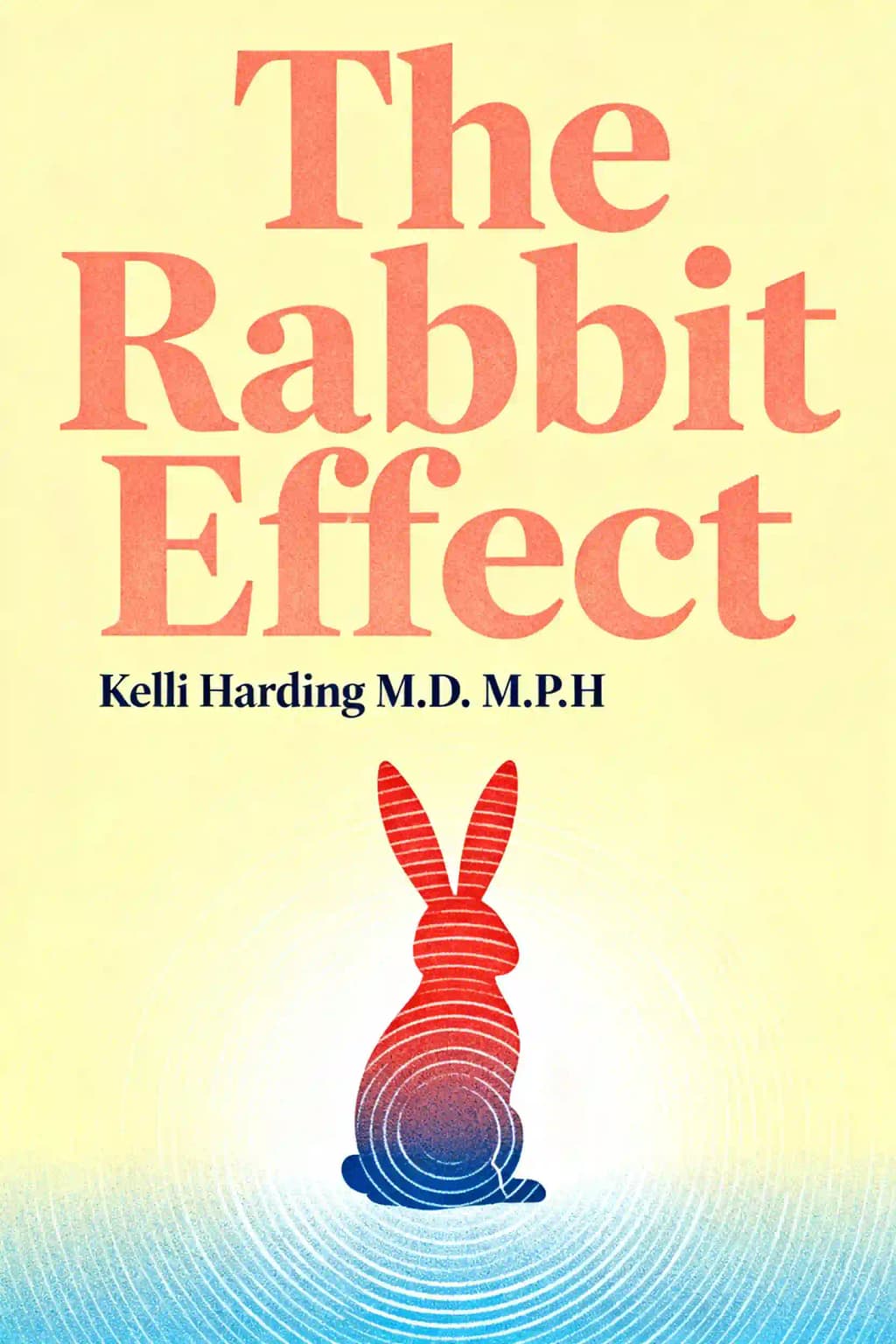
Despite dedicating my career to understanding life, I remain in awe of its enduring mystery-how the spark of a person transcends their physical form and continues through the ripples they create in others. The connections between us persist in ways science cannot fully explain. We remain emotionally and biologically linked through time in mysterious bonds of love that may be the most powerful medicine of all.