150 inner-city teens transformed their trauma into triumph through raw diaries that became a #1 NYT bestseller, inspired 700+ teachers worldwide, and funded college scholarships. Even Anne Frank's protector called these students "the real heroes."
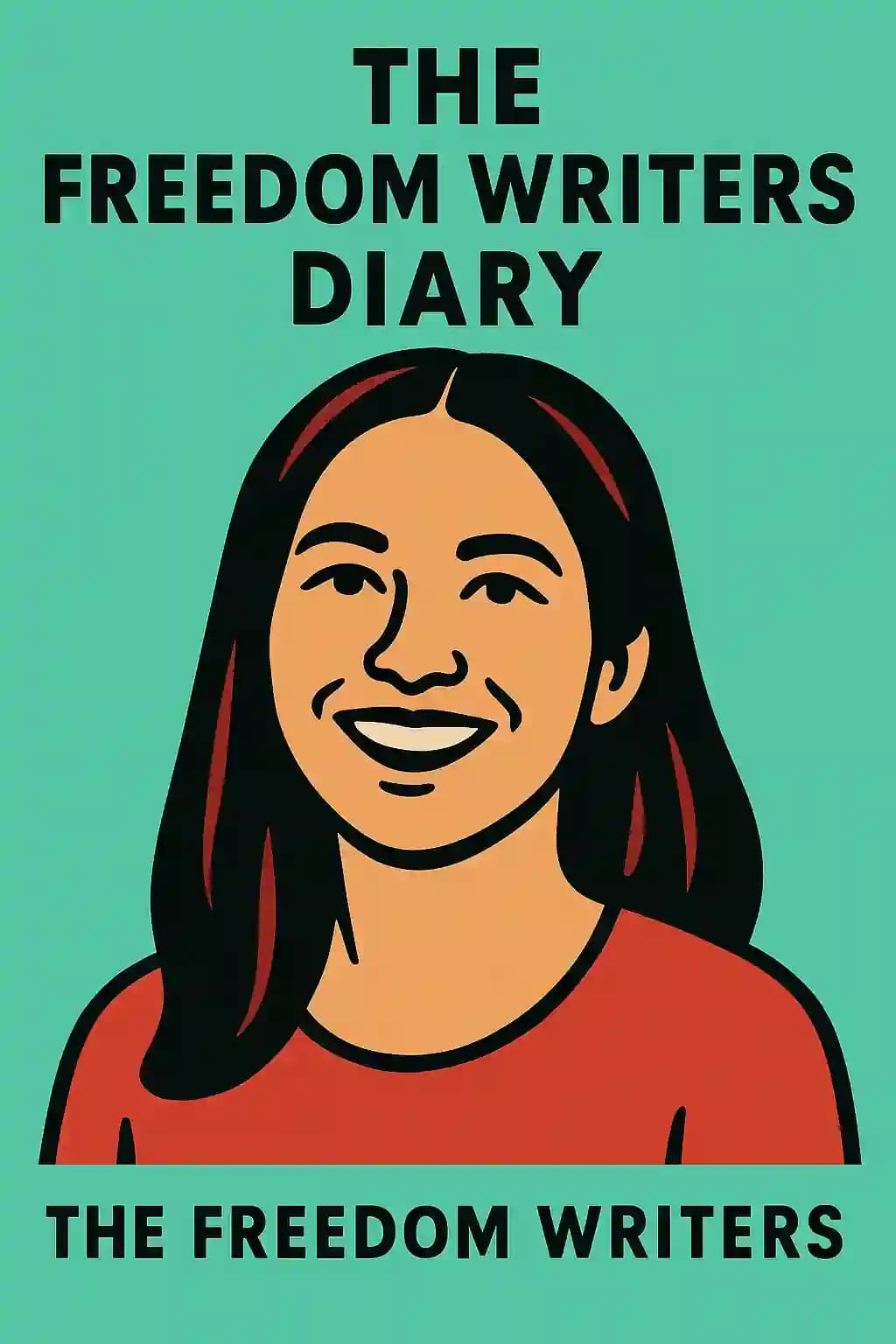
The Freedom Writers are the collective voice of 150 students and their teacher, Erin Gruwell, who co-authored The Freedom Writers Diary, a groundbreaking nonfiction memoir chronicling their journey from at-risk youth to empowered advocates for educational equity. Emerging from Wilson High School in Long Beach, California, these students transformed their experiences with gang violence, racial tension, and systemic neglect into a powerful narrative of resilience.
The work blends diary-style reflections with themes of tolerance, self-worth, and social justice, mirroring the students' immersion in literature like Anne Frank: The Diary of a Young Girl.
Featured on Primetime Live, All Things Considered, and in People magazine, the Freedom Writers gained national recognition for their grassroots campaign to redefine classroom inclusivity. Their story expanded beyond the book through speaking engagements, a dedicated foundation, and educational outreach programs focused on teacher training and student mentorship.
All 150 Freedom Writers graduated high school—many becoming educators and activists—and their diaries have been integrated into curricula worldwide. The book remains a staple in discussions about transformative education, with over 1 million copies sold and translations in multiple languages.
The Freedom Writers Diary is a nonfiction collection of essays by Erin Gruwell and her students, documenting their transformation from "at-risk" teens to empowered advocates for tolerance. Using diaries to process trauma, the students drew parallels between their lives and historical figures like Anne Frank, eventually meeting Holocaust survivor Miep Gies and advocating for educational equity. The book highlights resilience, activism, and the power of writing to drive social change.
Educators, students, and advocates for social justice will find this book impactful. It resonates with those seeking stories of overcoming systemic barriers, as well as readers interested in how literature and mentorship can inspire marginalized youth. The raw, firsthand accounts also appeal to fans of autobiographical works focused on personal and collective growth.
Key themes include racial and socioeconomic inequality, the healing power of storytelling, and education as a tool for empowerment. The diaries explore systemic biases, gang violence, and familial struggles, while underscoring unity through shared human experiences. Historical connections to the Holocaust and Civil Rights Movement reinforce lessons on tolerance.
The students read Anne Frank: The Diary of a Young Girl and invited Miep Gies, who sheltered the Frank family, to speak. Her visit deepened their understanding of persecution and resilience, drawing parallels between Frank’s ordeal and their own struggles with violence and discrimination. This connection became a catalyst for their activism.
Founded after the book’s success, the nonprofit promotes educational equity by training teachers in Erin Gruwell’s methods. It funds classroom resources, scholarships, and outreach programs to replicate the original class’s success in underserved communities.
Journaling helped students process trauma, build self-awareness, and articulate their aspirations. Sharing their stories fostered empathy within the group and later allowed them to advocate for systemic change. The diaries also served as proof of their academic and emotional growth.
The name honors the Civil Rights-era Freedom Riders, reflecting the students’ commitment to fighting injustice. By renaming themselves, they reclaimed their identities as activists and scholars, symbolizing their break from societal labels like “at-risk” or “unteachable”.
It tackles gang violence, racial profiling, poverty, and generational trauma through unflinching student accounts. The diaries also critique underfunded schools and institutional neglect, advocating for inclusive curricula and teacher-student trust to address these challenges.
All 150 students graduated high school, with many attending college—a rarity for their socioeconomic background. Some became educators, activists, or public speakers, continuing to share their stories through the Freedom Writers Foundation.
Gruwell prioritized empathy over standardized curricula, using literature to relate to students’ lives. She funded supplies through side jobs, organized impactful field trips, and encouraged collaborative learning—proving that personalized, culturally responsive education fosters success.
The book showcases how marginalized youth transformed adversity into advocacy through education. Its lessons on courage, unity, and amplifying underrepresented voices resonate globally, earning recognition from media, political figures, and educators.
Written as student diary entries interwoven with Gruwell’s narrative, the format adds authenticity and emotional immediacy. This structure invites readers to witness the writers’ growth firsthand, emphasizing the collective power of individual stories.
Sinta o livro através da voz do autor
Transforme conhecimento em insights envolventes e ricos em exemplos
Capture ideias-chave em um instante para aprendizado rápido
Aproveite o livro de uma forma divertida e envolvente
Change is possible.
"At sixteen, I've seen more dead bodies than a mortician."
"I'm not gonna be the next one to get killed."
"People expected me to become a druggie or pregnant dropout, but now I can prove them wrong."
Divida as ideias-chave de The Freedom Writers Diary em pontos fáceis de entender para compreender como equipes inovadoras criam, colaboram e crescem.
Destile The Freedom Writers Diary em dicas de memória rápidas que destacam os princípios-chave de franqueza, trabalho em equipe e resiliência criativa.

Experimente The Freedom Writers Diary através de narrativas vívidas que transformam lições de inovação em momentos que você lembrará e aplicará.
Pergunte qualquer coisa, escolha a voz e co-crie insights que realmente ressoem com você.

Criado por ex-alunos da Universidade de Columbia em San Francisco
"Instead of endless scrolling, I just hit play on BeFreed. It saves me so much time."
"I never knew where to start with nonfiction—BeFreed’s book lists turned into podcasts gave me a clear path."
"Perfect balance between learning and entertainment. Finished ‘Thinking, Fast and Slow’ on my commute this week."
"Crazy how much I learned while walking the dog. BeFreed = small habits → big gains."
"Reading used to feel like a chore. Now it’s just part of my lifestyle."
"Feels effortless compared to reading. I’ve finished 6 books this month already."
"BeFreed turned my guilty doomscrolling into something that feels productive and inspiring."
"BeFreed turned my commute into learning time. 20-min podcasts are perfect for finishing books I never had time for."
"BeFreed replaced my podcast queue. Imagine Spotify for books — that’s it. 🙌"
"It is great for me to learn something from the book without reading it."
"The themed book list podcasts help me connect ideas across authors—like a guided audio journey."
"Makes me feel smarter every time before going to work"
Criado por ex-alunos da Universidade de Columbia em San Francisco

Obtenha o resumo de The Freedom Writers Diary como PDF ou EPUB gratuito. Imprima ou leia offline a qualquer momento.
Picture a classroom where students carry guns instead of textbooks, where funeral attendance outnumbers field trips, and where a teenager has "seen more dead bodies than a mortician." This was Room 203 at Wilson High School in Long Beach, California-a place where 150 students labeled "unteachable" would defy every expectation. Their teacher, Erin Gruwell, walked into what resembled "a bad rerun of Cops" in 1994 and sparked a transformation that would ripple across the globe. These weren't just troubled teens-they were survivors of a war zone most Americans refused to acknowledge. Through diary entries that would eventually become a bestselling book, they documented their journey from gang members and abuse survivors to published authors and college students, proving that the most powerful weapon against intolerance isn't a gun-it's a pen.