Capítulo 1
The Power of Food as Medicine: Transforming Your Health Through What You Eat
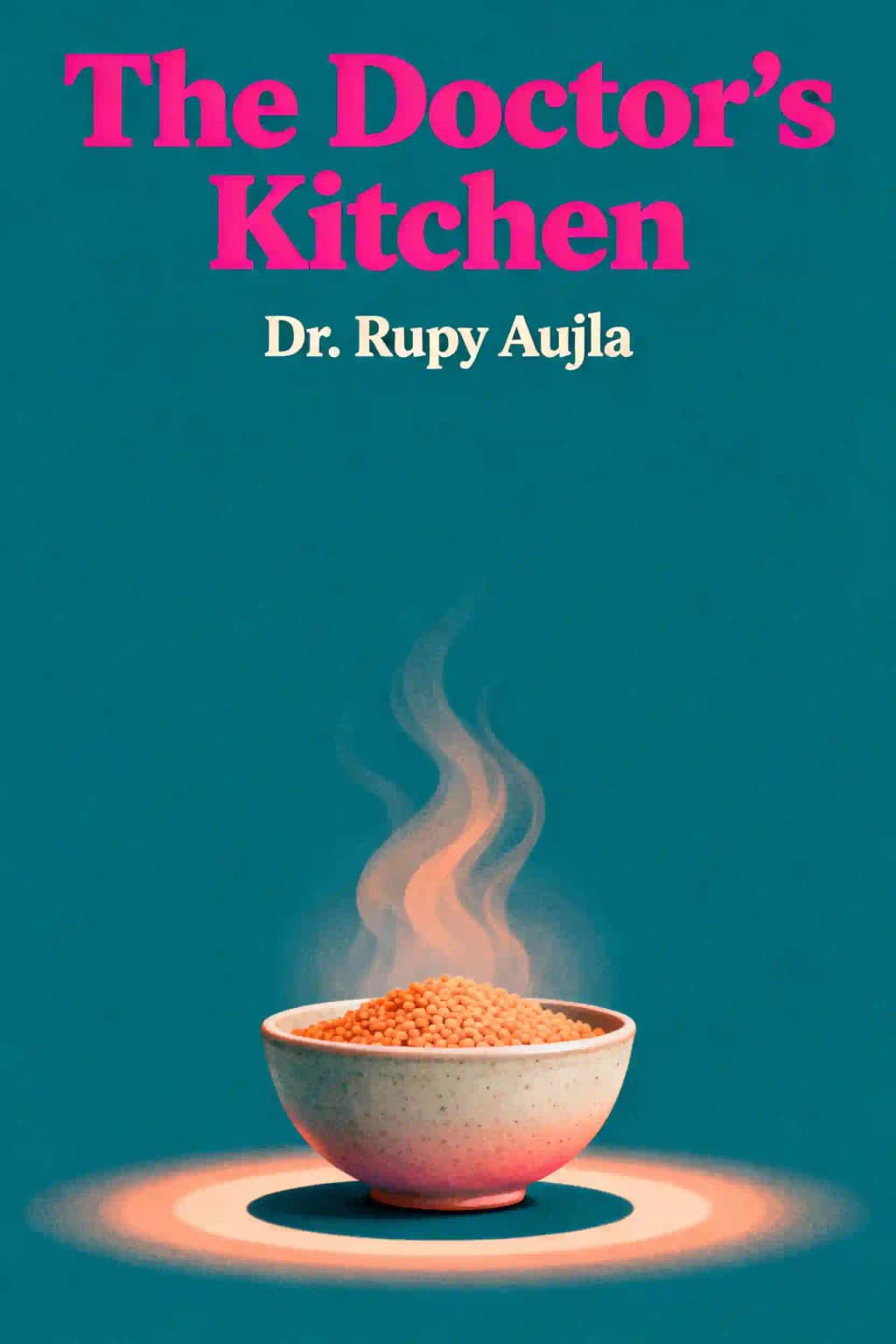
Have you ever wondered why some people seem to defy aging, brimming with energy and vitality well into their later years? The secret might be sitting right on your plate. Dr. Rupy Aujla, an NHS doctor who reversed his own atrial fibrillation through diet changes, has become one of the most influential voices in the "food as medicine" movement. His approach has garnered attention from celebrities like Jamie Oliver, who praised the book as "brilliant," and has influenced how thousands of healthcare professionals now talk to patients about nutrition. The Doctor's Kitchen isn't just another cookbook-it represents a paradigm shift in how we view the relationship between food and health. As chronic diseases continue to overwhelm healthcare systems worldwide, Dr. Aujla's evidence-based approach offers something revolutionary yet surprisingly simple: the most powerful intervention for your health isn't found in a pill bottle but on your dinner plate.
Capítulo 2
A Doctor's Journey from Pills to Plants
My medical journey took an unexpected turn when I was diagnosed with atrial fibrillation at just 24 years old. Despite being in "great health" by conventional standards, I found myself facing a frightening choice: lifelong medication or a risky ablation procedure with potential complications including stroke or death. Searching for alternatives, I followed my mother's example and began experimenting with lifestyle changes.
Working as a junior doctor with grueling shifts, I completely transformed my diet. Gone were the cereals and toast, replaced by dark leafy greens, miso, nuts and seeds. Instead of soggy hospital cafeteria sandwiches, I brought Tupperware containers filled with cruciferous vegetables seasoned with spices and healthy fats. I incorporated meditation to manage stress and prioritized sleep. Most importantly, I refused to let my condition define me.
The results were remarkable-my AF episodes dropped from weekly occurrences to zero. This improvement likely stemmed from multiple factors: increased vegetable consumption providing essential electrolytes and vitamins, cruciferous vegetables positively affecting my DNA expression, elimination of sugary drinks, improved gut bacteria from added fiber, and better stress management through essential fatty acids and mindfulness practices. Rather than merely treating symptoms, I had created an optimal environment for my body to heal itself.
This personal transformation revealed a glaring gap in my medical training. Despite years of education, I was woefully unprepared to address the root causes of our biggest healthcare challenges: lifestyle-related illnesses like diabetes, obesity, and heart disease. Beyond basic low-fat, low-calorie diet recommendations, I had no tailored nutritional strategies for specific conditions.
Knowing from personal experience that food was more than just macronutrients and energy, I immersed myself in research-scouring journals, attending nutrition conferences, and studying thousands of papers. I was shocked that medical schools reduced this vast body of evidence to a few uninspiring lectures.
I began transforming my patient consultations by asking about eating habits. My clinics became more engaging as I motivated patients to control their conditions through delicious, personalized recipes. Diabetics improved blood sugar control, arthritic patients lost weight and became more active, and even those without physical changes reported feeling better overall.
Unable to write recipes for 40+ daily patients, I created "The Doctor's Kitchen"-a multi-platform resource with evidence-based information on food as medicine. My emergency room experience showed me how poor dietary choices often culminate in crises like heart attacks or strokes. The solution to our overburdened healthcare systems lies in preventative community care where nutrition plays a pivotal role.
Capítulo 3
Food as Medicine: Science, Not Opinion
When I say "food is medicine," I'm not expressing a trendy opinion but stating scientific fact. Countless studies demonstrate the effectiveness of nutritional interventions on society's biggest killers. My role is to help you understand the science behind food's healing power and recognize that what we consume directly impacts how our bodies function and fight illness.
Let me be clear: I don't advocate replacing pharmaceuticals with supplements. I don't suggest swapping cholesterol medication for nuts, nor do I believe in magic bullets like turmeric supplements or pomegranate juice. Disease stems from a complex interplay of diet, sleep, exercise, and stress-a relationship largely unfamiliar to conventionally trained doctors.
I champion "plates over pills" because nutrition offers the easiest, most cost-effective, evidence-based method of preventing and reversing disease. The Mediterranean diet's impact on cancer, diabetes, and cardiovascular risk far exceeds what pills or surgeries can achieve. While medications have their place, we should explore nutritional approaches first, especially given pharmaceuticals' many side effects.
Our healthcare systems are financially strained, yet our guidelines already acknowledge lifestyle changes as the first step in treating conditions like diabetes and hypertension. Unfortunately, most doctors receive less than 20 hours of nutrition training during their five-year medical degree, leaving them ill-equipped to provide dietary advice. This knowledge gap, combined with short consultations and patient demand for quick fixes, leads to over-medication when we should first be asking, "What are you eating?"
As an NHS GP, I'm committed to making healthcare accessible to everyone. While there's a perception that eating well is expensive and exclusive, it doesn't have to be. Despite its flaws, the wellness industry has successfully motivated millennials to embrace green smoothies, kale, and exercise-achieving behavioral changes no doctor could inspire. Rather than dismissing this trend, I appreciate its spotlight on healthy living while seeking to make it more inclusive.
I regularly encounter patients who believe good nutrition requires wealth or time they don't have. Let me be clear: being wealthy doesn't automatically make you healthy, even with access to expensive ingredients. The most nutritionally dense foods-the real "superfoods"-are actually the least expensive items on supermarket shelves. Once you understand healthy eating principles, it becomes an affordable choice for average households.
Capítulo 4
Plant-Focused Eating: The Science Behind the Plate
Though often mistaken for a vegetarian or vegan due to my enthusiasm for vegetables, I actually eat all types of meat and fish-I simply focus my diet around plants. This isn't just personal preference; it's grounded in science. Beyond their well-known vitamins and minerals, plants contain phytochemicals that give them pigment, smell, and flavor. These compounds have remarkable effects on inflammation, bone health, and even cancer prevention.
The evidence is convincing: increasing fruit and vegetable intake lowers risk of stroke, cancer, and heart disease. I enjoy animal protein once or twice weekly, recognizing that nutrients like zinc and B12 are difficult to obtain from purely plant-based diets. However, I view meat as a luxury item, similar to our ancestors. I'm concerned about mass-produced livestock's harmful effects on both health and environment-stressed, improperly raised animals aren't good for us despite their protein content.
Rather than promoting trendy diets, I advocate for the well-studied Mediterranean diet-plant-based proteins, fiber from nuts and legumes, quality fats, and limited meat. This isn't about dietary dogma but encouraging a fitter lifestyle through delicious, plant-focused meals that can be adapted to various ethnic cuisines. The goal is to tempt your taste buds rather than forcing vegetable consumption out of obligation.
When following a largely plant-based diet, I'm frequently asked about protein sources. While this is a common concern, the more pressing public health issue is actually our lack of nutrient density and fiber. Fortunately, plants high in protein also contain abundant fiber and health-promoting phytochemicals. Though I still enjoy meat and fish occasionally, most of my protein comes from delicious plant sources.
Capítulo 5
The Forgotten Organ: Your Gut Microbiome
The science behind our microbiome-the trillions of microbes living primarily in our colon-is increasingly compelling, with researchers now calling it "the forgotten organ." These microbes protect us from infections, break down food molecules, create neurotransmitters, and alter our immune system. They potentially impact conditions ranging from dementia to diabetes, prompting specialists across medical disciplines to explore gut-focused treatments.
This isn't merely a fad but represents a return to traditional eating methods practiced by our ancestors across cultures-from Japanese pickled ginger and miso to Indian lassi, Middle Eastern kefir, Nordic smorgasgurka, and Korean kimchi. Modern Western diets have lost these qualities through pasteurization, radiation, and additives that make food sterile for convenience but negatively impact our microbiome.
Rather than expensive supplements, I recommend evidence-based dietary interventions for gut health: prebiotic foods (specialized fibers like Jerusalem artichokes and chicory that feed beneficial microbes), probiotic foods (unpasteurized fermented foods containing live bacteria), polyphenol-rich foods (cacao, dark leafy greens, beetroot), spices (which reduce inflammation), dietary variety (microbes thrive on diverse foods), and some raw foods (though cooking can sometimes increase nutrient availability). These approaches nurture your microbiome deliciously without requiring costly supplements or tinctures.
Beyond diet, I encourage patients to avoid unnecessary antibiotics which indiscriminately remove beneficial bacteria, limit refined carbohydrates and artificial sweeteners that adversely affect microbes, and incorporate exercise, laughter and mindfulness practices which may positively impact the microbiome. The science examining our gut health is accelerating rapidly, and I believe future medical approaches will significantly appreciate gut health as fundamental to wellbeing.
Capítulo 6
Your Dinner Speaks to Your DNA
Food communicates directly with our DNA, affecting our genetic expression in ways we're just beginning to understand. The micronutrients in our meals and even the timing of when we eat can alter how our genes function for better or worse health outcomes. This emerging field of study-covering nutrigenomics, nutrigenetics and epigenetics-reveals that despite our inherited genes, we have remarkable power to influence our health destiny through diet and lifestyle.
Rather than focusing on genetic testing tools (which I advise approaching with caution as they offer limited perspective), I encourage incorporating micronutrient-dense foods that science shows can positively affect genetic functioning. The empowering message is that regardless of genetic predisposition, we can steer our health through enjoyable, flavorful food choices that provide our bodies with the information needed for optimal function.
Cruciferous vegetables like broccoli, cauliflower, kale and Brussels sprouts contain sulforaphane, a plant chemical being researched for its ability to stabilize cells, protect against cancer, and impact gene regulators involved in reducing cancer activity. Beyond this single compound, these greens contain hundreds of beneficial chemicals plus essential micronutrients like magnesium and folate vital for DNA repair and production.
Herbs and spices do more than make meals pleasurable-they contain powerful plant chemicals that influence gene activity. Simple parsley contains flavones known to promote genes that suppress inflammation, key in preventing conditions like cancer and diabetes. Similarly, rosemary, turmeric, ginger, oregano, onion and garlic contain compounds like epigalletins, quercetin and luteolin that positively affect genetic function.
The vibrant colors in fruits and vegetables represent phytochemicals that directly affect our genes and reduce inflammation-crucial for longevity and disease prevention. For example, anthocyanins, which give foods like beetroot, berries and red onions their rich red hues, activate genes responsible for antioxidant activity that helps prevent cancer.
Your microbiome-primarily gut bacteria-contains over 100 times more genetic material than your own DNA and actively communicates with your genes. While we cannot change our inherited genetic code, we can alter our microbial population through diet and environment, which in turn affects our genetic expression.
Sleep, fasting, and mindfulness are three key lifestyle factors that influence our genetic expression and overall health. Quality sleep produces melatonin which activates genes involved in repair and anti-inflammatory functions. Fasting, particularly limiting eating to a 10-11 hour window daily, improves expression of genes that control sugar metabolism and promote longevity. Mindfulness practices like meditation have shown remarkable effects on genetic markers of aging, potentially having literal anti-aging effects.
Capítulo 7
Beyond Diet Trends: Finding Your Personal Path
There is no perfect one-size-fits-all diet. Our nutritional needs are as unique as we are, influenced by our genetics, microbiome, cultural background, age, and environment. Rather than rigidly following labeled "good" or "bad" foods, I advocate creating a personalized eating style that adapts to your changing needs. Eating should be viewed as a lifestyle rather than an uncompromising diet.
Low-carb diets like Paleo, Atkins, and Ketogenic have shown benefits for insulin sensitivity, diabetes, and even autoimmune conditions in some studies. They may help people re-sensitize to insulin after overindulging in refined carbohydrates. However, these approaches come with significant drawbacks: constipation, bad breath, nausea, and potential increased risk of bowel cancer due to lack of fiber. Many people can't maintain these diets long-term, and when returning to carbohydrates, they often regain lost weight with potentially worse health outcomes.
The SIRT diet's narrow focus on foods affecting specific genetic pathways oversimplifies the complexity of human nutrition. While parsley, dark chocolate and green tea do increase SIRT gene expression, countless other foods contain similar beneficial compounds. Focusing exclusively on a limited group of ingredients misses the broader point about nutritional variety.
While intermittent fasting approaches like the 5:2 diet show promising scientific benefits, they often fail the sustainability test. Restricting calories to 500 for two days weekly isn't enjoyable or maintainable for most people. This approach also tends to emphasize calorie counting, which shifts focus away from food quality to numbers on packaging. The outdated notion that all calories are metabolized equally is fundamentally flawed-a bag of sugar affects the body drastically differently than an equal calorie amount of spinach.
The alkaline diet exemplifies the frustrating divide between physicians and the wellness industry. While this diet encourages eating more dark green leafy vegetables and generally healthier foods, the claims about changing blood pH through diet are scientifically unsound. You can change urine pH with food, but suggesting a miraculous total-body pH transformation oversimplifies complex biochemistry.
The medical profession's decades-long obsession with reducing dietary fat has been devastatingly counterproductive. We arrogantly assumed overweight patients were simply gluttonous, promoting hydrogenated fats and sugar-laden alternatives that proved terrible for vulnerable populations. The extreme restriction of saturated fat and cholesterol is becoming obsolete as further analysis proves fat isn't as detrimental as once thought.
Many diets share a problematic focus on weight loss as the primary measure of success. But is weight management truly a reliable biomarker of general health? BMI is a poor predictor of outcomes, yet many studies continue using it as standard. Anyone can lose weight, but sometimes this happens at the expense of health rather than in pursuit of it. I'm convinced that good health is independent of size and weight. We need less emphasis on weight as an outcome and more focus on wellbeing.
Capítulo 8
Nature's Medicine Cabinet: The Power of Spices
Growing up in an Indian household, I was surrounded by spices, herbs and folk medicines that seemed capable of treating everything from sore throats to constipation. My father would make mixtures of almonds, clarified butter and sugar as "brain food" during exams, while my mother was creating turmeric lattes long before they became trendy. My Ayurvedic heritage fascinates me with its potential to become recognized treatment for chronic disease.
Turmeric stands as one of nutritional science's most extensively researched spices, now widely accepted for its potential to prevent bowel cancer. Evidence also suggests benefits for dementia, chronic pain syndromes, and inflammatory conditions. Interestingly, studies using high doses of isolated curcumin (just one of turmeric's active compounds) have shown mixed results. This teaches an important lesson: whole plants are superior to isolated chemicals.
Garlic forms the flavor base for most of my meals, regardless of cuisine. Enough research has been published to suggest it can lower cancer risk, with laboratory studies demonstrating its anti-bacterial and anti-viral properties. It may positively impact gut microbe populations too. Garlic's versatility is remarkable-you can roast whole bulbs, drizzle with olive oil, and squeeze the cooked pulp out to use as a spread or flavor enhancer.
Another staple Indian spice, ginger has been studied for effects ranging from cancer prevention to nausea treatment. Its antioxidants-gingerols, shagoals and zingerones-are thought responsible for its health benefits. I prefer fresh ginger for its pungent taste and powerful volatile compounds, using it as a base for many recipes. It works wonderfully in drinks, tonics, sauces and curries.
Sumac offers a wonderful warm citrus flavor, used in Iranian and Turkish cuisines. It's one of the most antioxidant-rich ingredients on the planet, traditionally used to treat diabetes and cardiac disease, though most research remains limited to laboratory settings. A simple sprinkle transforms everything from poached eggs to yogurt, making it perfect for Middle Eastern-inspired dishes.
Cumin contains myriad compounds thought to be anti-bacterial and blood-sugar regulating, though human clinical trials remain limited. What we do know is its high antioxidant capacity and compounds implicated in reducing inflammation and fighting cancer. I couldn't cook without cumin (or 'jeera'), which has an assertive taste that works in countless dishes.
Cinnamon is an aromatic, antioxidant-packed flavor bomb that has been extensively studied for its anti-inflammatory effects and benefits for metabolic syndrome. Its versatility spans both savory and sweet dishes, drinks and dressings, from modern European cuisine to rural Indian meals. No wonder cinnamon was once more valuable than gold in Egyptian times.
The incredible health properties of herbs aren't exclusive to exotic imports. Kitchen-grown herbs like basil, rosemary and thyme contain exceptional chemicals that reduce oxidative stress and inflammation-important factors in lifestyle-related diseases like hypertension, stroke and diabetes. As a doctor, I strongly recommend including these herbs in your daily diet.
Capítulo 9
Superfoods Worth Your Money (And Those That Aren't)
Patients frequently ask whether "health foods" are worth the extra cost. While the growing interest in healthy eating is encouraging, the "superfood" trend has downsides, making organic foods seem accessible only to the middle class and suggesting healthy eating is inherently expensive. I evaluate these pricier ingredients based on both scientific evidence and taste, recommending only those worth the extra expense.
Hemp seeds offer one of the most concentrated sources of plant-based protein available, with impressive fiber content and a heart-healthy fatty acid profile. Their nutty, slightly oily texture makes them perfect for smoothies, granola, or as spiced salad toppers. They're easier on digestion than processed protein powders and far more nutritionally dense.
Raw cocoa beans are roasted and ground to create cacao powder-bitter, antioxidant and flavanol-rich powder that works in everything from Mexican Mole to vegan ice cream. It's a complete protein with an exceptional phytochemical profile, potentially reducing stroke risk, elevating mood by preserving tryptophan, and improving cardiac function through increased nitric oxide levels.
Despite occasional eye-rolling from colleagues, quinoa in all its colored varieties is a worthwhile dietary addition. It's good value, widely available, easy to cook, and nutritionally superior to rice, bread or pasta with higher protein and more vitamins and minerals. Containing all essential amino acids and abundant antioxidants (especially in darker varieties), it's been labeled a potential "functional food" that may help reduce high blood pressure, metabolic syndrome and stroke risk.
A cornerstone of the Mediterranean diet, extra-virgin olive oil has fluctuated in popularity as opinions shift on what constitutes a healthy plate. In the context of a low-sugar, nutrient-dense diet, olive oil has shown potential heart-protective benefits and makes food more enjoyable. EVOO reduces oxidative stress through its fatty acid content and rich diversity of phenolics. It remains stable up to cooking temperatures around 170C, and the taste difference between poor and high-quality versions is noticeable.
Matcha, a finely ground green tea powder, offers compelling evidence for both cancer prevention and supporting cancer treatment. Its high consumption in Japan correlates with lower cancer rates, and studies show benefits for cardiovascular disease, diabetes and improved cognition. Rather than isolating compounds like ECGC, the health effects likely come from matcha's rich variety of polyphenols working together.
Dark berries deliver an antioxidant punch through phytochemicals like anthocyanins that create their beautiful pigments. These compounds offer heart protection, may shield against dementia, and correlate with longevity in certain populations. While fresh berries can be expensive, frozen varieties retain nutritional value and are more affordable. Red cabbage, purple broccoli, and red onions contain similar phytochemicals.
Capítulo 10
The Doctor's Prescription for Optimal Health
Rather than needing separate approaches for different health aspects, a holistic diet and lifestyle works best. Drawing from literature on plant compounds, vegetable-focused diets, gut health, nutrigenomics, micronutrients, sleep, meditation, and inflammation, I've condensed evidence-based, achievable principles:
1. Eat colorful foods-aim for two different vegetables at every meal with varied colors
2. Focus on plant protein which offers nutrient density, phytochemicals, fiber and adequate protein
3. Don't forget fiber, key to longevity and gut health
4. Don't fear good-quality fats
5. Define eating hours within a 10-11 hour window
6. Remove refined foods
7. Prioritize 7-8 hours sleep
8. Take electronic daily detoxes
9. Incorporate daily movement
10. Practice mindfulness through brief moments of active rest
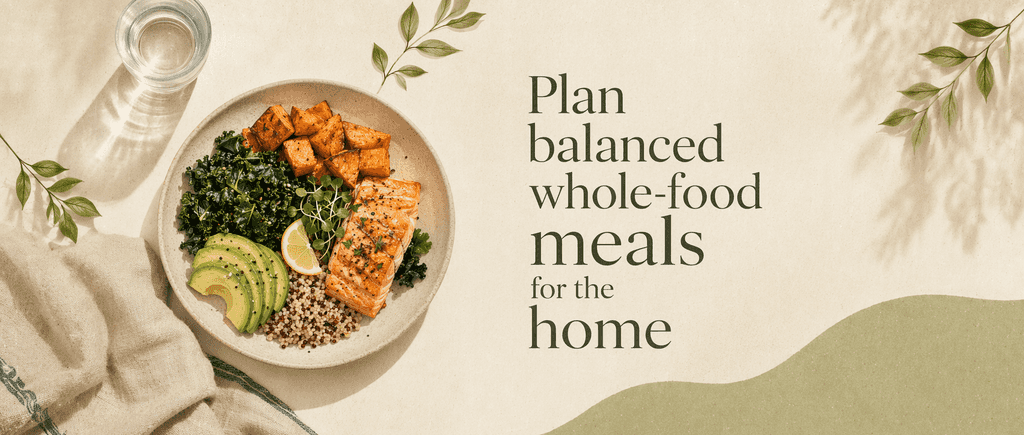
To maintain a healthy diet despite busy shifts and irregular hours, I've developed practical kitchen strategies. Essential tools include quality Tupperware for meal prep, keeping garlic-ginger-chilli flavor bases ready, stocking frozen vegetables, and investing in key kitchenware (quality pans, sharp knife, spice grinder). Cooking in bulk, especially grains and pulses, provides versatile meal bases. Stock your pantry with tinned legumes, dried beans, nuts and seeds for nutrition and satiety. Limit kitchen gadgets to essentials like a blender and food processor. Build a comprehensive spice collection and pre-mixed pastes to transform simple ingredients.
For those who find cooking stressful, I approach it as a mindfulness practice-a way to quiet the busy mind while focusing on a meaningful activity. Start by getting in the right mindset, perhaps planning meals ahead rather than forcing yourself to cook when anxious. Keep essential ingredients stocked and play music to create a comfortable environment. Practice mise en place-preparing all ingredients before starting-to stay calm and organized. Clean as you cook to avoid post-meal cleanup dread. Consider cooking with friends or family to make it social and educational, especially for children who benefit from understanding food's connection to health.
Capítulo 11
From Knowledge to Kitchen: Putting It All Together
This cookbook is a journey of discovery about food's importance. Food affects our cell structure, microbes, brain chemistry, and even genetic material. I want everyone, including medical professionals, to recognize that plates are as powerful as pills and food truly is medicine. My hope is to empower you to incorporate nutrient-dense foods into your diet, demonstrating that healthy living isn't bland, mundane or difficult, but rather an enjoyable lifestyle that transforms both perspective and health.
We need to return to basics, using diet as self-care. Our minds and bodies achieve their full potential only with proper nutrition and environment. Food initiates crucial conversations about lifestyle medicine in modern healthcare, acknowledging the beautiful complexity of both our bodies and the food we consume.
I've created 100 beautiful, easy recipes designed to fit into anyone's life, uniting research with delicious foods. Every ingredient choice, cooking method, and spice combination is influenced by clinical research. A meal isn't just refueling or consuming molecules to sustain life-it's medicine in the true sense: a complex array of elements affecting our behavior and experiences, as diverse as the universe itself and a perfect entry point to lifestyle medicine.
I've highlighted recipes that demonstrate food's role in preventing and managing certain conditions, though nutrition shouldn't be considered in isolation-our entire lifestyle including sleep, stress and activity levels contributes to healthier living. The highlights include colorful dishes rich in Omega-3 fats that may prevent high blood pressure and cholesterol issues; meals with plenty of fiber, reduced sugar and refined carbohydrates to control blood sugar; and gut-healthy recipes using diverse ingredients beneficial for our microbiome, containing various fibers, colors and spices.
The recipes range from comforting one-pot dishes to vibrant salads, from protein-rich plant-based meals to aromatic spice blends that transform simple ingredients. Each recipe is designed not just for flavor but for its specific health benefits-whether supporting gut health, reducing inflammation, or providing essential nutrients for cellular function.
Remember that this journey isn't about perfection but progress. Start with small changes, perhaps incorporating one new vegetable each week or experimenting with a different cooking technique. Be patient with yourself as you develop new habits and tastes. The path to health through food should bring joy and discovery, not stress and restriction.
By embracing the principles in this book-eating colorfully, focusing on whole foods, incorporating beneficial spices, and approaching cooking with mindfulness-you're not just changing what's on your plate. You're potentially changing the trajectory of your health for decades to come. And that might be the most powerful medicine of all.