Capítulo 4
Reclaiming Sexual Liberation
A significant portion of "Pleasure Activism" addresses sexual pleasure as a site of both oppression and potential liberation. Brown candidly shares her own journey toward loving her body and embracing pleasure, offering five tangible tools: self-love through masturbation as both personal healing and political power; orgasmic meditation as a daily practice; self-pornography to "decolonize desire"; developing erotic awareness; and talking about sex openly despite discomfort.
Brown challenges readers to examine their relationship with pleasure, particularly how societal conditioning shapes our desires. She notes that many powerful women still believe they need to be dominated in bed, even as they develop feminist politics elsewhere. "Smashing patriarchy," she argues, "requires examining not just rape culture but our culture of desire-what turns us on, and can we change it if it doesn't align with our beliefs?"
This examination extends to pornography, which Brown approaches with curiosity rather than judgment. She encourages readers to consider: "What shapes us as we turn to pornography? How does porn shape our real-life desires? Can we use pornography to reshape our desires in healthier directions?" Rather than advocating abstinence, she promotes conscious consumption and the development of new fantasies that align with our values.
In the wake of #MeToo, Brown offers practical guidance for navigating consent, boundaries, and communication. She frames consent as saying yes on one's own terms, emphasizing that many have had boundaries crossed before learning about consent. Instead of fear-based approaches, she advocates teaching consent and boundaries to shift our collective story to "#WeConsentedAndItWasDelicious." Her practical advice includes developing self-awareness about desire, understanding consent's multiple levels, and practicing both asking for and giving consent with clarity.
Throughout these discussions, Brown maintains that sexual liberation isn't about specific practices but about aligning our desires with our values and communicating honestly. As she writes, "What feels good is sustainable" and experiencing pleasure is essential to being "fully alive" and motivated to "fight for my right to exist and love and grow and evolve."
Capítulo 5
The Politics of Radical Drug Use
Brown approaches substances through a comprehensive harm reduction lens, sharing her nuanced personal experiences with cannabis and psychedelics while strongly advocating for education and radical honesty. She believes "most drugs should be legalized with safe spaces to use them," documenting how substances like cannabis have helped her slow down, manage chronic pain, and access deeper spiritual experiences. Her approach emphasizes the importance of understanding both the benefits and risks of different substances, rather than adopting blanket prohibitionist stances.
In an illuminating conversation with Monique Tula of the Harm Reduction Coalition, they deeply explore how substance use intersects with multiple systems of oppression and social control. Tula shares her powerful family history spanning four generations of drug users affected by systemic poverty, institutional trauma, and cycles of incarceration. Through personal stories, she illustrates how criminalization has torn families apart and perpetuated intergenerational trauma. She envisions harm reduction as a web of interconnected activists-"spiders" of all backgrounds working together against oppressive systems, emphasizing the need for coalition-building across race, class, and lived experience.
Brown persuasively argues that the greatest harm from substances stems not from use itself but from criminalization and the war on drugs. She points out the glaring injustice of "privileged white folks profit[ing] from selling what Black and Brown people remain imprisoned for," highlighting the racial and economic disparities in drug policy enforcement. Malachi Garza extends this crucial critique, noting that with marijuana legalization projected to reach $44 billion by 2020, only 1% of the cannabis industry has African American ownership. This stark statistic reveals how legalization without equity perpetuates historical injustices. Garza advocates for comprehensive equity frameworks-including hiring formerly incarcerated people with living wages, creating ownership opportunities for communities of color, and ensuring that those most impacted by criminalization benefit from emerging legal markets.
What emerges from these perspectives is a nuanced pleasure politic that rejects both simplistic prohibition and uncritical celebration of substances. Instead, Brown promotes intentional, functional relationships with substances based on core harm reduction principles of non-judgment, human dignity, and community empowerment. This approach recognizes the complex reality of substance use - acknowledging both potential benefits for wellness and spirituality alongside risks and challenges. It simultaneously works to challenge and transform the racist and classist systems that have historically criminalized certain communities for the same behaviors that others now profit from legally. The framework calls for both personal responsibility and systemic change, emphasizing how individual healing must be coupled with collective liberation.
Capítulo 6
Healing Toward Pleasure
For many marginalized people, accessing pleasure requires healing from trauma-both individual and collective. Brown shares her extensive experience with Somatics, a methodology for embodied transformation that works through the body to release deeply held patterns of pain and tension. What particularly attracted her to this approach was its collective nature-"not about going away from community to heal, but feeling how patterns of pain indicate mass trauma we're surviving together." This methodology recognizes that trauma lives in the body and requires physical, not just mental, approaches to healing.
The book features several powerful testimonials about diverse healing journeys. Junauda Petrus vividly describes reconnecting with her body through direct contact with nature after a devastating breakup, finding solace in activities like swimming in lakes, walking barefoot on grass, and spending time among trees. Her story illustrates how nature can serve as a gentle gateway back to embodied pleasure. Micha Cardenas reflects deeply on how her early erotic art unconsciously re-created childhood trauma patterns, and how she's subsequently built deep self-love through spiritual practice, including meditation, ritual, and conscious movement. Amita Swadhin shares her complex path to pleasure after childhood sexual abuse, carefully distinguishing between thrill-seeking activities that stimulate adrenaline due to danger versus truly pleasurable activities that foster authentic connection to self. Her journey highlights the importance of understanding the difference between temporary excitement and sustainable pleasure.
These narratives illuminate a crucial aspect of pleasure activism: for oppressed people, intentionally cultivating pleasure is itself an act of resistance against systems that profit from disconnection and trauma. As Brown powerfully writes, "We are in an era of rejecting the rigidity and lies of authoritarian systems that aim to separate us from listening to the wisdom of our bodies in order to control us." Healing becomes not just personal work but political transformation-remembering our fundamental nature and regenerating natural relationships with each other. This framework positions pleasure as both a birthright and a revolutionary tool.
This healing extends deeply into how we care for each other in community. Leah Lakshmi Piepzna-Samarasinha challenges the false dichotomy between care and pleasure, sharing rich examples from disability justice communities where care becomes a vibrant site of joy, humor, and genuine connection. She describes communities where people cook together, share medicines, offer emotional support, and create accessibility - all while maintaining lightness and celebration. She envisions "diverse care tactics" where everyone can create "intimate, healing relationships where care needs aren't hidden but celebrated," suggesting a radical reimagining of what care can look and feel like. This vision transforms care from obligation into opportunity for deeper connection and collective joy.
Capítulo 7
Embodying Wholeness in Movement Spaces
A core tenet of pleasure activism is bringing our full selves to justice work-including our bodies, humor, creativity, and joy. Brown challenges the notion that serious political work must exclude pleasure, arguing instead that movements become more sustainable and effective when they incorporate celebration.
This wholeness includes embracing cultural pleasures often dismissed as frivolous. Brown shares her love for Beyonce as an example, describing how "publicly claiming my love for Beyonce was key to becoming a pleasure activist." She celebrates Beyonce's evolution from "Cater to You" to "Don't Hurt Yourself," noting how her concerts become "self-love gatherings where, while the world rages outside, Black women celebrate loving themselves."
Humor emerges as another crucial aspect of wholeness in movements. In a conversation with Indigenous comedian Dallas Goldtooth, they discuss how humor creates "spaciousness" amid struggle. Goldtooth explains that Indigenous humor recognizes comedy as a necessary balance to life's difficulties-not something to be overcome but part of an eternal balancing act. When asked about finding laughter even during extinction-level threats, Dallas affirms the importance of being able to release tension while fighting for important causes.
Personal adornment and expression also feature prominently. Conversations with cultural workers like Maori Holmes, Taja Lindley, and the Osato sisters explore how fashion, burlesque, and performance art become sites of liberation. For Taja Lindley, beauty and pleasure are "freedom rituals," where taking control of her body's narrative becomes powerful resistance against a state that tries to write her history in limiting ways.
What emerges is a vision of activism that rejects the martyr model in favor of sustainable, joyful engagement. As Brown writes, "We are what we practice. We become what we do over and over again." By practicing pleasure alongside our politics, we create movements that people want to join and remain in-movements that prefigure the world we're trying to build.
Capítulo 8
Crafting Liberated Relationships
The final dimension of pleasure activism involves transforming our relationships-romantic, platonic, familial, and communal. Brown offers an expanded framework for "liberated relationships" that center freedom and transformation for all partners.
She outlines several core principles: radical honesty (speaking truth without omissions); acknowledging power dynamics while remembering they're constructs to evolve beyond; creating your own normal rather than comparing to others; aligning desires rather than starting with compromise; embracing transformation together; staying curious about evolving desires; and setting generative boundaries that create mutual abundance.
Brown candidly shares her journey with nonmonogamy, from her early exposure to "The Ethical Slut" in college to her mature understanding that different relationship structures work for different people based on their wiring. She critiques both compulsory monogamy and dogmatic nonmonogamy, advocating instead for honest exploration of what truly works for each person and relationship.
The book also celebrates deep friendship as a form of pleasure activism. In a conversation with friends Dani McClain and Jodie Tonita, they discuss their intentional "woeship"-a friendship focused on working on excellence together. They describe how these bonds provide what many believe is only possible through romantic relationships: "unconditional love and the feeling of being known."
This extends to how we parent and relate to children. Contributors share approaches to raising sexually liberated kids through body acceptance, age-appropriate education, and modeling healthy pleasure. Autumn Brown captures the complex pleasures of parenting-moments of tenderness, witnessing children's emotional intelligence, and the bittersweet knowledge that they will grow and change.
Throughout these discussions, Brown emphasizes that liberated relationships create "abundant justice"-ensuring everyone has access to belonging, dignity, and safety in community. By practicing new ways of relating, we prefigure the world we're trying to create.
Capítulo 9
Practices for Embodying Pleasure Activism
Brown concludes with concrete practices to embody pleasure activism in daily life, offering a comprehensive framework for integrating pleasure into both personal practice and social justice work. At the foundation is attention liberation through meditation - not just formal sitting practice, but moment-to-moment awareness that helps us notice where we find genuine pleasure and what depletes us. This pairs with daily bodily pleasure practices, which might include mindful eating, movement that brings joy, self-massage, or simply taking time to feel the sun on your face.
The practice of finding ease amid struggle is particularly vital for activists and anyone doing challenging work. This involves actively seeking moments of lightness and rest even during difficult campaigns or personal hardships. Brown emphasizes that centering pleasure in organizing means structuring movements and meetings to include joy, celebration, and connection - whether through shared meals, music, dance, or simply creating space for genuine laughter and relationship-building.
Setting and holding generative boundaries emerges as a crucial skill, one that requires regular practice and refinement. This connects directly to only saying yes when you truly mean it - a practice that helps preserve energy and authenticity while modeling consent culture. Taking responsibility for creating pleasure means actively pursuing what brings you joy rather than waiting for it to arrive, while simultaneously remaining unattached to specific outcomes.
The practice of learning what "enough" feels like serves as an antidote to capitalism's endless drive for more. This might manifest as recognizing when you're satisfied with a meal, knowing when to end a workday, or understanding your capacity for emotional labor. Brown emphasizes that recognizing yourself as a miracle - truly accepting your inherent worth and right to pleasure - underlies all other practices.
These practices transform us into pleasure activists through daily embodiment rather than mere theoretical understanding. They help us move beyond the paradigm of constant struggle to envision and create futures that transcend our current challenges. Brown demonstrates this through her own journey, sharing how despite facing financial hardship, trauma work, body image struggles, depression, and political burnout, she accessed unprecedented joy through these practices.
This joy emerged not from avoiding difficulty but through radical vulnerability - asking for help when needed, expressing desires clearly without shame, and fully embracing her authentic self. Through consistent practice, she found that pleasure activism became not just a philosophy but a lived experience that made justice work sustainable and truly transformative.
Capítulo 10
The Revolutionary Promise of Pleasure
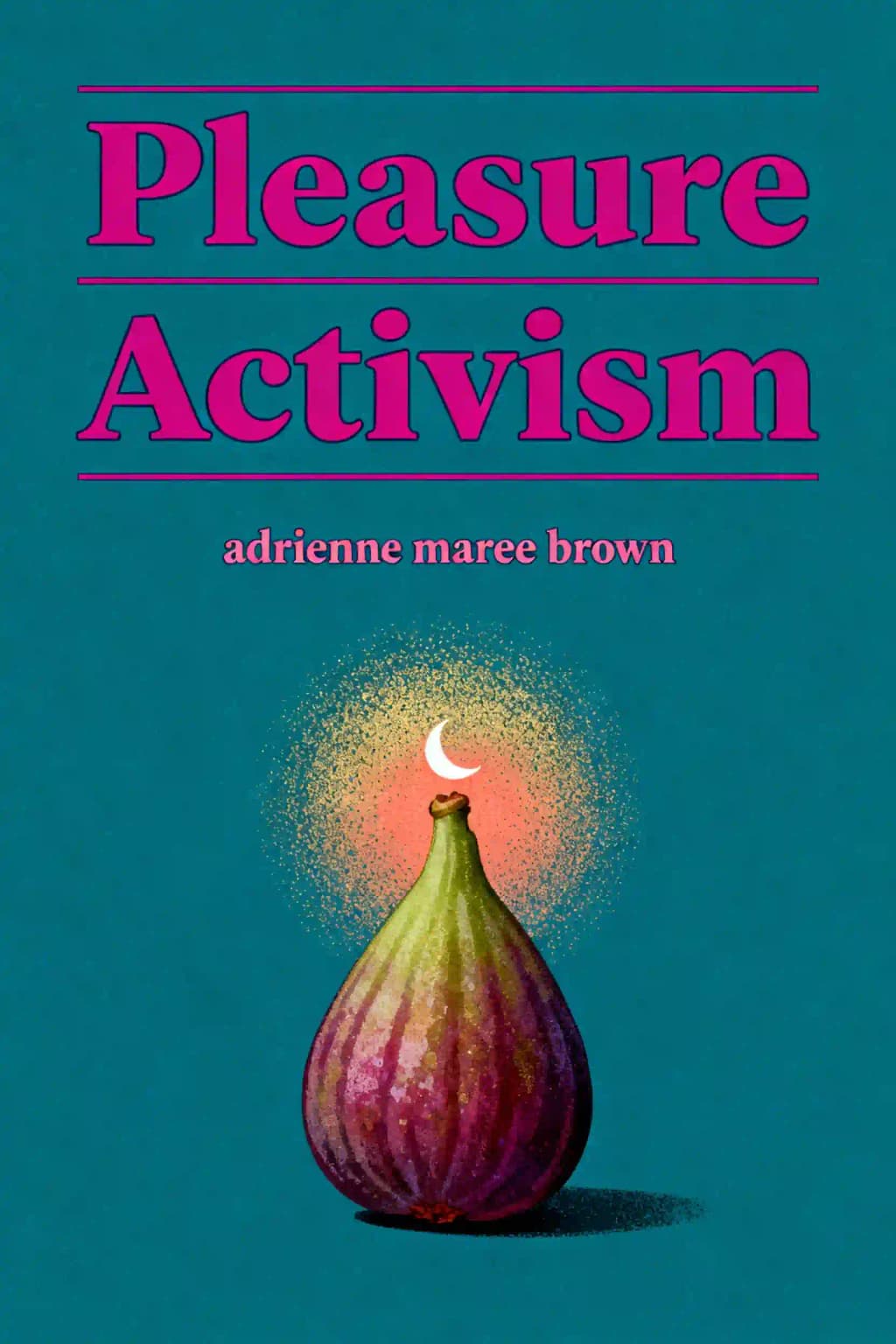
"Pleasure Activism" offers a profound reframing of how we approach both personal happiness and collective liberation. By positioning pleasure as a measure of freedom, Brown invites us to consider what might be possible if we aligned with a pleasure politic, especially while surviving long-term oppression. This framework challenges traditional activist approaches that often prioritize sacrifice and struggle over joy and satisfaction.
The revolutionary promise lies in recognizing that pleasure isn't something we pursue after liberation-it's the very thing that makes liberation possible and sustainable. When we connect to what brings us joy, we tap into our deepest motivation for change. This could manifest in various ways: through art and creative expression, intimate connections with others, time spent in nature, or engaging in meaningful work. When we practice pleasure collectively, we strengthen bonds that sustain movements through shared meals, music, dance, and celebration. When we organize with attention to what feels good, we create irresistible alternatives to systems of oppression, building communities and spaces where people naturally want to gather and contribute.
Brown emphasizes that pleasure activism isn't about superficial happiness or temporary escapes. Instead, it's about deep, sustainable joy that connects us to our bodies, communities, and purpose. This includes practices like mindful breathing, intentional rest, sexual liberation, and cultivating genuine relationships. She particularly highlights how marginalized communities have historically used pleasure as a form of resistance, from underground dance parties to communal cooking traditions.
As Brown writes in her conclusion, "Pleasure is the point. Feeling good is not frivolous, it is freedom." This freedom can be shared through authentic presence, care, boundaries, physical affection, delicious food, solitude, and honoring our desires. It extends to creating spaces where people can be their full selves, express their creativity, and experience genuine connection. The invitation is clear: find the pleasure path for your life, heal ancestral wounds, recognize your wholeness, and help shape a future where feeling good is the normal experience for all beings.
In a world that profits from our collective exhaustion, disconnection, and shame, there may be nothing more revolutionary than reclaiming our right to pleasure. This reclamation involves challenging internalized oppression, setting healthy boundaries, and prioritizing activities that bring genuine joy and satisfaction. Brown's work reminds us that the path to liberation isn't just about fighting against oppression-it's about fighting for the world we want to live in, one where joy is not the exception but the rule. This includes creating sustainable practices of care, building pleasure-centered communities, and recognizing that our personal happiness is interconnected with collective well-being.