Capítulo 1
A Forbidden Romance in the Shadow of Olympus
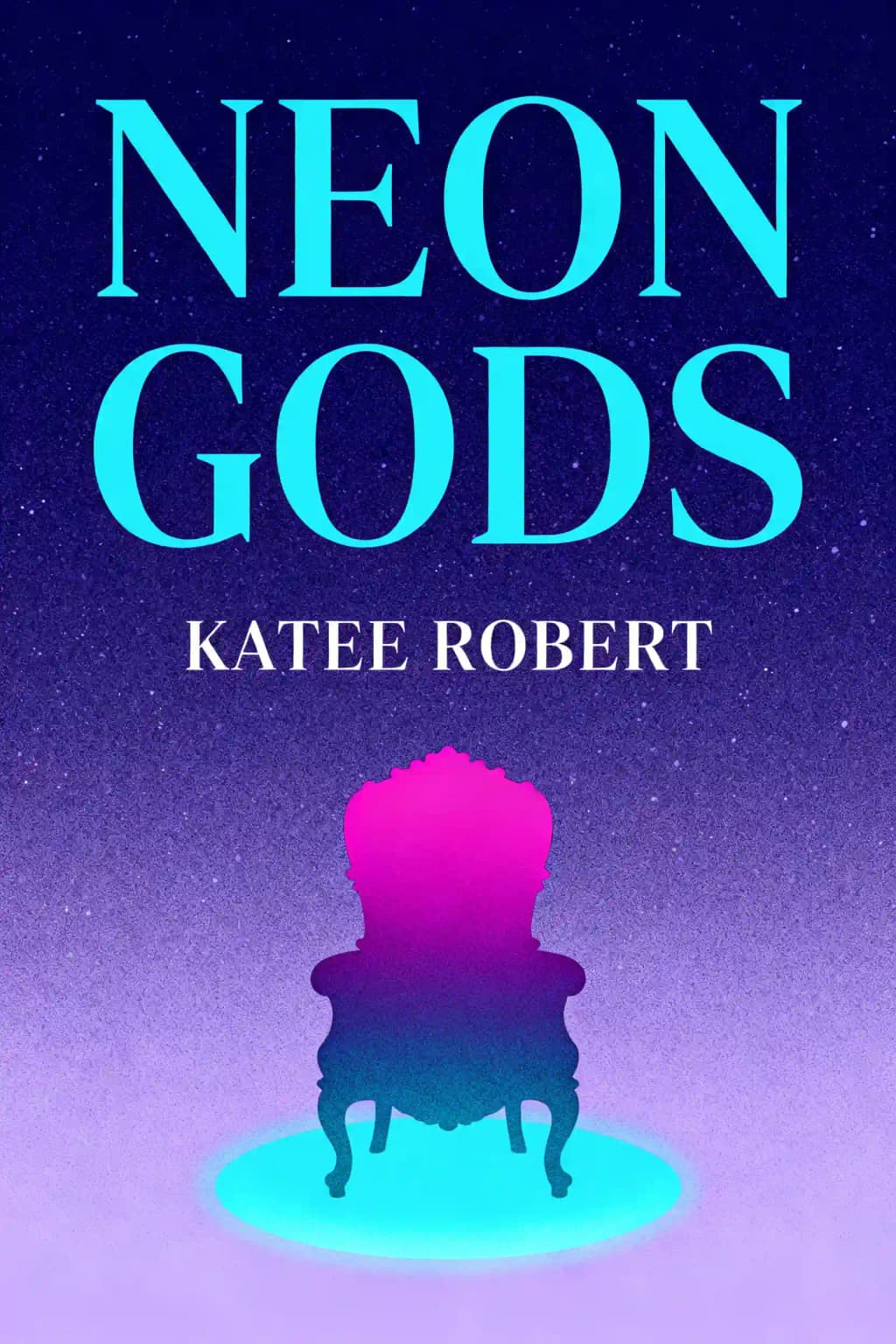
Have you ever wondered what would happen if Greek mythology collided with modern urban fantasy in a steamy, forbidden romance? Katee Robert's "Neon Gods" reimagines the tale of Hades and Persephone in a contemporary setting where Olympus is a modern city divided by the River Styx. This dark, sensual retelling has captivated readers worldwide, becoming a BookTok sensation with over 500,000 copies sold. Even celebrities like Taylor Swift have been spotted with this page-turner that perfectly balances mythological elements with scorching romance. The novel's exploration of power dynamics, consent, and finding freedom in unexpected places resonates deeply with readers seeking both escapism and substance in their romance novels.
Capítulo 2
A City Divided by Power and Darkness
Olympus is no mythical paradise but a modern metropolis split into two distinct realms, each reflecting vastly different philosophies of power and governance. The upper city gleams with wealth and prestige, its crystal spires and floating gardens masking a web of ruthless political maneuvering. Here, the Thirteen powerful families control everything from food production to entertainment, technology to healthcare, wielding their influence through complex networks of favors and threats. At their head sits Zeus, a legacy position currently held by a man whose three previous wives have all died under mysterious circumstances - each death sparking whispers of foul play that never quite reach the surface of polite society. The lower city, separated by the polluted waters of the River Styx, exists in shadows and rumors, where the mysterious Hades - believed by many to be merely an urban legend - rules with quiet authority from an obsidian tower that few have ever entered.
This division creates a perfect backdrop for exploring themes of privilege and power in their many manifestations. In the upper city, people move through society parties like "sharks in peacock clothing," their designer outfits and practiced smiles hiding ruthless ambition. Social gatherings in crystal ballrooms and rooftop gardens aren't celebrations but strategic battlegrounds where alliances form and shatter over champagne toasts. Demeter, who controls the city's food supply through her vast agricultural empire and advanced hydroponics facilities, uses her daughter Persephone as a pawn in these political games, eventually agreeing to her marriage to Zeus without Persephone's consent - a move that sends ripples through both levels of the city.
The lower city offers a stark contrast, its neon-lit streets and crumbling architecture housing a different kind of society. Despite its reputation for danger and debauchery, it functions with a sense of community absent from above. When Demeter threatens to cut off food supplies, the residents band together, creating underground gardens and sharing limited resources. Street vendors become informal information networks, while neighborhood protection groups ensure basic security. This solidarity reflects Hades' leadership style - firm but protective, demanding loyalty but giving it in return. Unlike the upper city's cutthroat individualism, the lower city thrives on mutual support and respect, though this unity comes with its own price in the form of strict territorial boundaries and unwritten codes of conduct.
This division isn't just physical but ideological, setting up the perfect environment for a forbidden romance that challenges the established order. When Persephone crosses the River Styx, she doesn't just traverse a geographical boundary - she steps into an entirely different world with its own rules, values, and possibilities. The crossing represents not just physical danger but a fundamental challenge to the segregated society that Olympus has maintained for generations, threatening a delicate balance of power that neither side fully understands.
Capítulo 3
A Desperate Flight Across Forbidden Waters
Persephone's life changes dramatically when Zeus publicly announces their engagement without her consent. With her mother's complicity in this arrangement, Persephone makes a split-second decision that will alter her destiny forever. The moment crystallizes with perfect clarity: "If I walk back into that building, I might never walk out again." With that realization, she flees into the winter night, her bare feet bleeding as she runs toward the one boundary Zeus cannot cross-the River Styx.
The bridge crossing scene is both physically and symbolically powerful. As Persephone steps onto Cypress Bridge, she experiences intense pain, as if "her skin is being scraped raw," yet pushes through the fog and discomfort. This crossing represents not just a physical journey but a psychological one-leaving behind the gilded cage of her privileged upbringing for an uncertain future. The pain symbolizes the difficulty of breaking free from societal expectations and family obligations.
When she reaches the other side and encounters Hades, her desperate plea-"Help!"-marks the beginning of their complex relationship. She chooses potential danger with a stranger over certain danger with Zeus, a decision that speaks volumes about her determination to control her own fate. The moment Hades catches her around the waist, declaring "She's in my territory now," establishes the power dynamics that will evolve throughout their story.
This flight represents Persephone's first true act of rebellion against the carefully orchestrated life her mother planned. It's a rejection of being used as a political pawn and a declaration of her agency. Though she has no plan beyond escape, this impulsive action reveals her core strength-a willingness to leap into the unknown rather than accept a future where she has no voice.
Capítulo 4
The Monster and the Princess
Hades and Persephone's initial interactions establish a fascinating dynamic that defies typical romance tropes. He's introduced as potentially dangerous-a man who catches her "around the waist and pins her back to his chest," bracketing her throat with his hand. Yet this display of dominance is revealed to be largely performative, designed to warn off Zeus's men rather than actually harm Persephone.
Their relationship develops through a series of revelations that gradually humanize Hades. When he carefully removes glass from Persephone's injured feet, she observes that "a monster would have abandoned me" and begins to see beyond his fearsome reputation. His home, described as a "gothic mansion with dark hardwood floors and deep-red carpets," initially makes her think "the better to hide the blood," yet becomes a sanctuary where she finds unexpected safety.
The contrast between perception and reality becomes a central theme in their relationship. Hades is believed to be a myth by many in the upper city, a boogeyman used to frighten children. Even Persephone's sisters doubted his existence. Yet the man himself is complex-scarred both physically and emotionally by Zeus's attempt to kill him as a child, protective of his people, and surprisingly gentle despite his intimidating presence.
Persephone, too, defies expectations. Initially appearing as "Demeter's perfect daughter," she reveals layers of strength, determination, and passion. When Hades dismissively suggests she'll end up "popping out Zeus's asshole children within a year," she slaps him and declares "I'll die first"-a moment that earns his respect and begins to shift their power dynamic.
Their relationship evolves from a bargain-she'll stay with him for three months, publicly appearing as his lover to make her less desirable to Zeus-into something far more complex and genuine. The "monster" and the "princess" discover they are both more and less than the roles assigned to them by Olympus society, finding in each other the freedom to be their authentic selves.
Capítulo 5
A Bargain Sealed with Desire
The arrangement between Hades and Persephone begins as a calculated political move but quickly evolves into something neither expected. Their bargain is straightforward: she'll stay with him for three months-"protected by him, belonging to him, and obeying him"-while they engage in public displays of affection that will make her undesirable to Zeus. This arrangement offers Persephone safety until she can access her trust fund and leave Olympus forever.
What makes this bargain fascinating is how it creates a safe space for both characters to explore desires they've previously suppressed. For Persephone, the agreement provides permission to embrace her sexuality without judgment. When Hades asks about her preferences-bondage, public sex, and other kinks-she appreciates that he's "doing proper preparation rather than throwing me into the deep end." This careful attention to consent becomes a cornerstone of their relationship, with Hades insisting on a safe word and repeatedly checking her boundaries.
Their first public scene at Hades' club reveals the complex power dynamics at play. While Hades appears to be in control-commanding Persephone onto a small stage where spotlights blind her to the rest of the room-he's actually creating a carefully choreographed experience designed for her pleasure and safety. When he orders her to remove her dress, discovering she's wearing nothing underneath, his question reveals his concern: "Is that the truth? Or did you think you could tempt me into doing what you want?"
As their relationship deepens, the lines between their bargain and genuine connection blur. What begins as performance-designed to shock the audience and send a message to Zeus-becomes increasingly authentic. Persephone finds herself "wanting him to take me on that stage and fuck me with everyone watching," embracing exhibitionism she never knew she desired. Meanwhile, Hades struggles with his growing feelings, reminding himself their arrangement is temporary while increasingly unable to maintain emotional distance.
The bargain that begins as mutual protection transforms into mutual discovery, allowing both characters to reveal vulnerabilities they've hidden from others. When Hades finally shows Persephone his burn scars-physical reminders of Zeus's attempt to kill him as a child-their intimacy transcends the physical, creating a bond neither anticipated when they sealed their bargain with a kiss that "tastes like summer."
Capítulo 6
The Politics of Power and Protection
Behind the romance lies a complex political landscape where power is currency and alliances shift like quicksand. The novel explores how personal relationships become political weapons in a society where appearances matter more than truth. Zeus's desire to marry Persephone has little to do with attraction and everything to do with controlling her mother Demeter, who supplies food to the city. Similarly, Demeter's willingness to sacrifice her daughter reveals her prioritization of power over family bonds.
Hades occupies a unique position in this political ecosystem. Though one of the Thirteen who rule Olympus, he's deliberately cultivated his mythical status, allowing Zeus to spread rumors of his death while he builds a parallel power structure in the lower city. This strategy has given him freedom but also isolation-he tells Persephone he's "not friends with anyone," though his actions toward Hermes and Dionysus suggest otherwise.
The treaty governing the River Styx becomes a central political element. Neither Zeus nor Hades can cross into the other's territory without triggering war, creating a stalemate that has maintained an uneasy peace for decades. When Hades violates this treaty to save Persephone's sister Eurydice, he knowingly risks everything, understanding that "Zeus will retaliate" and potentially destroy "everything and everyone I'm responsible for."
Persephone's political education forms a significant subplot. Initially naive about Olympus's power games, she quickly learns to navigate its treacherous waters. When confronted by Eros, Aphrodite's dangerous son, she doesn't cower but responds with equal steel: "Funny, but a lot of people in the upper city have pissed me off." This growing political awareness culminates in her bargain with her mother-agreeing to remain in the upper city and ensure Hades attends six events annually in exchange for Demeter using her influence to protect him.
The novel's climax reveals the ultimate political machination-Demeter had planned Zeus's downfall all along, using her daughter's situation as catalyst. Her chilling revelation that Zeus "threatened my daughters" and has "outlived his usefulness" exposes the ruthless calculation behind her actions. In this world, even maternal love is filtered through political advantage, and protection comes with strings attached.
Capítulo 7
Finding Freedom in Unexpected Places
At its heart, "Neon Gods" explores the paradoxical nature of freedom. Persephone begins the story with a singular goal-accessing her trust fund at age twenty-five and escaping Olympus forever. Her definition of freedom is geographic distance from her controlling mother and the city's suffocating politics. Yet as the story progresses, she discovers that true freedom isn't about location but about authenticity and choice.
With Hades, Persephone finds unexpected liberty in submission. During their intimate scenes, she embraces desires she previously suppressed, finding release in relinquishing control within carefully negotiated boundaries. "I can breathe with him," she tells her sisters, explaining how she doesn't have to "pretend or be perfect" in his presence. This emotional freedom-the ability to be her authentic self without judgment-proves more valuable than physical escape.
Hades, too, finds liberation through their relationship. Having lived for decades in isolation, using his fearsome reputation as armor, he gradually lowers his defenses with Persephone. When he finally allows her to see his scars in full light, it represents not just physical vulnerability but emotional openness. Her acceptance-telling him his scars are beautiful because they represent his strength and survival-heals wounds deeper than those on his skin.
The greenhouse becomes a powerful symbol of this unexpected freedom. This rooftop sanctuary filled with colorful flowers represents Hades' secret refuge-a place where, as a fourteen-year-old assigned greenhouse work as punishment, he found respite from trauma. When he shares this space with Persephone, it symbolizes his willingness to let her into the most private corners of his life. Similarly, the three abandoned puppies they adopt represent healing through nurturing others-giving unwanted creatures the love and security they themselves lacked.
The story's resolution redefines freedom for both characters. Rather than escaping Olympus as planned, Persephone chooses to stay with Hades in the lower city, accepting limited obligations to the upper city as a fair price for their relationship. Hades, who spent decades plotting revenge against Zeus, finds that victory feels "strangely empty" compared to the fulfillment of building a life with Persephone. Their freedom comes not from escaping their circumstances but from choosing each other within those constraints-transforming obligation into desire and protection into partnership.
Capítulo 8
The Power of Choice in a World of Constraints
Throughout "Neon Gods," characters navigate a tension between fate and choice, finding agency within seemingly predetermined paths. Persephone's initial predicament-being announced as Zeus's fiancee without her consent-represents the ultimate removal of choice. Her mother's complicity in this arrangement reflects a worldview where daughters are assets to be leveraged rather than individuals with autonomy.
Persephone's flight across the River Styx represents her first significant act of self-determination. Though desperate and unplanned, this decision establishes her as someone willing to risk everything for the freedom to choose her own path. Her bargain with Hades, while born of necessity, represents another choice-selecting the terms of her protection rather than passively accepting rescue.
Hades' relationship with choice is equally complex. Having survived Zeus's attempt to kill him as a child, he's spent decades preparing for revenge, his life narrowed to this single purpose. Meeting Persephone disrupts this trajectory, presenting him with unexpected choices. When he crosses the bridge to save Eurydice-violating the treaty that has governed his actions for years-he makes a conscious decision to prioritize Persephone's needs over his carefully laid plans.
The novel's intimate scenes powerfully explore consent as the ultimate expression of choice. Hades repeatedly ensures Persephone's participation is freely given, insisting on a safe word and checking her boundaries. "I value consent," he tells her seriously. "Consent because you have no other options isn't consent." This emphasis on mutual agreement transforms potentially problematic power dynamics into expressions of trust and agency.
The story's resolution hinges on characters making difficult choices rather than accepting predetermined roles. Persephone's decision to bargain with her mother-agreeing to remain in Olympus rather than pursuing her dream of escape-represents a mature acceptance that freedom sometimes means choosing constraints for those we love. Similarly, Hades' willingness to attend upper city events despite his hatred for that world demonstrates his commitment to supporting Persephone's choices.
In the epilogue, their relationship has evolved into a partnership of equals, each supporting the other's autonomy while building a shared life. Their final scene in the playroom-where Persephone surprises Hades by removing her dress, wearing nothing underneath-symbolizes her complete comfort with her sexuality and choices. His response-carrying her away mid-scene to continue in private-shows his prioritization of their connection over performance. Their exchange of "I love yous" represents the ultimate choice-freely choosing each other despite all obstacles.
Capítulo 9
Healing Through Vulnerability and Trust
The journey from trauma to healing forms a powerful undercurrent in "Neon Gods." Both protagonists carry deep wounds-Hades from the fire that killed his parents and left him scarred, Persephone from years of being molded into her mother's "perfect daughter" while suppressing her true self. Their relationship becomes the vehicle through which both begin to heal.
Hades' physical scars symbolize his emotional damage. Having survived Zeus's attempt to kill him as a child, he's built walls of isolation and intimidation, using his fearsome reputation as armor. His reluctance to be seen-keeping lights off during intimate moments, wearing all black, cultivating his mythical status-reflects his belief that vulnerability equals weakness. When Persephone asks to keep the lights on, his hesitant agreement represents a significant breakthrough.
The moment Hades reveals his scarred torso becomes a turning point in their relationship. Persephone's response-"You're beautiful... These scars are beautiful because they mean you survived"-offers him a new perspective on his trauma. Rather than seeing his scars as disfigurements to hide, she helps him recognize them as evidence of his strength and resilience. This acceptance begins healing wounds far deeper than those on his skin.
Persephone's trauma is less visible but equally significant. Raised to be "sweet, biddable" and to "smooth things over," she's suppressed her authentic self to meet her mother's expectations. Her confession that she's "an eternal disappointment as a daughter" reveals the psychological toll of never feeling good enough. With Hades, she finds space to express desires and opinions without judgment, gradually shedding the performative persona she's maintained for years.
Their healing occurs through mutual vulnerability-each revealing parts of themselves they've hidden from others. Hades shares his greenhouse sanctuary, a place representing his private refuge from trauma. Persephone confesses fantasies she's never acknowledged, trusting him with her deepest desires. These exchanges create intimacy beyond physical connection, building a foundation of trust that allows both to lower their defenses.
The adoption of three abandoned puppies becomes a powerful metaphor for their healing journey. Finding the black puppies abandoned at Cypress Bridge-the same bridge Persephone crossed to escape Zeus-creates a parallel between their stories. When Hades decides to take all three despite warnings about the challenges, it represents his growing capacity for nurturing others. Naming them together (Cerberus, Charybdis, and Scylla) symbolizes their creation of family from abandonment, transforming rejection into belonging.
By the story's conclusion, both characters have made significant progress toward healing. Hades has moved from isolation to connection, not just with Persephone but with his community. Persephone has embraced her authentic self, no longer performing the role of "perfect daughter" but making choices aligned with her true desires. Their relationship provides the safety and acceptance necessary for both to confront their pasts and build a healthier future together.
Capítulo 10
Reimagining Myths in Modern Shadows
"Neon Gods" brilliantly transposes Greek mythology into a contemporary urban setting, creating a world where ancient archetypes gain fresh relevance. The city of Olympus, divided by the River Styx, becomes a modern metropolis where gods are powerful families rather than divine beings. Zeus sits "on his gaudy throne that resembles a thundercloud," wielding political power instead of lightning bolts. Demeter controls food production rather than agricultural fertility. Hades rules the underworld not as a realm of the dead but as the lower city with its shadowy reputation.
This modernization extends beyond setting to explore the psychological complexity behind familiar myths. The abduction of Persephone becomes a story of escape and consent-she crosses the River Styx willingly, choosing Hades over Zeus's unwanted attention. Their relationship develops not through coercion but mutual attraction and respect. The pomegranate seeds that bind Persephone to the underworld in myth become her safe word in their intimate encounters-a symbol of her agency rather than her entrapment.
The novel cleverly incorporates mythological references that reward readers familiar with Greek legends. The three black puppies Hades adopts are named after underworld creatures-Cerberus (the three-headed dog guarding Hades' realm), Charybdis, and Scylla (sea monsters from The Odyssey). Hermes maintains her mythological role as messenger between realms, moving freely between upper and lower Olympus. Dionysus appears as a party-loving figure whose "vices don't include sex," reflecting his mythological association with wine and revelry.
Beyond these direct references, the novel explores themes central to Greek mythology-fate versus free will, the consequences of hubris, and the complex morality of gods and mortals. Zeus's downfall echoes countless mythological tales where powerful figures are undone by their own arrogance. The treaty governing the River Styx recalls the sacred oaths that even gods couldn't break without consequences.
The story's setting in a modern city allows exploration of contemporary issues through mythological frameworks. Power dynamics, consent, and autonomy gain resonance through their mythic context. When Persephone declares "I'll die first" rather than marry Zeus, she's not just rejecting an unwanted suitor but claiming agency in a world where women have historically been pawns in male power games-a theme as relevant in ancient myths as in modern society.
By reimagining these ancient stories, "Neon Gods" creates a world both familiar and fresh, where mythological archetypes illuminate contemporary experiences of power, desire, and choice. The enduring power of these myths-their ability to speak to fundamental human experiences across millennia-gives the romance depth beyond its steamy encounters, connecting personal relationships to universal themes of transformation and rebirth.